Serving Clayton, NC & nearby
(984) 290-6882
Clayton, NC

Garage Doors Built for Clayton's Housing Stock and Climate

Clayton homes mostly date to the 1980s and 90s, in a cold-moderate climate that stresses springs and seals differently than warmer regions. Here's what actually breaks and why.

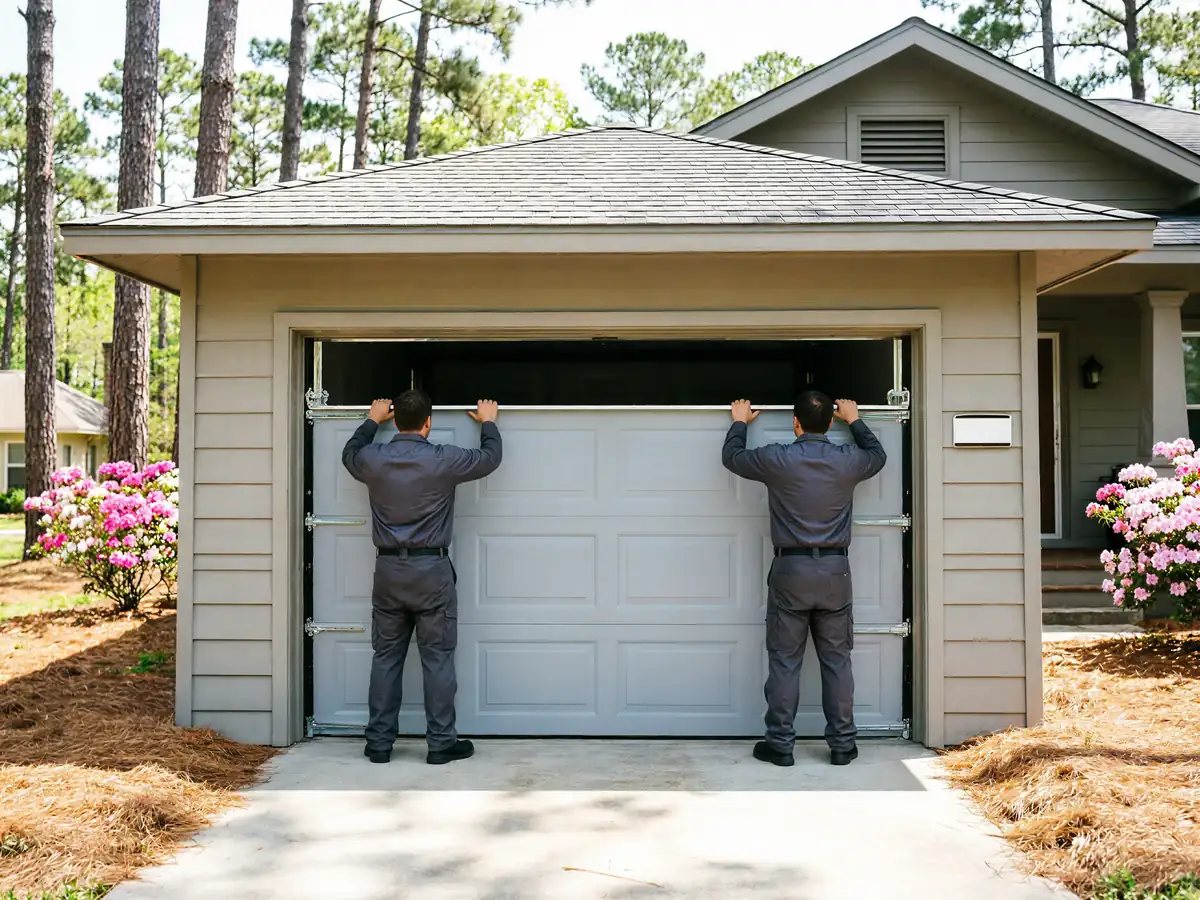
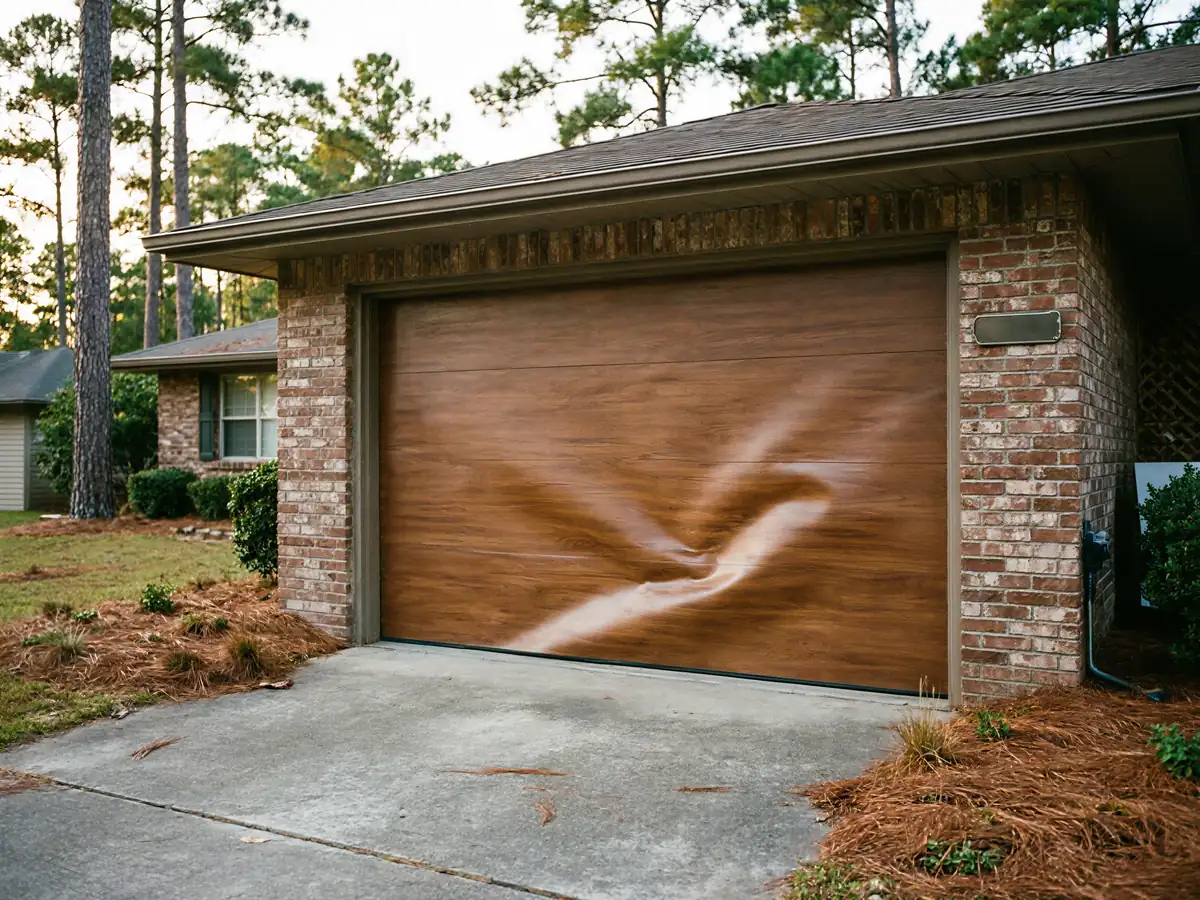
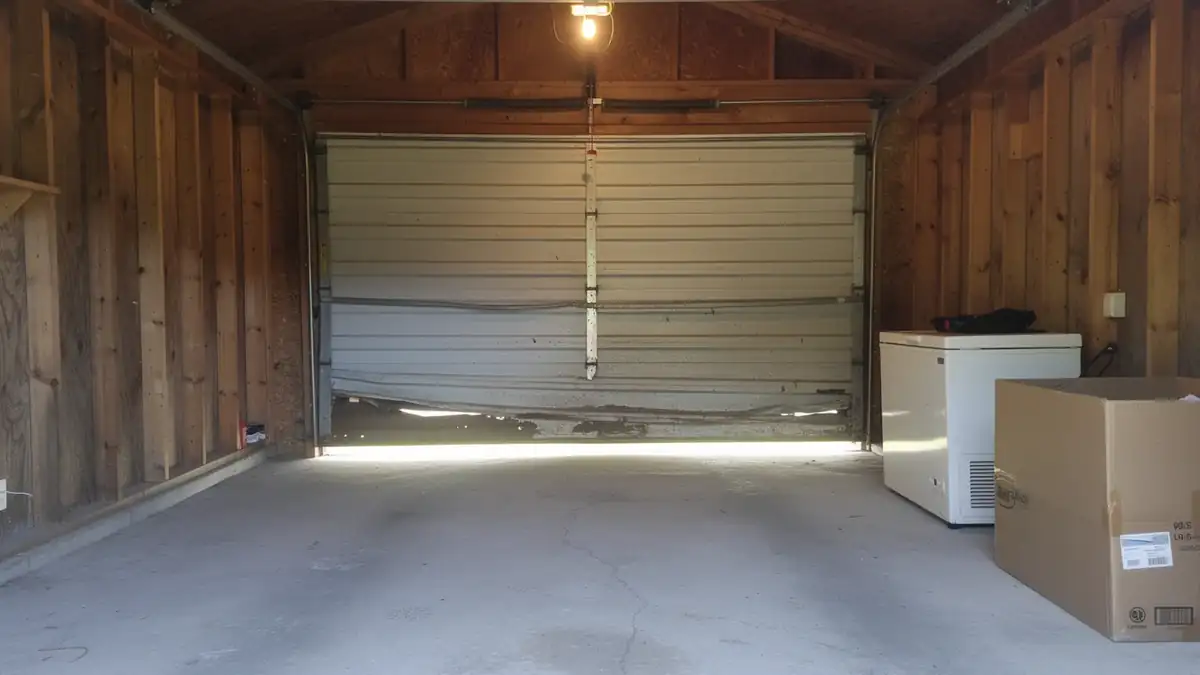
The damaged garage door is bent inward at the bottom.

What Most People Get Wrong

People assume a garage door problem is generic - a spring breaks, you call, someone swaps a part. But what's under that panel depends a lot on when the house went up. Housing in the Clayton service area dates from 1968 to 2013, with the median landing around 1985, and the heaviest concentration sits in the 1980s and 90s across the ten areas we work most. That means a large share of doors we open were installed with torsion springs sized for the lighter steel panels of that era, not the heavier insulated doors homeowners buy today. Swap in a modern door without checking the spring size and hardware, and the opener strains against weight it was never built to lift. The other mistake owners make: assuming the opener is the same age as the door. A lot of 1985-vintage doors have had one or two opener swaps since, chain-drive units bolted onto rail that predates them by years. Guessing at parts without checking the actual build year wastes a trip and sometimes a part.

How Local Conditions Play In

Clayton falls in a cold-moderate climate band - not the hard freeze of the mountains, not the swamp heat of the coast. That matters because the stress on a garage door here is cyclical, not extreme. A door built for this climate doesn't need the insulation ratings of a Minnesota install, but a good chunk of the earlier end of that 1968-2013 stock runs doors on houses built before insulation rules were standard, meaning bare steel panels with no thermal break. On a cold-moderate swing, steel contracts, gaps widen at the weatherstrip, and the bottom seal that sat fine in August lets air through by December. On older doors in that bracket, we see the panel bow slightly at the bottom corners where moisture collects against an unsealed edge. None of this is dramatic weather - Clayton doesn't need storm-rated doors - but the moderate swing is steady enough that seals and bottom astragal wear faster than most owners expect, especially on anything older than that 1985 median build year.

What Changes With the Season

Spring breakage follows the same cold-moderate pattern. Steel torsion springs lose a measurable amount of tension as the garage drops into the 40s, and that's often when a spring already near the end of its wind cycle finally lets go - not in the heat of summer, the way a lot of warm-climate advice assumes. Lubricant is the other seasonal tell. Openers in this area that haven't been serviced since installation start grinding in the colder months as old grease stiffens, especially on the 80s and 90s chain-drive units common across the ten areas we see most, units that were never lubed with anything rated for a real temperature swing. Owners who only check the door when it's warm out miss the window where a five-minute lube job would have caught the problem before it became a stuck door on a cold morning with somewhere to be.
The Problem

Not every door this old is worth repairing. Parts for doors on the earlier end of that 1968-2013 range, especially pre-1985 hardware, aren't something we keep on the truck, and a special order on an obsolete spring size or track bracket can take longer than the same-day fix most owners are hoping for. We'll give a straight answer at the house: on a door that old, replacement often costs less in the long run than chasing discontinued parts for a door that's going to need the next part in a year anyway. With median household income across the area sitting around $55,051, we try to flag that honestly rather than running up a bill on a door that's circling the drain. It's a judgment call, not a script, and sometimes the honest answer costs us a sale.

How it works

From “it’s stuck” to “it’s fixed”

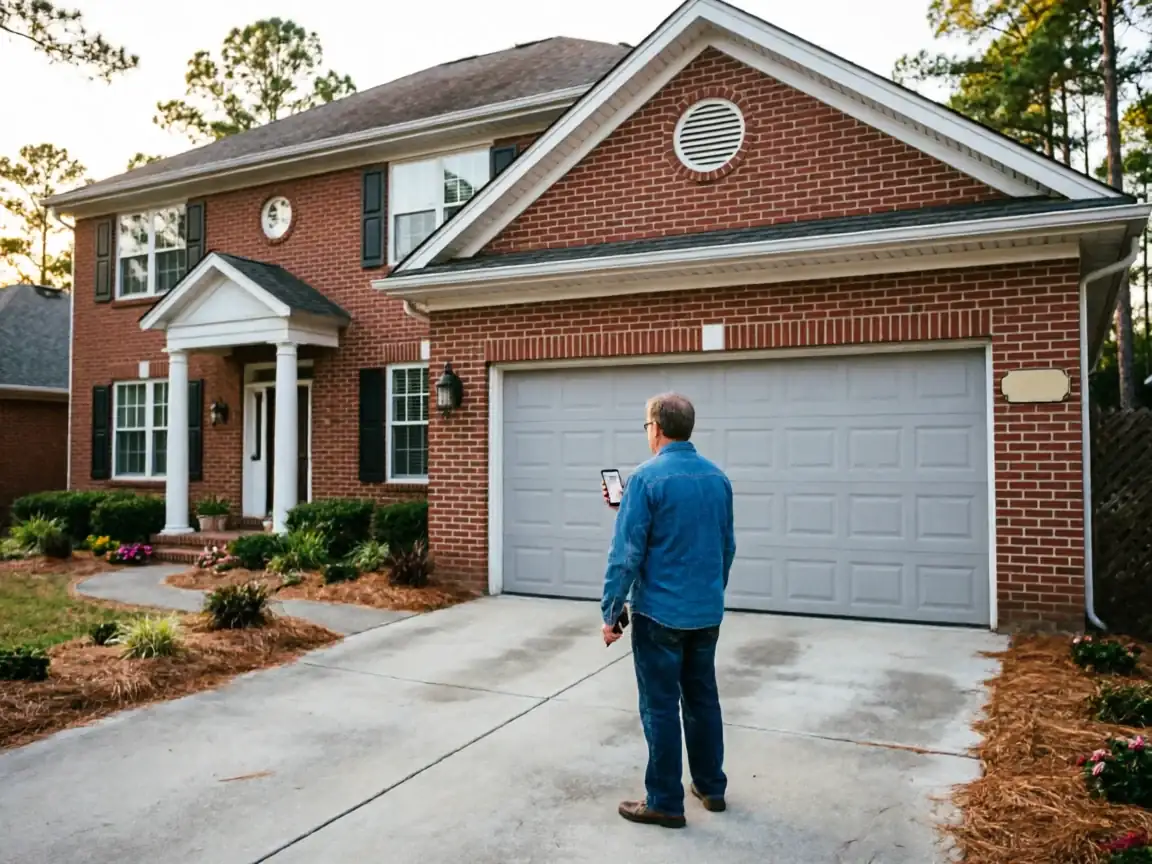
A man stands in a driveway holding a phone, facing a gray garage door.

Tell us what’s wrong

Describe the symptom - won’t open, loud bang, opener runs but the door won’t move.

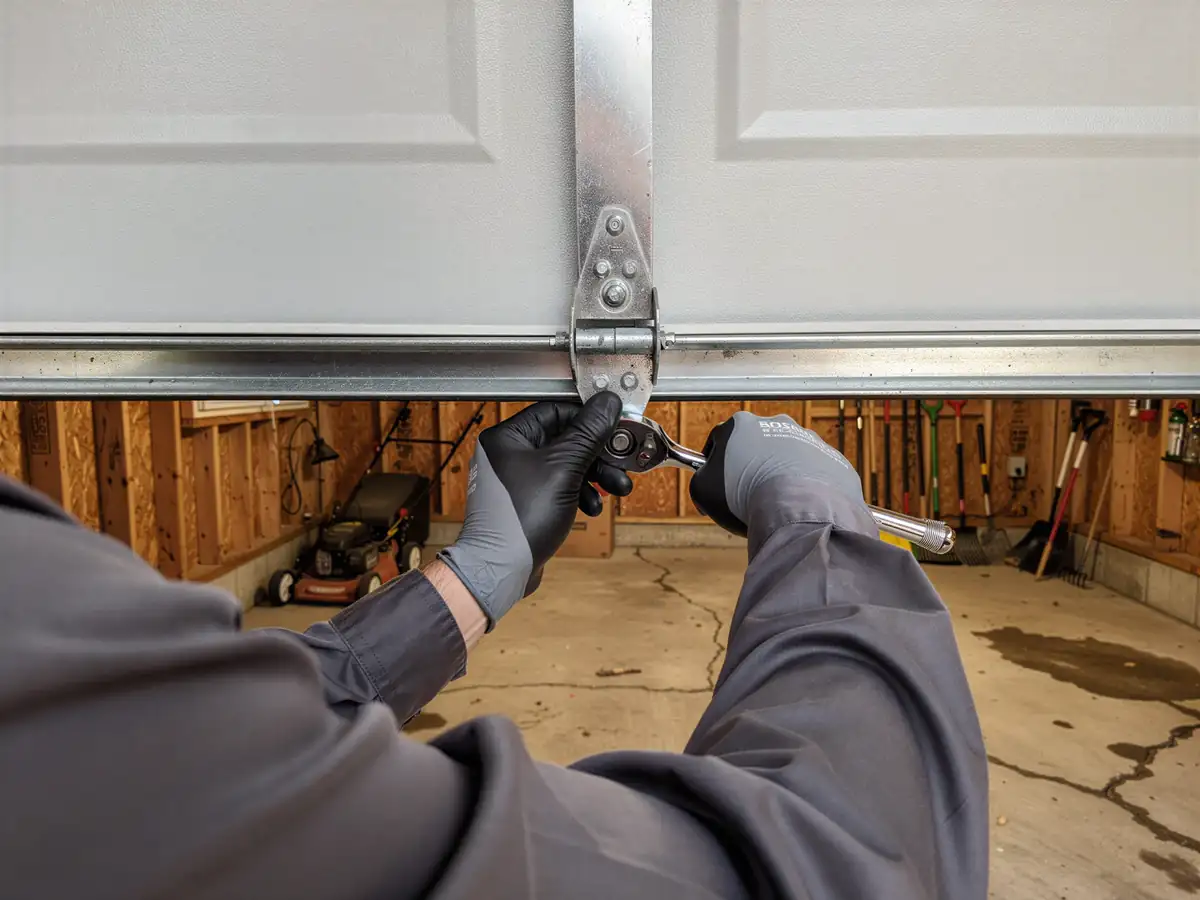
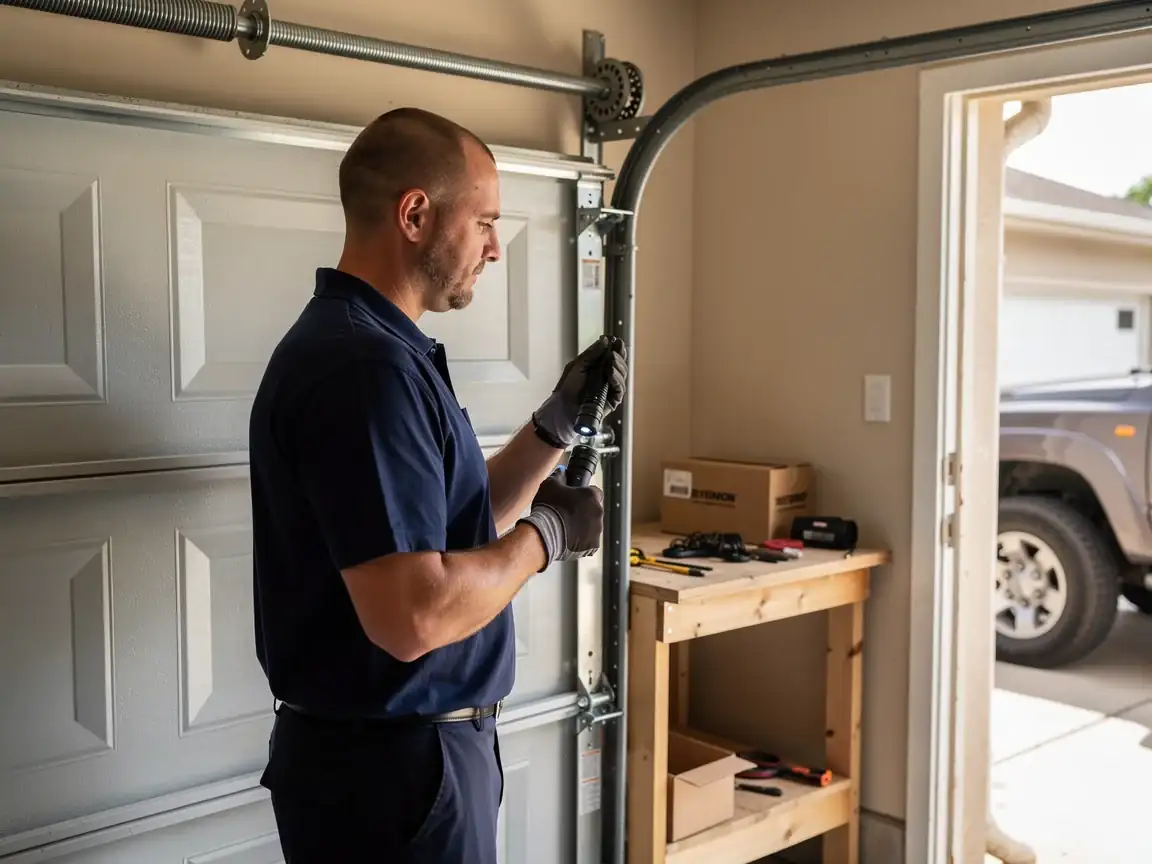
A technician in gloves holds a flashlight next to a white garage door.

On-site diagnosis

A technician tests the door under power and by hand and finds what actually failed.

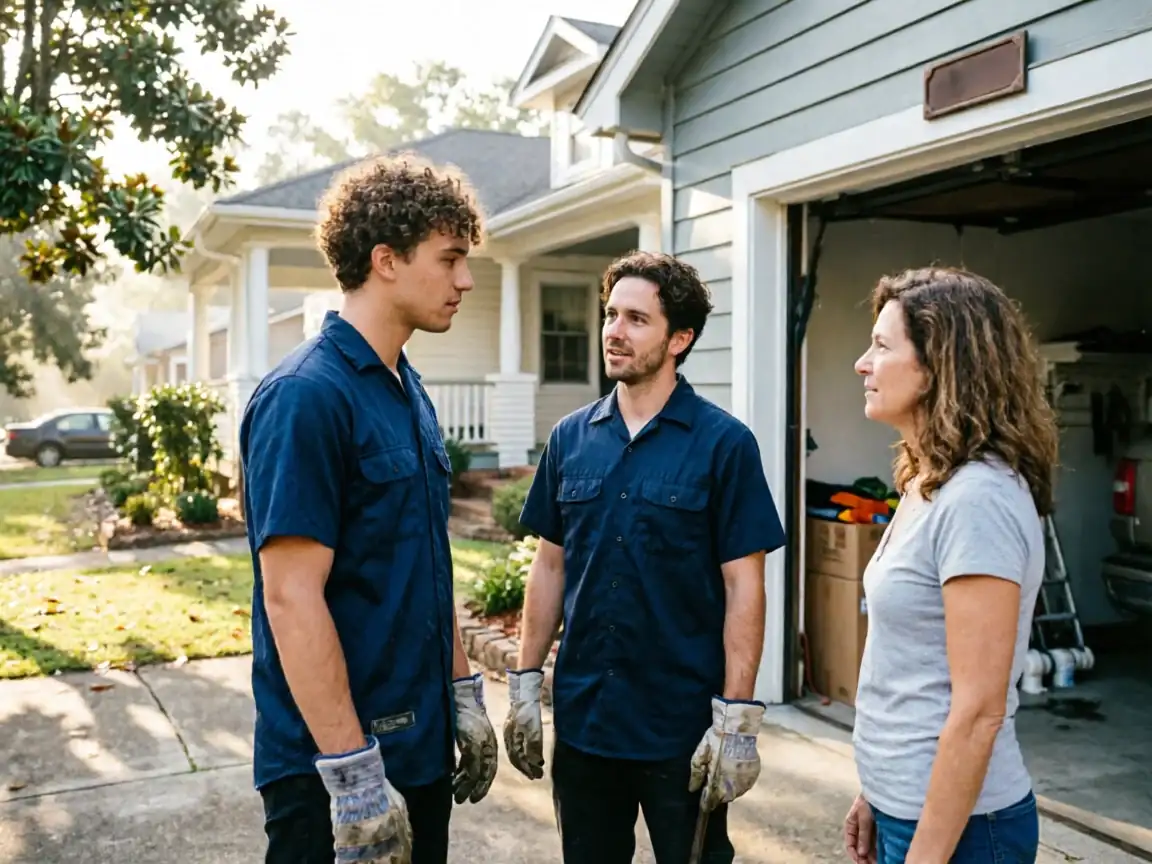
Two technicians in blue shirts talk with a woman in front of a house with an open garage.

Clear, up-front plan

You get the fix that’s needed and what drives the cost - before any work starts.

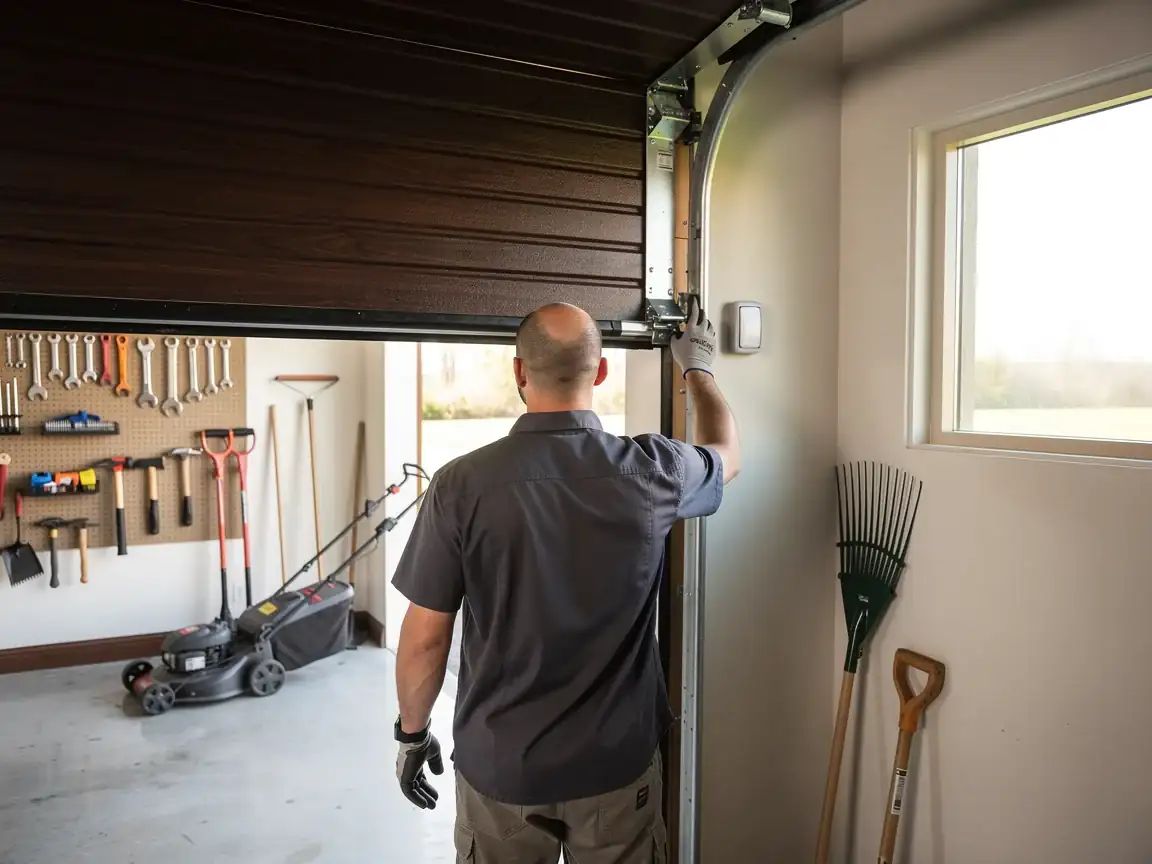
A technician adjusts the brown garage door track inside a garage.

Repaired & tested

The repair is done, the door is set true and tested, and the work area left clean.

Next step

Not sure which repair your door needs in Clayton, NC? Describe what it’s doing - every job starts with a diagnosis.

How we work

What to expect

  • Diagnosis firstEvery visit starts by finding what actually failed - not a pre-written parts list.
  • The right part for the doorSprings and openers matched to the door’s weight and age, so the fix holds up.
  • Straight answersWhen a repair makes more sense than a replacement - or the reverse - you hear it plainly.
  • Clean, careful workTension released safely, hardware set true, the door tested under power before we leave.
What we do

Garage Door Services

Repair and installation work for Clayton homes and businesses.

Questions

Frequently asked

Straight answers about garage door repair in Clayton. Still unsure? Ask us directly.

Why does my garage door spring keep breaking in winter?

Steel torsion springs lose tension as temperatures drop, and Clayton's cold-moderate climate means a spring already near the end of its cycle is more likely to snap in the colder months than in summer. If your spring is original to a house built in the 1980s or 90s, it's likely due regardless of season.

Is my opener too old to service?

If your house falls in the common 1968-2013 build range for this area, the opener itself may have been swapped once already. Chain-drive units from the 80s and 90s are usually still serviceable, but parts for the original hardware on pre-1985 doors can be harder to source.

Should I repair or replace an older door?

Depends on the door. If it's on the earlier end of the local build range and the spring size or track is obsolete, special-order parts can take longer than a same-day repair, and replacement often costs less over time. We'll tell you straight which way the math goes before we quote anything.

Does Clayton's climate really affect garage doors much?

It's not extreme weather, but the cold-moderate swing here is steady enough to matter. Seals and bottom astragal wear faster than owners expect, especially on bare steel doors from before insulation standards were common, and that's a real share of the housing stock in this area.

Ready to get your garage door sorted?

Tell us what it’s doing and where you are in Clayton - we’ll take it from there.

Request a QuoteCall