What Most People Get Wrong
The common assumption is that every opener has a battery backup and that losing power just means the garage door sits still until the lights come back on
That's not true for a lot of houses here. Housing in this service area went up mostly between 1968 and 2013, with the median build year around 1985 - and battery backup didn't become a standard feature on residential openers until well after that median year. If your house falls on the older end of that range, there's a real chance your opener has no battery at all, which means a power cut doesn't just pause the door, it locks it the way it last sat, open or closed.
The second thing people get wrong is thinking the manual release cord is optional knowledge
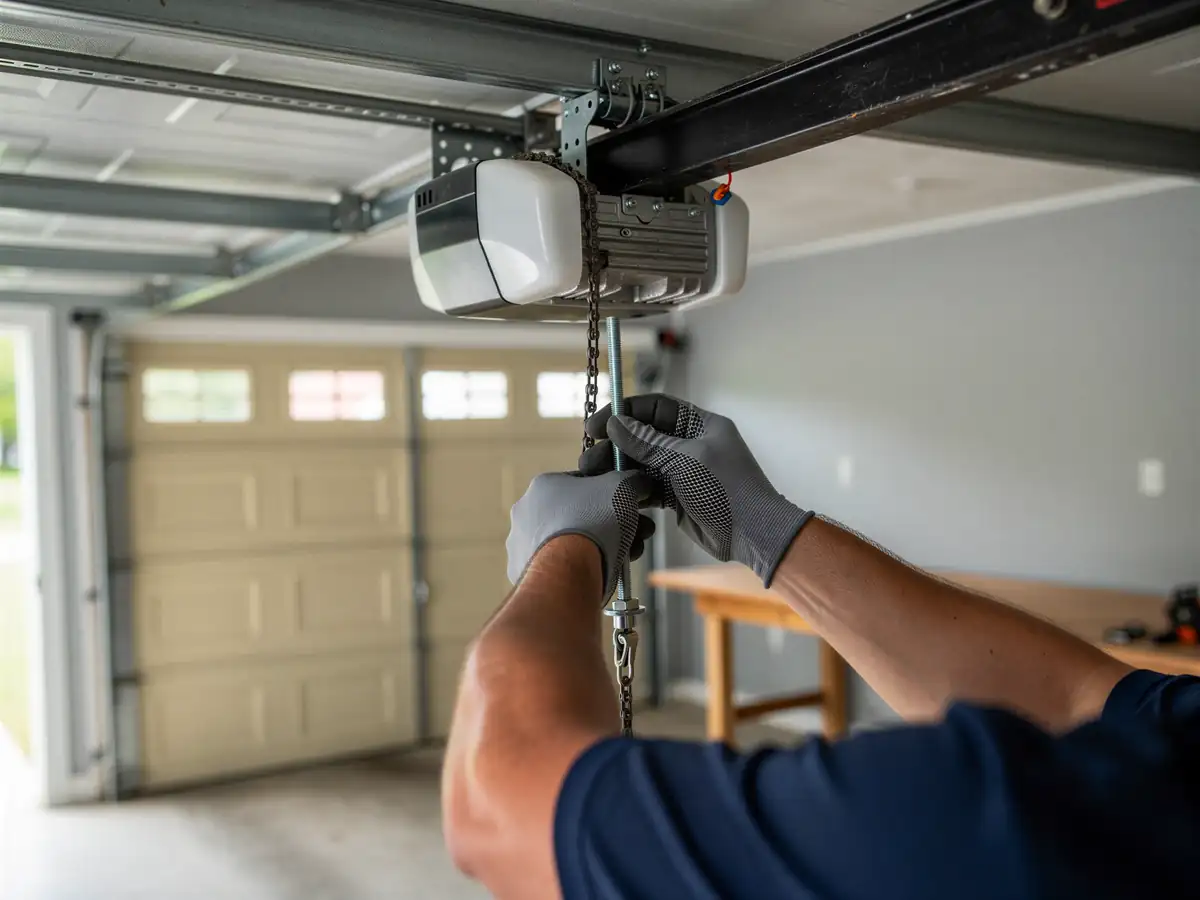
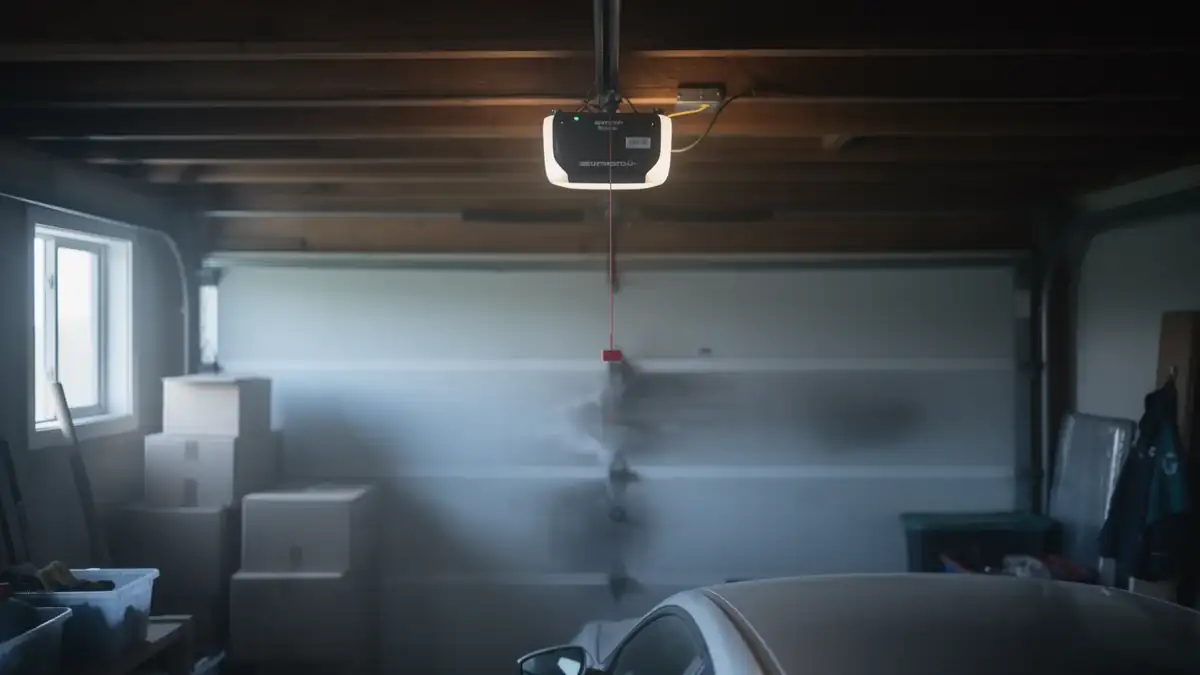
It's not. On a chain-drive unit from the 1980s or 90s stock that's common across this area, that cord is the only way in or out of the garage until power returns, and most homeowners have never pulled it. Find it before you need it, not during a cut.
How Local Conditions Play In
This area sits in a cold moderate climate band - not the deep-freeze winters you'd get further north, but cold enough that it matters for opener electronics and the circuit boards that run them. Cold doesn't usually kill a board outright, but it slows the capacitors and can make a marginal board fail right when you need it, often during the same weather that's straining the grid and causing the power cut in the first place. That's not a coincidence worth ignoring.
Across the roughly 30,812 households in this service area, with 14,940 of those in owner-occupied houses, a meaningful share are running openers original to a build decade when neither battery backup nor cold-rated boards were standard equipment. The pairing - an older opener, a moderate-cold climate, and an occasional power cut - is exactly the combination that turns a minor annoyance into a stuck car in the driveway.
What Changes With the Season
Through the colder months, lubricant in the rail and on the chain thickens, the opener has to work harder to pull the door, and a motor that's already marginal from age will draw more current than it should. That extra draw doesn't usually trip anything on its own, but it's one more thing stacked on top of a unit that's already decades past its install date given the median 1985 build year across the area.
Warmer months bring less of that friction but more thunderstorm activity, and that's when short power cuts tend to cluster. An opener running fine in July can be the same unit that leaves you stuck in a driveway in January, not because anything broke, just because the conditions finally added up against a board that was never rated for either extreme.
The Problem
The honest problem is this
A lot of the openers in houses built across the 1968-2013 range were never designed with the two things that matter most for this area - cold-moderate climate swings and the occasional power cut. Adding battery backup after the fact is possible on many units, but it's not free, and with the median household income in this service area at $55,051, that's a real decision, not an automatic yes.
Here's the limitation
We can't always tell you over the phone whether your specific opener model supports a bolt-on battery backup. Some older chain-drive units simply don't have the connector for it, and the honest answer in that case is a full opener swap rather than a patch. We'd rather tell you that upfront than sell a part that won't fit.