How We Fix It
We start at the wall button, not the motor
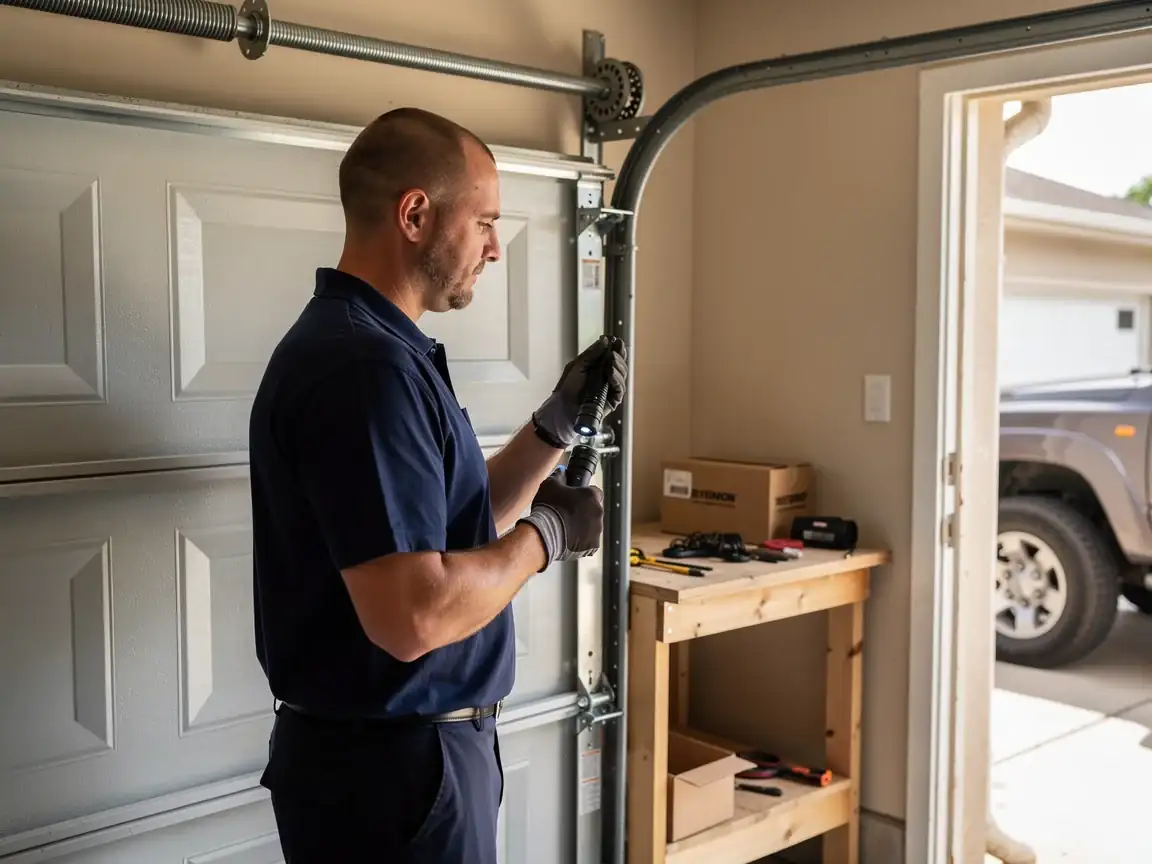
Most opener calls across this service area break down into five causes: a worn drive gear, a logic board that's lost its memory after a power blip, limit switches that drift out of adjustment, a safety sensor knocked out of alignment, or a capacitor on an older unit that's finally given up. We test the travel limits first, because a door that reverses or won't close all the way is almost always a limit or sensor problem, not a motor problem - and that's a 20-minute fix, not a replacement.
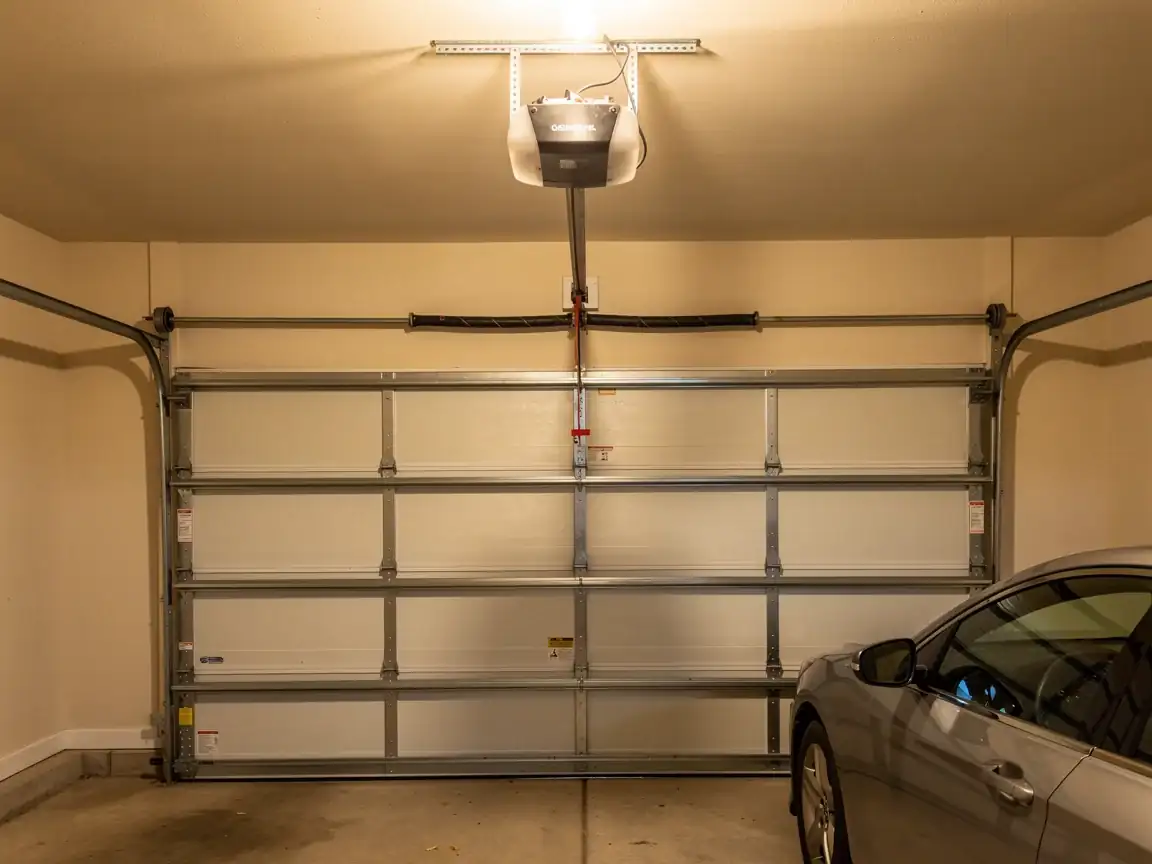
If the gear is stripped (you'll hear the motor run while the door sits still)
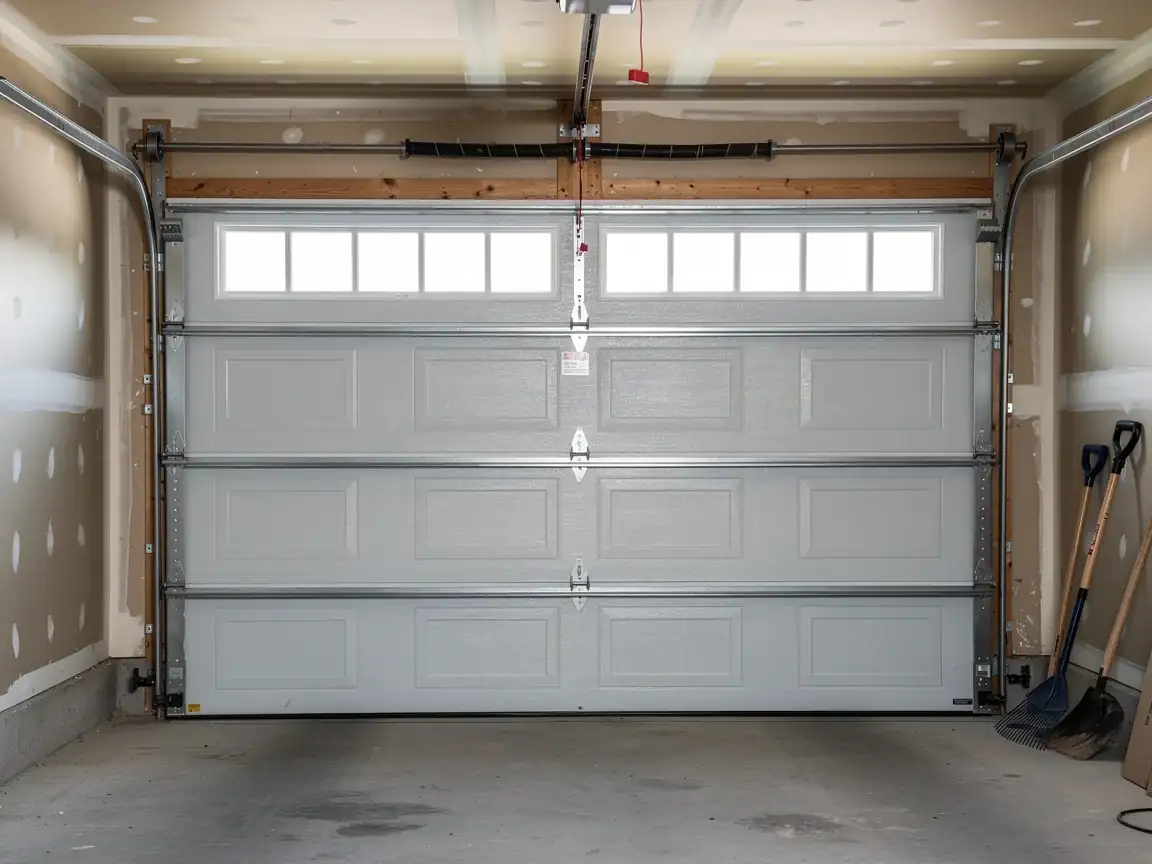
We replace the drive assembly rather than the whole unit when the opener is still within a reasonable service life. On the older end of the housing stock here - built as early as 1968 - we're often dealing with openers that have outlived their original logic boards twice over, and parts availability gets thin. In those cases we'll tell you straight when a new opener costs less than chasing parts for one from the 1980s.
We carry common gears, sprockets, and circuit boards on the truck for the opener models that show up most often in this area's 1985-median housing stock
Which cuts most repairs down to a single visit.
What You Are Seeing
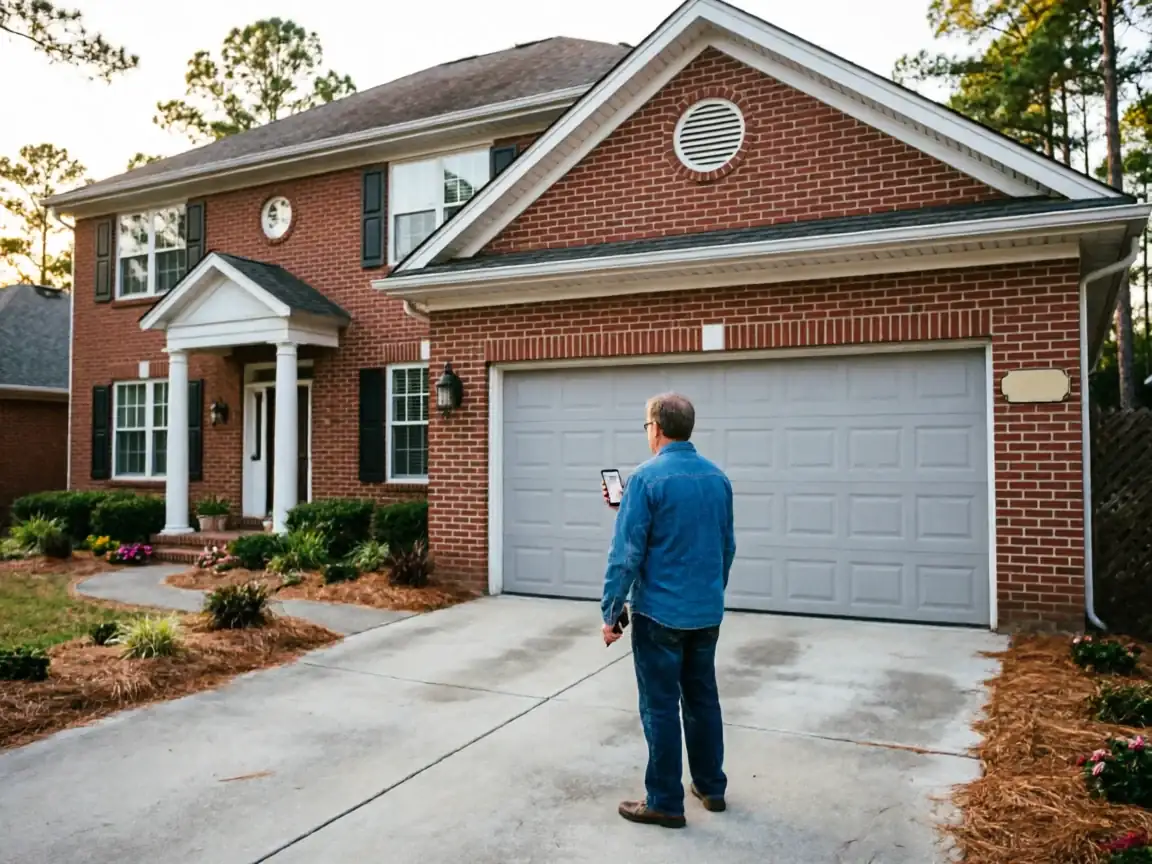
The opener hums but the door doesn't move - that's usually a stripped gear, cheap plastic inside a metal housing, and it wears faster on doors that get used several times a day. The door opens fine but won't close, stopping and reversing partway - that's a misaligned photo-eye sensor, often caused by someone bumping a parked car or bike into the bracket. The remote stops working but the wall button still does - that's a dead battery or, less often, a board that's lost its paired codes after a storm-related power loss.
A door that closes, then immediately opens back up a few inches, is almost always a limit switch that's drifted - common in homes where the opener has been in service since the 1990s stock era and nobody's touched the adjustment since installation. Clicking with no movement at all usually means a broken drive belt or chain, not the motor itself.
We see winter clustering in these calls. In this cold-moderate climate band, grease inside the opener head stiffens in low temperatures, which slows the chain or belt drive and puts extra load on an already-worn gear. That's why a gear that was fine in September can strip in January.
Can You Do This Yourself
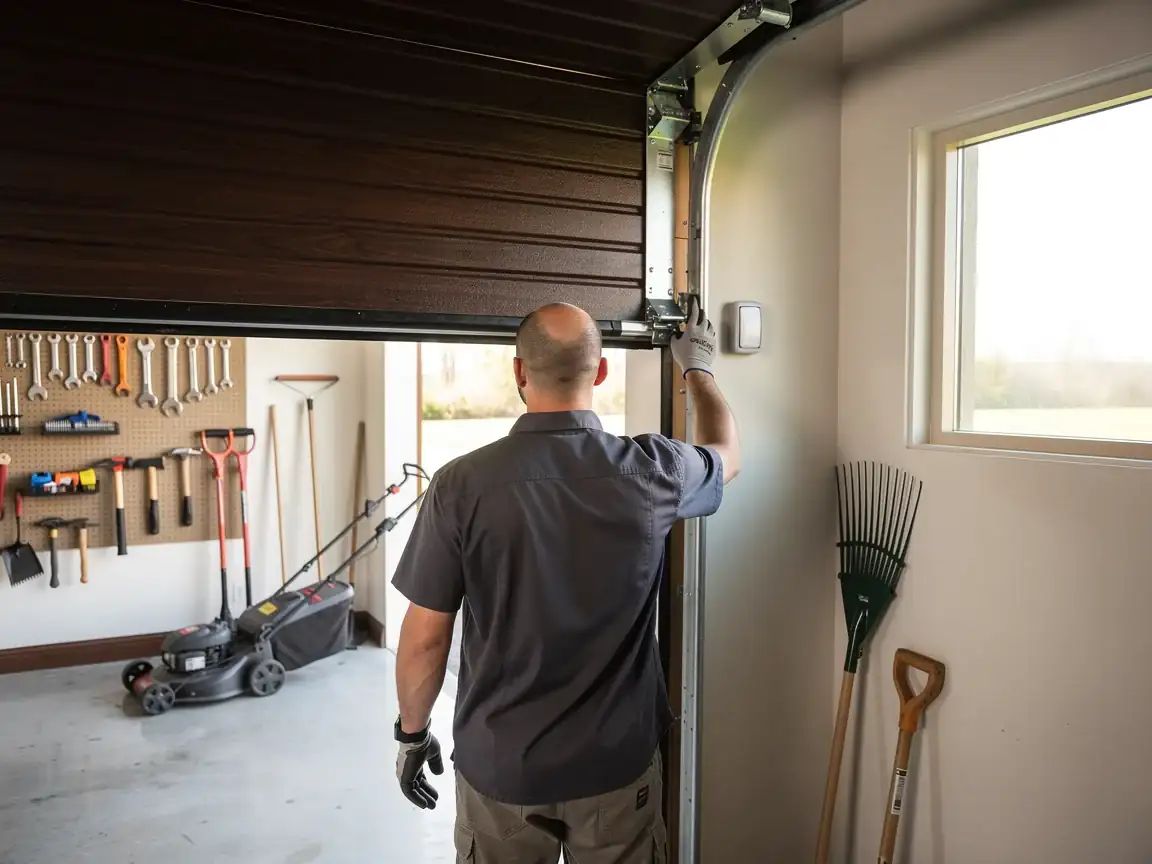
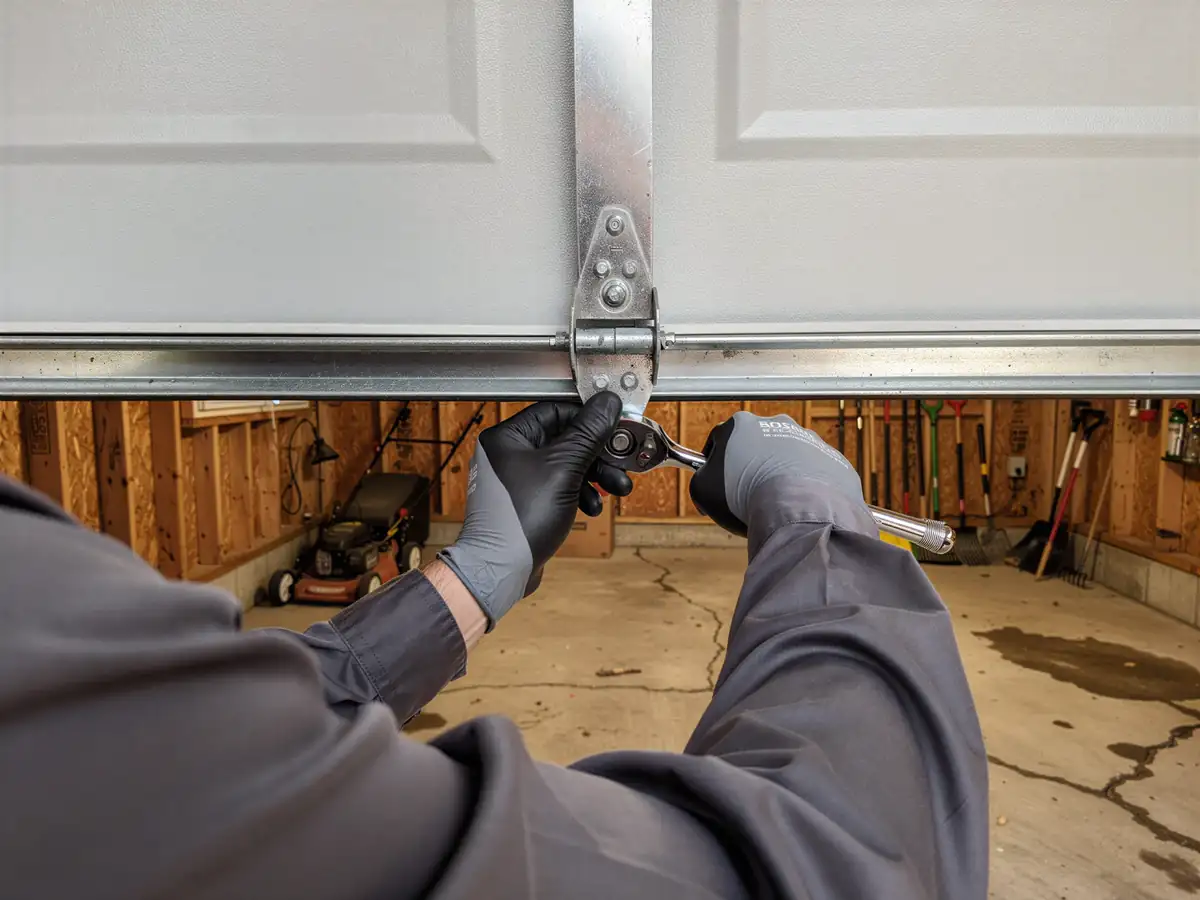
Battery swaps, reprogramming a remote, and wiping dust off the photo-eye lenses are fair game for a homeowner with a ladder and ten minutes. Realigning the sensors yourself is doable too - loosen the bracket screws, nudge until both lights go solid, tighten.
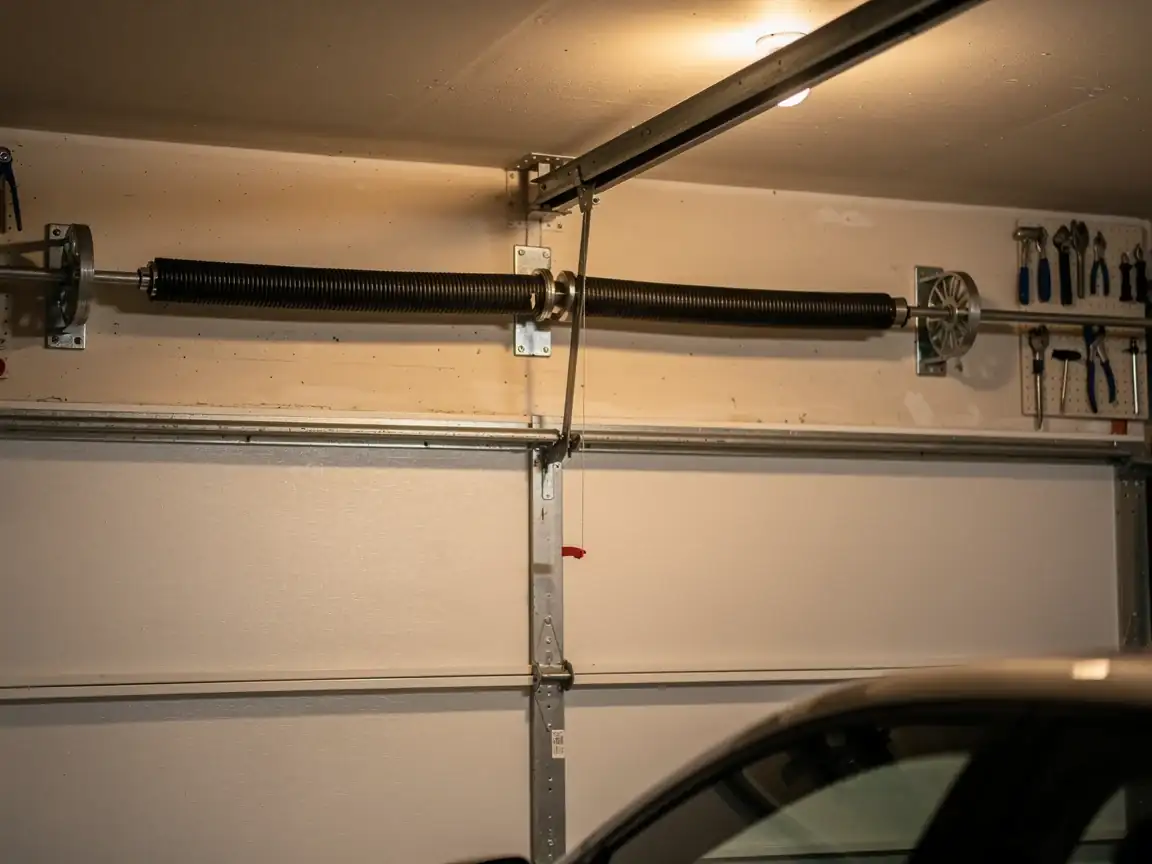
Where we'd stop you: anything involving the logic board, the drive gear assembly, or the high-voltage side of the unit. Openers carry household current into a sealed housing, and a gear job means pulling the motor head down off the ceiling, which is awkward alone and genuinely risky if the door's springs aren't balanced right - a door that drops while you're mid-repair can do real damage.
One honest limit on our end: if your opener is a model that's been out of production for a decade or more, we may not be able to get a matched logic board or gear kit fast. We'll tell you that on the first visit rather than stringing out a repair that's better solved with a new unit.
Why This Fails Locally
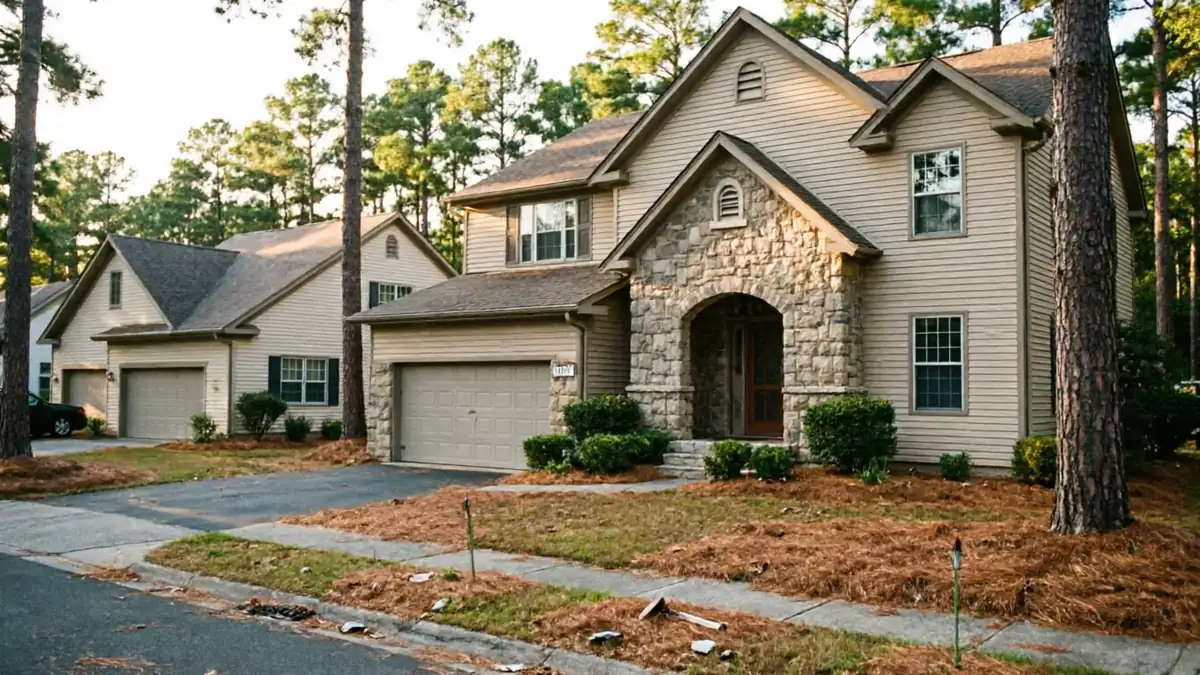
This service area runs from newer construction built as late as 2013 down to houses from 1968
With the bulk of the stock dating to the 1980s and 90s across the ten named communities we cover. That split matters for openers specifically: newer builds mostly run chain or belt-drive units with safety sensors built to current code, while the older half of the stock still has first- or second-generation openers that predecessors installed decades ago and nobody's upgraded since.
Across roughly 30,800 households in this area
With about 14,900 of those in owner-occupied houses, a big share are carrying original or first-replacement openers that are simply aging out at the same time. Add the cold-moderate climate swings - grease stiffening in winter, condensation on sensor lenses in humid stretches - and you get a predictable seasonal bump in gear and sensor calls, not a random one.
- 30,800 households
This isn't a Clayton-specific defect
It's what happens when a town's housing stock clusters in two distinct eras and the opener technology inside those houses clusters right along with it.