How We Fix It
When a door won't move, we start with the same three checks every time
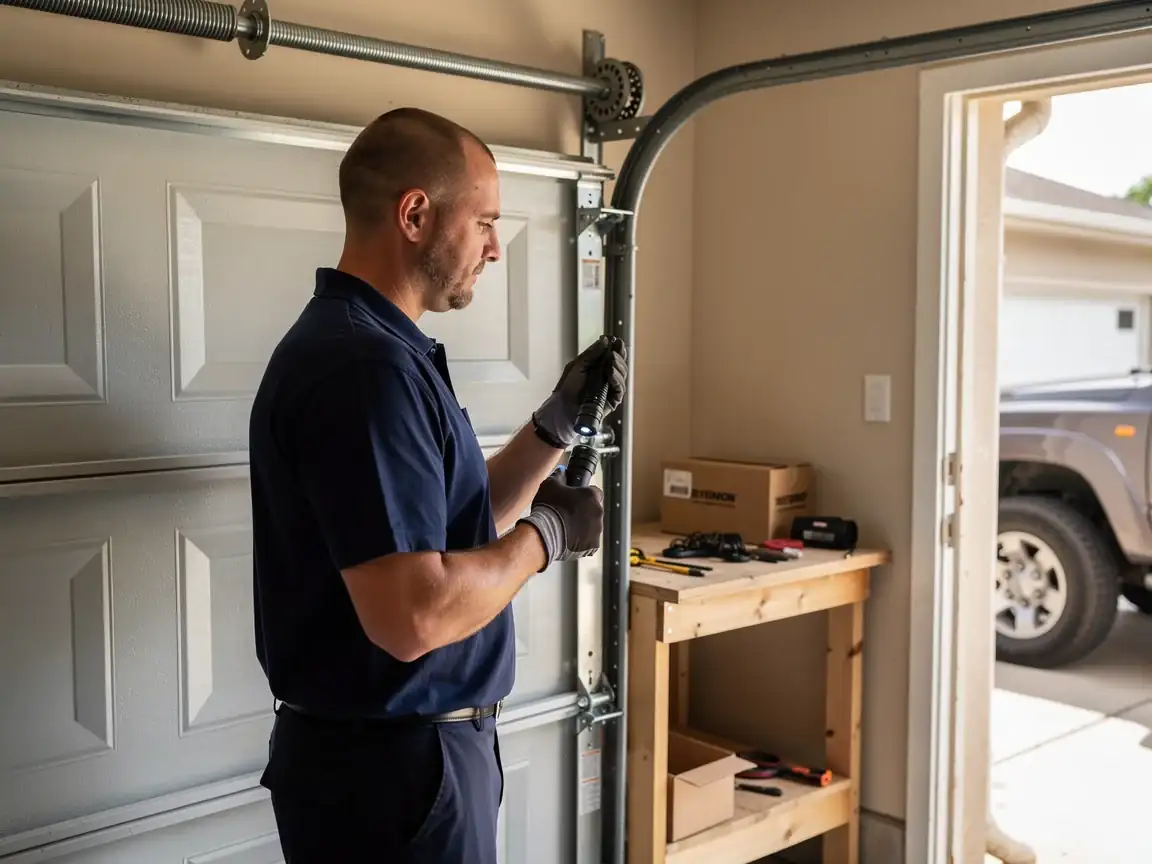
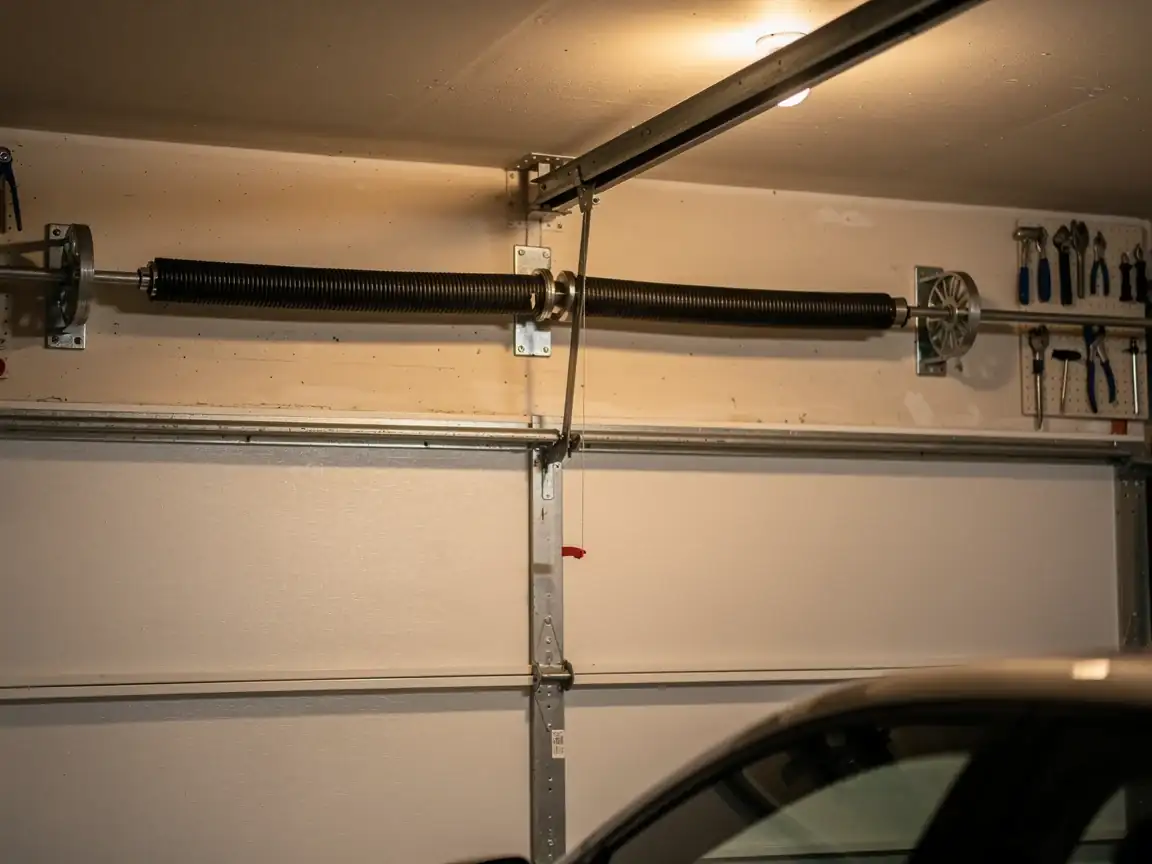
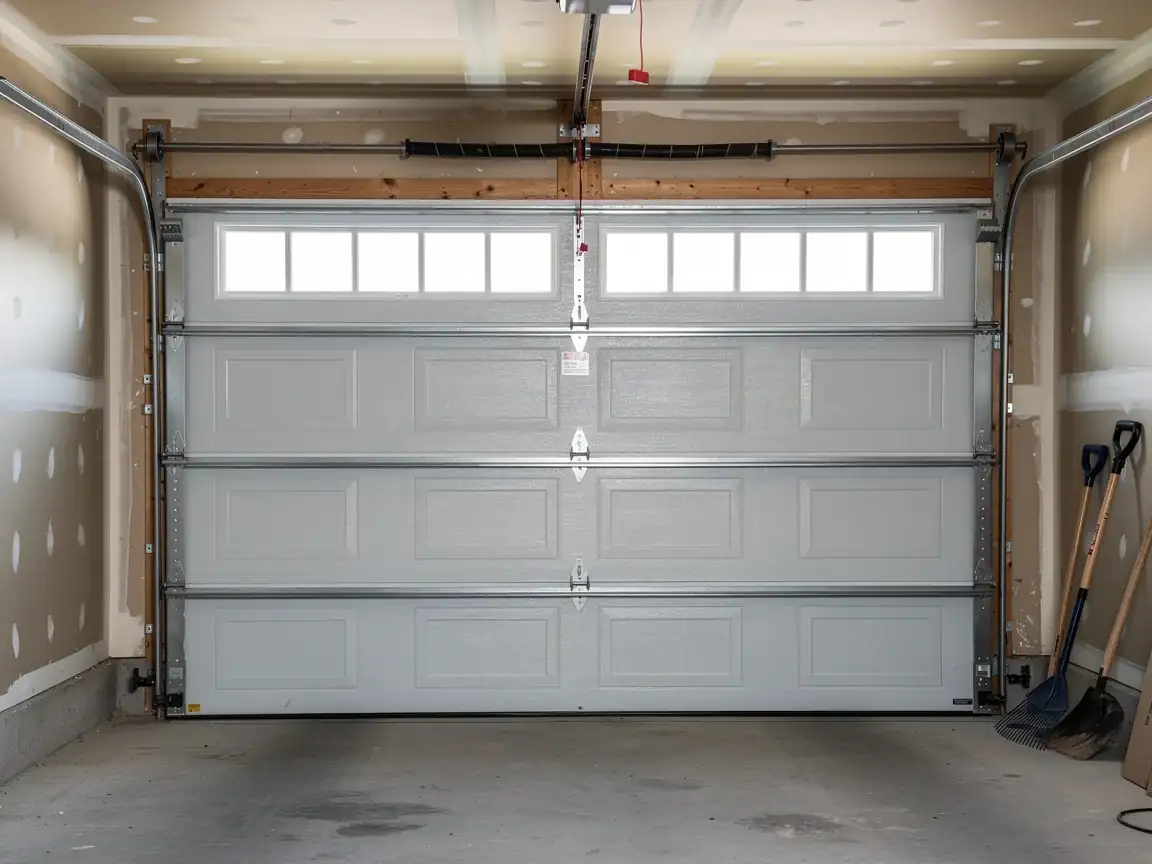
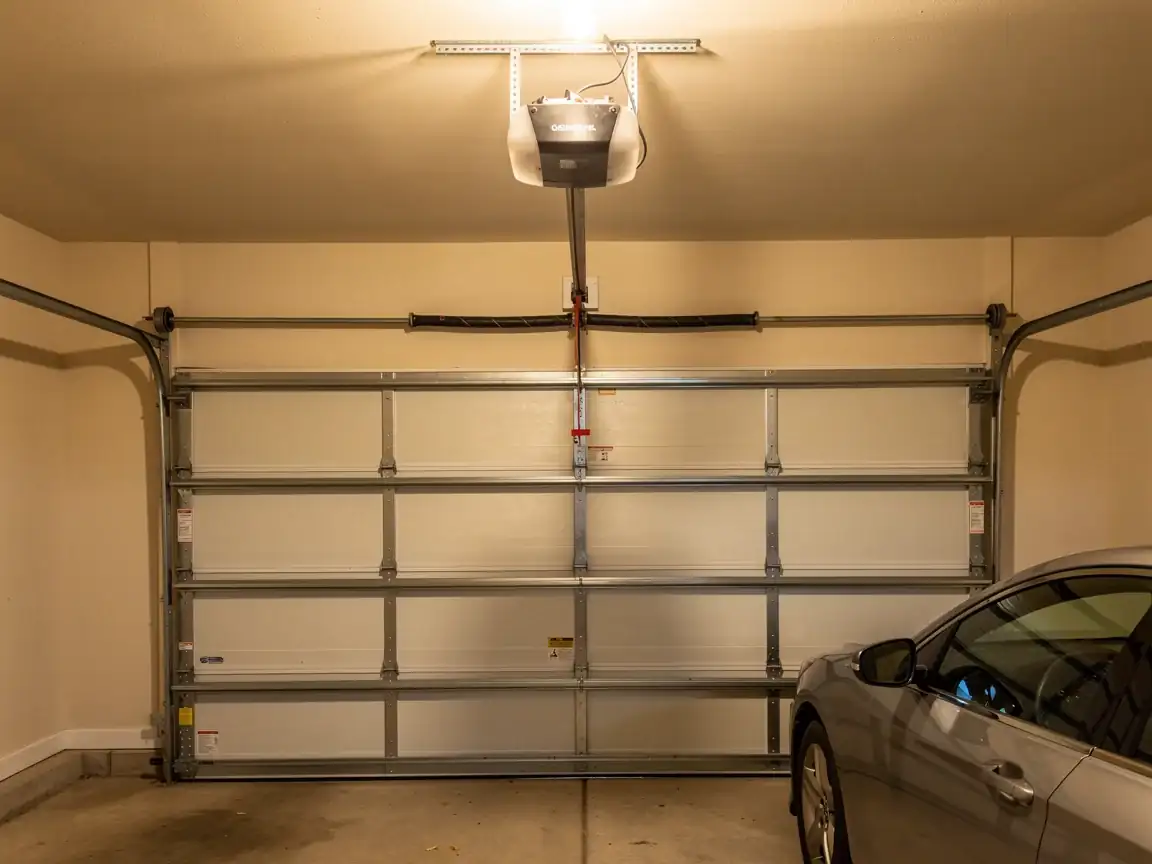
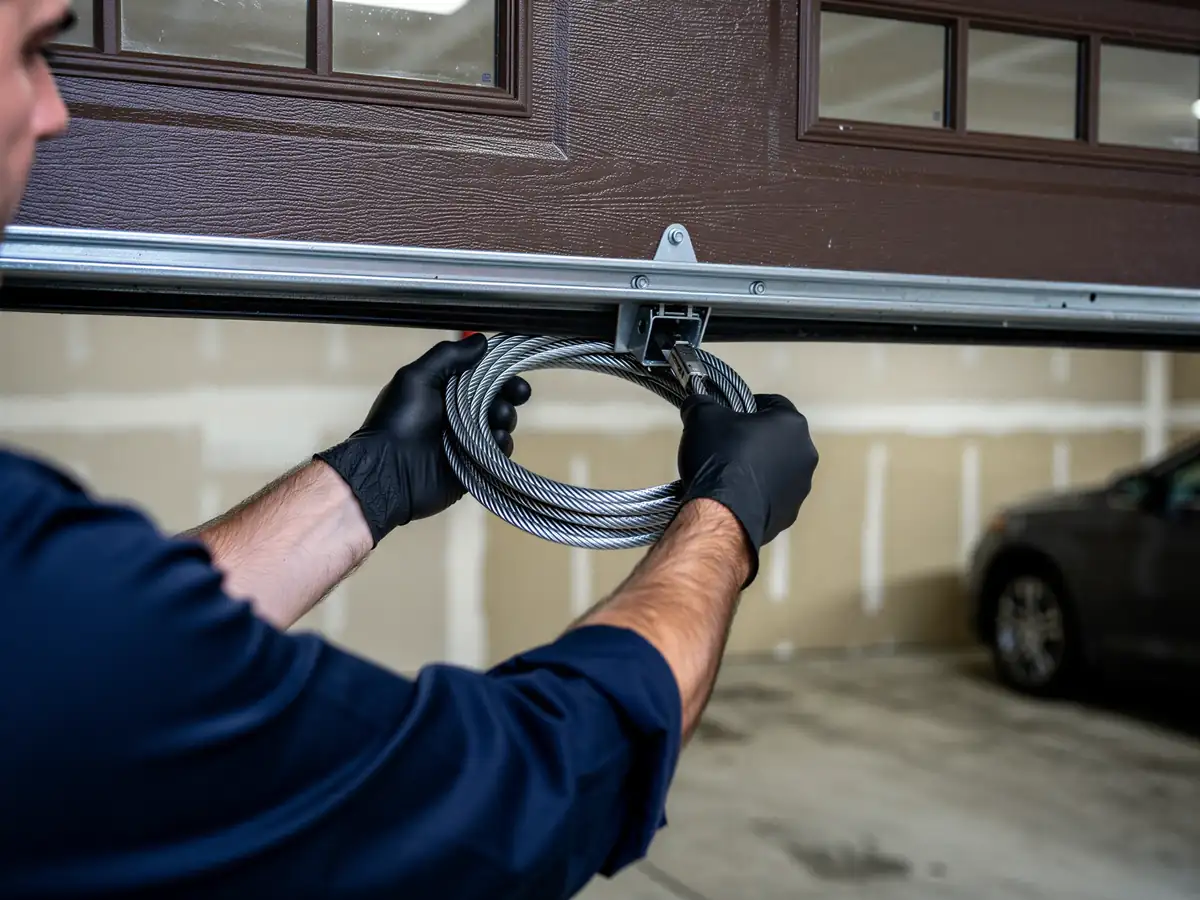
Is it the spring, the opener, or the track. A broken torsion spring on a double door is the most common emergency call we get, and it's a mechanical fix, not an electrical one - we unload the old spring, measure wire size and wind, and set a matched replacement so the door balances again instead of fighting the opener motor.
If the opener is dead but the door moves fine by hand, that's a different job
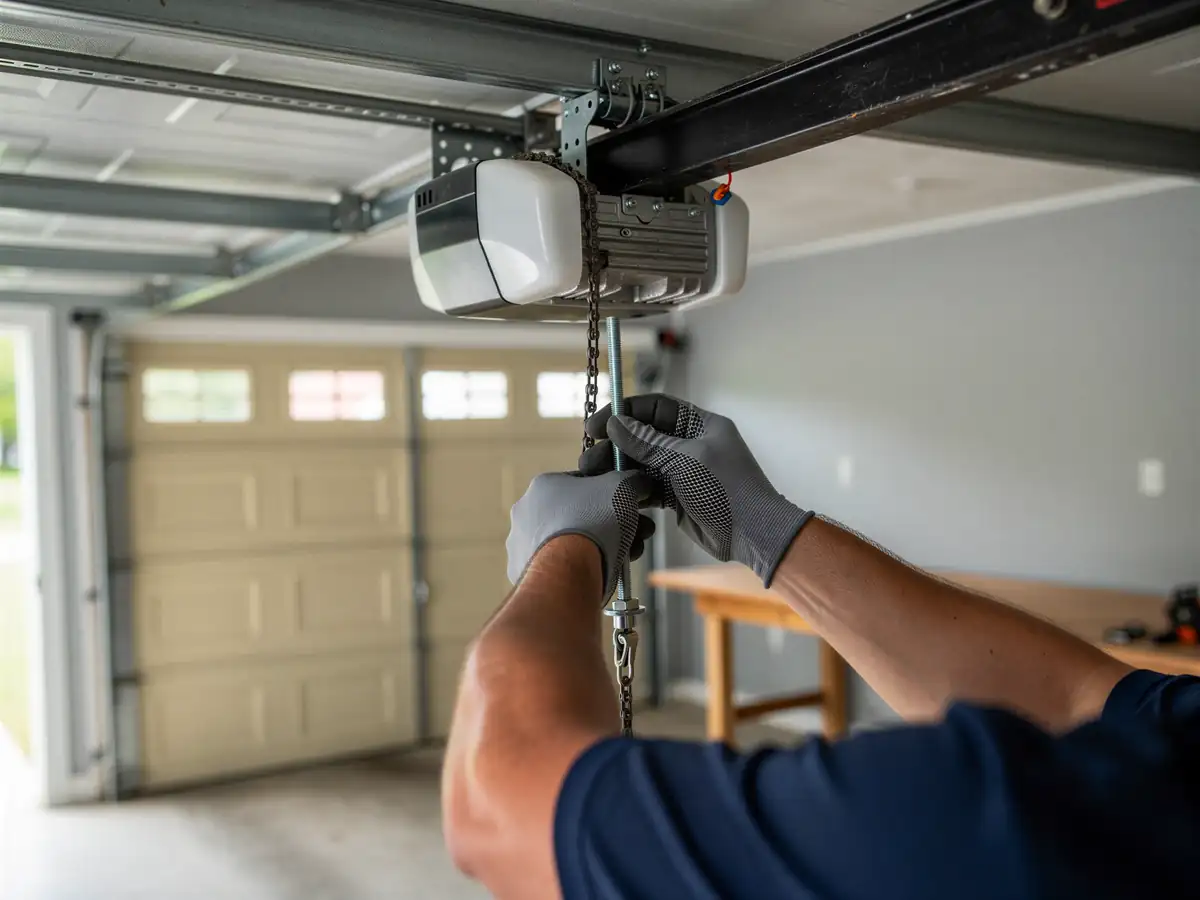
Usually the circuit board or the drive gear, not the whole unit. We don't replace an opener because it's convenient to sell one; we replace it when the part that failed isn't worth chasing anymore.
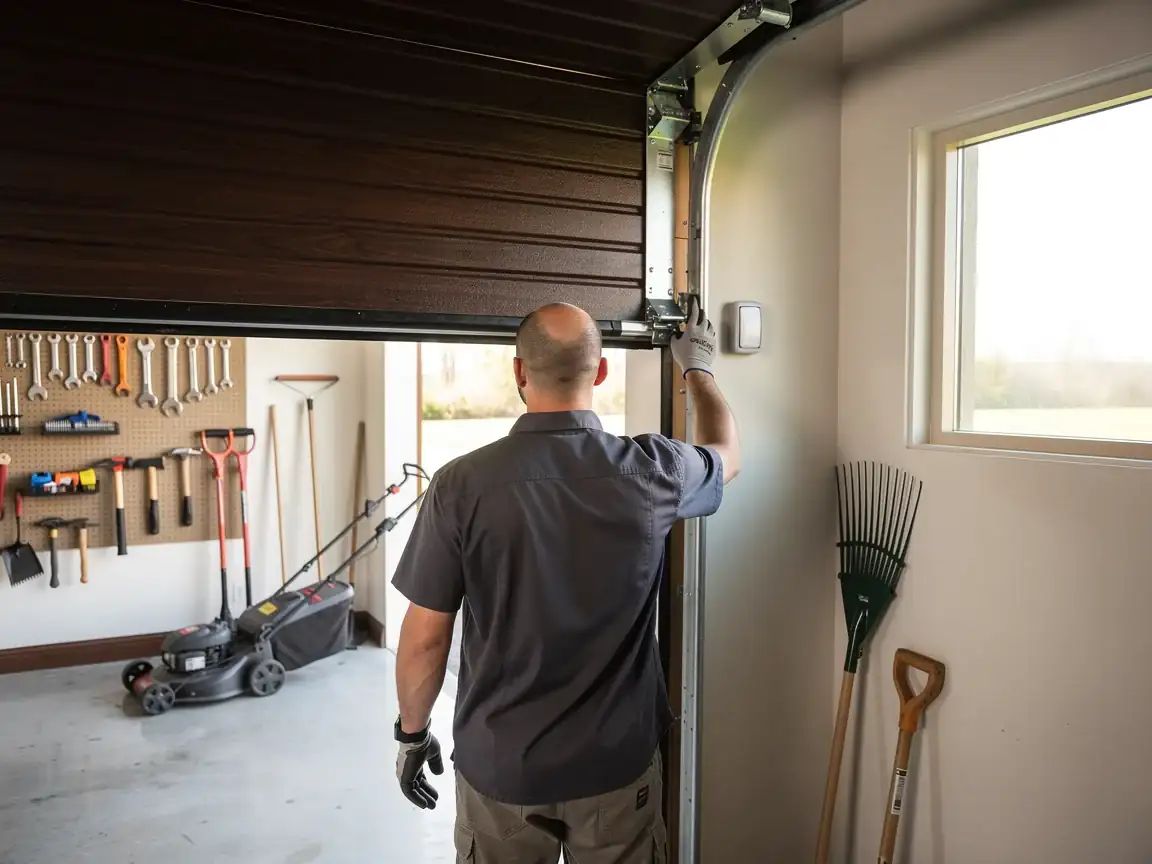
Track and roller failures show up as a door that binds partway up or drops off the rail entirely
That's a realignment job most of the time, not a new track, unless the rail itself is bent past the point of pulling straight.
Across the roughly 14,940 owner-occupied houses in this service area
These three failure types cover the large majority of the calls we take. We carry common spring sizes and standard opener parts on the truck because waiting on a special order isn't an option when a door is stuck open overnight.
- 14,940 owner-occupied
What You Are Seeing
A door that slams down the last two feet, a loud bang followed by the door refusing to open at all, or an opener that hums but the door doesn't budge - these are the three sounds and sights that bring in most emergency calls. The bang is almost always a torsion spring letting go. Once that spring is gone, the opener is trying to lift the full weight of the door alone, which it isn't built to do, and that's how you end up stripping the drive gear on top of the spring failure.
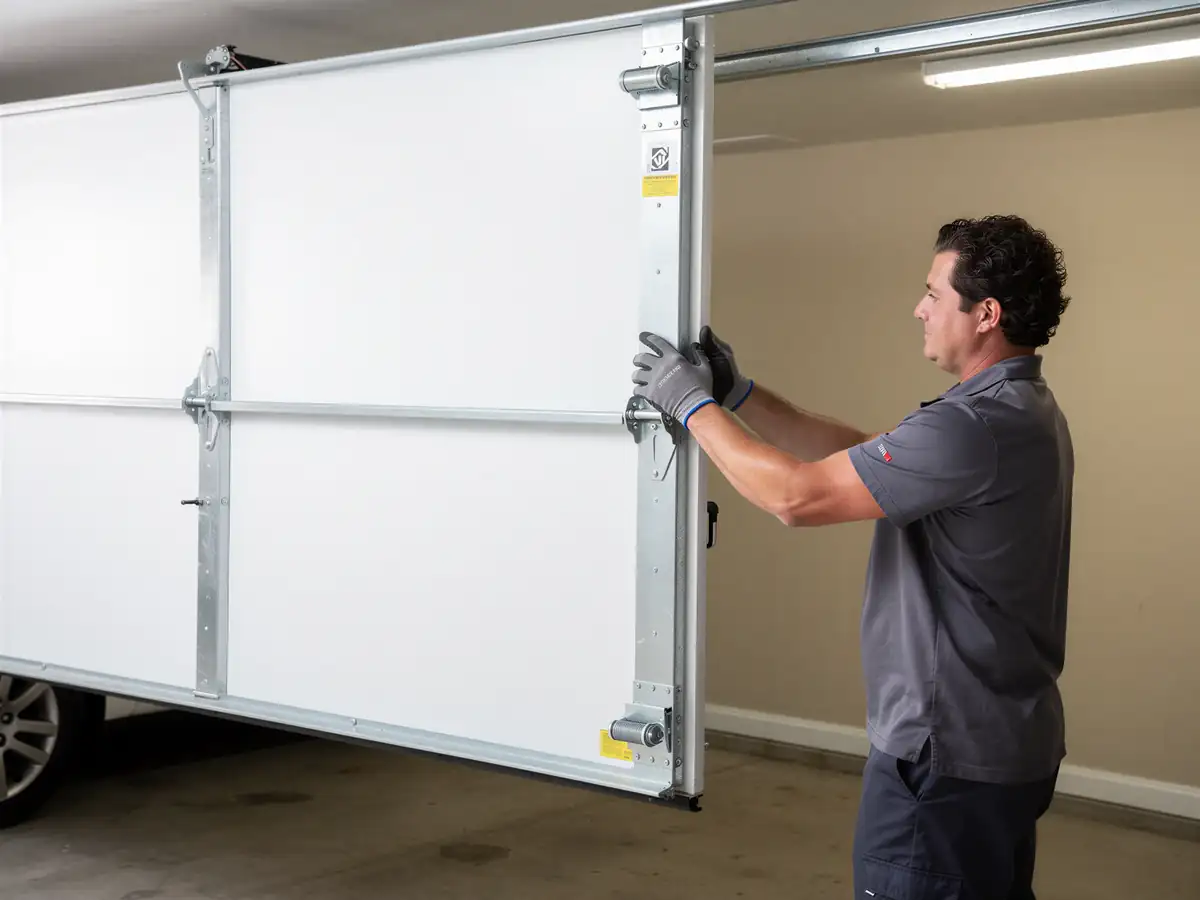
A door that's gone crooked, hanging lower on one side, points to a cable off its drum or a broken extension spring on one side of the track - not something to force with the opener, since running it that way can bend the track or tear the bottom bracket loose.
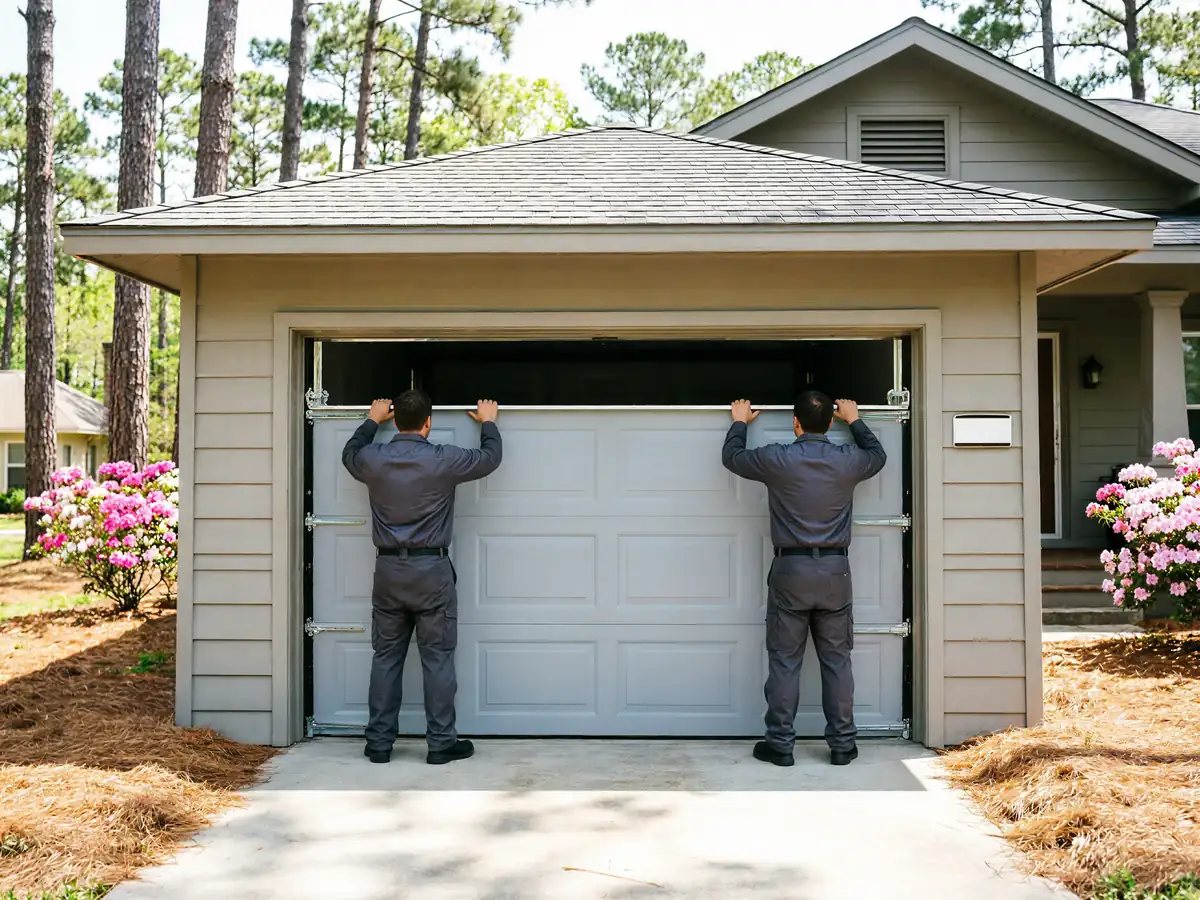
If the door moves a few inches and reverses, that's usually the safety sensors or a worn limit switch, not the spring system at all, and it's a shorter fix than the bang-and-stop failures. Knowing which of these you've got before we arrive helps us bring the right part the first time instead of a second trip.
Can You Do This Yourself
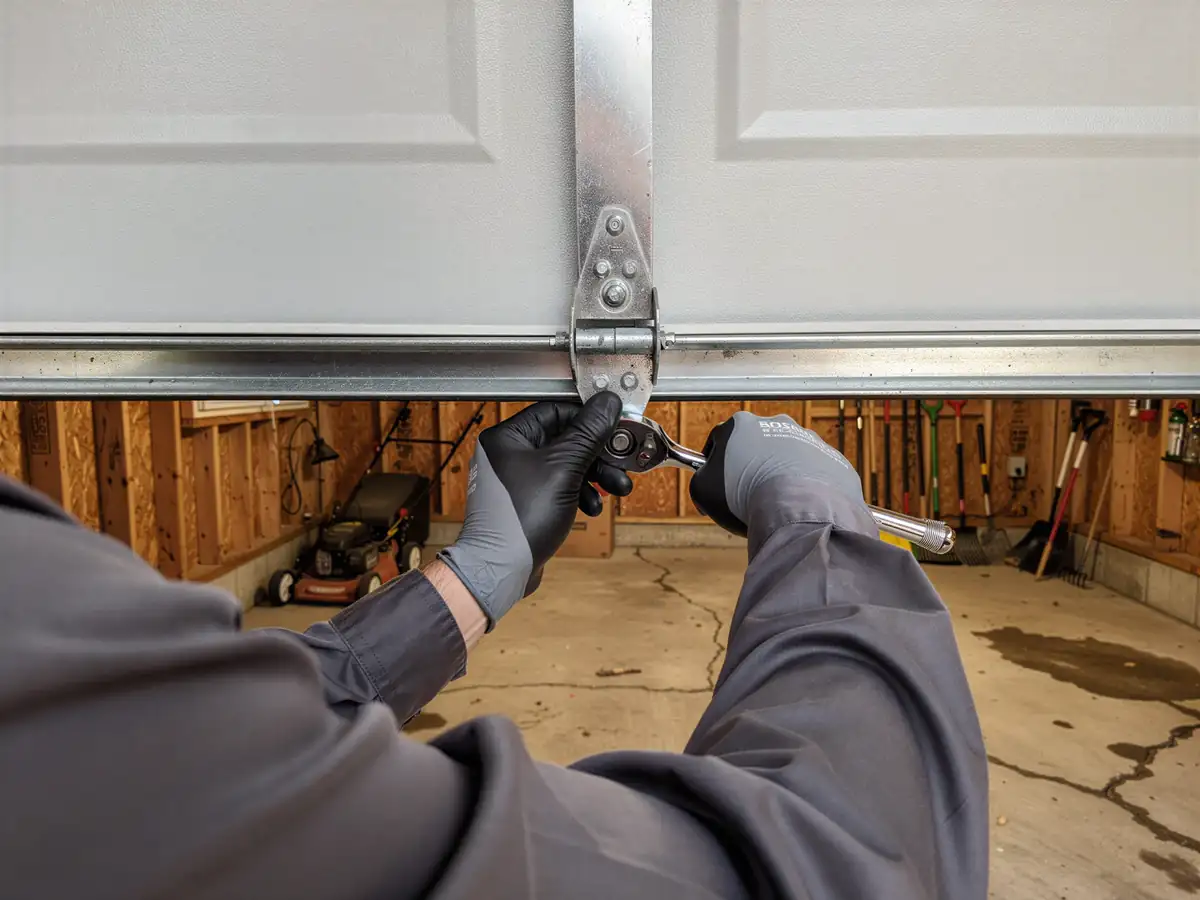
Some of this is reasonable to handle yourself. Realigning a photo-eye sensor that's knocked out of position, tightening loose hinge bolts, or lubricating hinges and rollers that have gone dry - these are fine weekend jobs and won't hurt anything if you get them wrong.
Torsion springs are not on that list. A torsion spring under tension holds enough stored energy to break a bone or worse if the winding bars slip, and we won't walk a homeowner through it over the phone. That's the one limitation we're upfront about: if your call is about a broken spring, our answer is always going to be