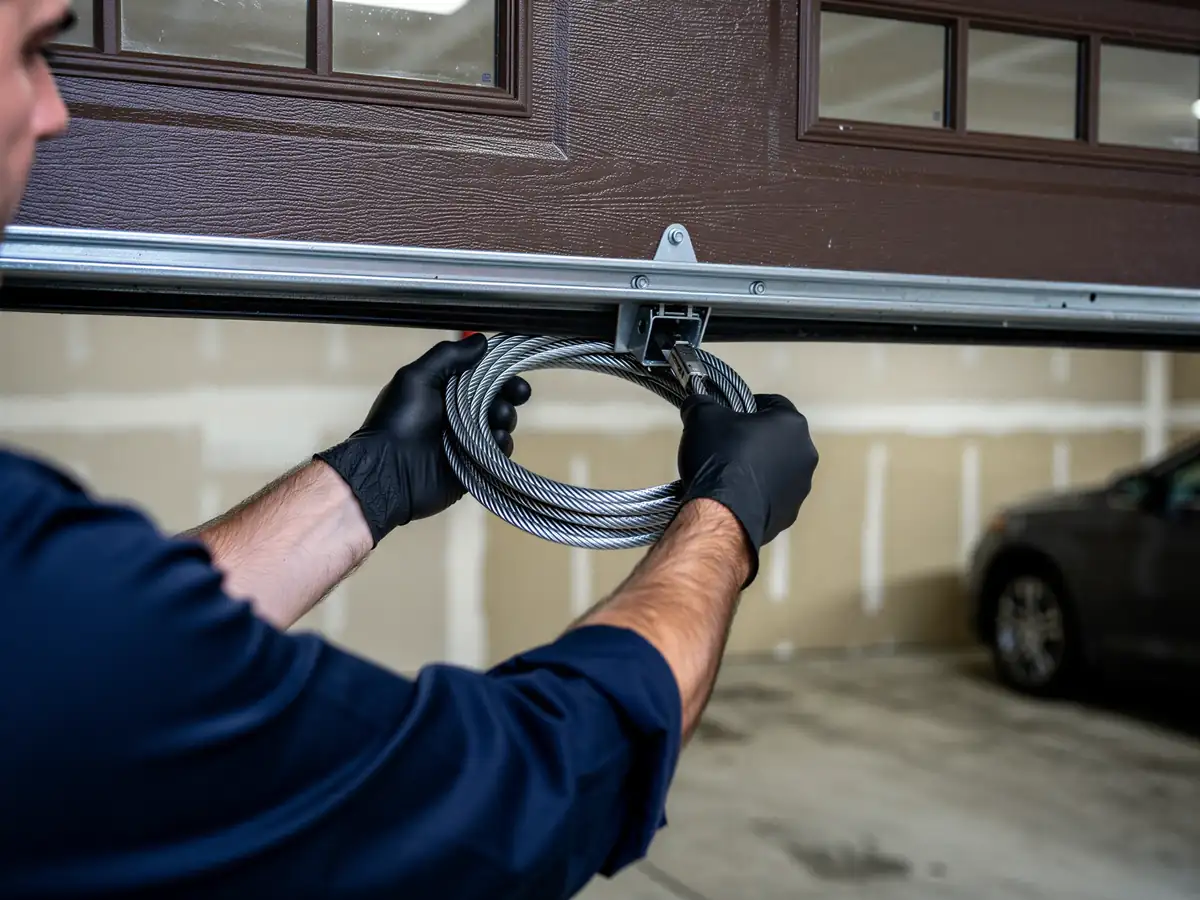
How We Fix It
A broken or fraying lift cable isn't something you tape or splice
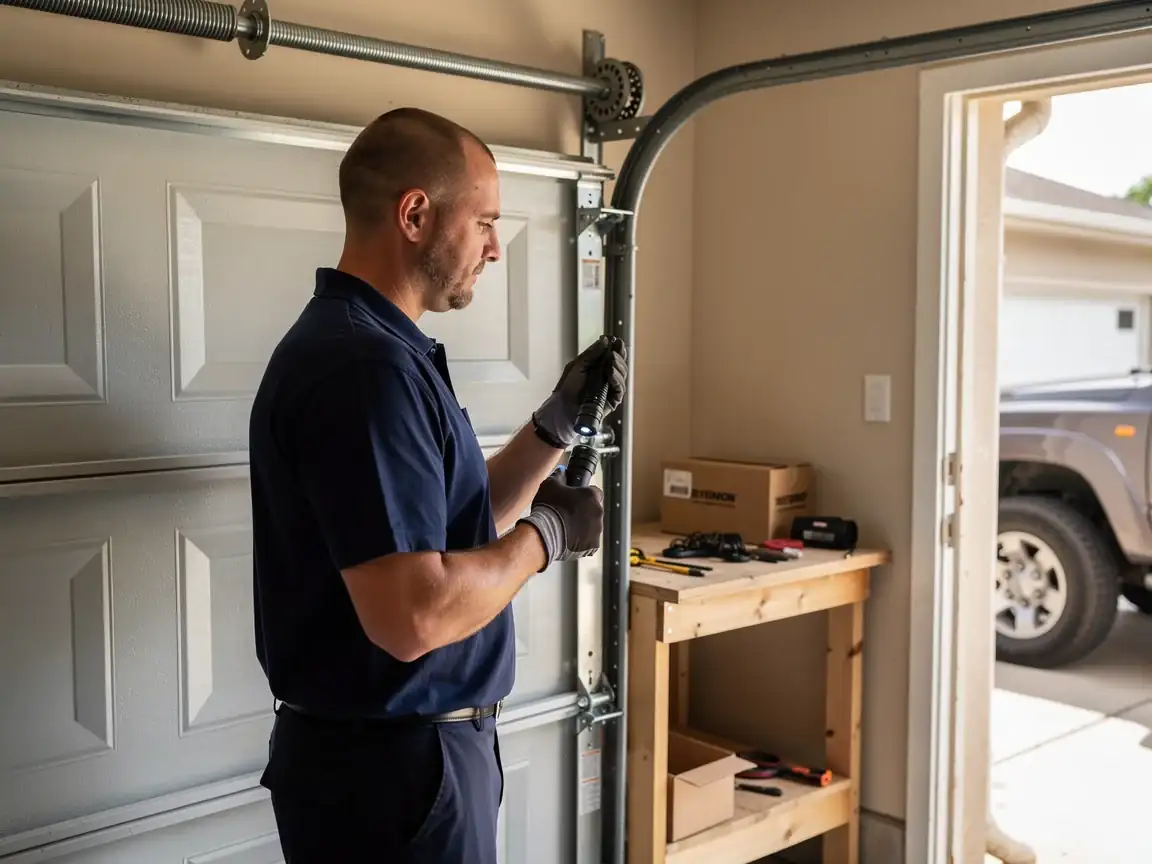
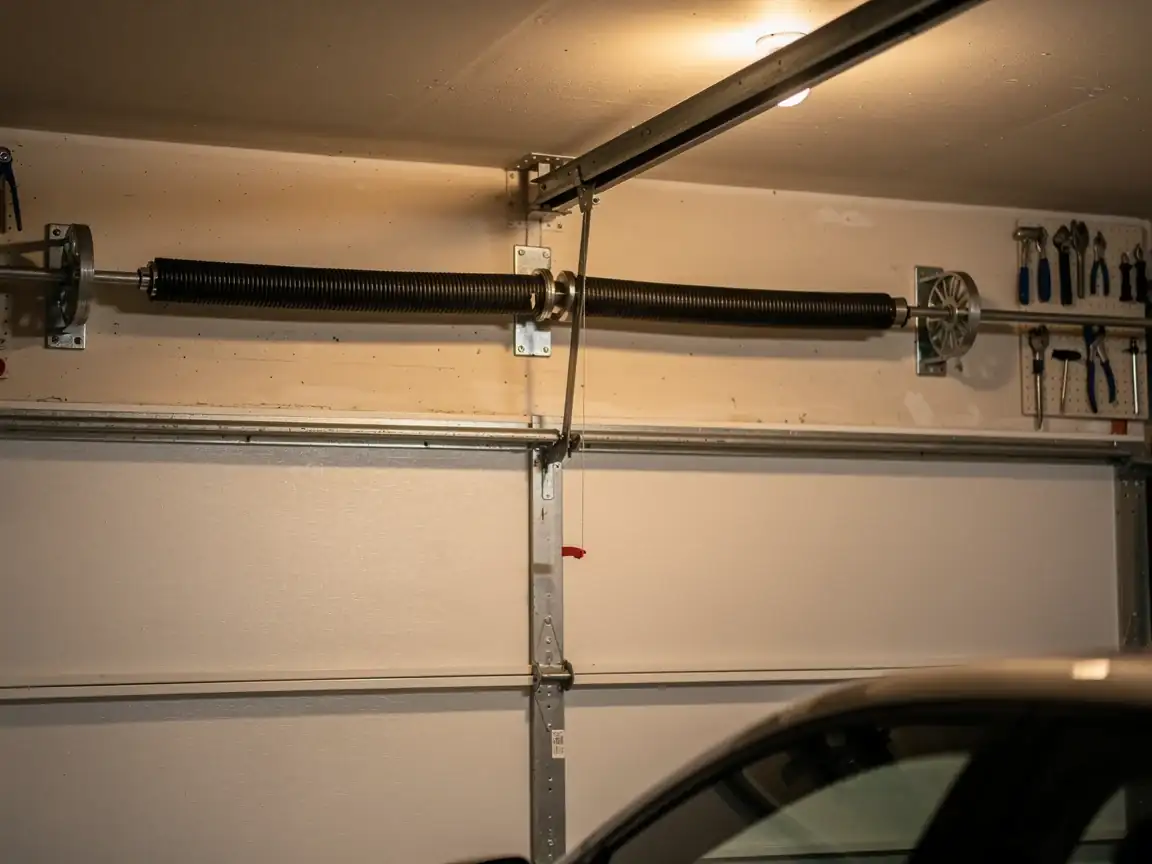
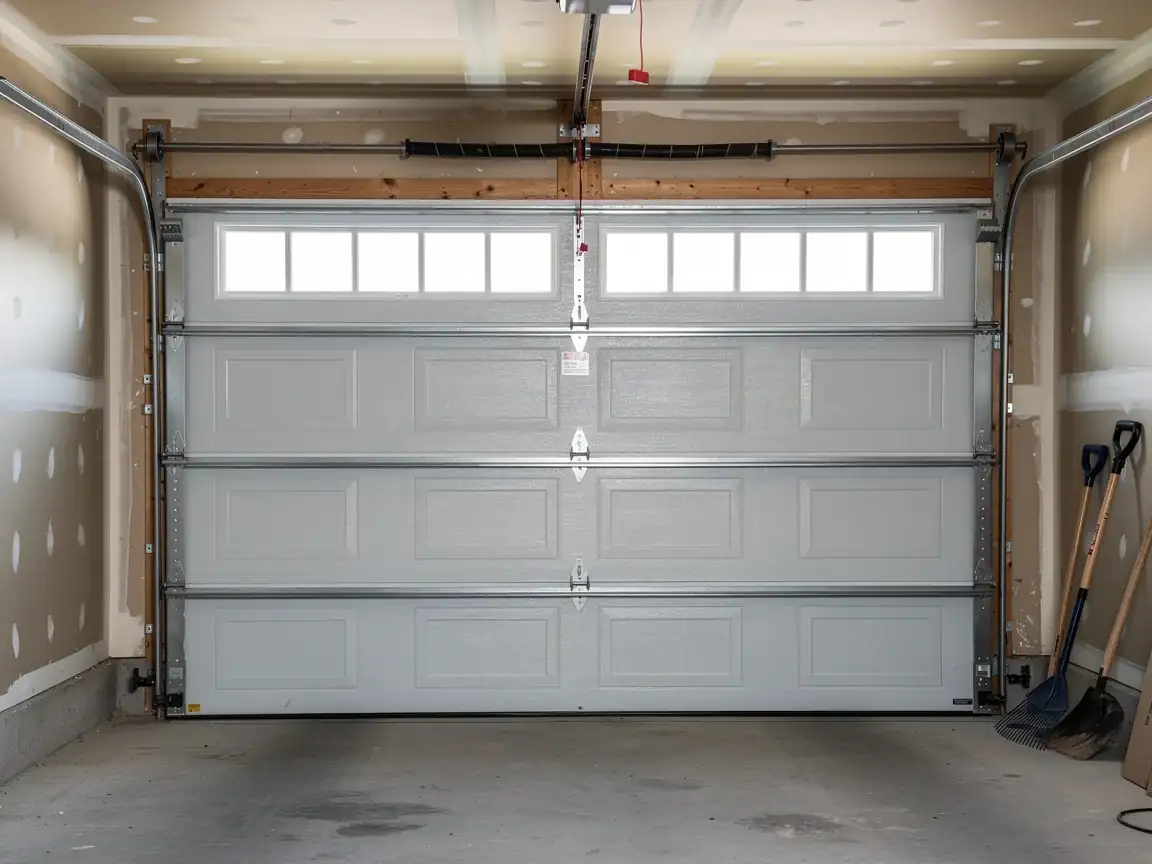
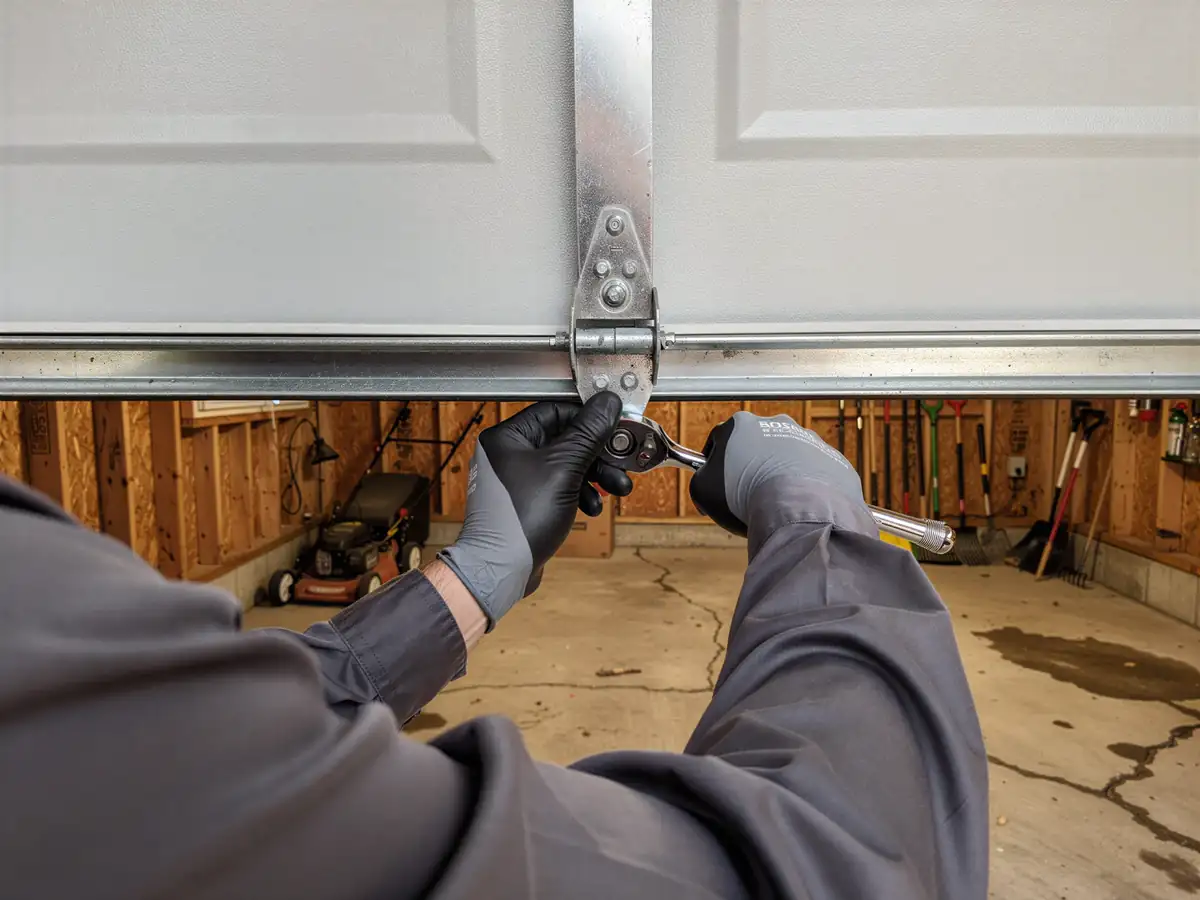
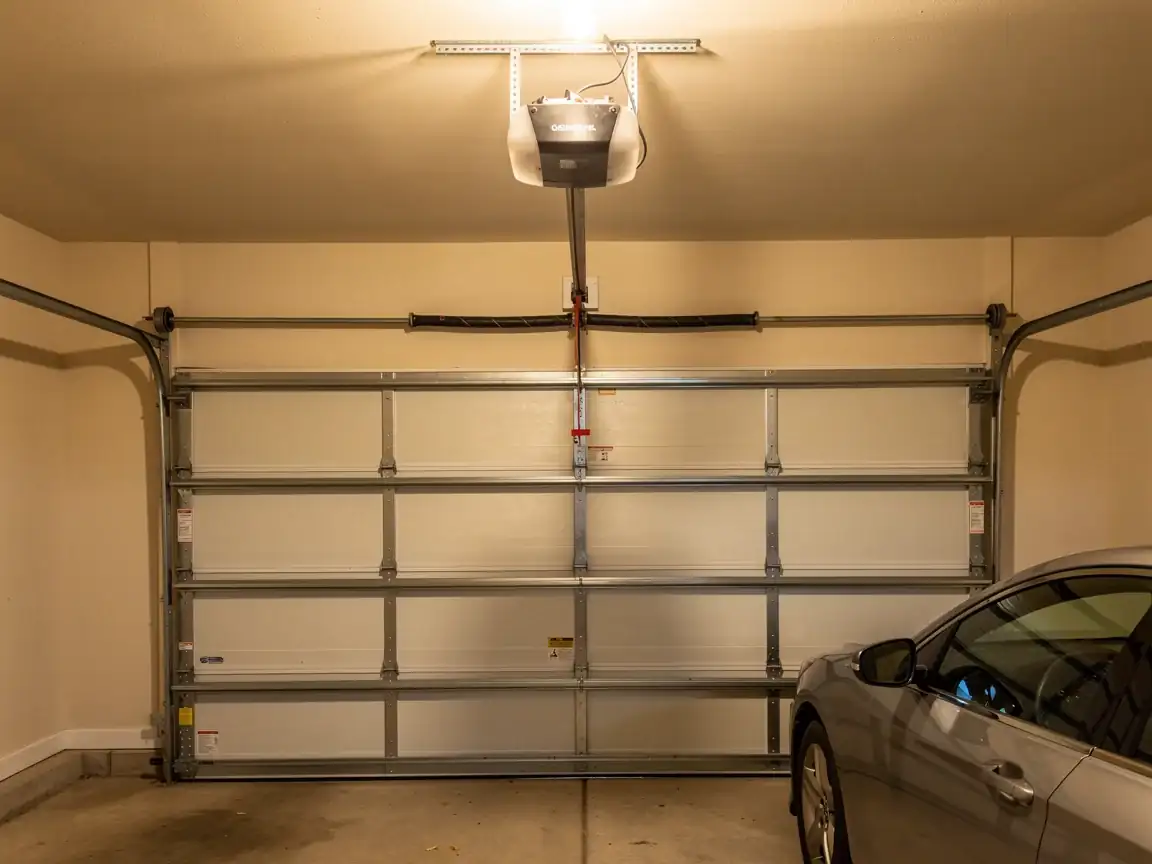
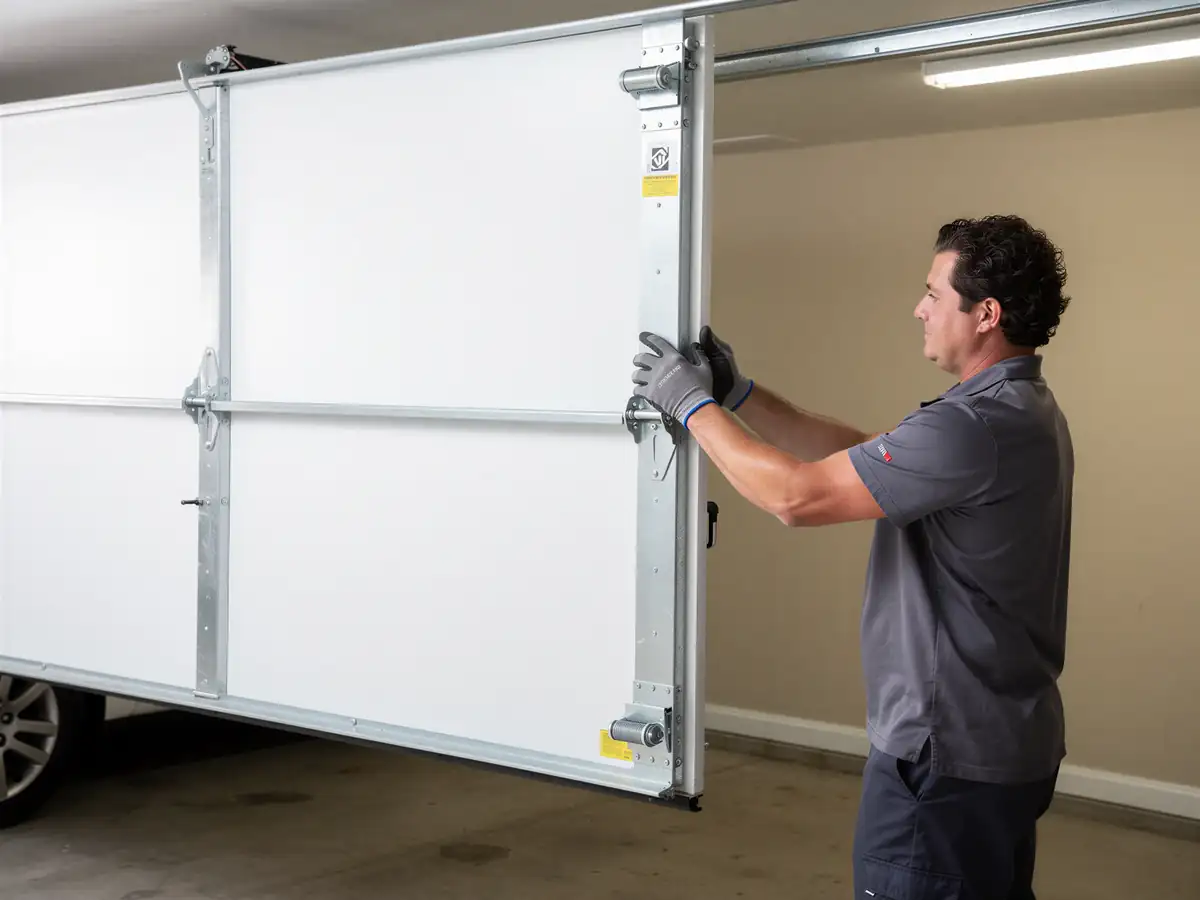
We pull the old cable off the drum, check the drum and the opposite cable for wear, and run a matched pair so the door tracks even on both sides. On a door with a worn torsion spring system, we check spring tension at the same time, because a cable that's been carrying uneven load from a tired spring will fail again in months if we only swap the cable and walk away.
Most of the doors we're called out to in this area are on steel tracks with galvanized aircraft cable
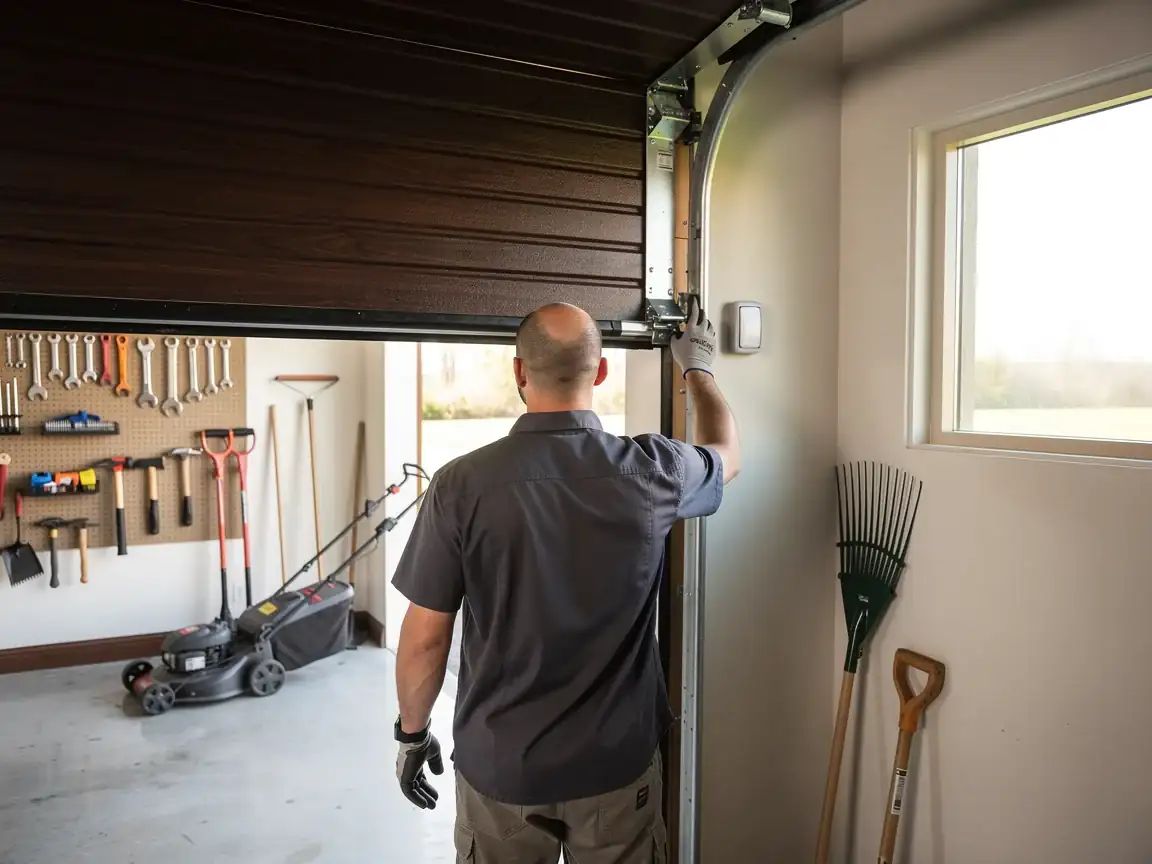
Sized for the door weight and drum diameter the manufacturer specified when the house was built. We carry stock sizes that match the 1980s-2000s production runs common across this service area, so most jobs are a same-visit fix. Where a track has rusted or bent from the cable jumping the drum, we straighten or replace that section before we restring, otherwise the new cable wears the same way the old one did.
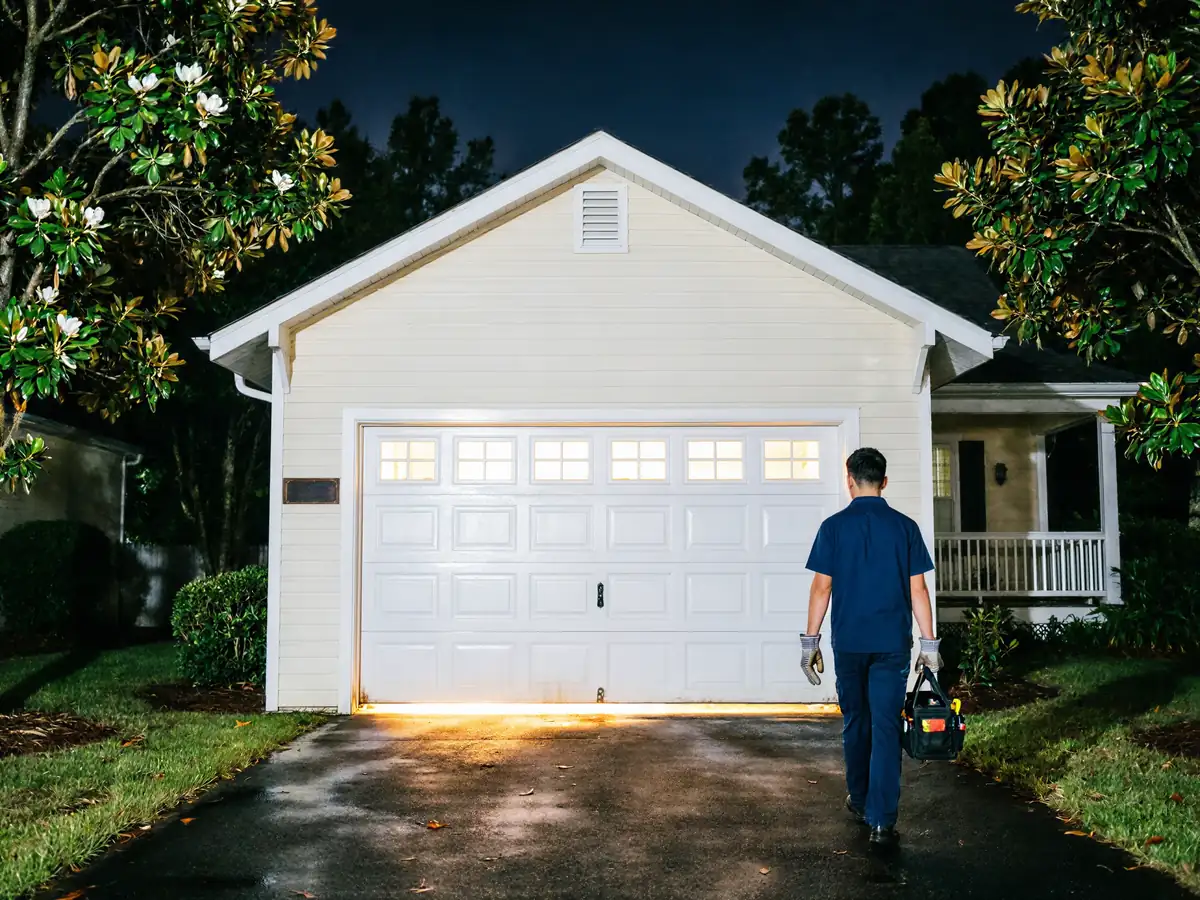
We test the door through a full open-close cycle under load before we call the job done
Not just a quick bounce by hand.
What You Are Seeing
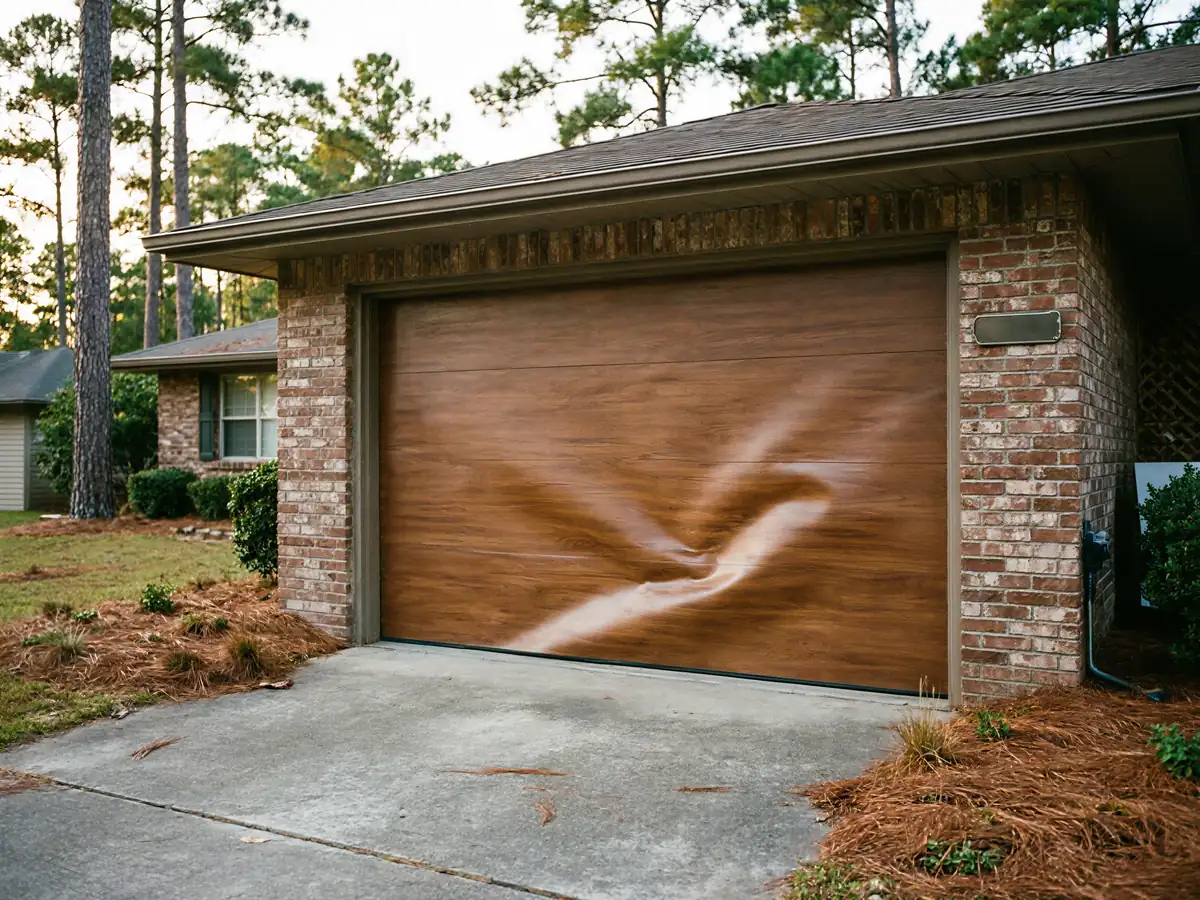
A cable failure rarely happens quiet. The door drops on one side, hangs crooked in the opening, or comes down with a bang and won't lift past a foot or two. Sometimes you'll see the cable itself - frayed strands poking out near the bottom bracket or the drum - before it lets go completely. Other times the first sign is a door that looks fine sitting closed but grinds or catches partway through a cycle.
If the door is stuck halfway and the opener motor is straining against it, stop. That's load going somewhere it shouldn't, usually into the opener's gears or the remaining good cable. A door with one snapped cable is still under spring tension on the other side, and that stored energy doesn't care whether you meant to touch it.
Can You Do This Yourself
We'll say it plain: this isn't a YouTube Saturday project, and we're not going to pretend otherwise to sound humble. A torsion spring and a loaded cable drum can put several hundred pounds of force through a tool in your hand if something slips. We've seen the clamp marks on doors where someone tried.
What you can safely do yourself is diagnose. Look at the cable for fraying, check whether the door is sitting level in the track, and listen for grinding at the drum when it moves. If you catch a cable going before it snaps, that's a cheaper, calmer repair than an emergency call after it lets go and the door's weight is sitting on the floor or the opener arm.
What we don't recommend, ever, is releasing spring tension or pulling a drum yourself to get at the cable. That's the part of the job that hurts people, and it's the part where a repair done wrong costs more than the original failure.
Why This Fails Locally
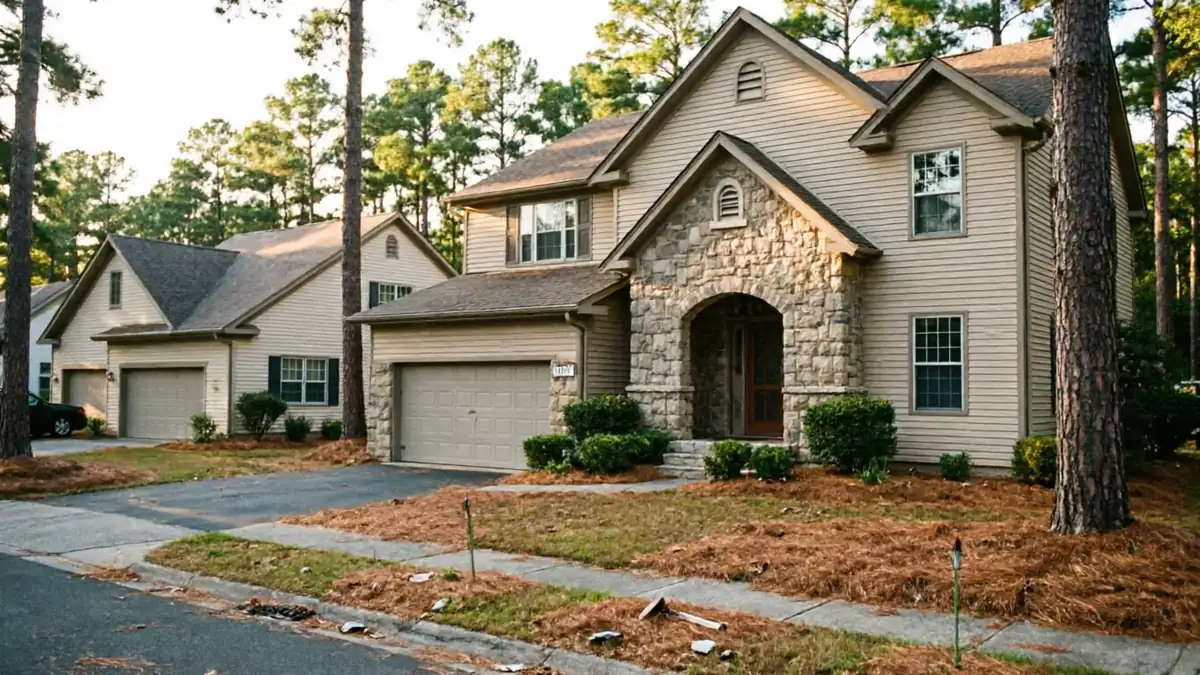
A lot of garage doors across this service area went up during a long building run from 1968 into the 2010s
With the bulk of the stock dating to the 1980s and 90s. That means a large share of the cable and drum hardware out there is thirty-plus years old, running on galvanized cable that wasn't built to last forever and rarely gets looked at until it fails.
The cold-moderate climate here matters more than people expect
Cable doesn't like repeated swings between damp, humid stretches and hard cold snaps - moisture gets into the strands, a freeze stiffens the coating, and the cable starts shedding wire one strand at a time. On an attached garage with no insulation, that swing happens right at the drum and bracket, which is exactly where we find the fraying.
With roughly 15,000 owner-occupied houses in this service area carrying that same housing-age profile
Cable wear isn't a fluke on any one street - it's the predictable result of hardware from one era meeting a climate that works metal fatigue harder than a mild coastal zone would.
- 15,000 owner-occupied