What Most People Get Wrong
Most owners around here think a broken spring means something went wrong with their door
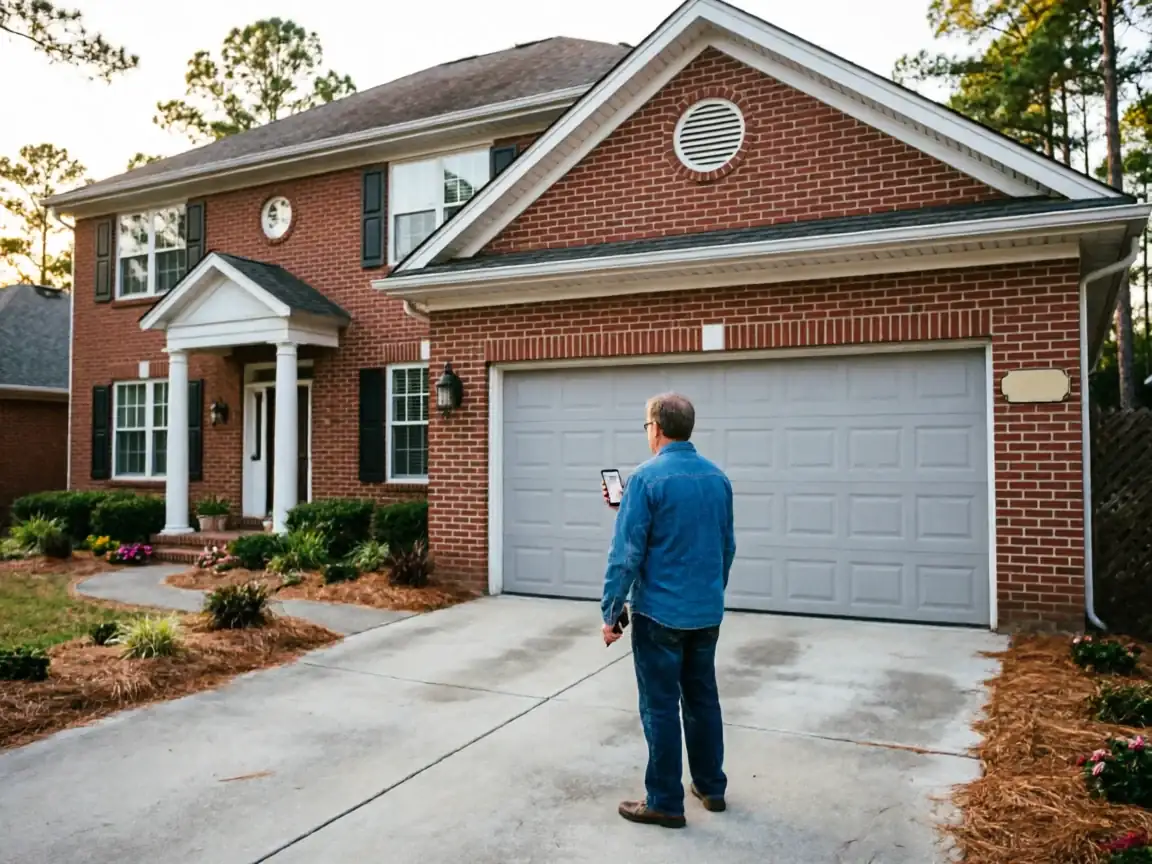
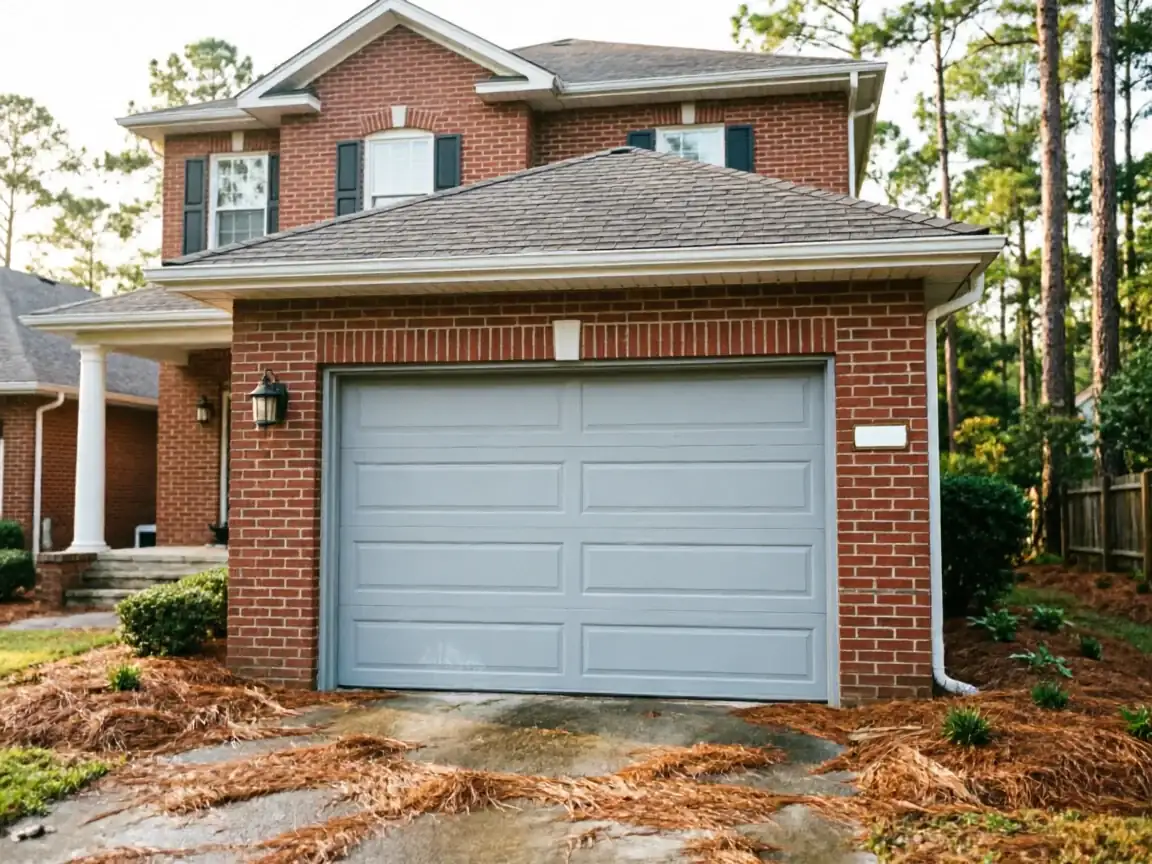
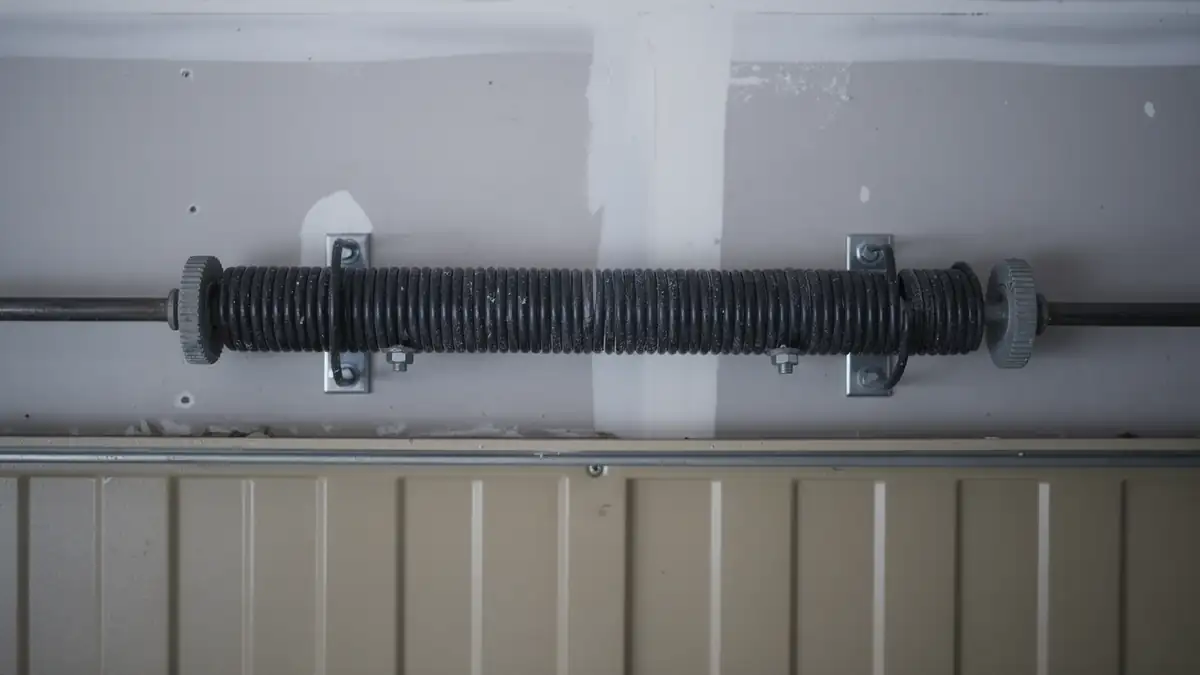
It usually doesn't. Across the service area, the bulk of houses were built between 1968 and 2013, with a median build year of 1985, and most of the ten named areas we cover are dominated by 1980s and 90s construction. A torsion spring on a door that age isn't failing early - it's failing on schedule. Steel fatigues with cycle count, and a spring installed when a house was built in the mid-80s has had three or four decades of cycles to use up.
The other thing people get wrong is assuming a bigger, stronger spring fixes the problem
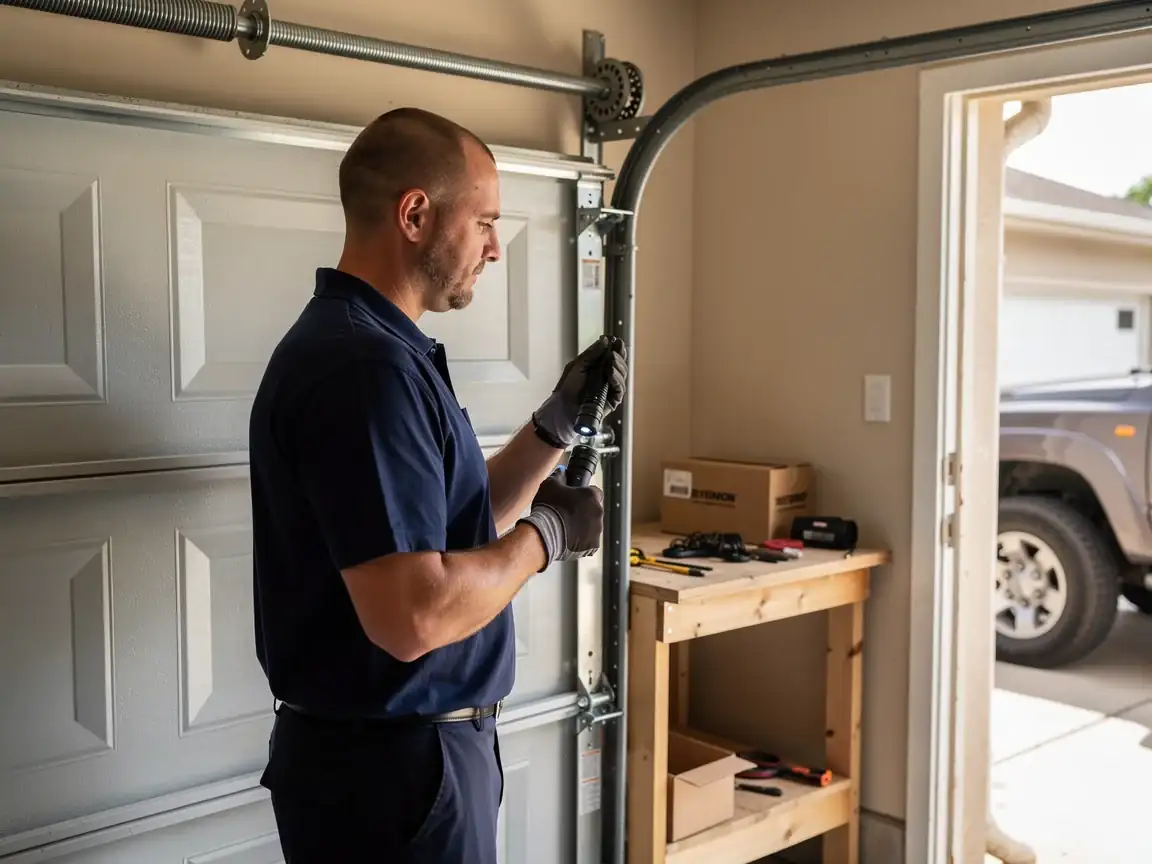
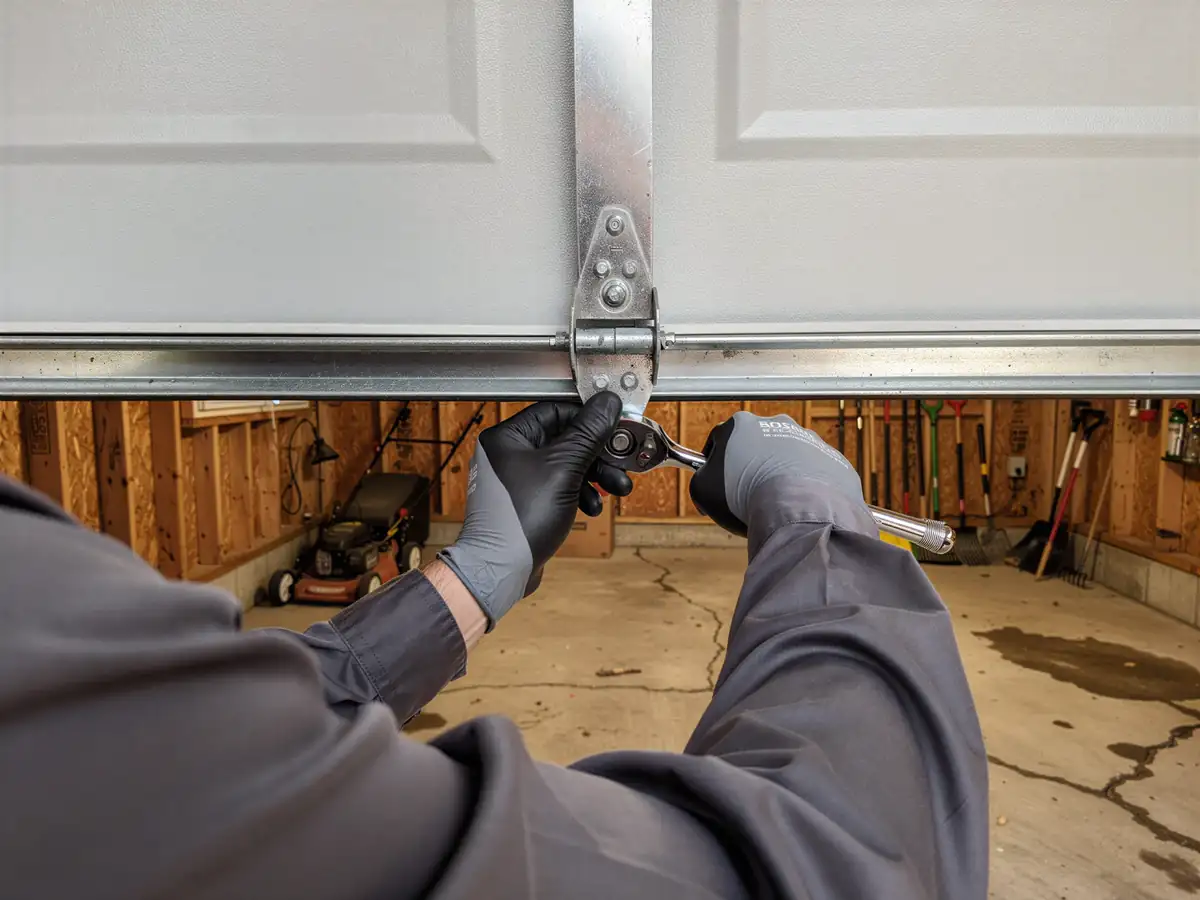
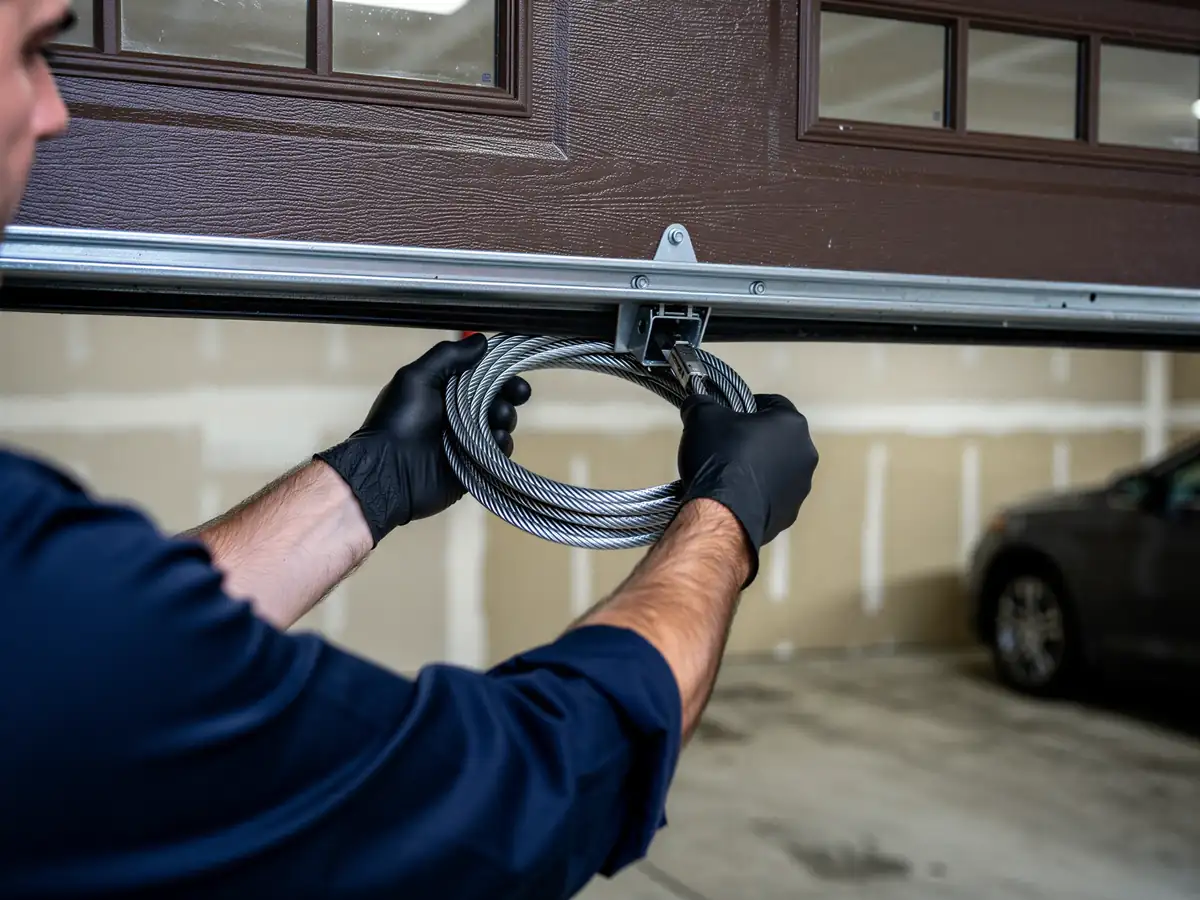
It doesn't. The spring has to match the door weight and the drum size on that specific installation, and on a lot of the original setups from this era, the hardware was sized for a lighter door than what's on the track now if the door's ever been swapped. Guessing at spring size on a torsion system is how people end up with a door that slams down instead of lowering, or a cable that jumps the drum. If your door is from the original build, that's worth knowing before anyone touches the spring.
How Local Conditions Play In
Clayton sits in a cold-moderate climate band, and that matters more for a garage door than most people expect. Steel contracts in the cold, and a torsion spring that's already near the end of its cycle life loses tension faster when the metal is cold. That's a different failure pattern than you'd see somewhere with a mild winter - the spring doesn't just wear out, it loses coil tension on the cold mornings and then lets go without much warning.
With roughly 14,940 owner-occupied houses among 30,812 households in the area, a good number of the doors we're called on are original equipment tied to that 1985 median build year, which means they're carrying both the age problem and the cold-cycle problem at the same time. If your door has gotten noticeably harder to lift by hand on cold mornings compared to summer, that's not your imagination - that's the spring telling you where it is in its life.
What Changes With the Season
Nothing about the door changes between summer and winter except the steel in it. In the cold-moderate band here, the shift isn't dramatic like it would be further north, but it's enough to matter on a spring that's already marginal. A spring that was getting by in August can bind up or snap outright once overnight temperatures drop and stay down for a stretch.
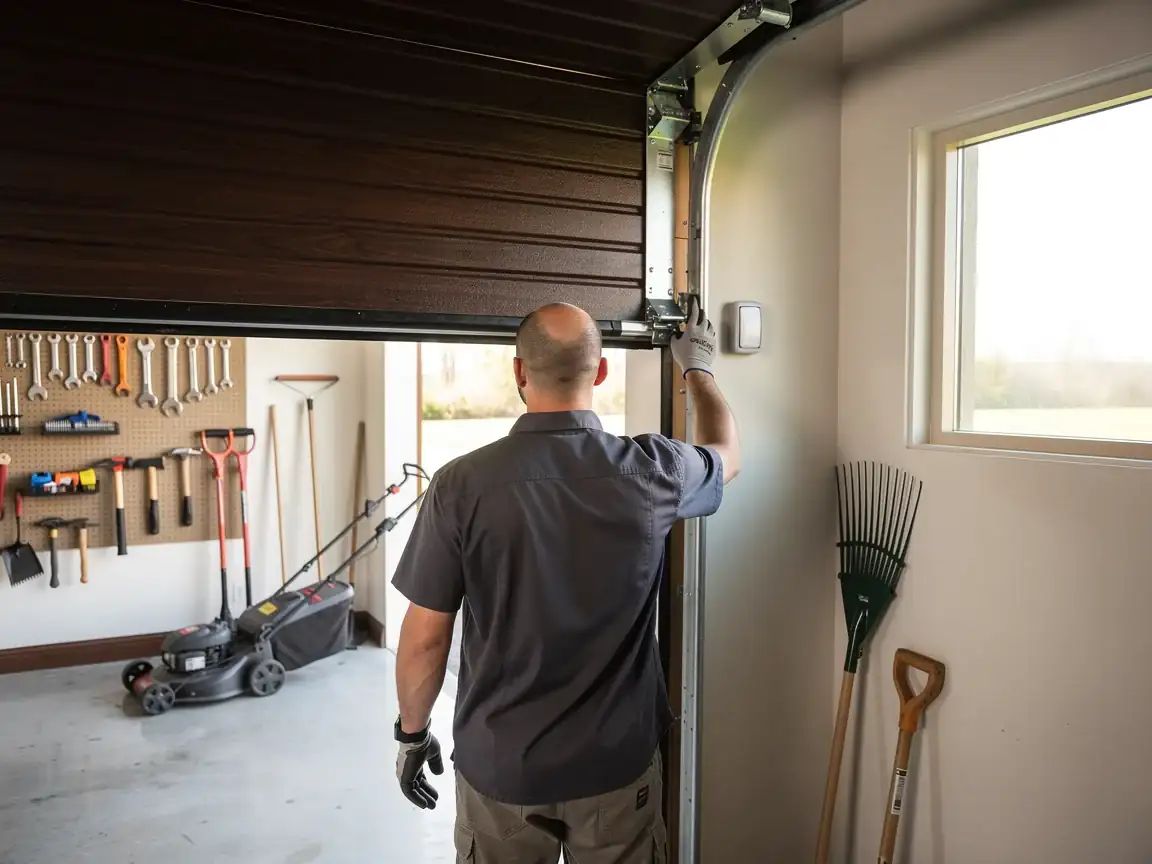
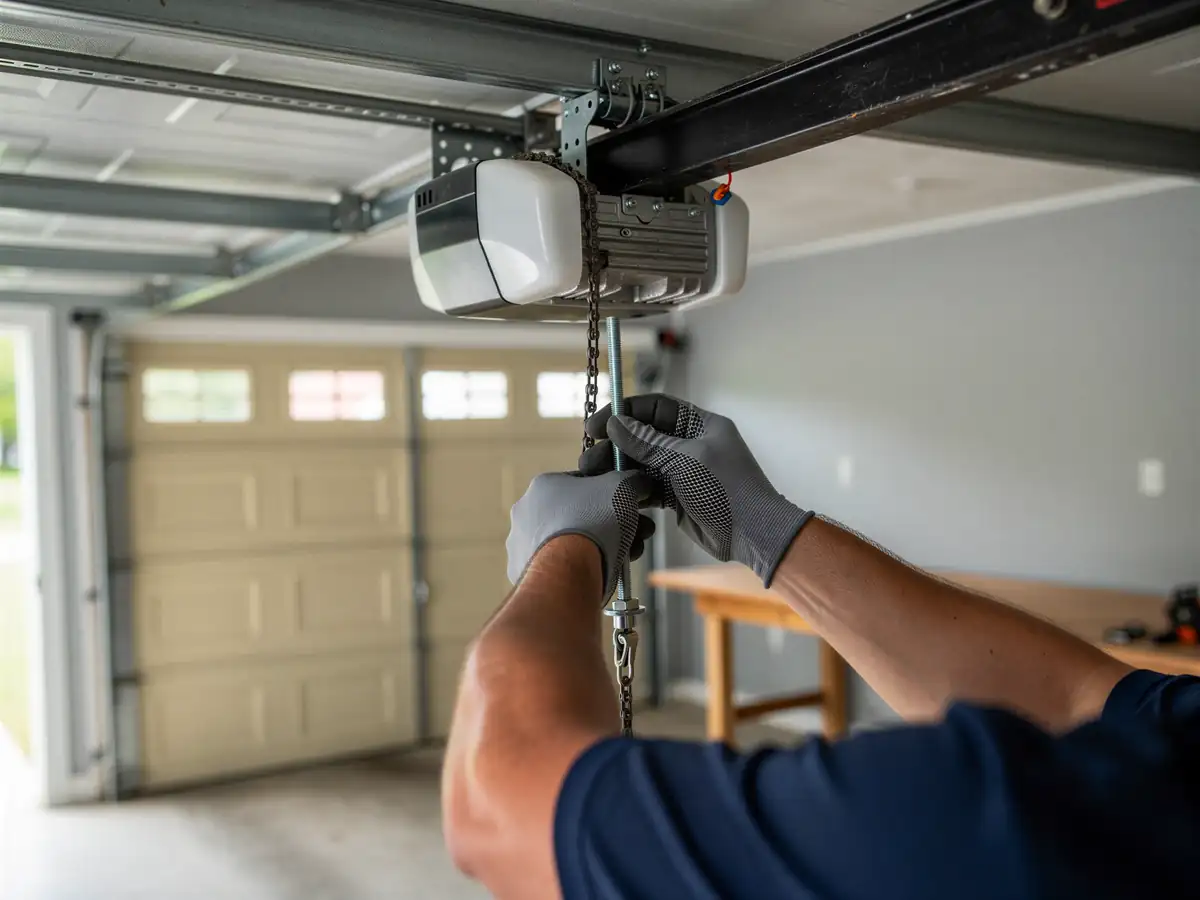
This is also when openers show their age. A chain-drive opener installed alongside a house built in the 1980s or 90s has motor gears and a chain that have had thirty-plus years to wear, and cold grease in the gearbox makes the motor work harder on the first lift of the day. We see more opener calls and more spring calls in the colder stretch of the year, and on older stock it's often both at once - the opener straining against a spring that's no longer pulling its share of the door's weight.
The Problem
The real problem isn't any single broken part
It's that a large share of the doors in this area are original to houses built in the median year of 1985, and nobody tracks spring life the way they track, say, a roof or a water heater. A spring doesn't fail and get replaced on a predictable schedule - it fails when it fails, usually on a cold morning, usually without warning.
Honest limitation here
We can't tell you how many cycles are left in a spring just by looking at it. Spring life depends on door weight, balance, and how many times a day it's used, and none of that is visible from the driveway. What we can tell you is that on a door this age, in this climate, if the spring hasn't been replaced since the house was built, it's closer to the end than the beginning. A full door replacement is sometimes the better call if the track, rollers, and panels are all original and worn together - fixing one part on a door that's failing everywhere else is just delaying the next call.