What Most People Get Wrong
The biggest mistake we see is treating every garage door problem the same way
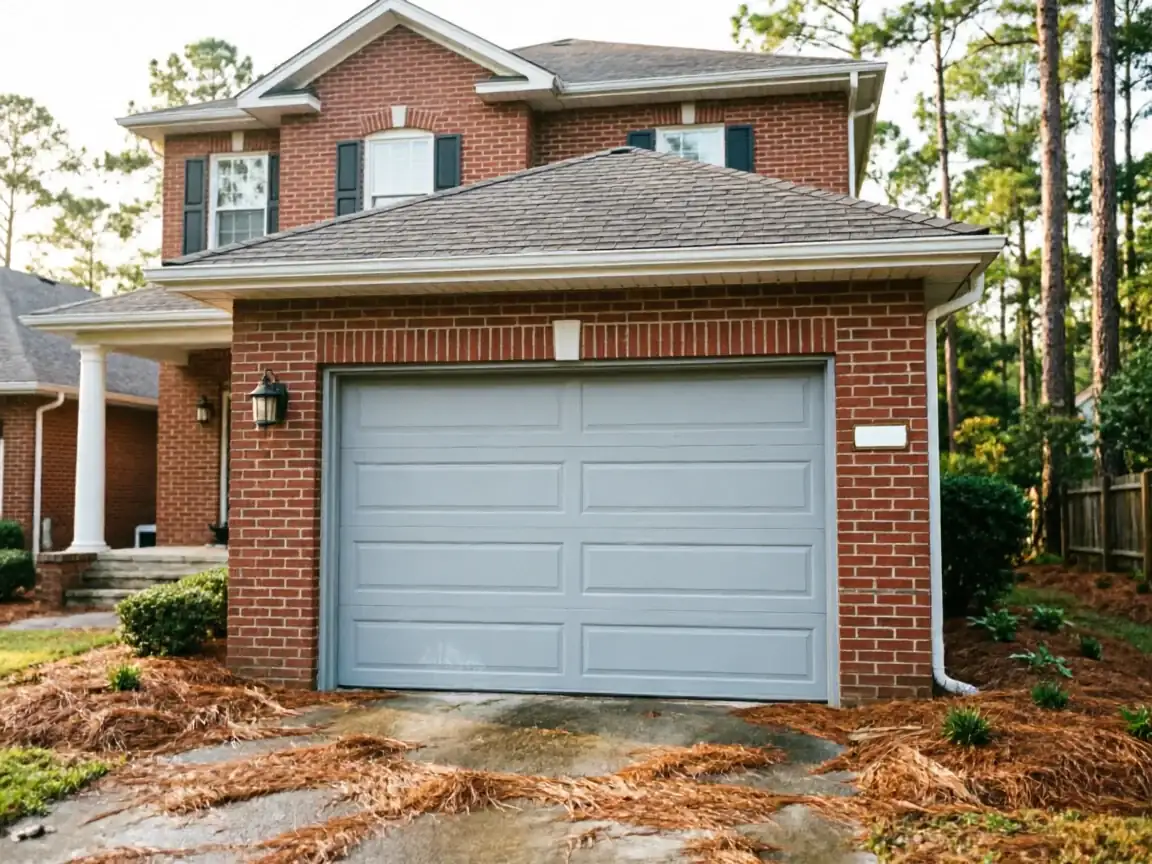
Regardless of the door's age. In Clayton, most houses were built between 1968 and 2013, with the median landing around 1985. That means a lot of doors out there are pushing 30, even 40 years old, and the hardware on them was never meant to be swapped piece by piece forever.
- 40 years
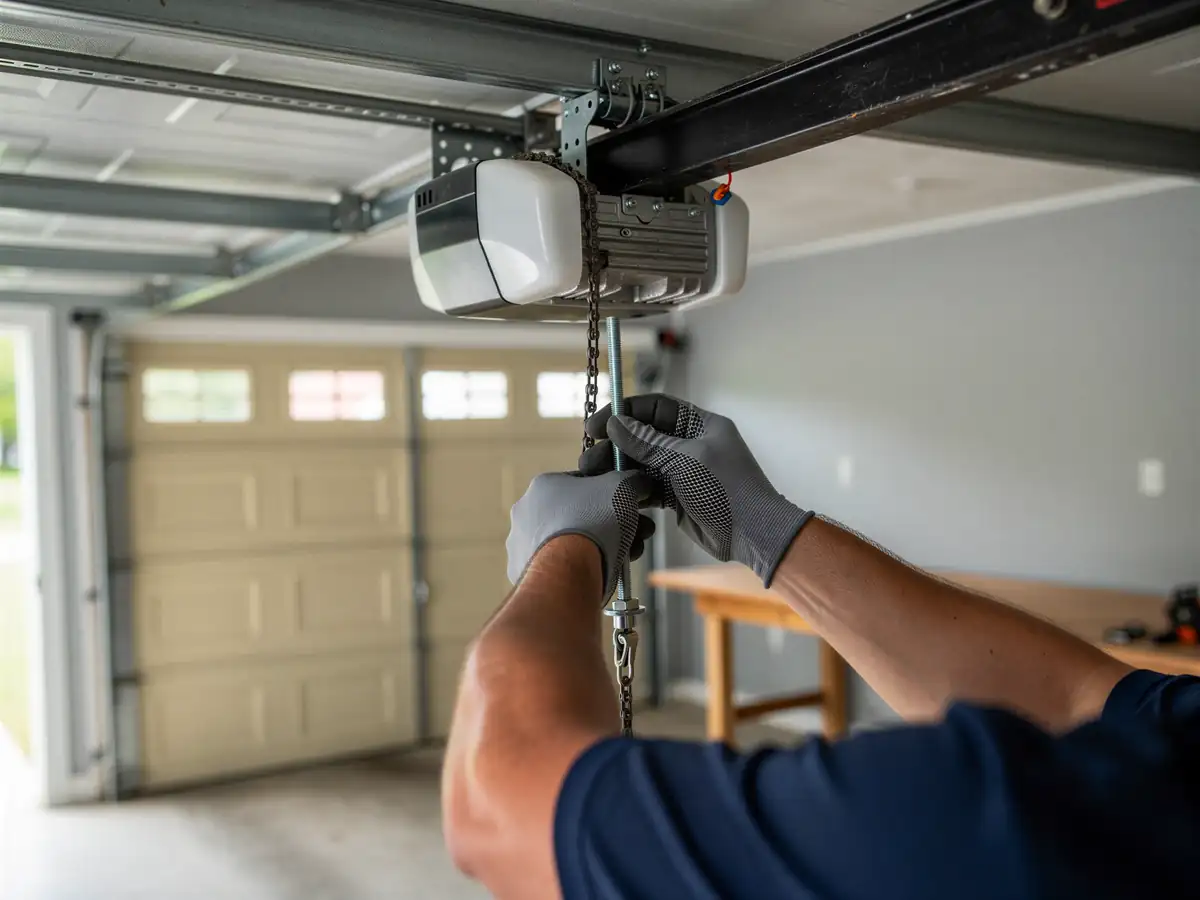
People call wanting a new opener bolted onto a door frame that's already sagging
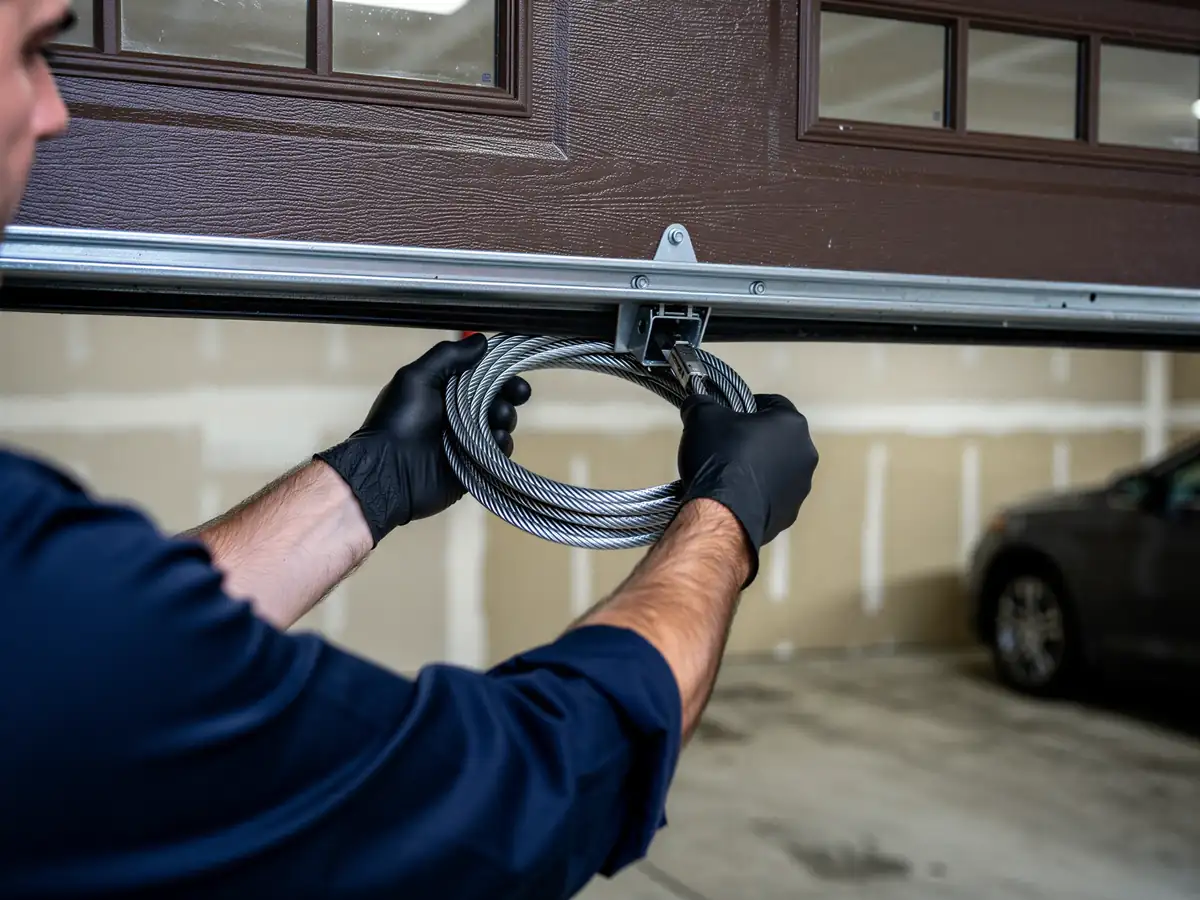
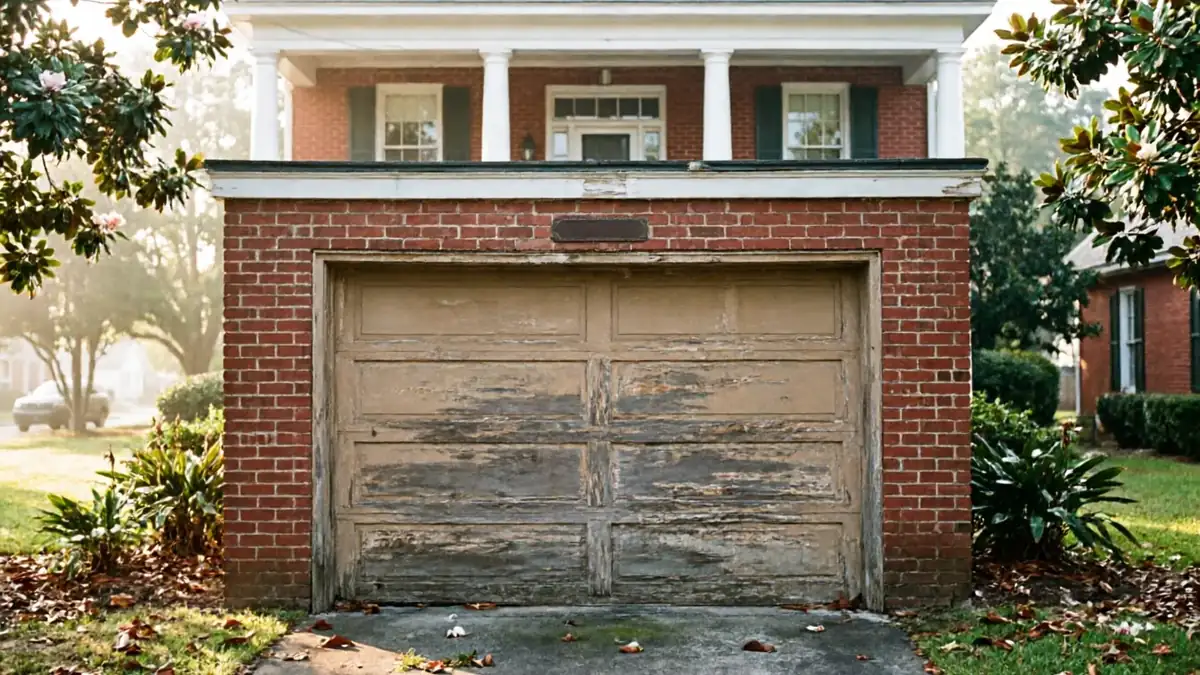
Or a new spring set on a track that's bent past true. That's money spent on a door that's going to keep giving trouble no matter what you fix on it. The call to make isn't "what's broken" - it's "how much of the original door is still straight and square." A door built in the mid-80s that's been kept dry and lubed can still be worth fixing. One that's been fighting humidity and temperature swings for 35 years with no maintenance usually isn't.
- 35 years
We'll tell you straight if a repair is throwing good money after bad
It's not in anyone's interest, including ours, to patch a door for the third time in two years.
How Local Conditions Play In
Clayton and the surrounding area - sit in a cold-moderate climate band, not the deep freeze you'd get further inland or north, but enough seasonal swing to matter. That band means real freeze-thaw cycles each winter, paired with humid summers. Steel doors expand and contract with that swing every year, and the fasteners and track brackets loosen slightly each cycle.
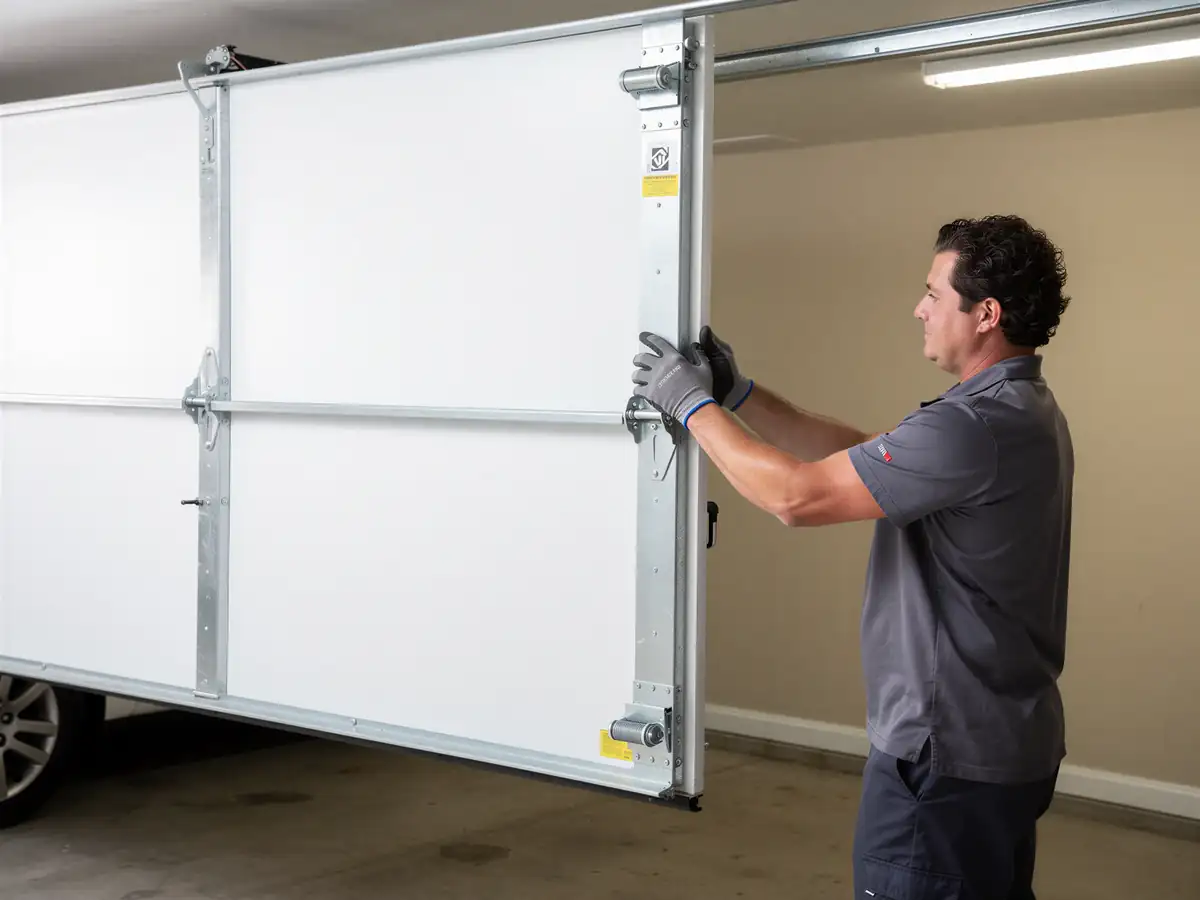
On a door from the 1985 median build year, that's close to four decades of expansion and contraction. The track alignment on those older doors drifts more than people expect, and it's usually the alignment, not the springs, that's actually failing. Across the roughly 30,812 households we're working, with about 14,940 of those in owner-occupied houses, this is the single most common thing we find when someone calls about a door that's "just gotten noisy." Noise is the track telling you it's out of true, not the springs asking to be replaced.
What Changes With the Season
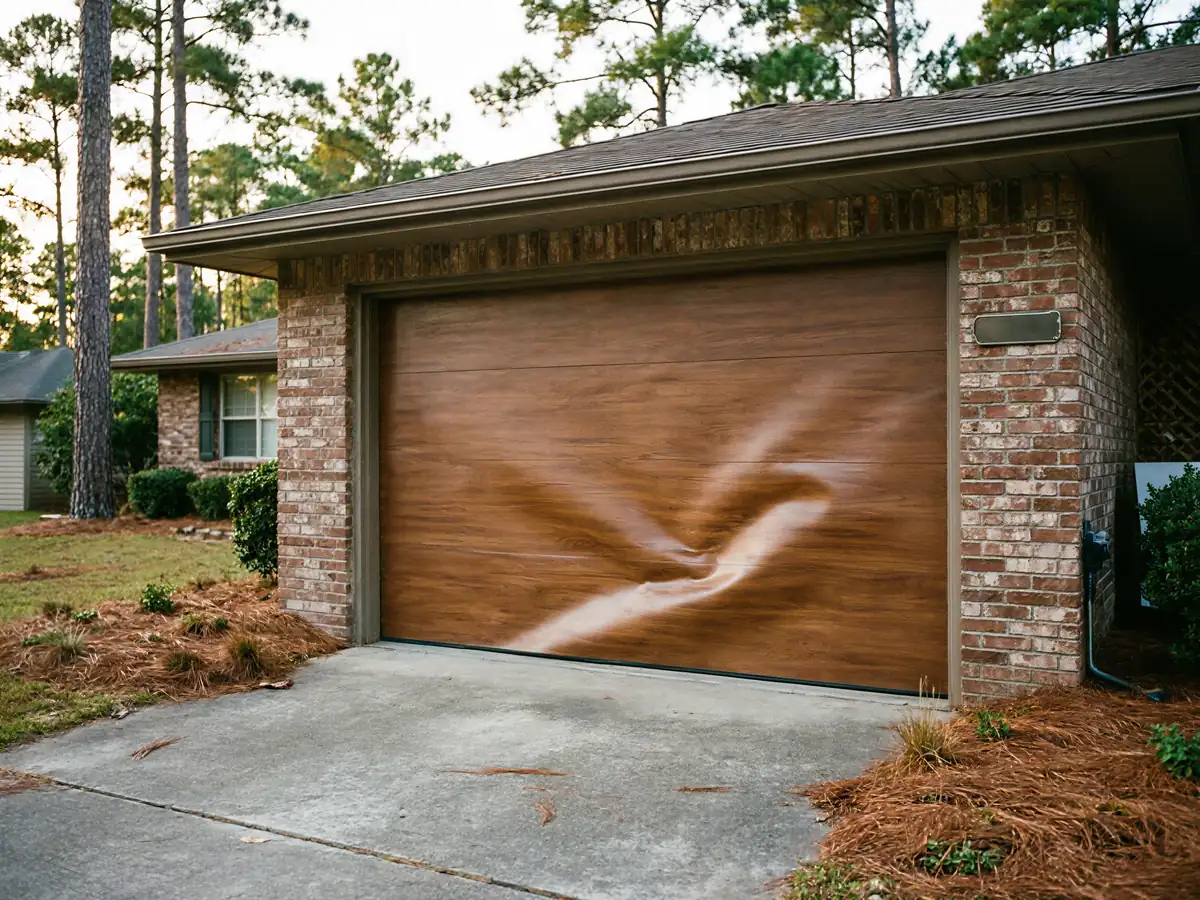
The climate band here means winter cold snaps and summer heat both put stress on a door, but in different ways. Cold tightens steel and stiffens lubricant, which is why an older door that was fine in August can start binding or jumping track come January. Heat does the opposite - it loosens hardware and can warp a wood-paneled door if it's an original from the 1980s-90s stock that's common across this area's ten named neighborhoods.
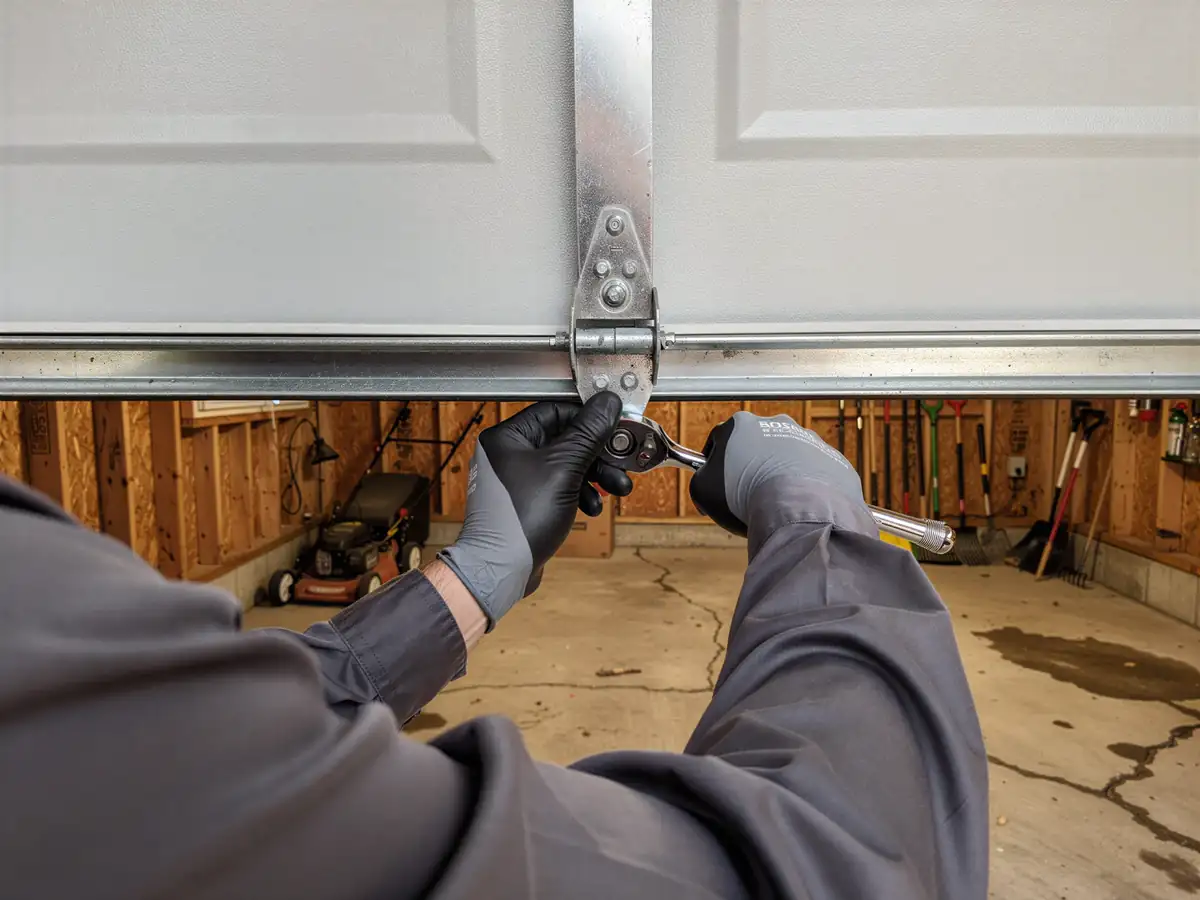
If your door is from that era and it's never had the track realigned or the hinges re-torqued, the seasonal swing is probably doing more damage each year than any single storm or cold front. We see this most on doors built before the mid-90s, where the steel gauge is thinner than what's standard now and more prone to oil-canning under temperature stress.
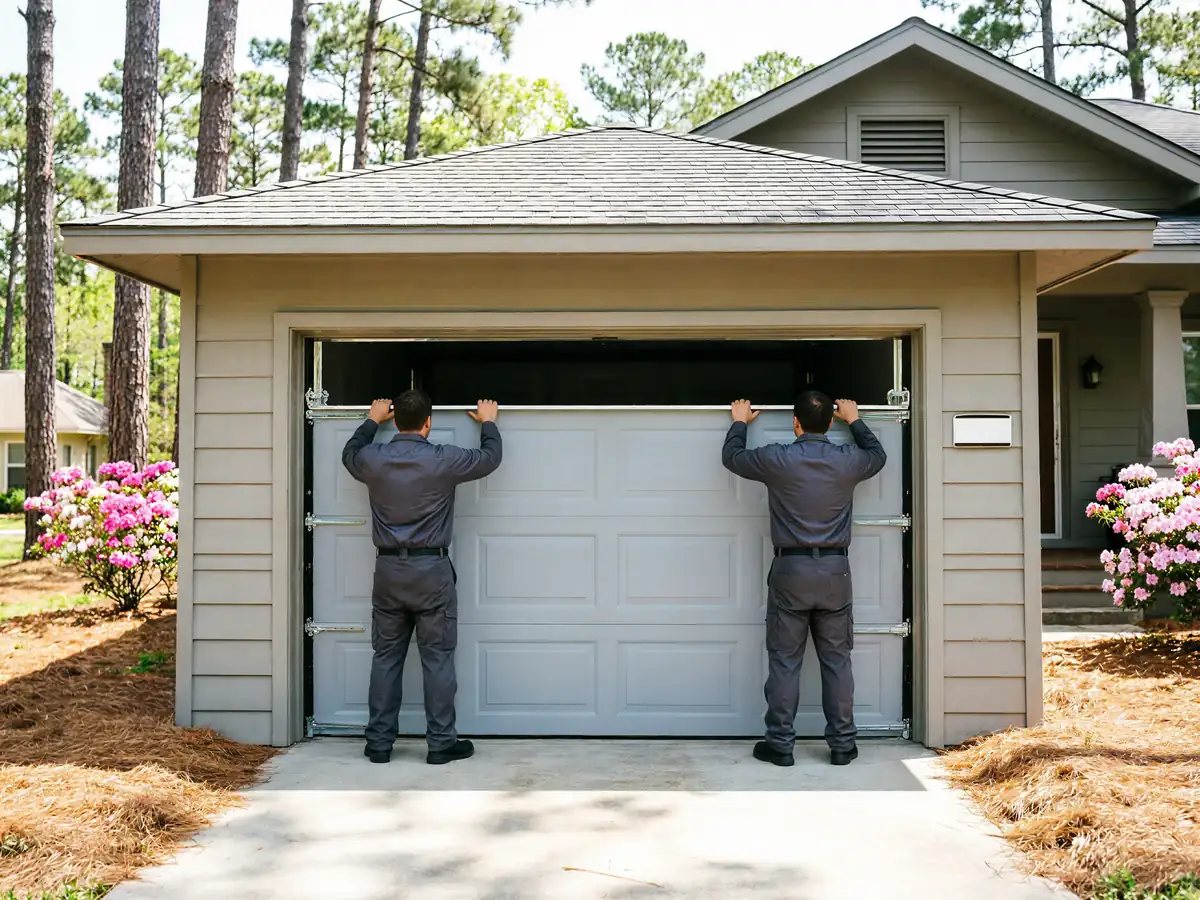
We don't recommend waiting for the door to fail outright before checking alignment. A once-a-year look, timed before the first hard cold snap, catches most of what would otherwise turn into a stuck door in February.
The Problem
Here's the honest math
With median household income in the area at $55,051, a full door replacement is a real expense, not a no-brainer swap. So the question we actually answer on most calls isn't "repair or replace" in the abstract - it's whether the specific door in front of us, given its age bracket and how it's held up through local winters and summers, still has useful life in its frame and track.
A door built close to the 1985 median
With a straight track and a sound frame, is usually worth fixing - springs, rollers, and openers are serviceable parts. A door where the frame has racked out of square from decades of freeze-thaw cycling, or where the panels have delaminated from humidity, isn't. At that point a new spring or opener is a temporary fix on a door that's going to keep costing money.
One limitation worth saying plainly
We don't stock parts for every obsolete hardware pattern from the 1970s and early 80s. If your door predates the area's main building wave and uses a hinge or track pattern that's been out of production for years, sourcing the exact part can take longer than the repair itself, and sometimes replacement is simply the faster, cheaper path.