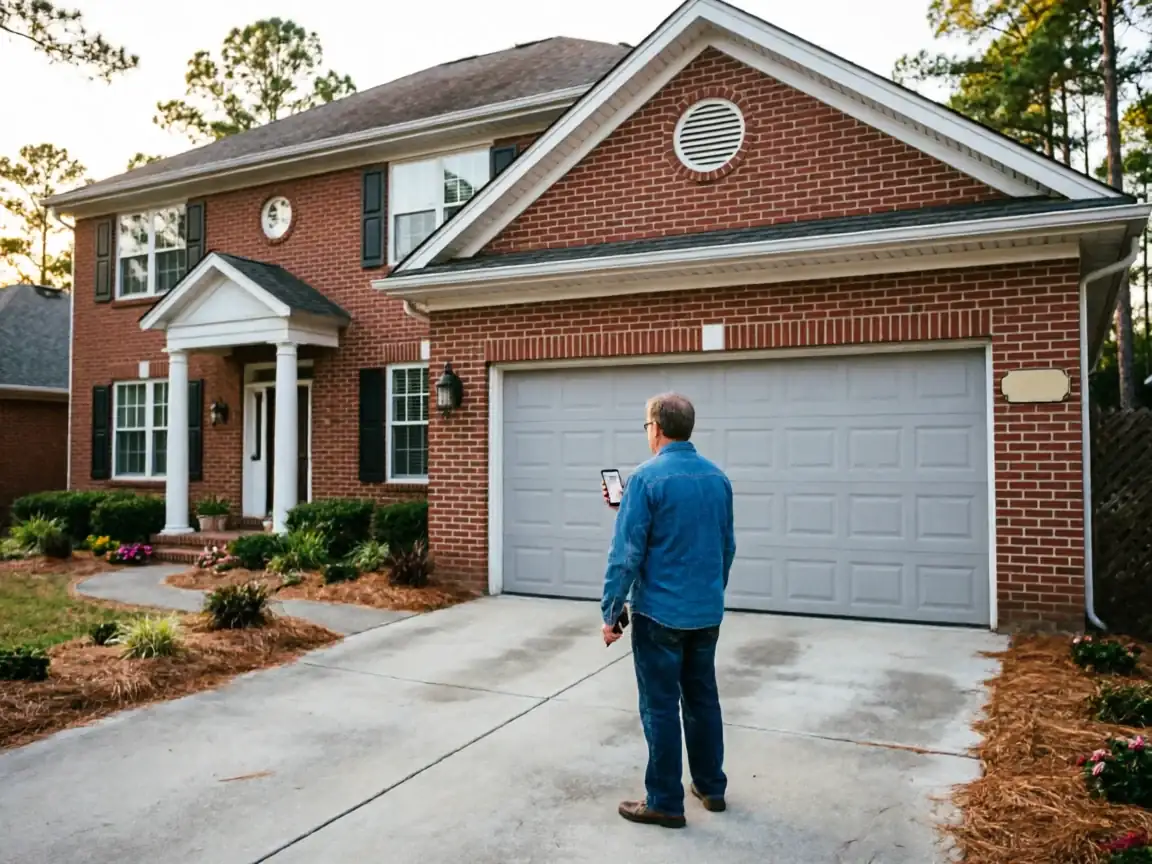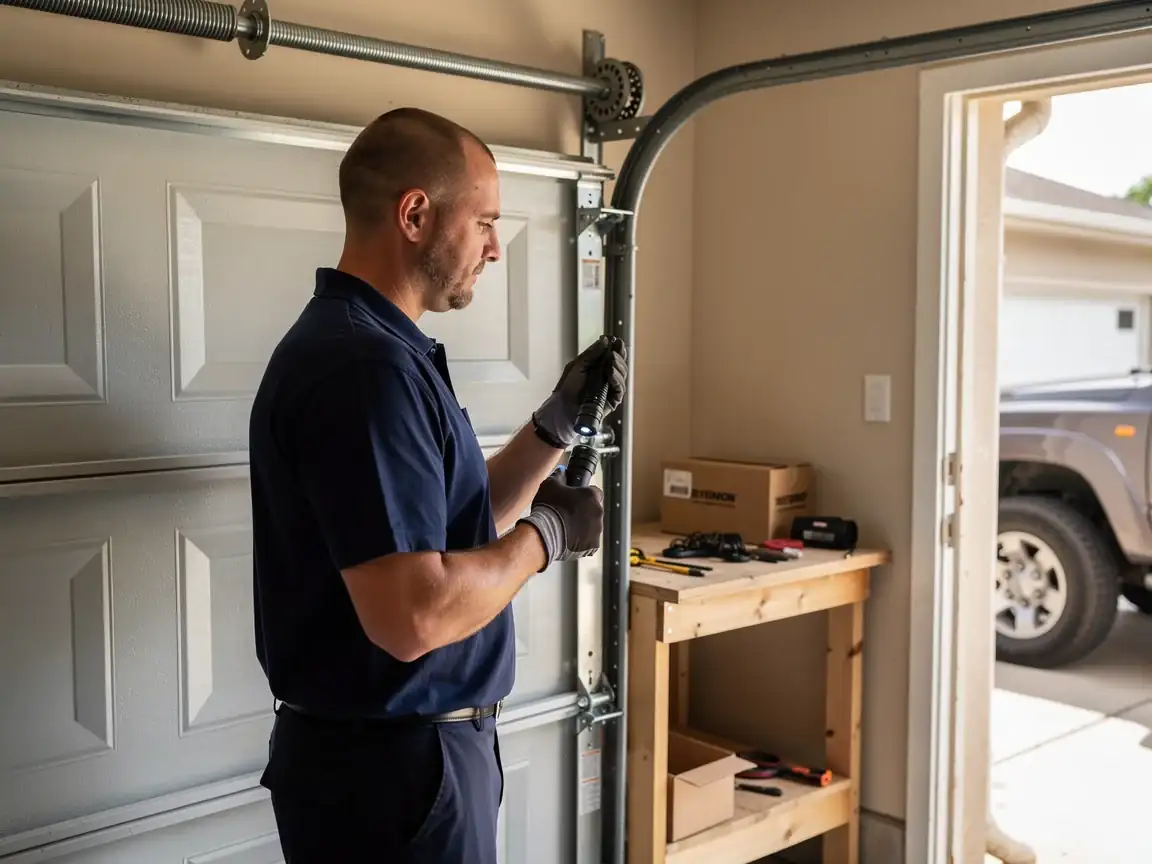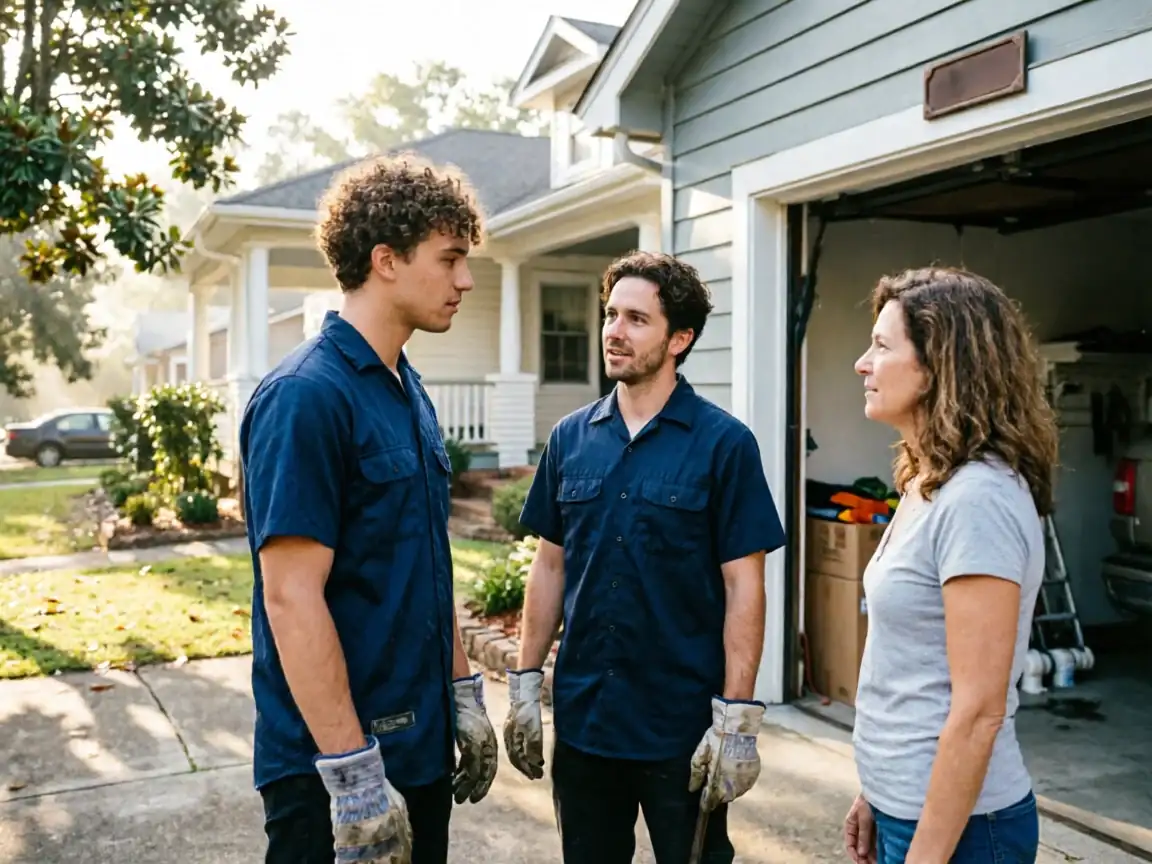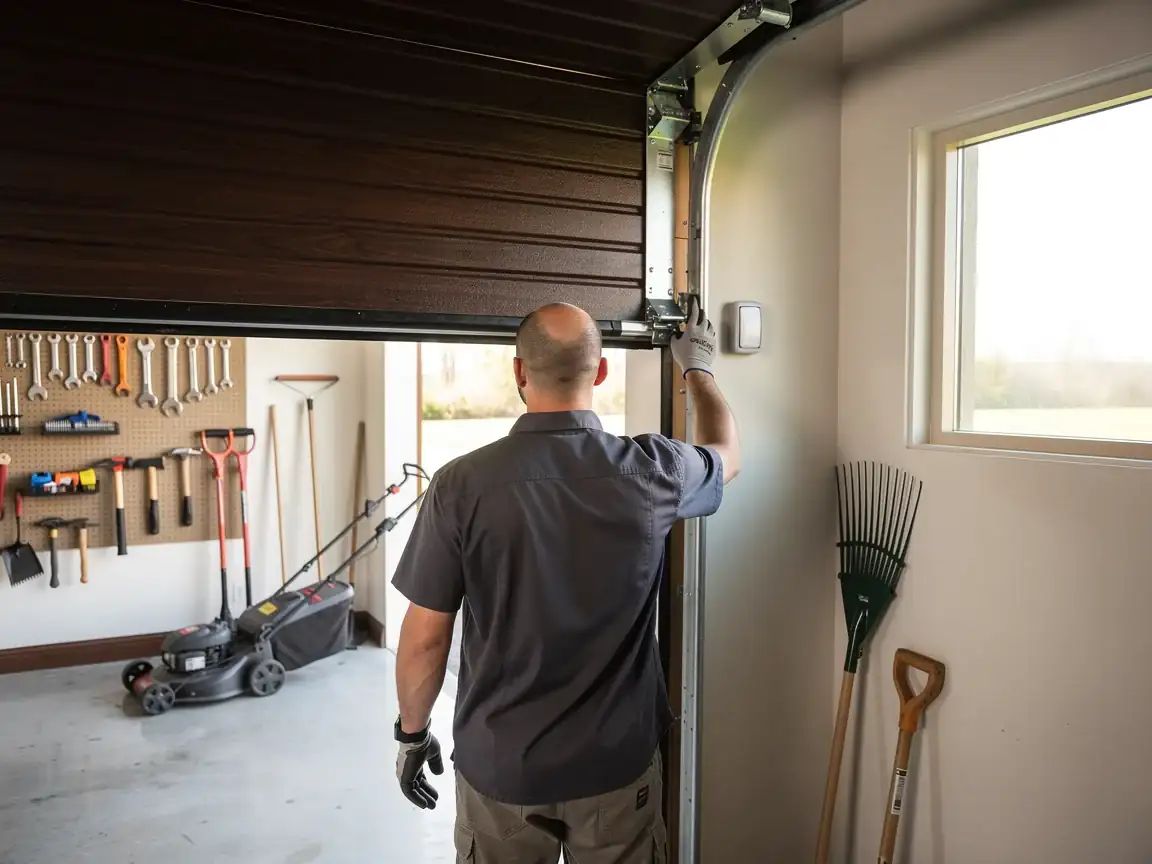
What People Here Ring About
Most calls we get from Benson aren't about brand-new openers glitching out
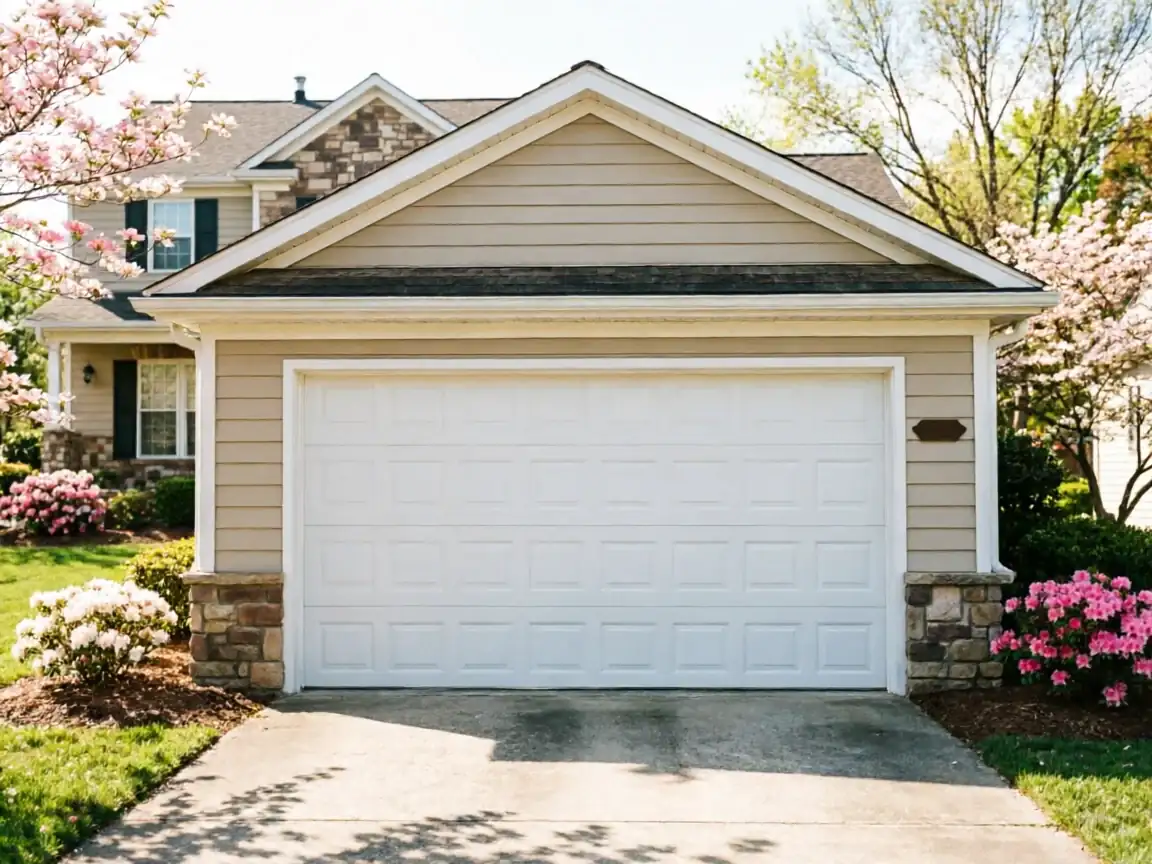
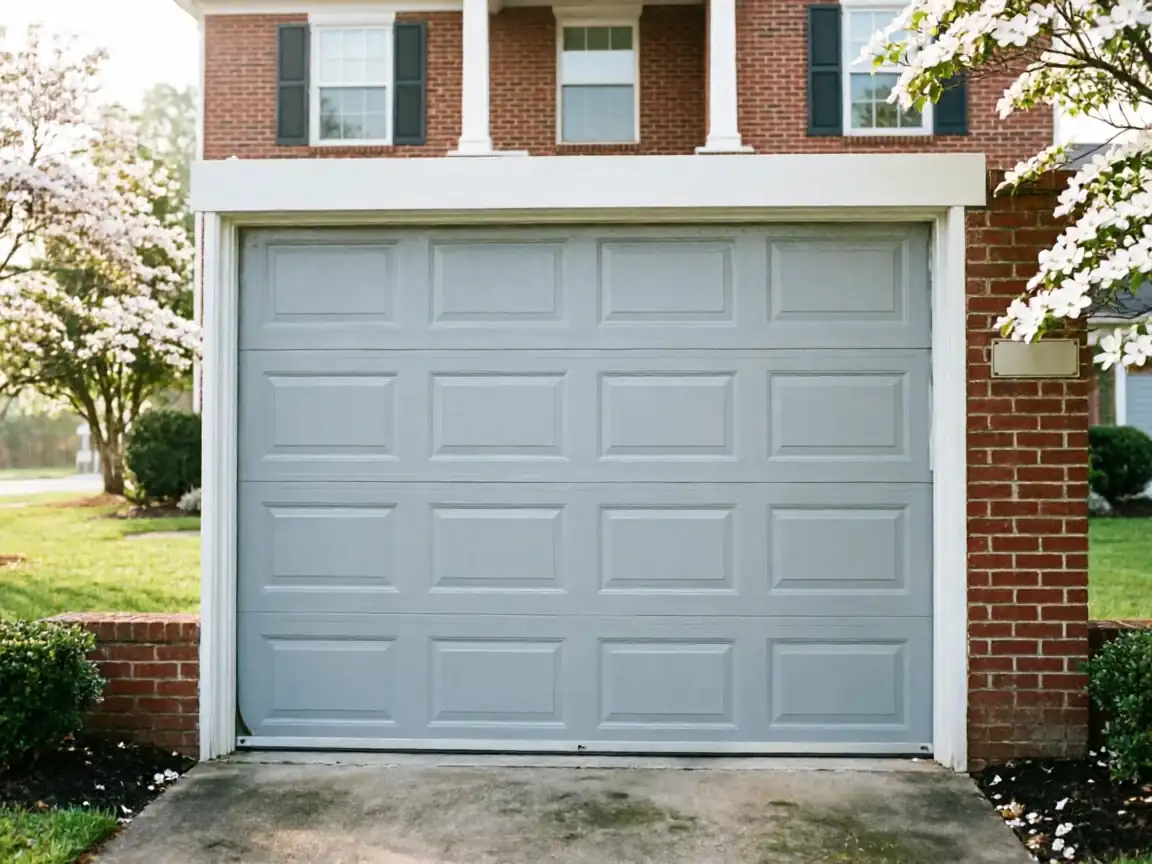
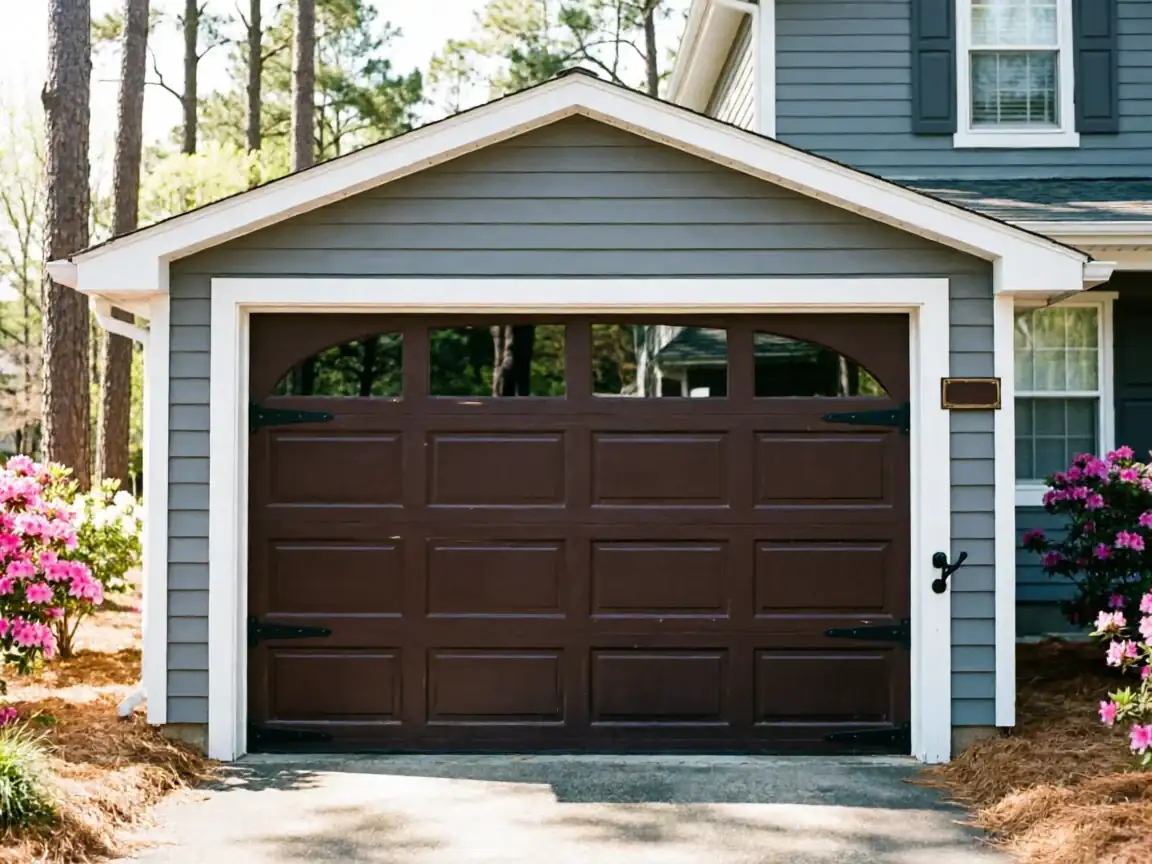
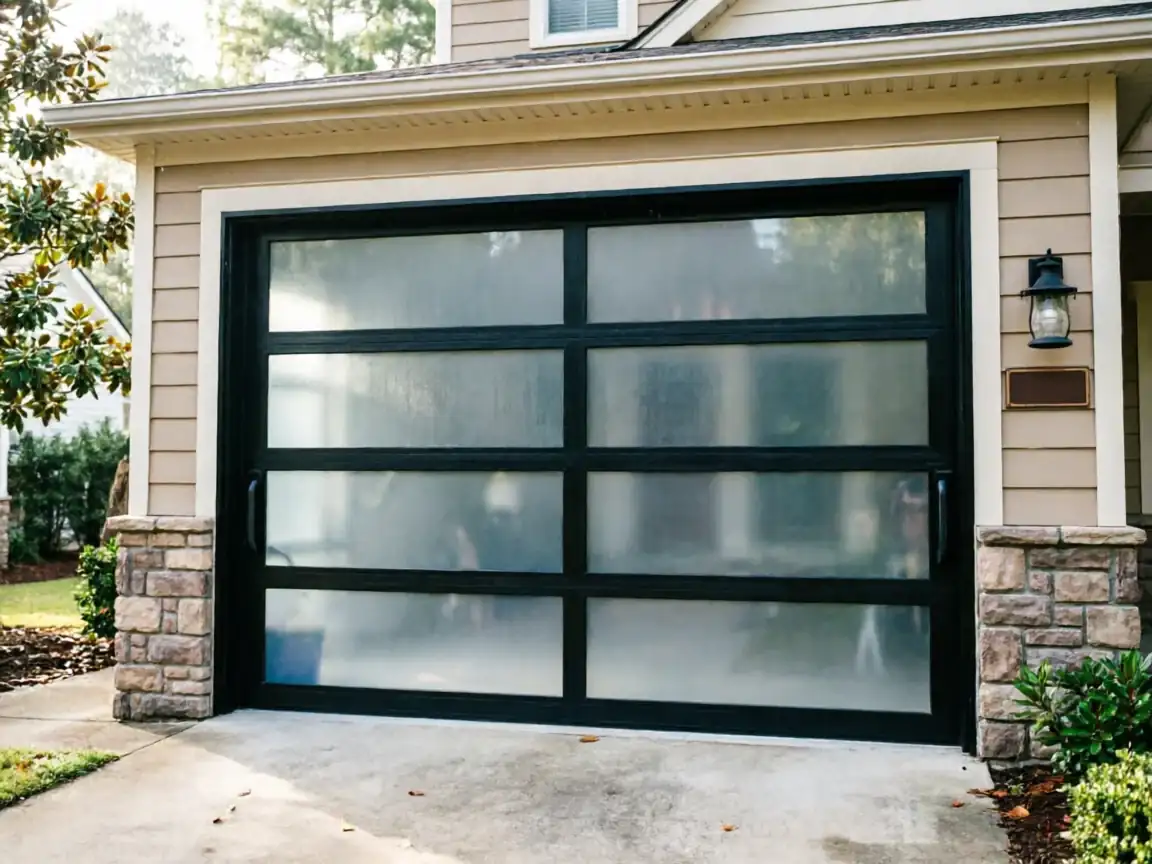
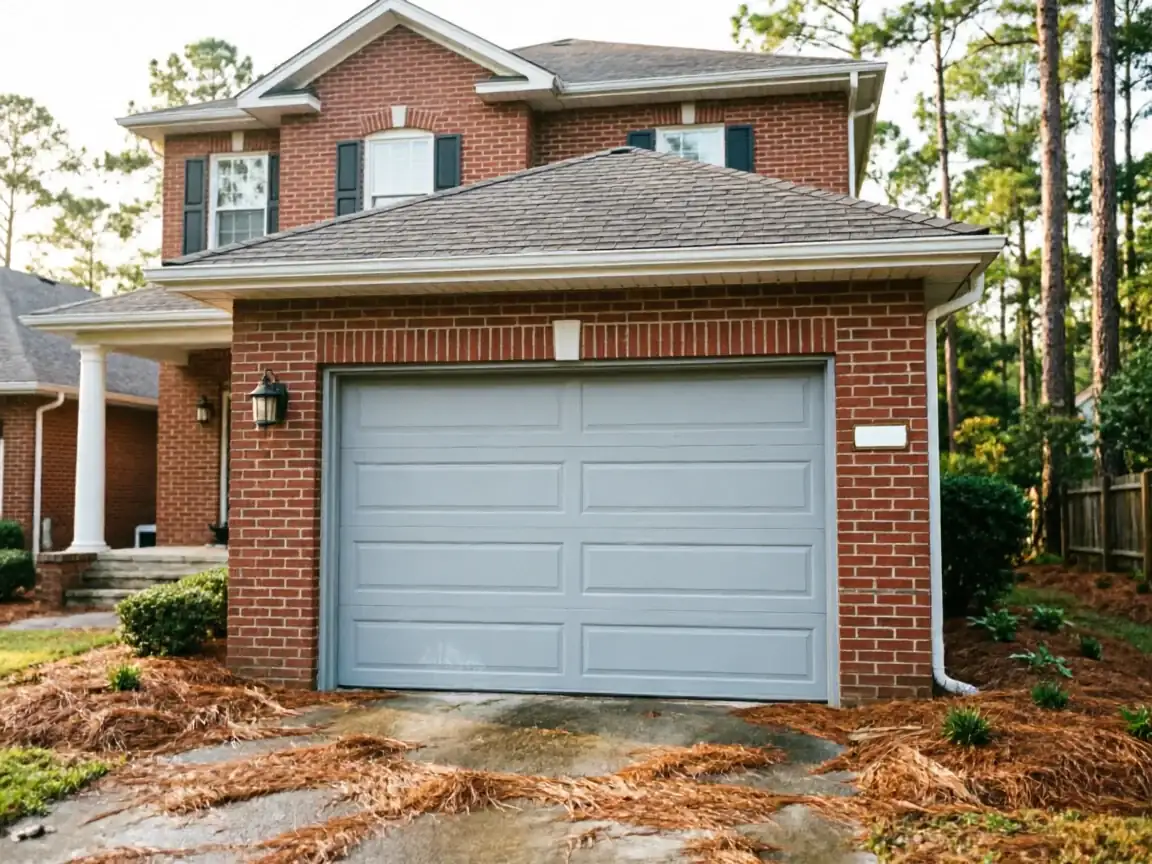
They're about doors that have been doing their job since before most of the subdivisions in the rest of our coverage area existed. Benson's median home was built in 1978, a good seven years ahead of the 1985 median across the wider service area we cover out of Clayton. That gap matters. A door installed in the late 1970s or early 1980s is on hardware two generations removed from what you'd find in a house built in 1995.
The calls we hear most from this town
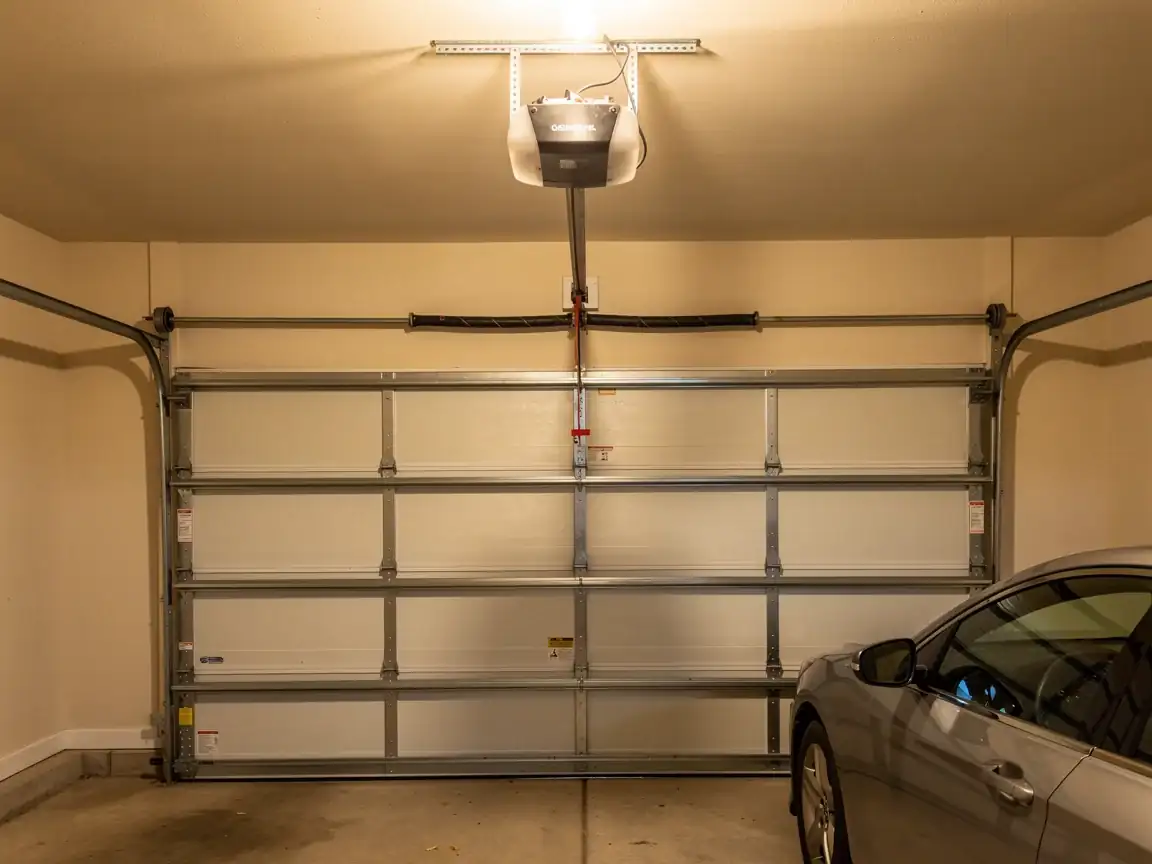
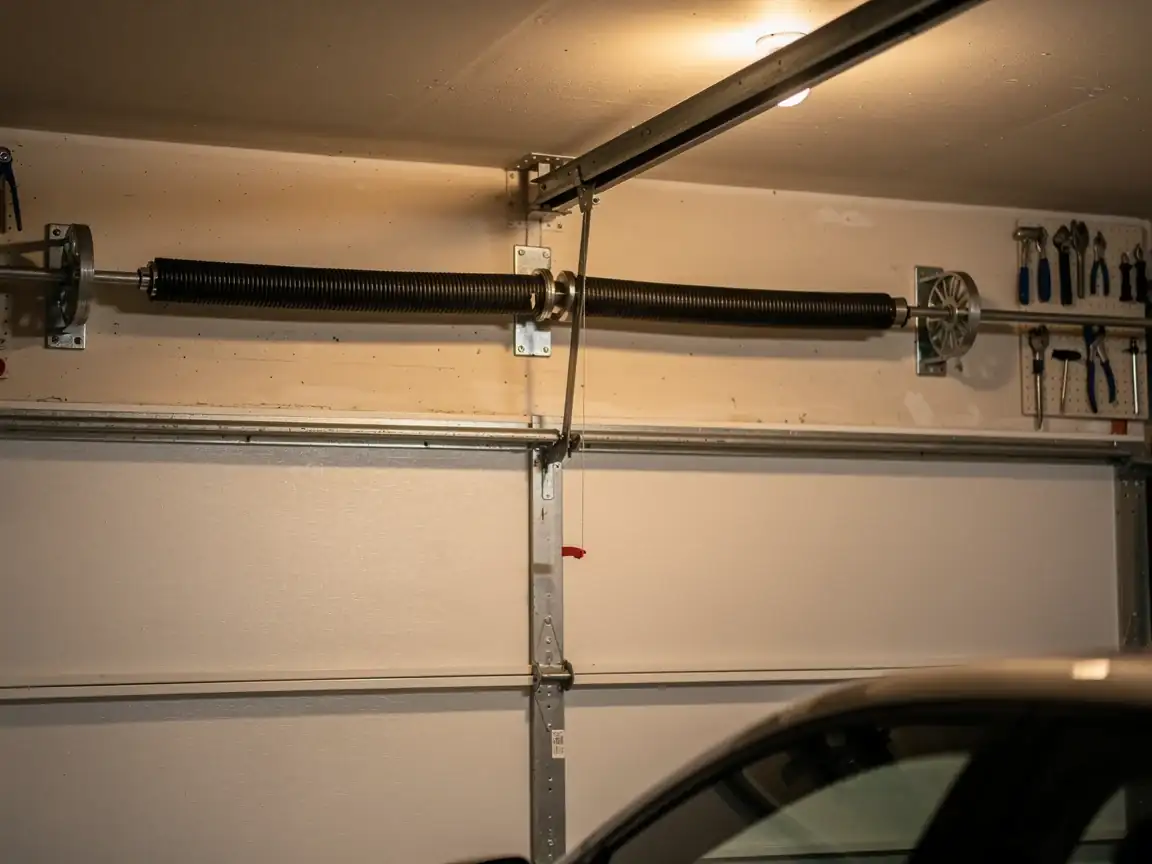
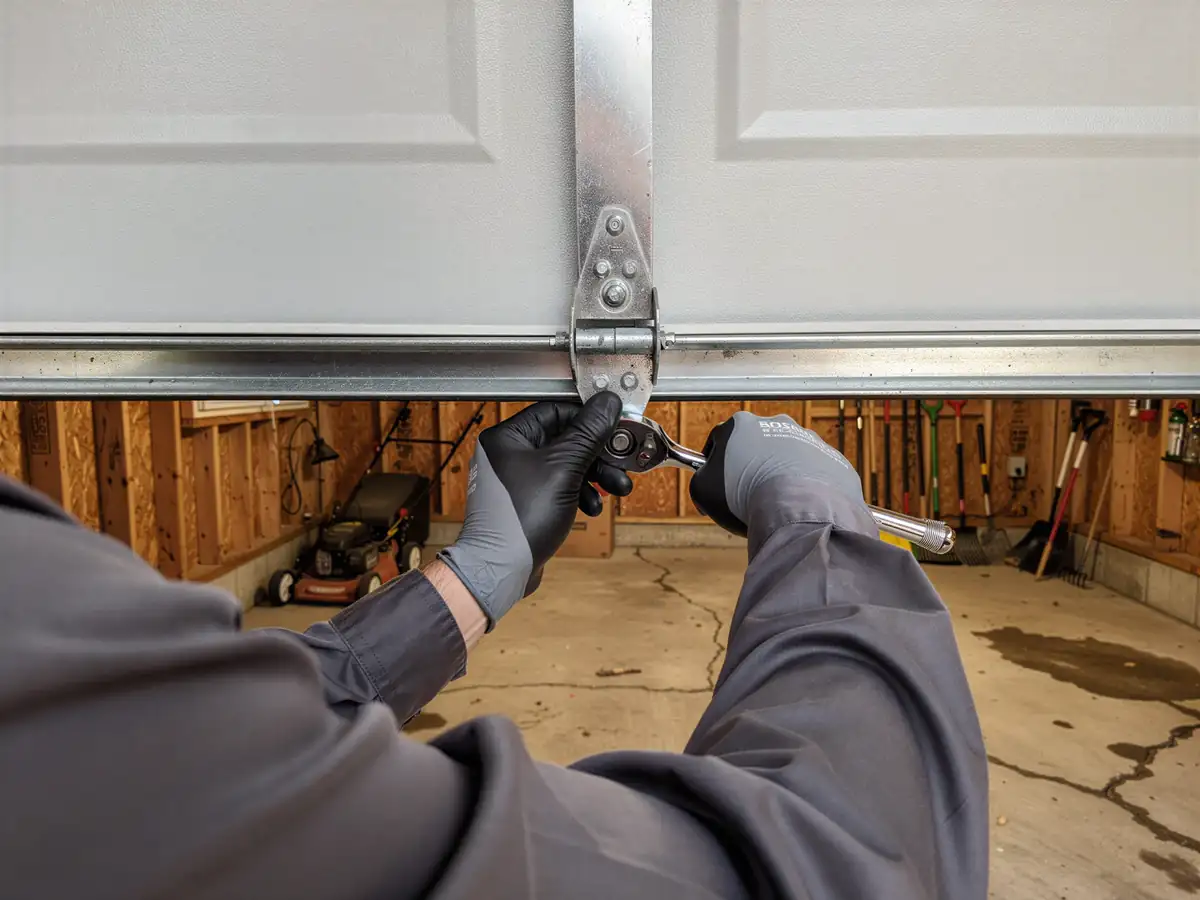
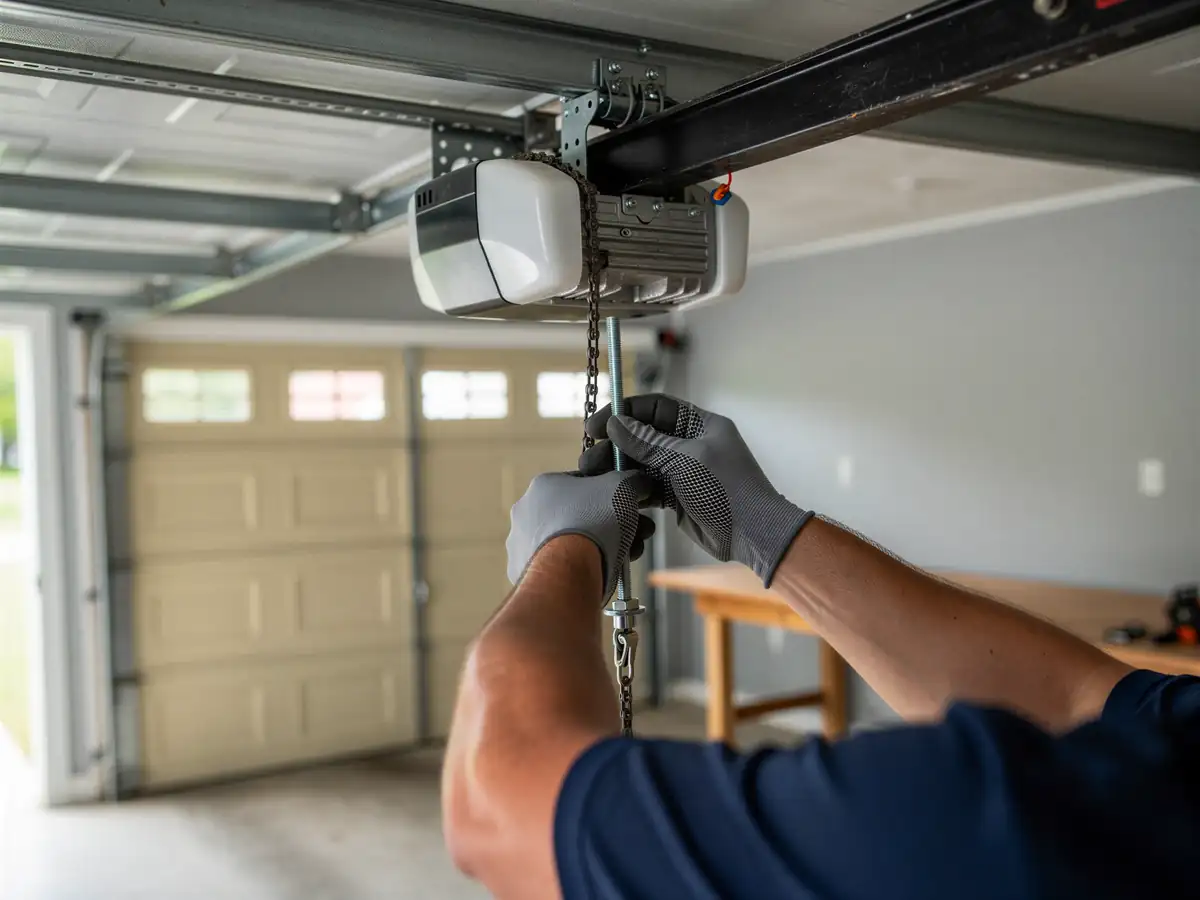
A spring that's been limping along and finally lets go, an opener motor that's outlived its gears, or a track that's bent from age rather than a single impact. We also hear from folks who've already replaced the opener once and are now dealing with the door panel or the rollers giving out next. That's a normal sequence on a house this age - the parts don't all fail at once, they fail in order, roughly matching when they were installed.
We don't get many calls here about smart-opener setup or fancy insulated panel upgrades
Benson's housing stock skews toward function over feature, and the repair requests reflect that.
The Houses Here
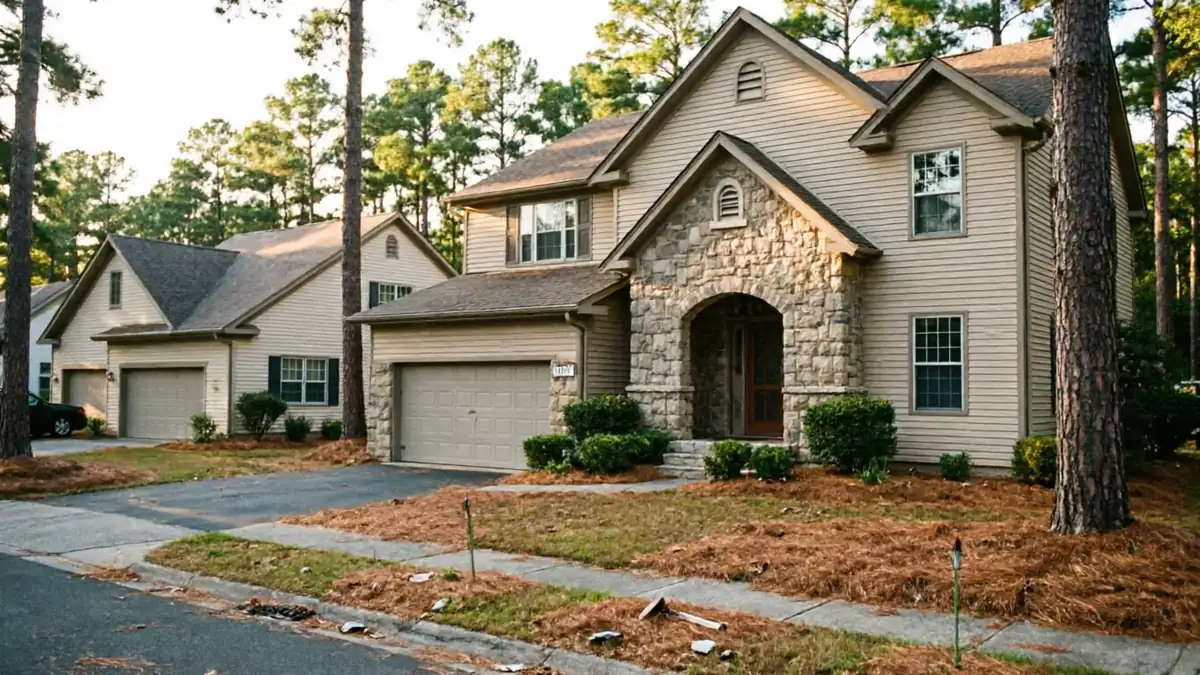
Across our whole coverage area, homes went up anywhere from 1968 to 2013, with the bulk of that stock dating to the 1980s and 90s. Benson sits on the older end of that range - its median build year of 1978 puts a lot of its garage doors and openers at or past the point where original hardware is simply worn out, not broken by any one event.
With roughly 1,550 households in town, Benson is a smaller market than some of the places we reach from Clayton, and the housing here tends to be less uniform than a single subdivision built in one stretch. That means more variety in door width, track configuration, and spring type than you'd see in a neighborhood thrown up all at once in the 90s.
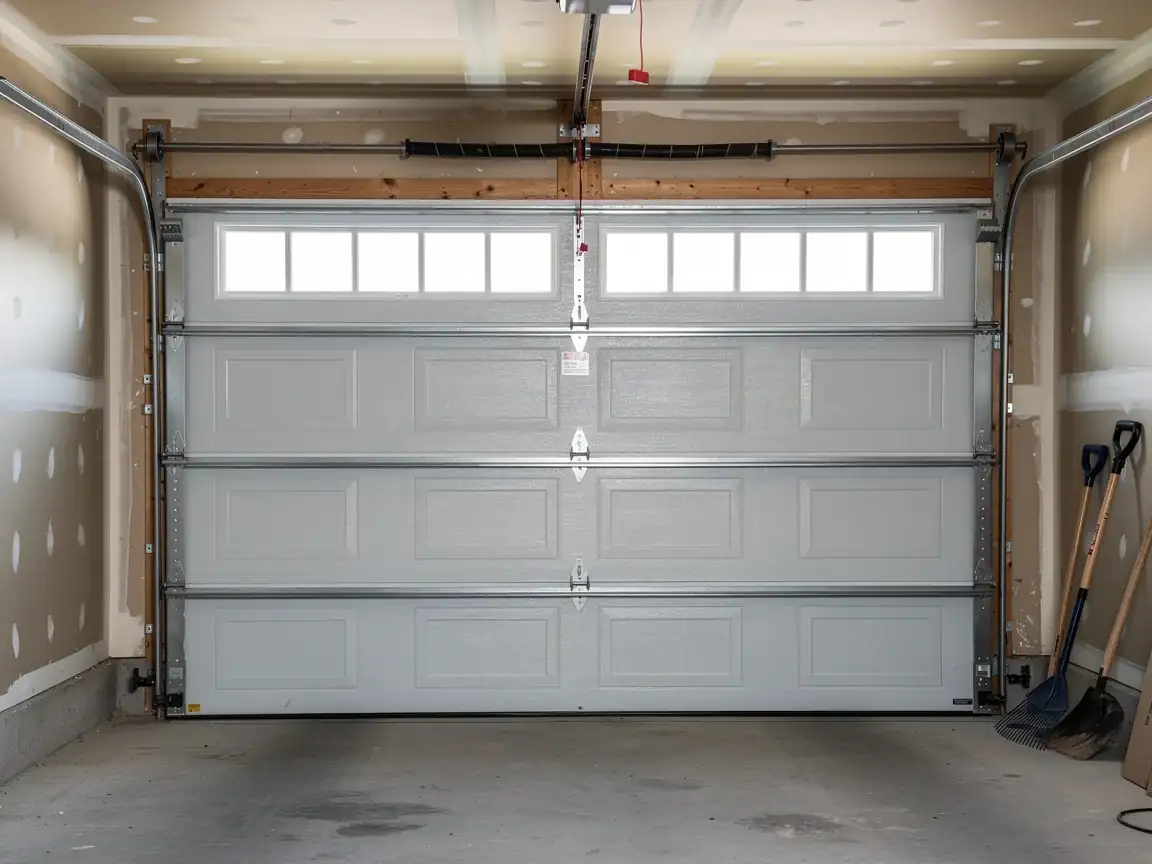
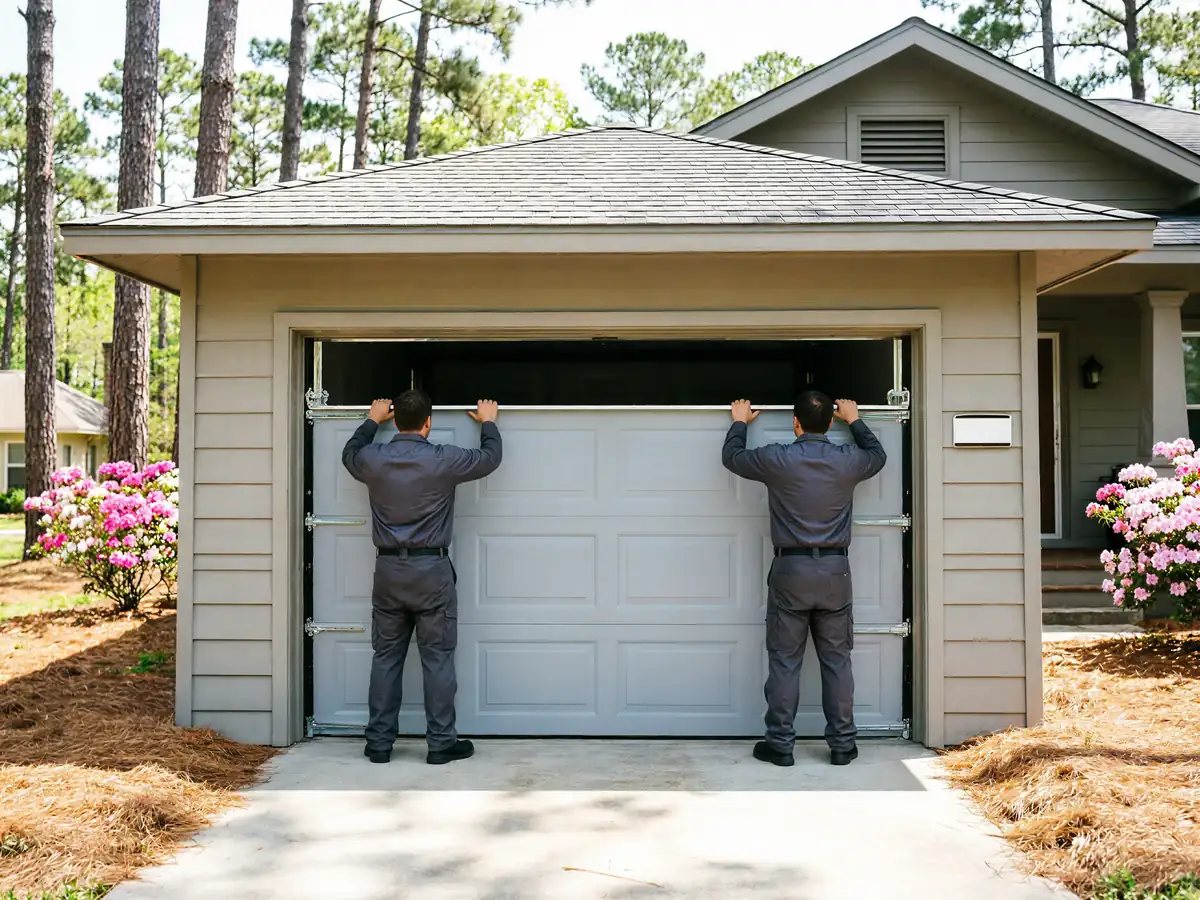
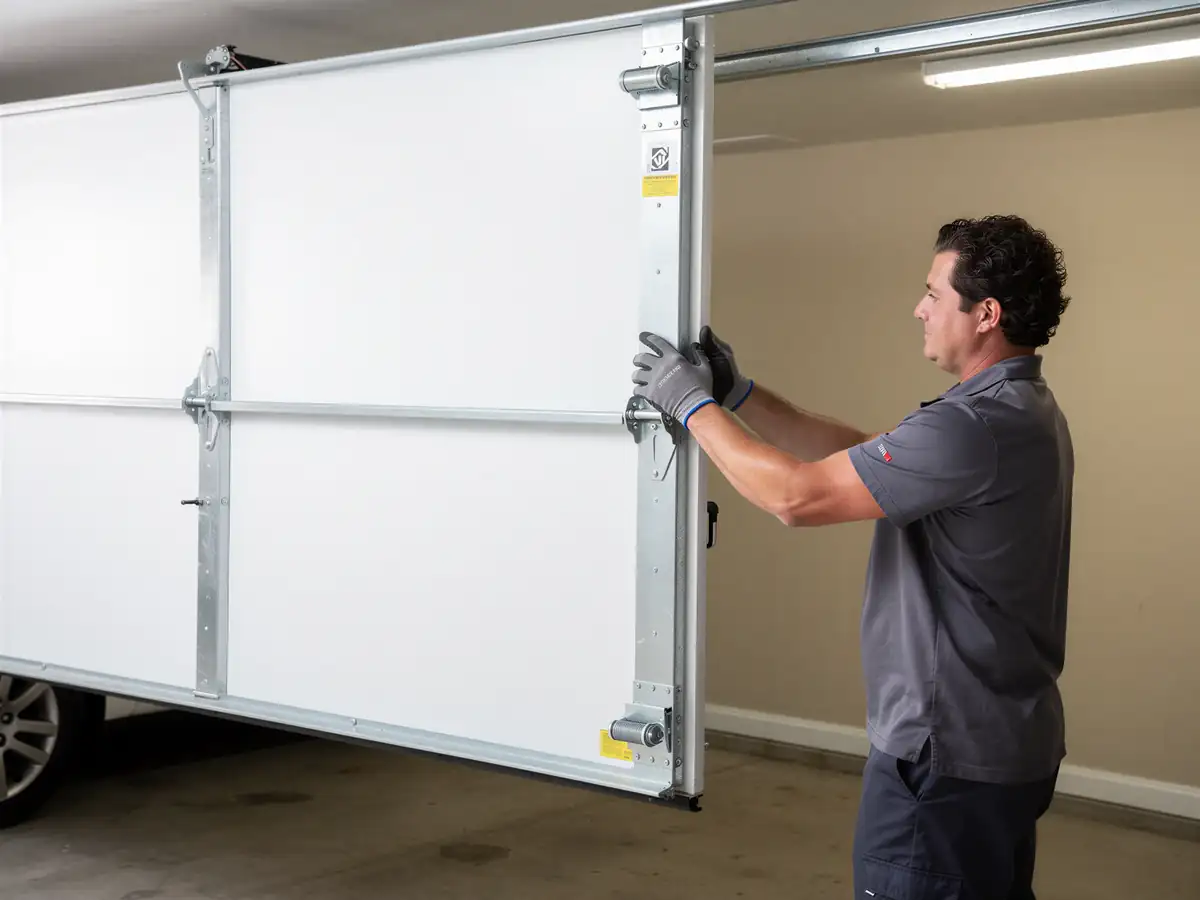
One honest limitation: on doors this old, we sometimes can't get an exact match for the original panel if only one section is damaged. Manufacturers change profiles over the decades, and a 1978 door's panel won't necessarily match anything currently in production. In those cases the straightforward move is often a full panel-matched replacement rather than chasing down a part that may not exist anymore.
How Soon We Can Come Out
We run out of Clayton, and Benson is about 20 miles from the shop - one of the longer drives in our coverage area. We don't have a depot or a standing presence in Benson itself, so we're not going to tell you we can be there in fifteen minutes. We schedule the drive like we would for any town that far out, and we're upfront about that when you call.
What we can tell you is that a 20-mile trip is a known quantity for us, not a special case - it's within the range we already plan for across the towns we serve outside Clayton. If your door is stuck open or a spring has snapped and the door won't move at all, say so when you call. That changes how we route the day.
If you're dealing with something that can wait a day or two - a noisy opener, a roller that's started grinding - that's useful to mention too, since it lets us slot the job in more efficiently on a day we're already headed toward Benson or nearby.
How That Shows Up in the Door
The age of a house and the kind of hardware behind its garage door are tied together more than people expect
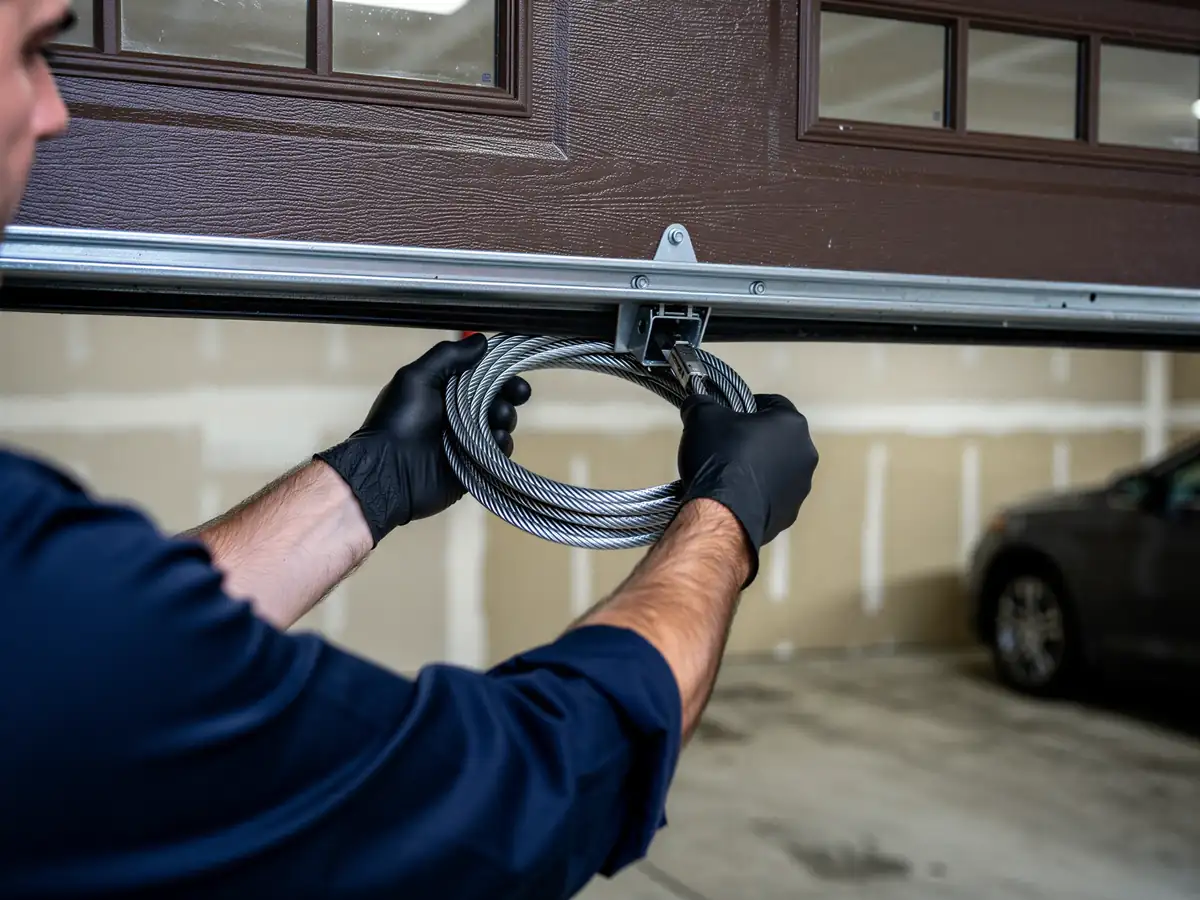
A home built in 1978, which describes a lot of Benson, was likely fitted with an extension-spring system rather than the torsion-spring setup that became standard in newer construction. Extension springs run along the horizontal tracks instead of over the header, and they fail differently - often suddenly, often all at once, and they're a part we see wear out on this exact era of house far more than on anything built after the mid-80s.
Our climate band here is cold-moderate
Which means winter temperature swings put real stress on metal hardware and lubrication over a 40-plus year service life. On a door this old, that shows up as a spring that's lost tension gradually rather than snapped outright, or an opener drive gear that's worn smooth from decades of use in temperature swings it was never rated to handle indefinitely.
None of this means a 1978 door is a lost cause
It means the diagnosis starts from the house's age, not a generic checklist - and on a lot of these doors, the fix is a hardware swap, not a full replacement.