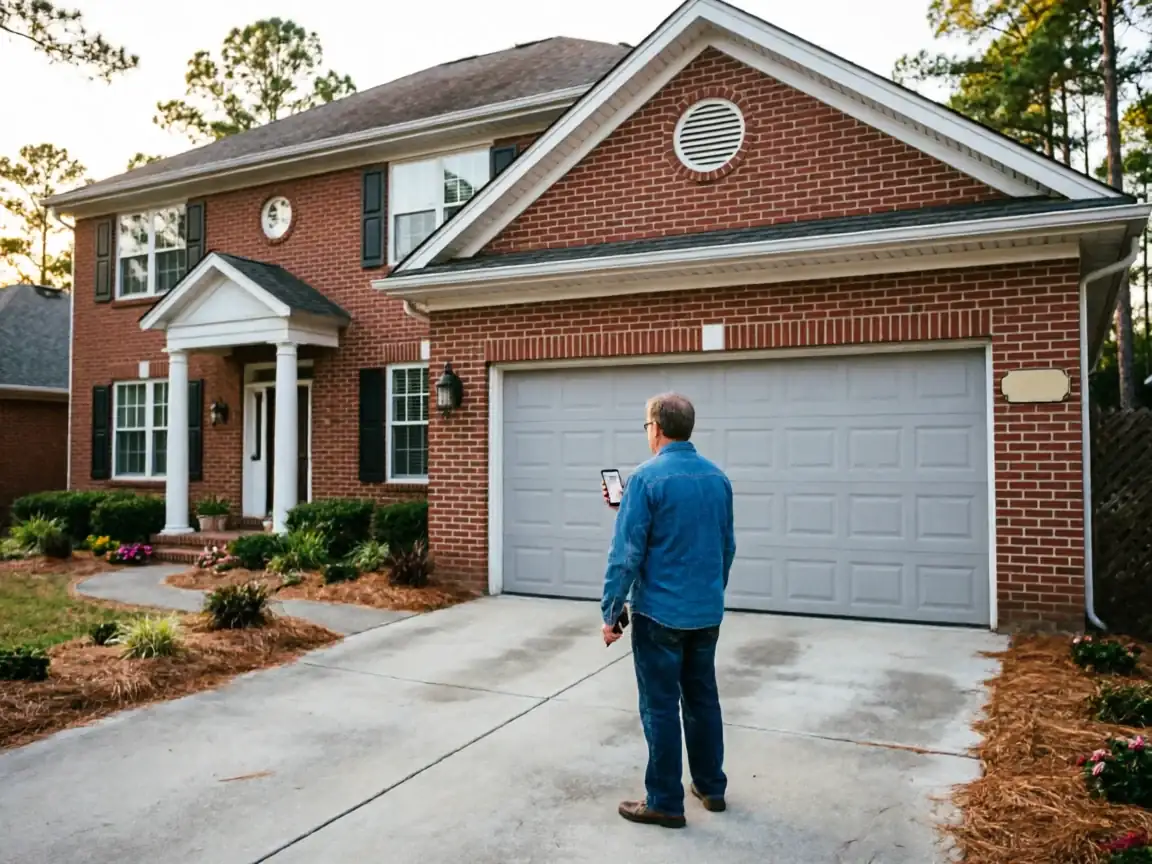
Why This Fails Locally
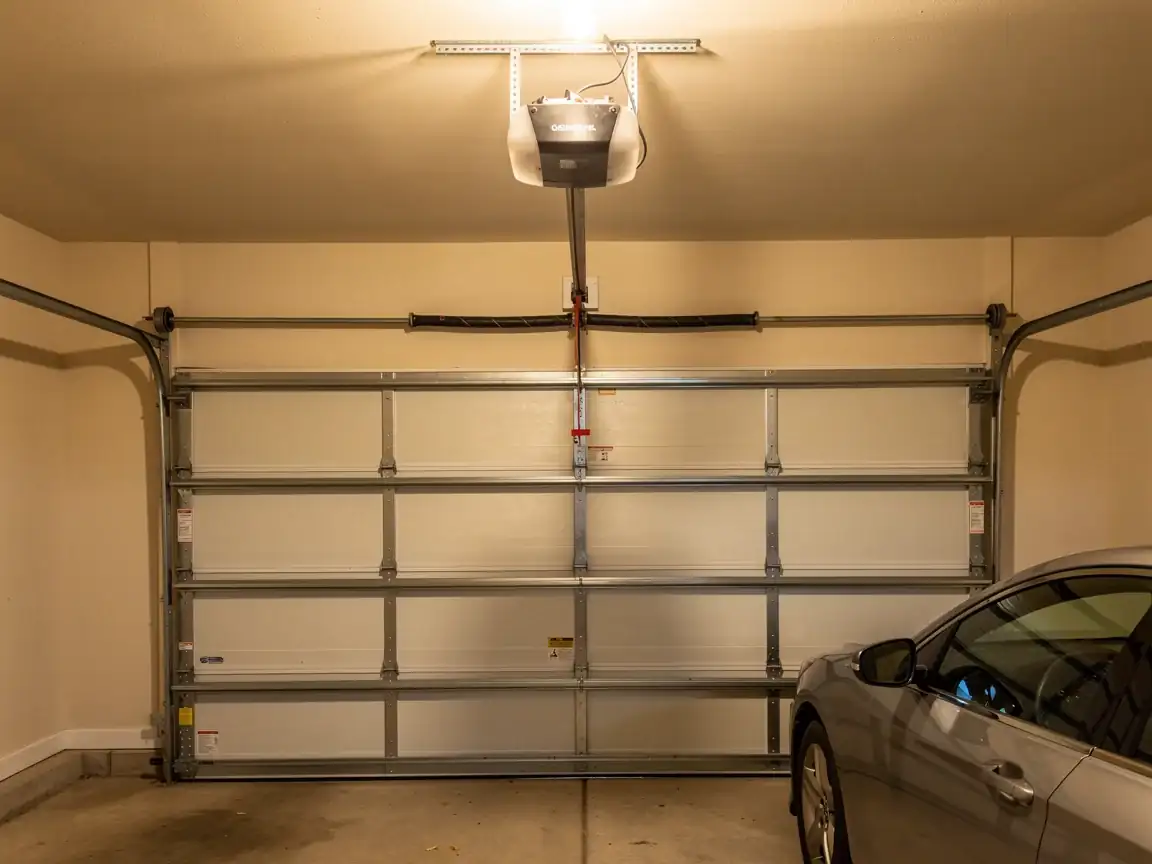
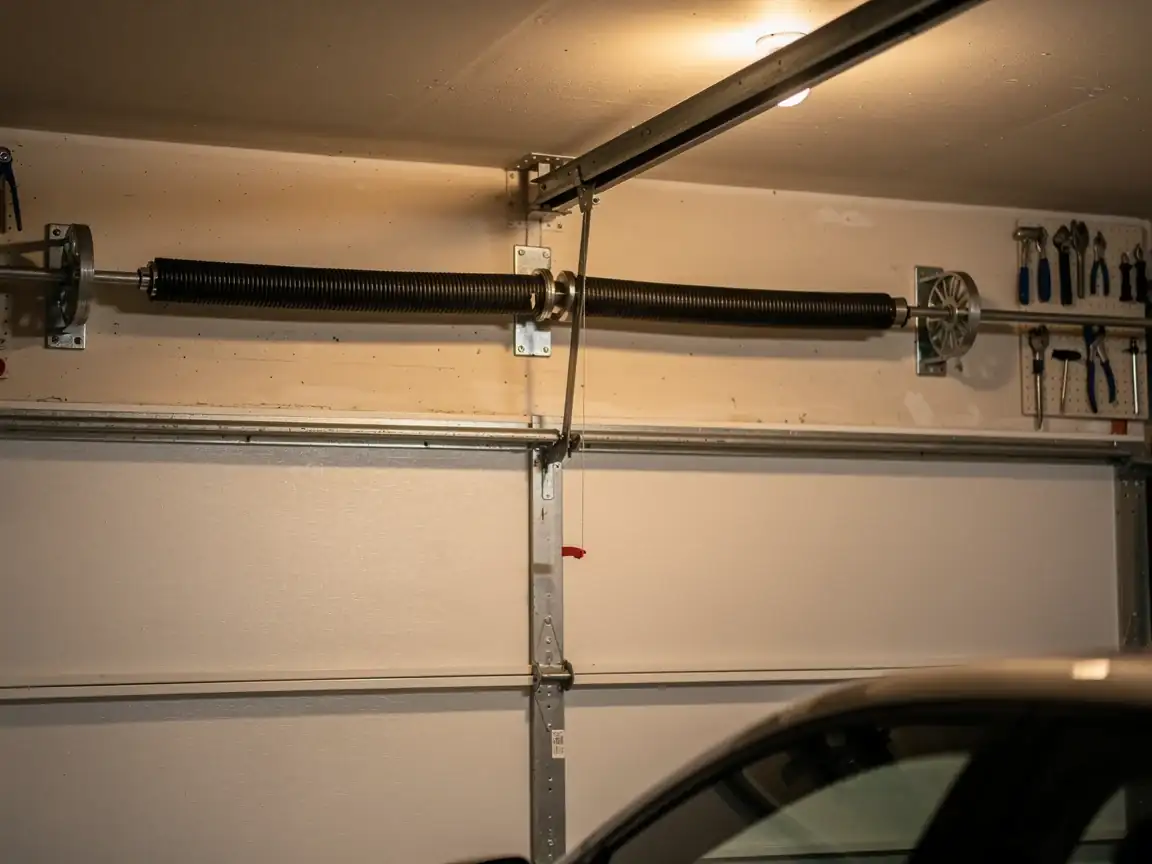
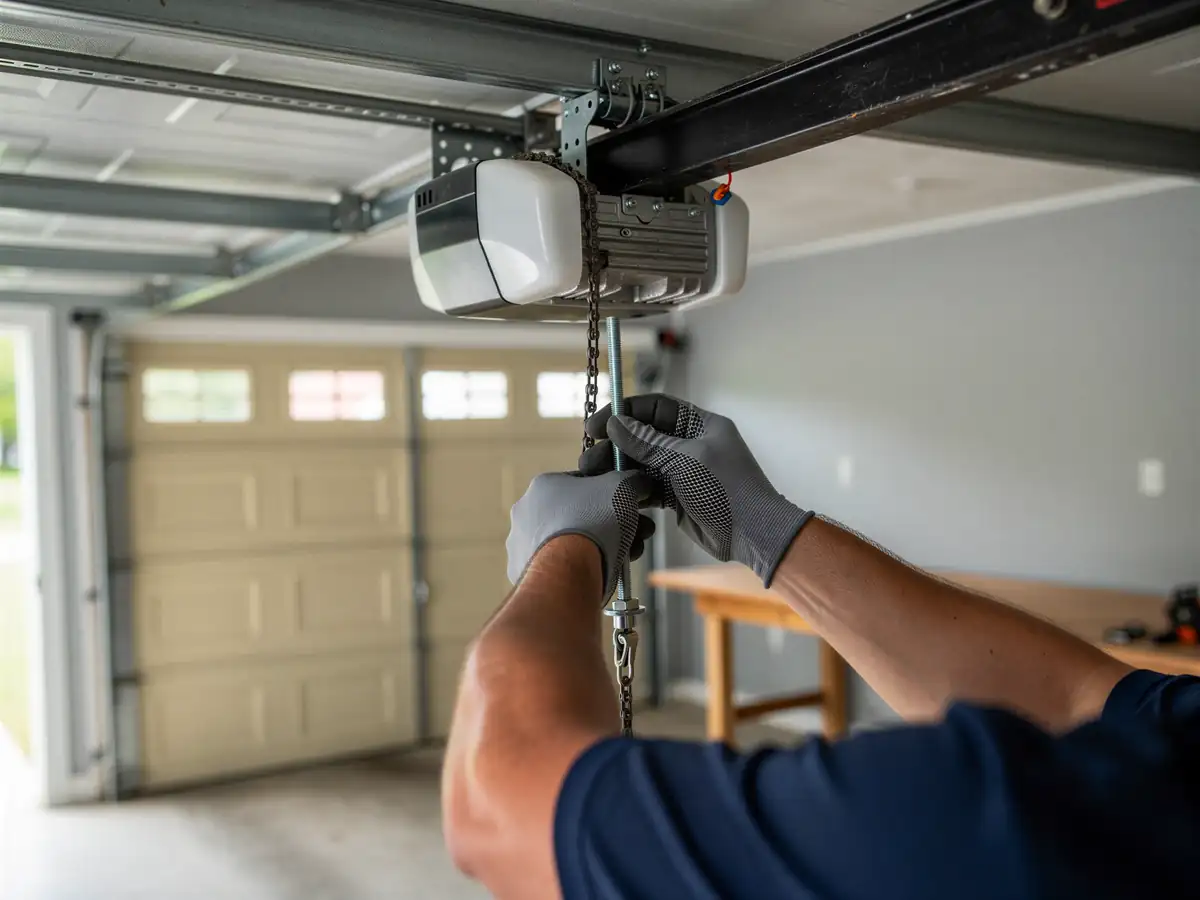
Cold winters here put stress on opener gearing that homeowners don't think about. The capacitor-style gear-reduction motors common in 1970s and 80s openers use nylon or composite drive gears, and that plastic gets brittle with age and with repeated cold-to-warm cycling. In a moderate-cold climate like this one, the gear doesn't snap all at once - it strips a tooth at a time until the motor spins and the door doesn't move. Owners usually notice it first on the coldest mornings of the year, when the grease inside the gearbox is stiffest and the worn teeth have the least to grip. A unit built in the Carter-era boom that still has its factory gear is running on borrowed time, not bad luck.
What Is on the Truck
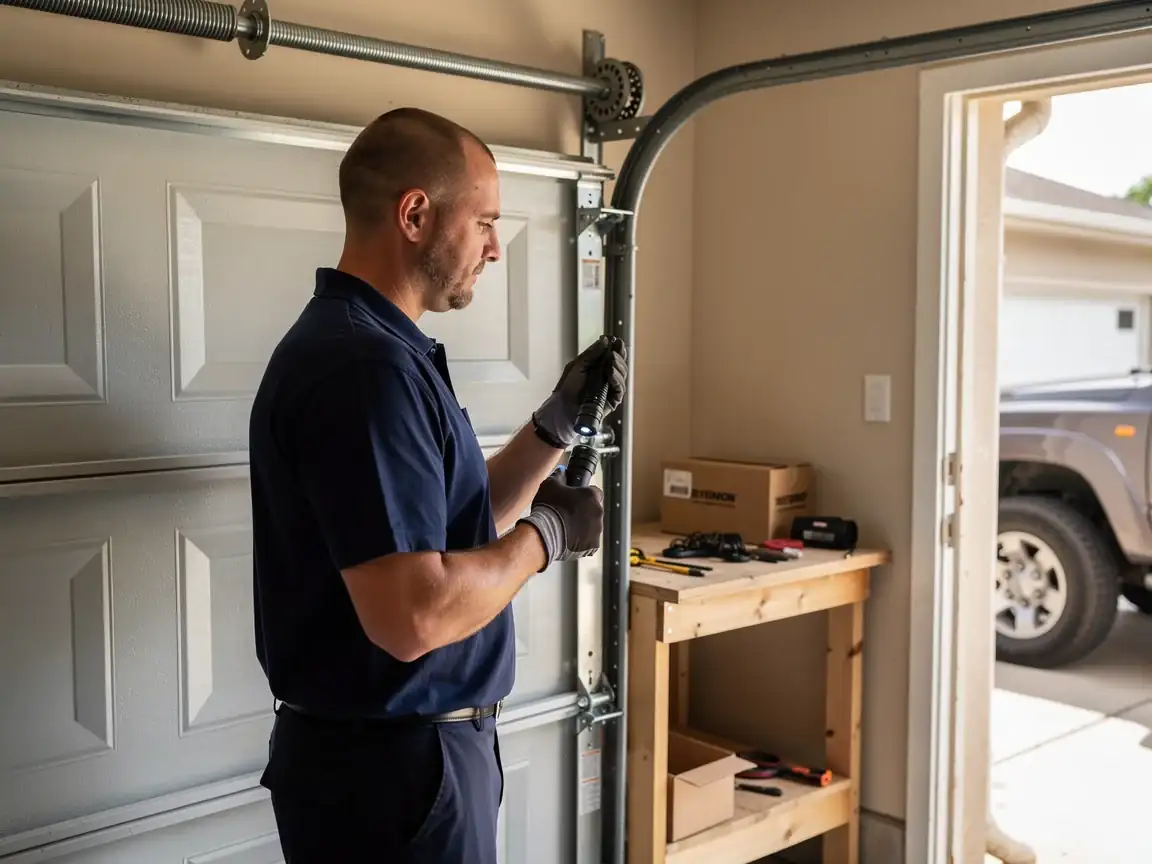
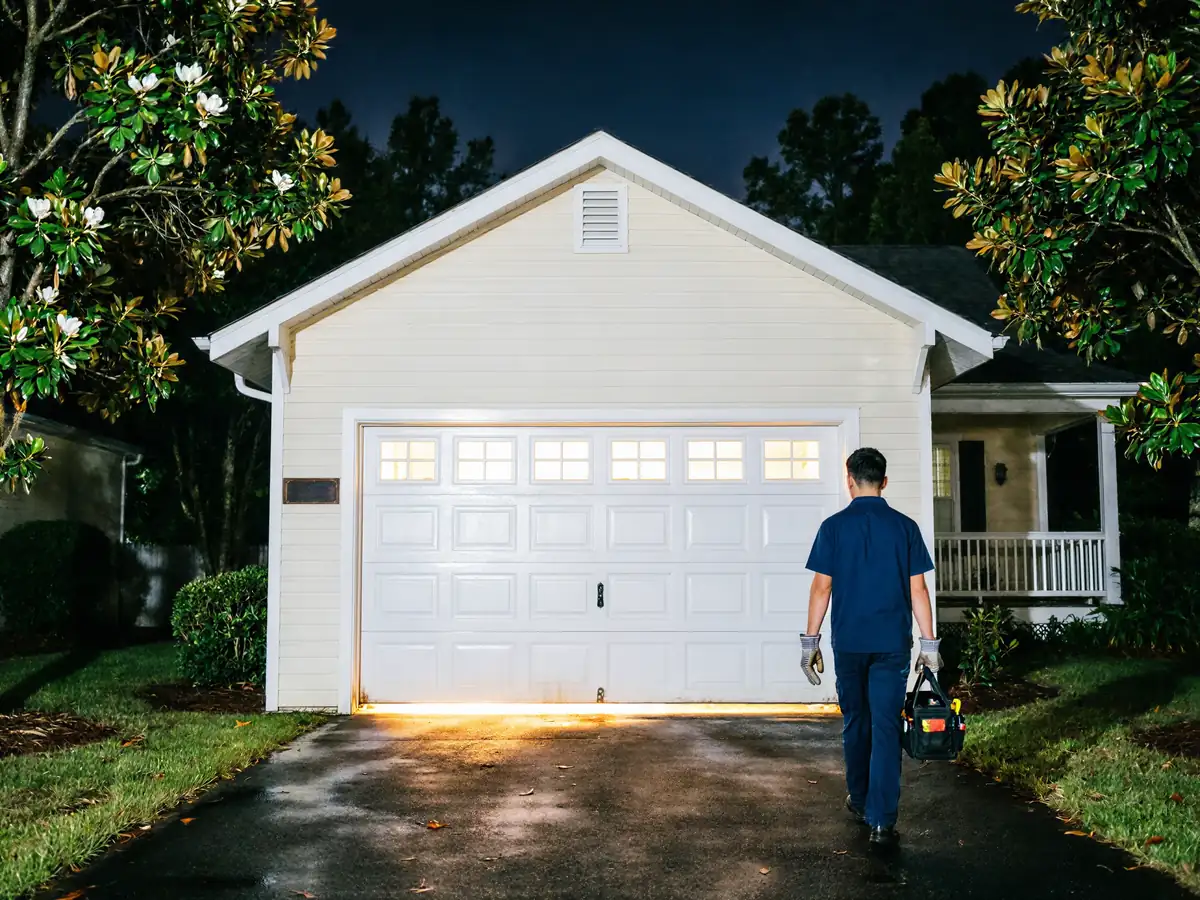
Because this job comes from Clayton - it's a 20-mile run out to Benson - we carry opener parts rather than full opener boxes for most calls, since gear kits, circuit boards, and standard rail sections cover the bulk of what fails on a house this age. A straightforward gear-and-sprocket kit or a logic board swap is a same-visit fix if the motor itself is sound. Where we run short is full replacement openers for the oldest chain-drive models - those are a special order and not something we stock on the truck, so if your unit is too far gone to repair, that part of the job means a return trip once the new opener is in.
The Cost of This Job
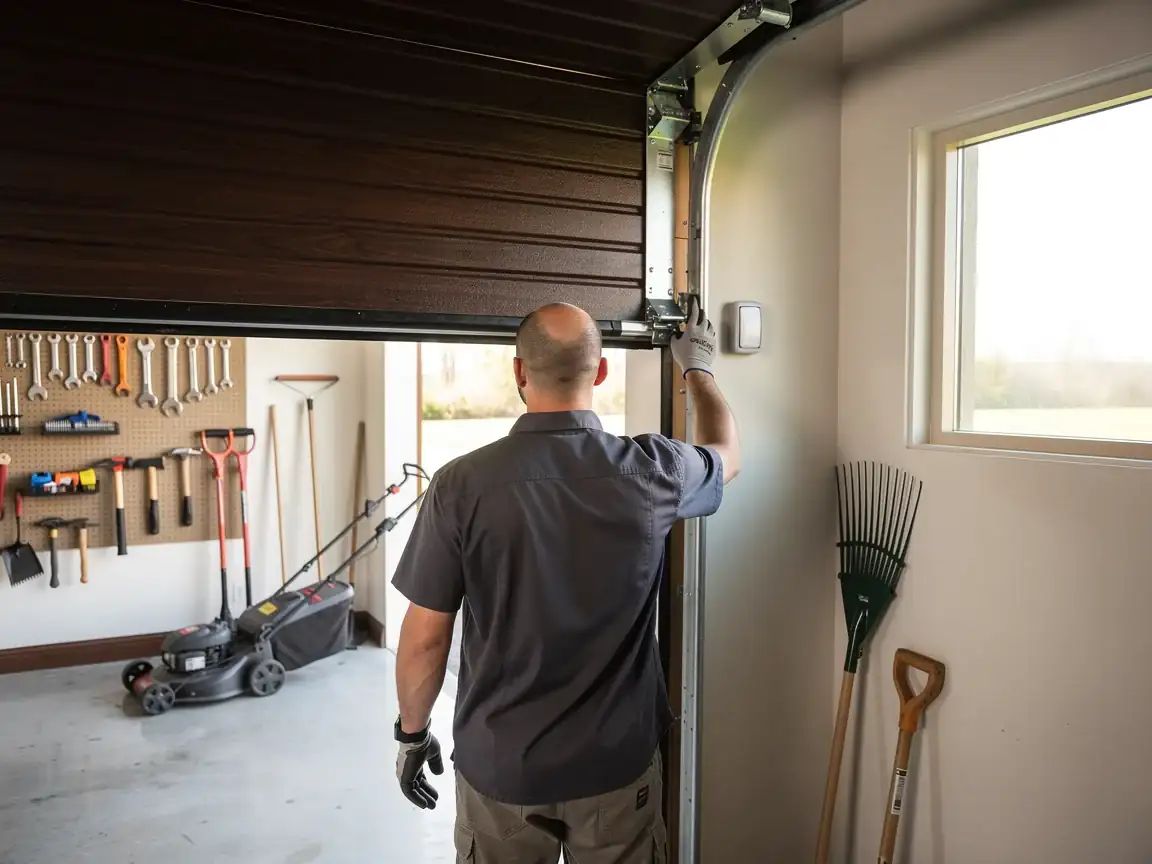
We don't have a flat number to quote here, because repair versus replacement depends on what's actually inside the housing once we open it up. A gear kit and belt tension adjustment is a smaller job than a board failure, and a board failure is smaller than a full opener swap on a house that's never had one. What we can say is that on a 1978-built home, the original motor has usually outlived its design life by a wide margin, and sinking money into a third repair on a first-generation chain-drive unit is where most owners decide replacement makes more sense than another patch.