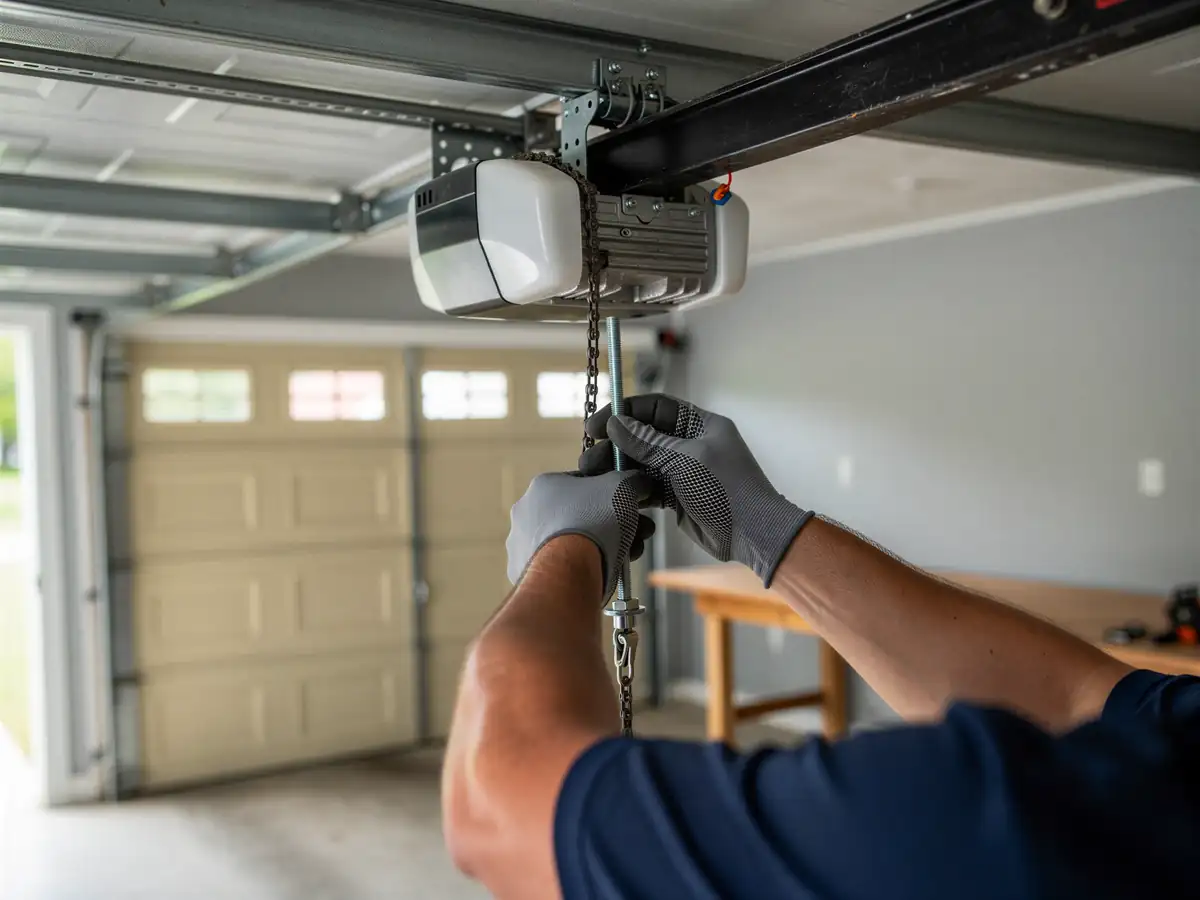
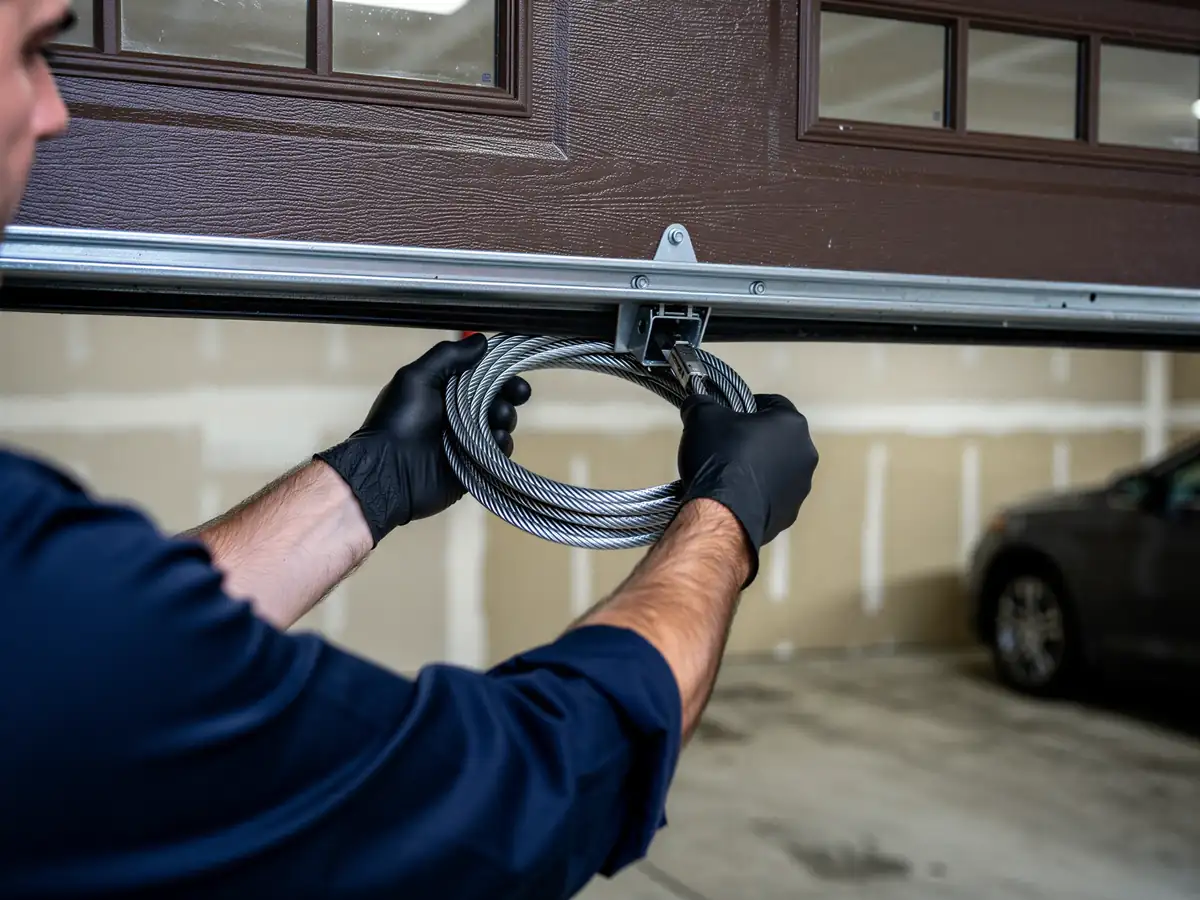
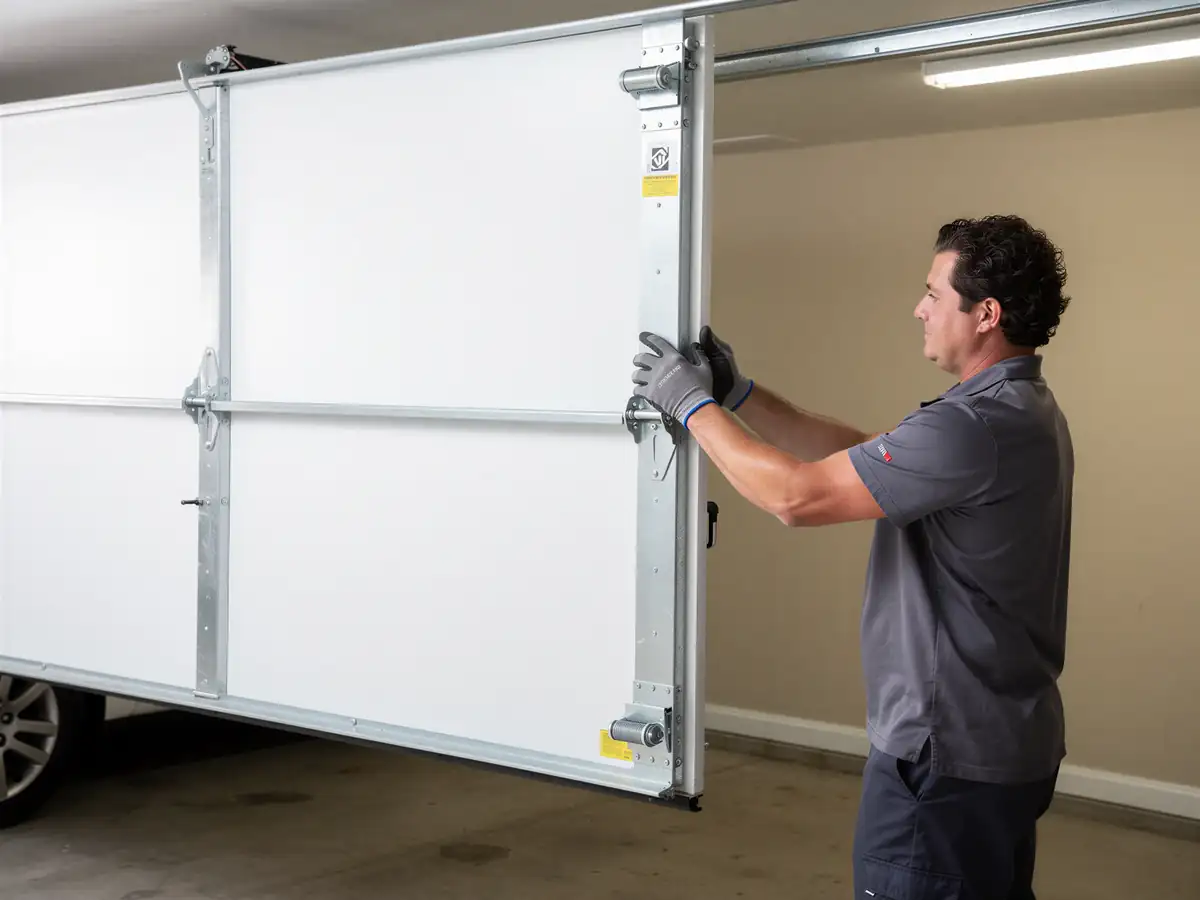
What People Here Ring About
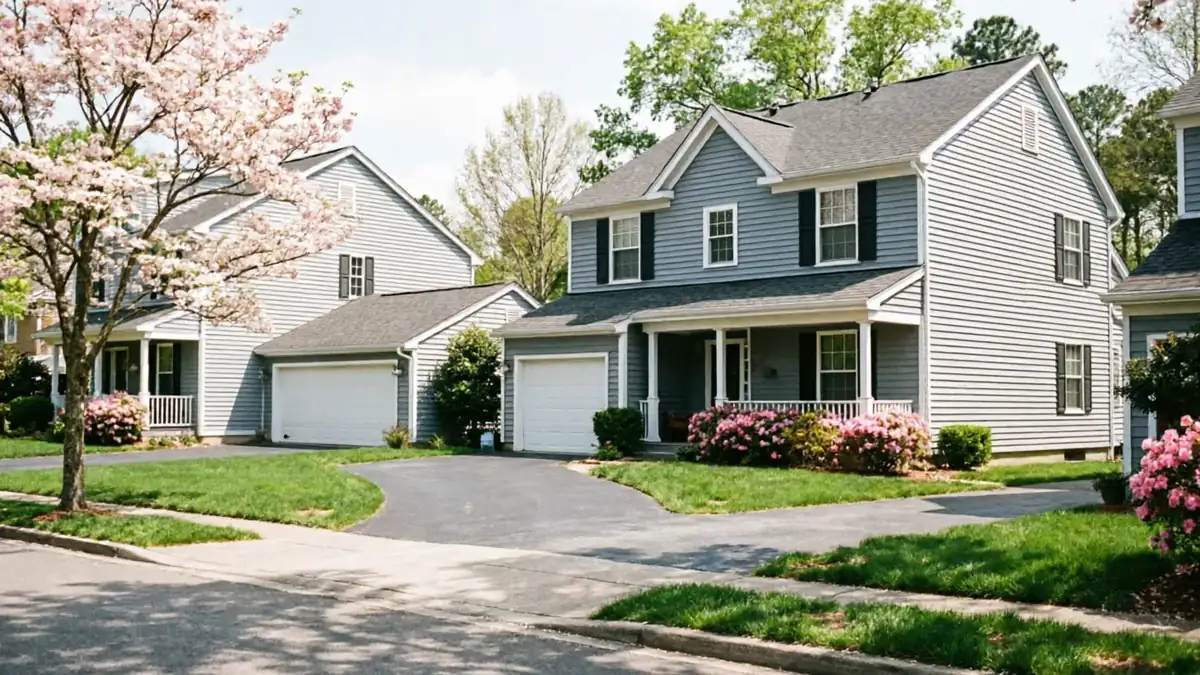
Smithfield's median home was built around 1973
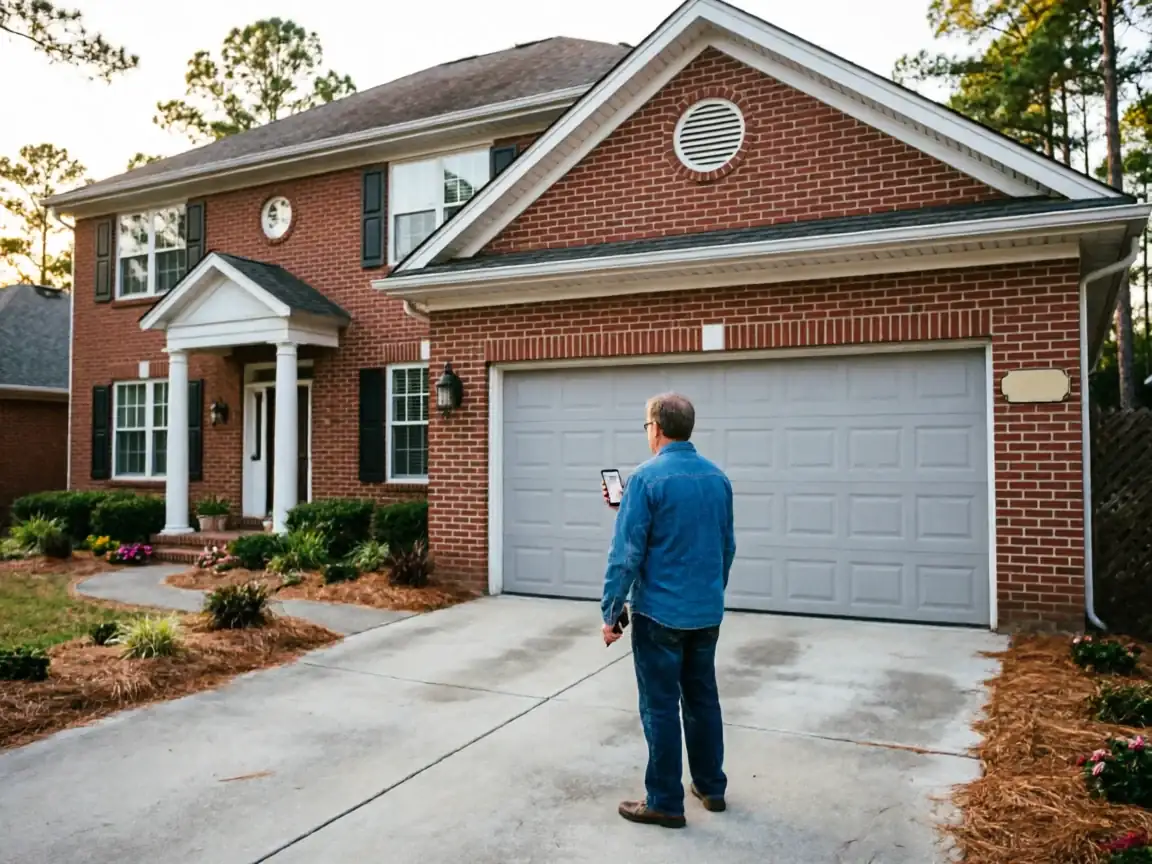
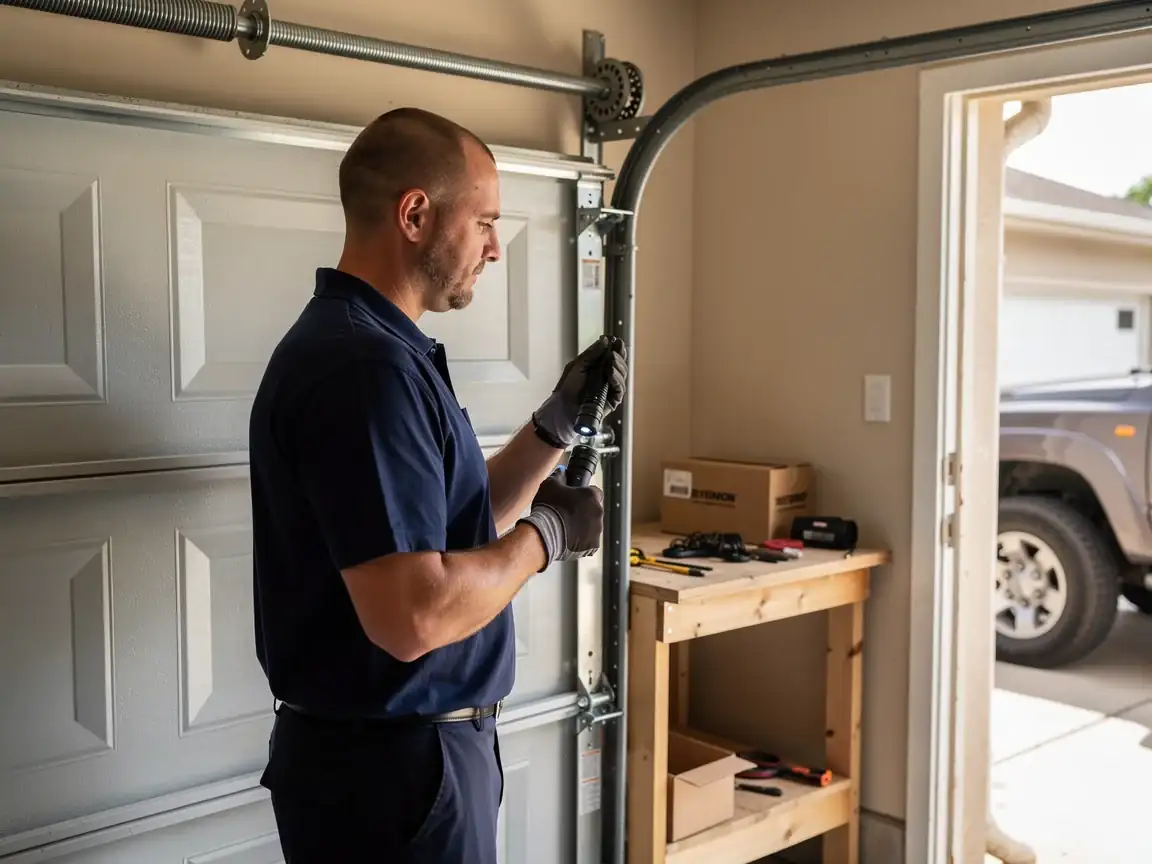
A good decade older than the 1985 median across our wider coverage area. That gap matters. Calls from this side of town run heavier on worn extension springs, pitted rollers, and openers that are clearly a second or third replacement unit bolted onto original track. We also see galvanized track that's gone wavy from age rather than from a hit, which changes how we diagnose a door that's binding partway up.
With roughly 4,765 households in Smithfield and a median income of $37,827
Lower than the $55,051 median across the broader service area - we hear a lot of "what will it actually cost" before anyone schedules. We'd rather quote the real fix than talk someone into a door they don't need. If a spring swap gets you another several years out of a sound door, that's what we tell you.
- 4,765 households
We don't keep a crew stationed in Smithfield
We run out from Clayton, about 11 miles up the road, and that's the honest shape of the service - not a local shop, a truck that comes to you.
- 11 miles
The Houses Here
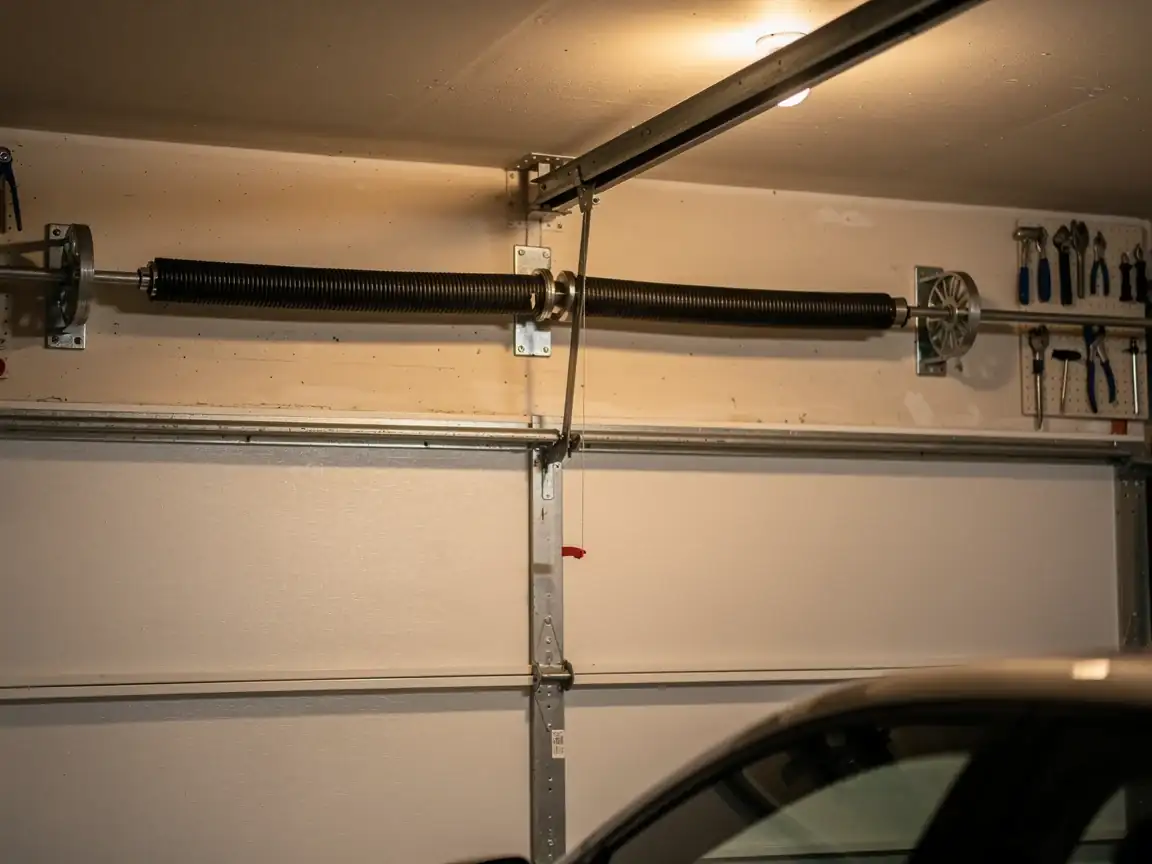
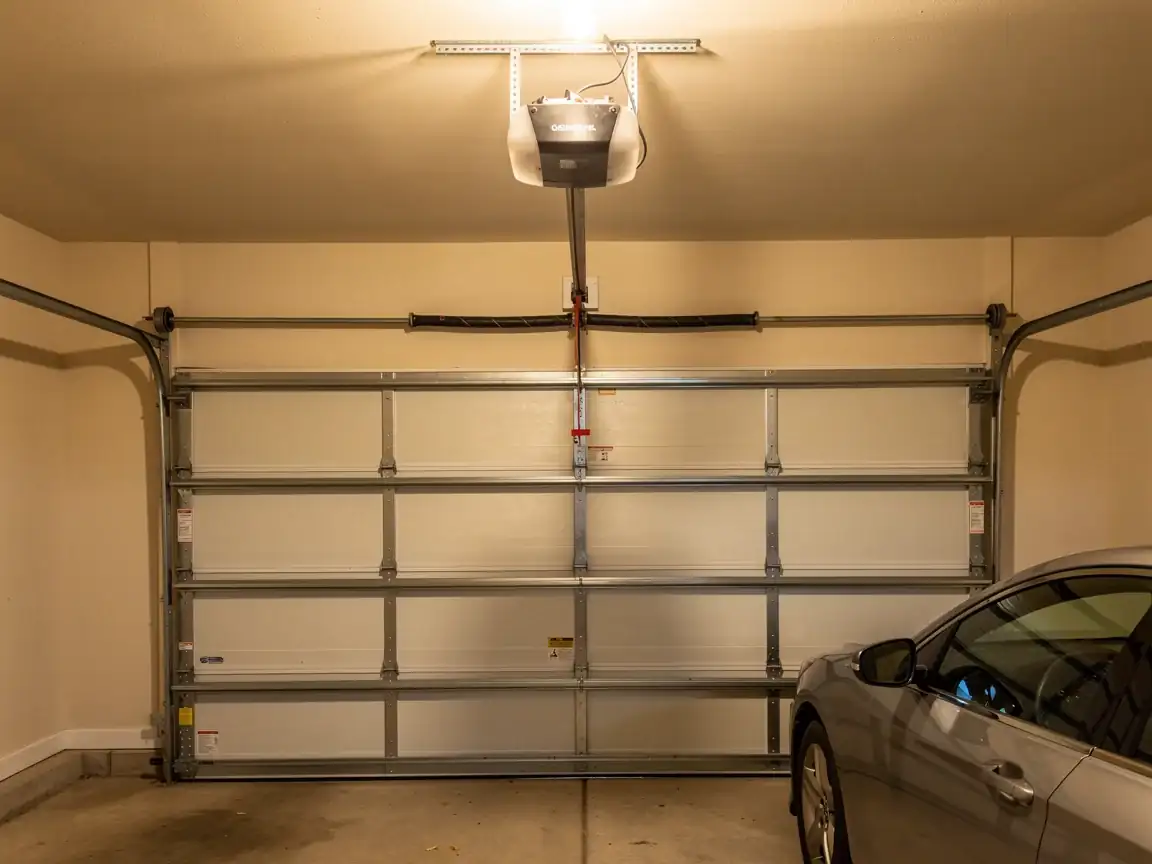
A door installed in the early-to-mid 1970s is a different animal than one from 1990. Expect steel sections without the foam-filled insulation that became common later, single-layer in a lot of cases, and hardware sized for a lighter panel. Extension springs mounted over the horizontal track are far more common on these than the torsion springs that dominate newer construction elsewhere in the service area, which runs 1968 to 2013 with a median around 1985.
That older stock means parts aren't always a universal match. A torsion conversion kit for a house built in 2005 doesn't bolt onto a frame built for extension springs. We carry stock for both, but if you've got an unusual track width or a header that was never built for heavier insulated panels, it's worth a look before we quote anything over the phone.
The honest limitation: on some of the oldest Smithfield doors, by the time a repair makes sense dollar-for-dollar, replacement is the better call. We'll say that out loud rather than keep patching a door that's fighting its own frame.
How Soon We Can Come Out
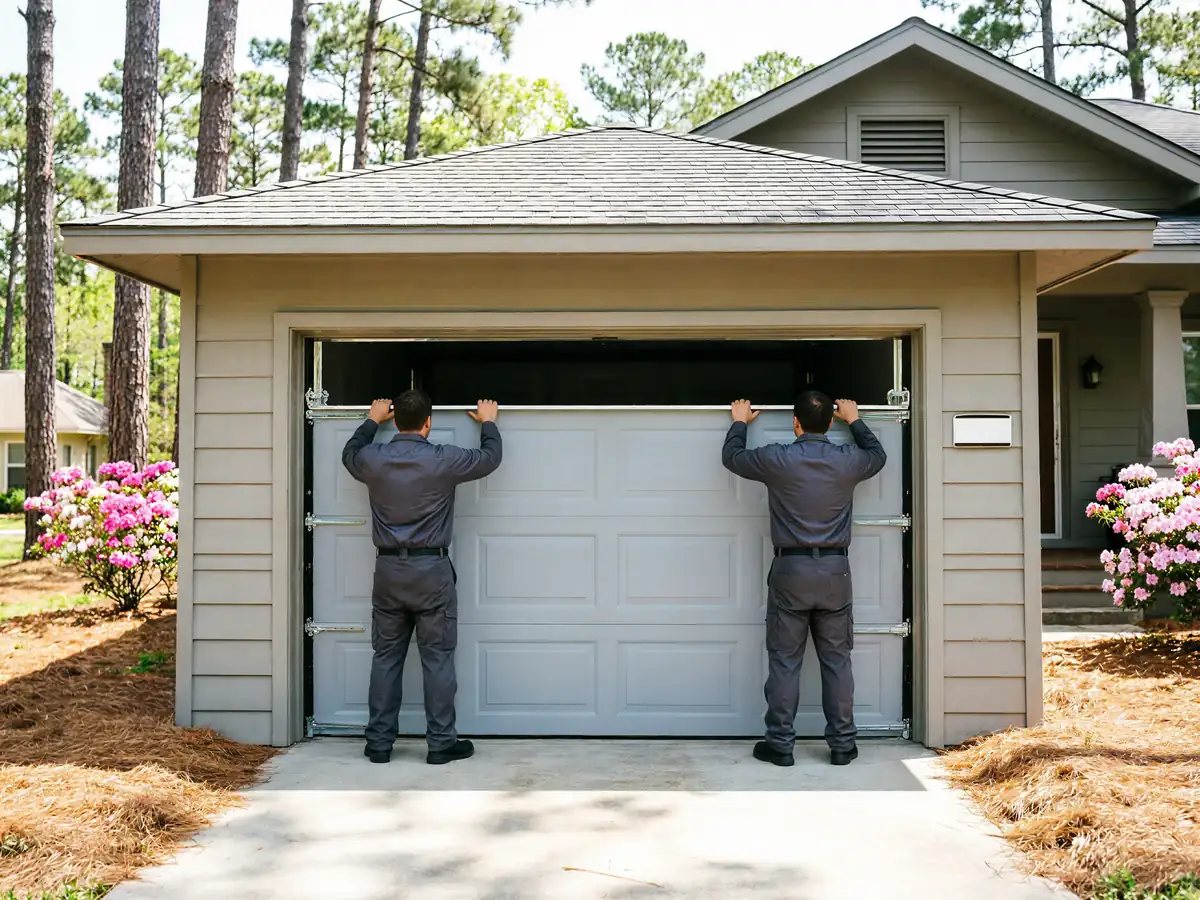
We're based in Clayton, about 11 miles from Smithfield, so every call here is a drive, not a walk-down-the-street job. We don't promise a response time we haven't actually measured for this area, and we're not going to make one up. What we can tell you is that the trip is built into how we schedule the day - Smithfield jobs get grouped when we can, rather than squeezed in as an afterthought.
If your door is stuck shut with a car trapped inside, say so when you call. If it's a noisy opener or a slow-closing track, that's a different kind of visit and we'll tell you honestly where it falls in the queue. Either way, the distance from Clayton is real, and we're not going to pretend it isn't part of the picture.
How That Shows Up in the Door
Put the pieces together and Smithfield's doors ask for a different kind of attention than the newer subdivisions closer
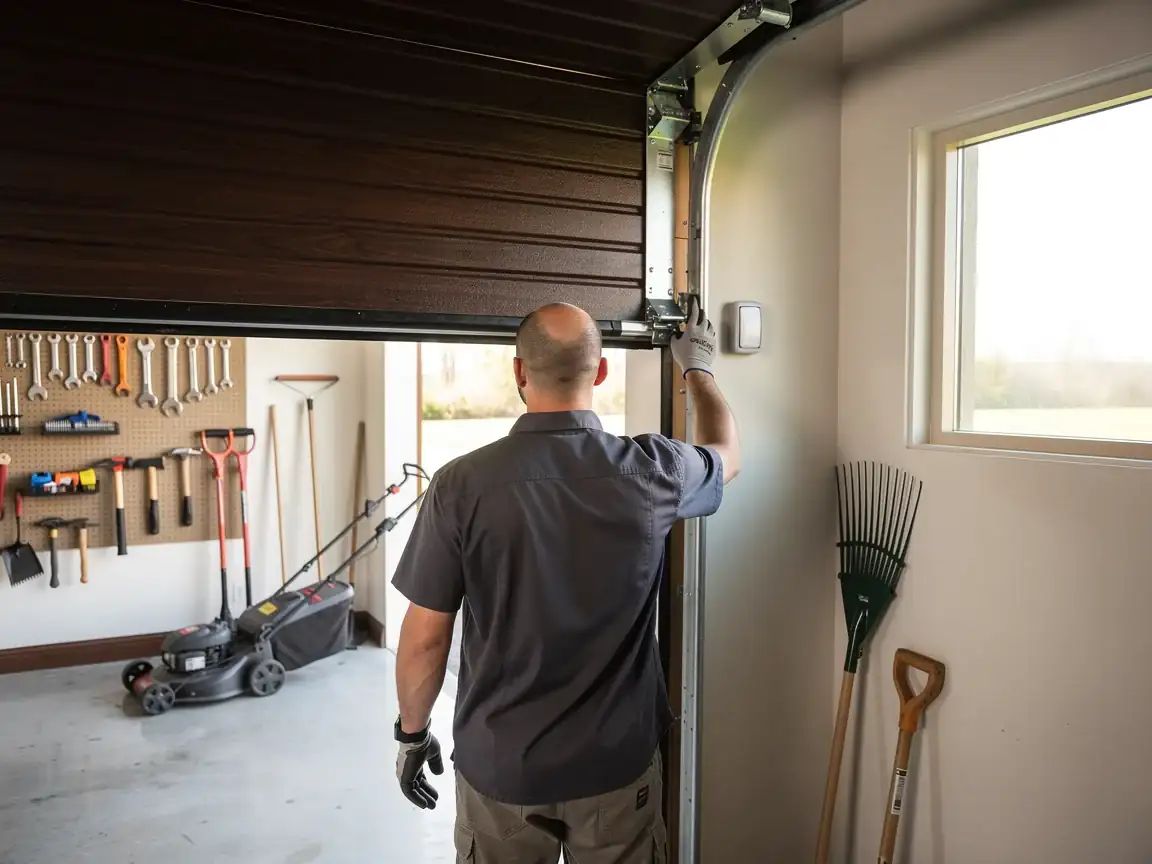
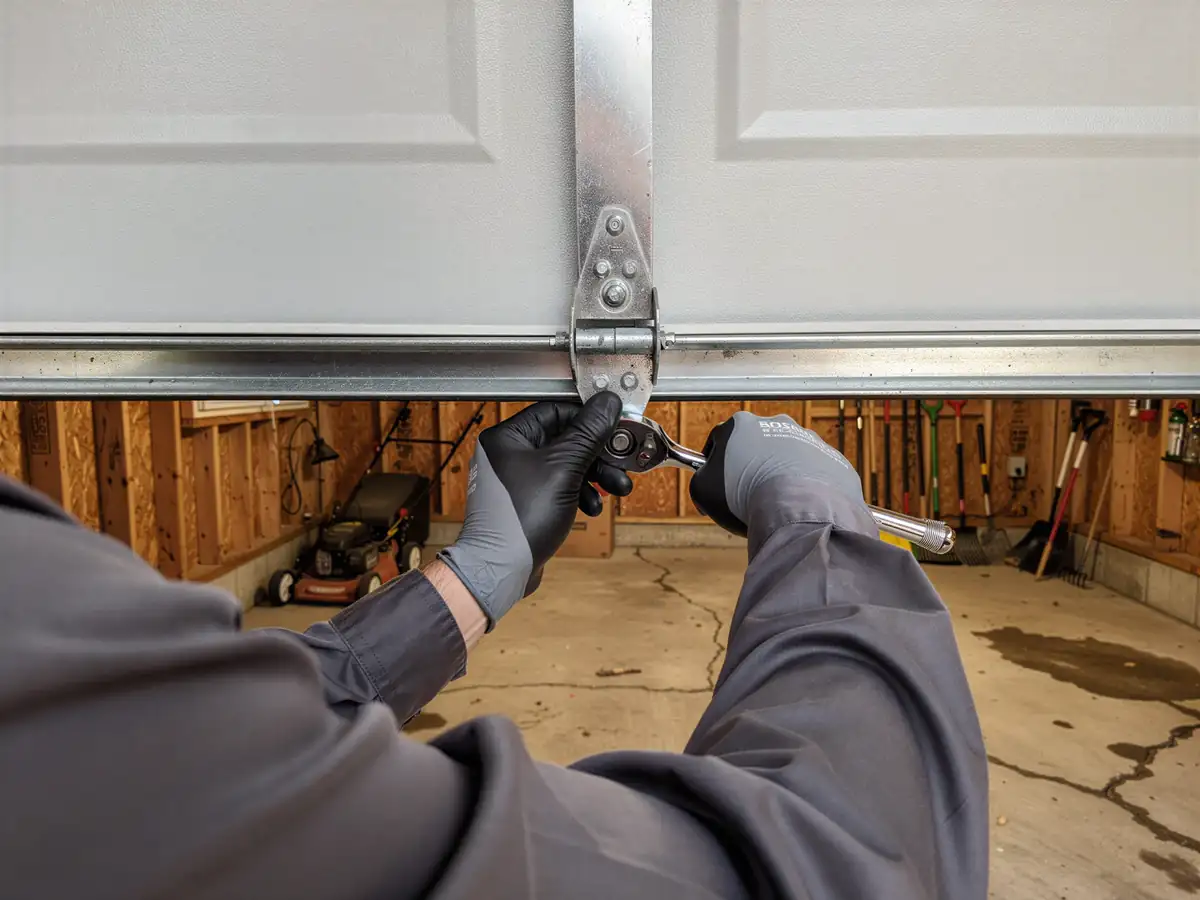
A 1973-era door with original extension springs has usually been re-sprung at least once by now, often with a spring that's close but not quite matched to the door's weight - which shows up as a door that slams the last six inches or one that won't stay put when you let go halfway.
The region sits in a cold-moderate climate band
Which doesn't spare older steel from seasonal stiffness - grease that's thickened up, hinges that have never been lubed, cables with a little surface rust. None of that is dramatic, but on a 50-year-old door it adds up faster than on a door built after insulation and better coatings became standard. We look at the whole system, not just whatever part is making the noise you called about.