How Long You Are Without the Door
Smithfield is a town of 4,765 households
Small enough that a broken spring or a dead opener on your street isn't a rare event in a vacuum - it's a known pattern for the stock built there. The median home here went up around 1973, more than a decade before the 1985 median across the wider Clayton service area, so the doors and operators in a lot of these houses are older than what we see closer to Clayton itself.
- 4,765 households
We run from Clayton, about 11 miles out, so we're not sitting in Smithfield waiting on a call
We don't publish a guaranteed window for this town, and we won't invent one. What we can tell you is that a stuck door almost always comes down to one of a short list of parts - spring, cable, roller, opener board - and most of those we carry on the truck without needing to special-order, which is what actually determines whether you're waiting one day or several.
- 11 miles
What Is on the Truck
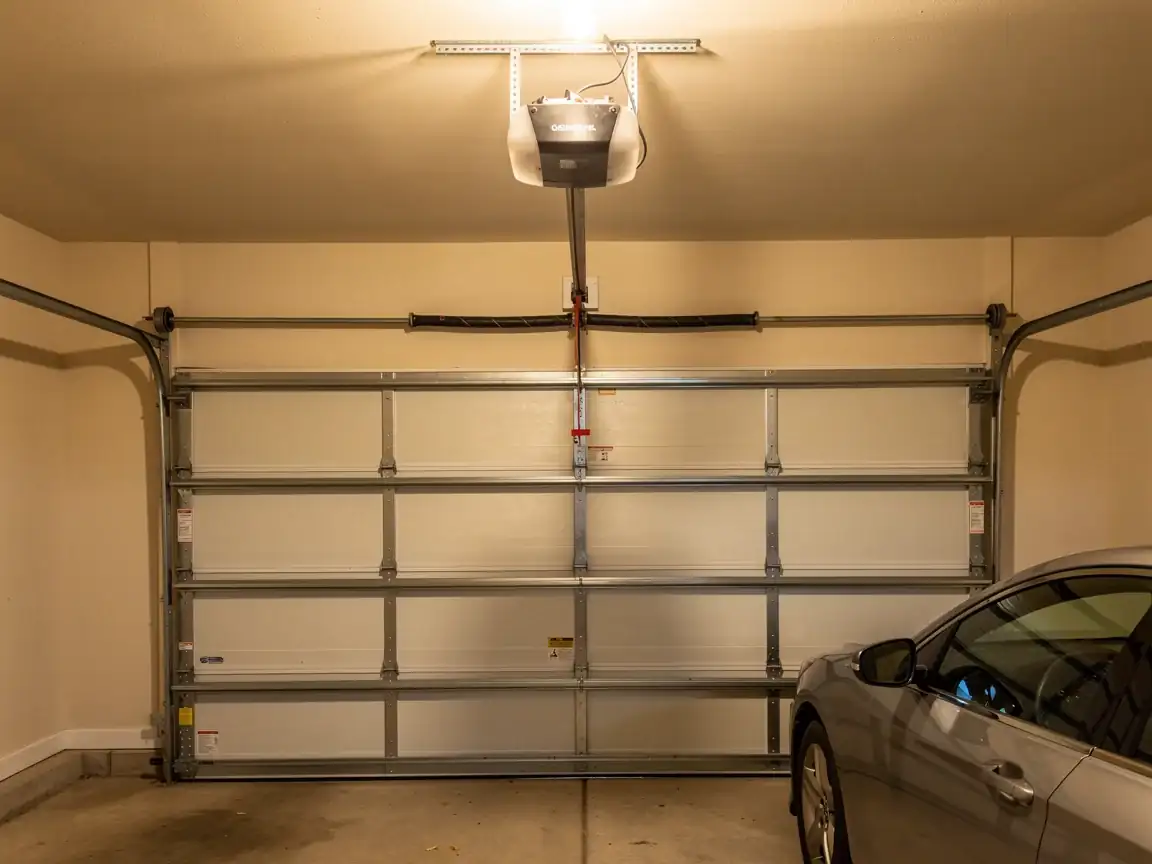
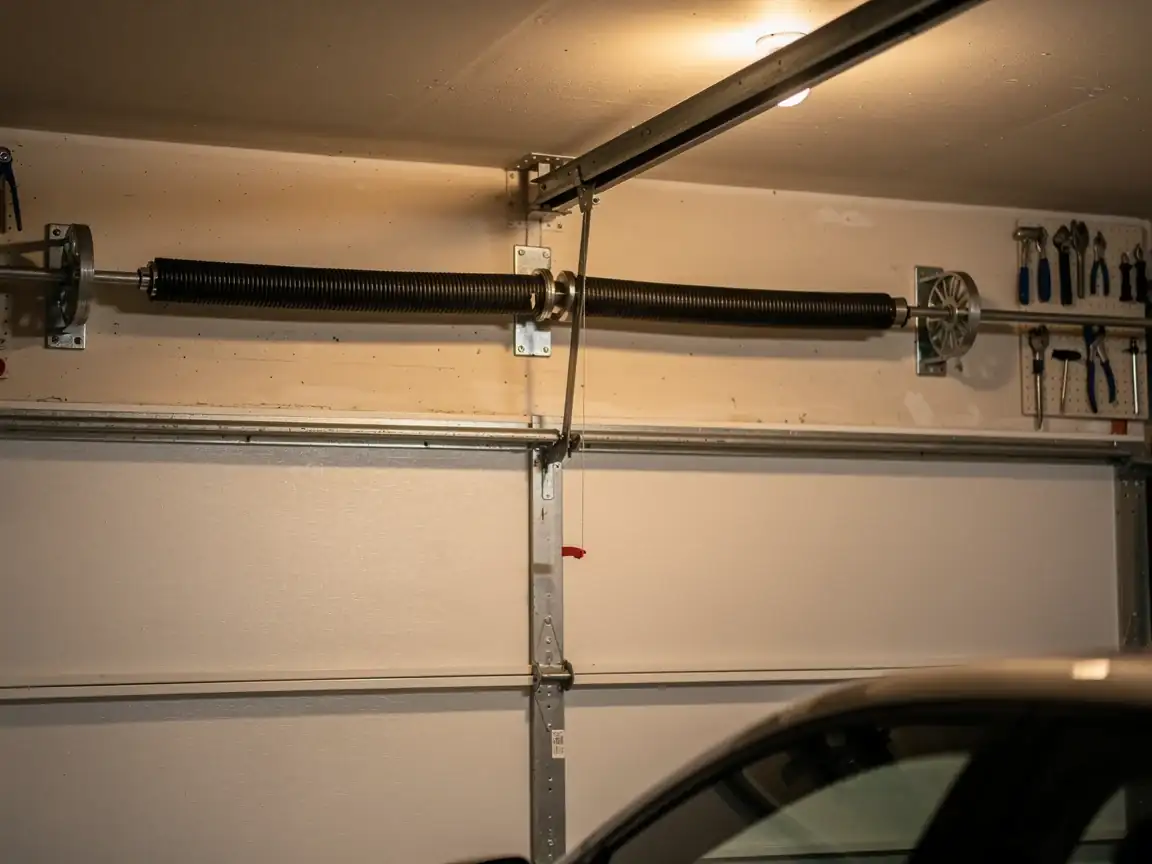
Houses built in the early-to-mid 1970s, which describes a good share of Smithfield, tend to run torsion or extension springs sized for doors that are heavier and narrower than what builders used after the mid-80s. The hardware on a 1973 door isn't the same as the hardware on a 1995 door, even if both look fine from the driveway.
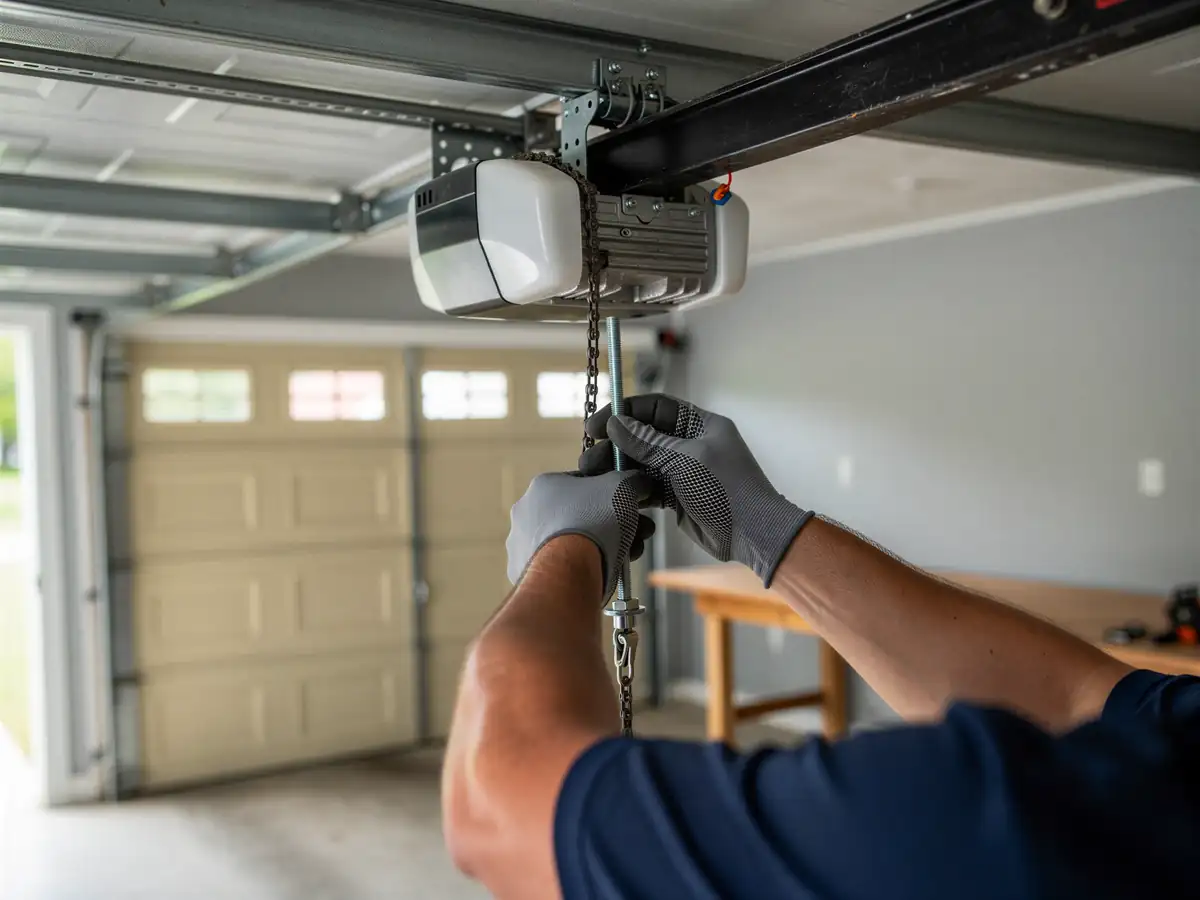
We stock springs and cable across that range, along with the rollers and hinges that wear out first on original doors that have never been replaced. What we don't carry is every obsolete opener logic board - some of the older chain-drive units in this area use control boards that are no longer made, and if yours is one of those, replacement of the opener head is usually the honest answer, not a repair quote that keeps you waiting on a part that isn't coming.
What You Are Seeing
The climate band here is cold-moderate, which in practical terms means winter is cold enough to stiffen grease and tighten metal but not so cold that it dominates every call. On a door from the early 1970s era, that shows up as a spring that was already near the end of its cycle life finally letting go on a cold morning, or a track that's slightly out of plumb from decades of settling and now binds harder once the temperature drops.
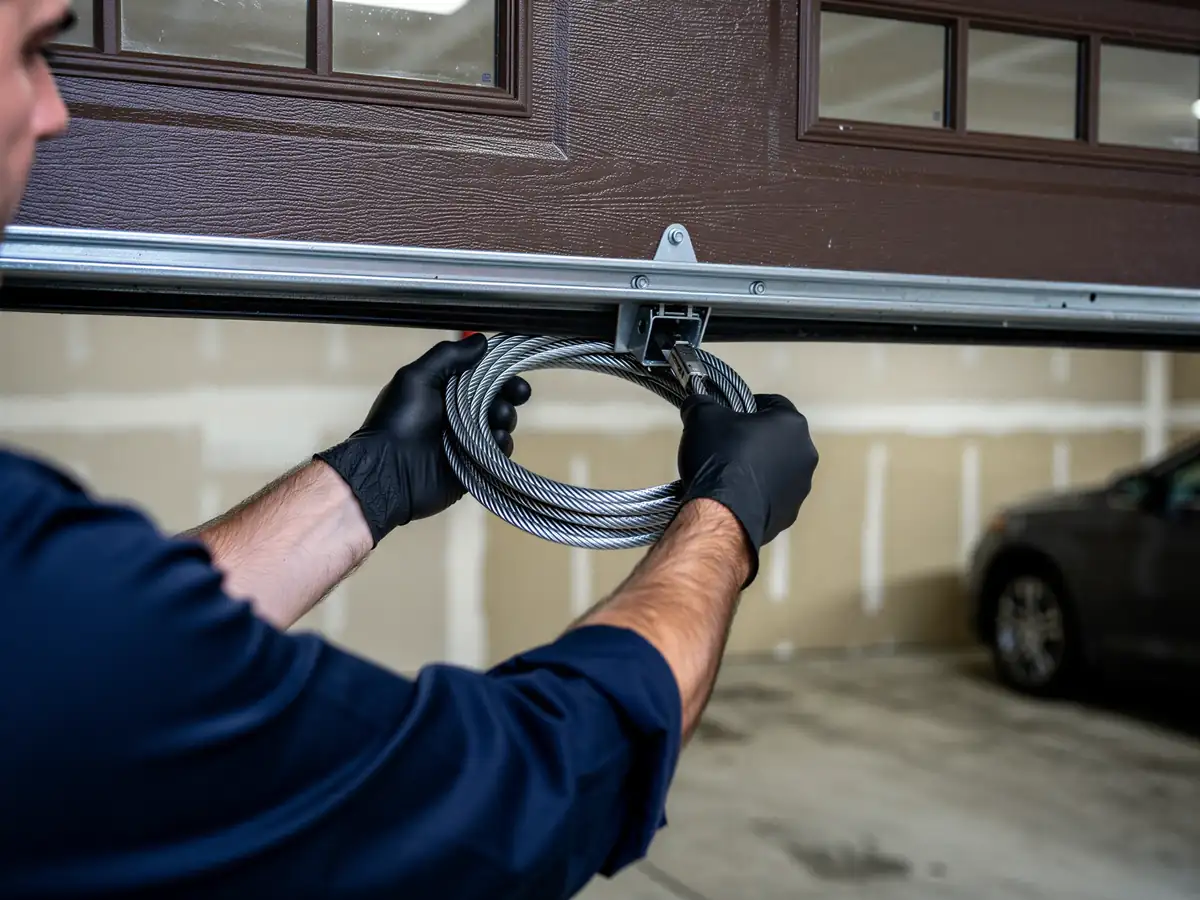
A sagging bottom panel, a door that reverses halfway up, or a cable that's frayed at the bottom bracket - these aren't random. On older Smithfield stock they usually trace back to original hardware that's simply run its full life, not to anything the homeowner did.
Can You Do This Yourself
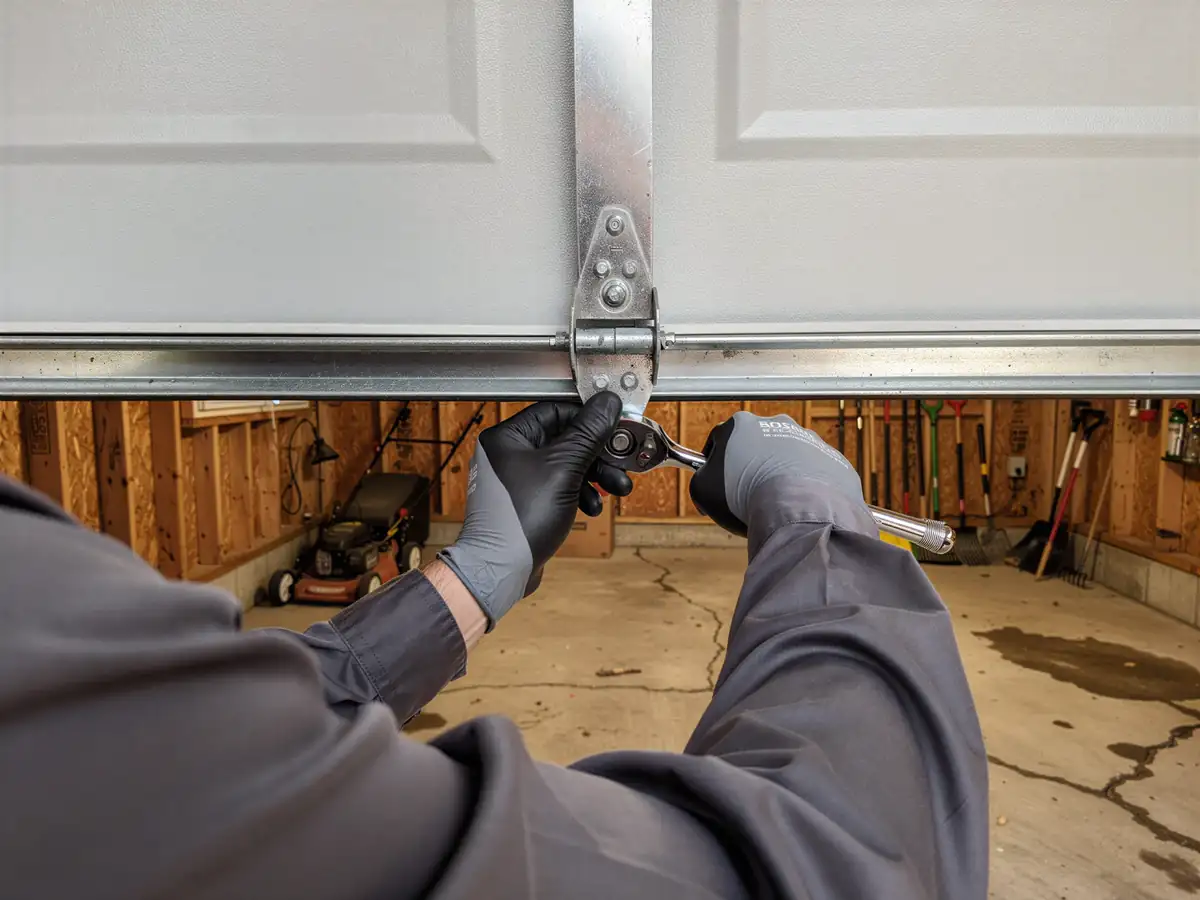
Rollers and loose hinge bolts, yes
If the door is off its track entirely or a spring has let go, that's not a weekend project. A wound torsion spring under tension has put people in the hospital, and on a door built in 1973 the spring, the end bearing plates, and the drum are all original-era parts that don't always match what's sold off the shelf today.
If you're comfortable with a wrench and the door is still moving under its own power
Tightening track bolts and lubricating rollers is reasonable work. Past that - broken springs, bent track, an opener that's grinding - it's worth a call rather than a trip to the hardware store, especially on hardware this old where the wrong replacement part can make the next failure worse.