How Long You Are Without the Door
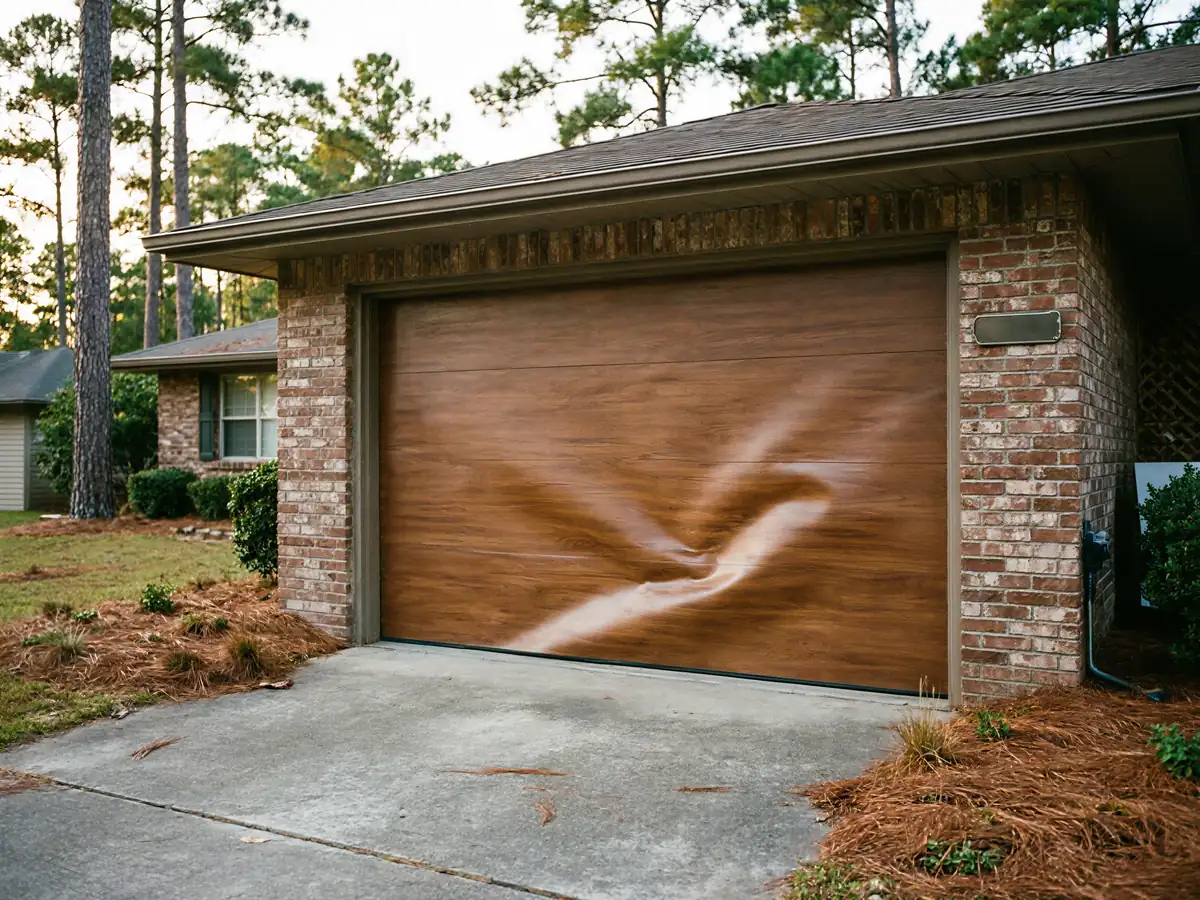
A snapped lift cable on a Smithfield garage almost always means the door is stuck
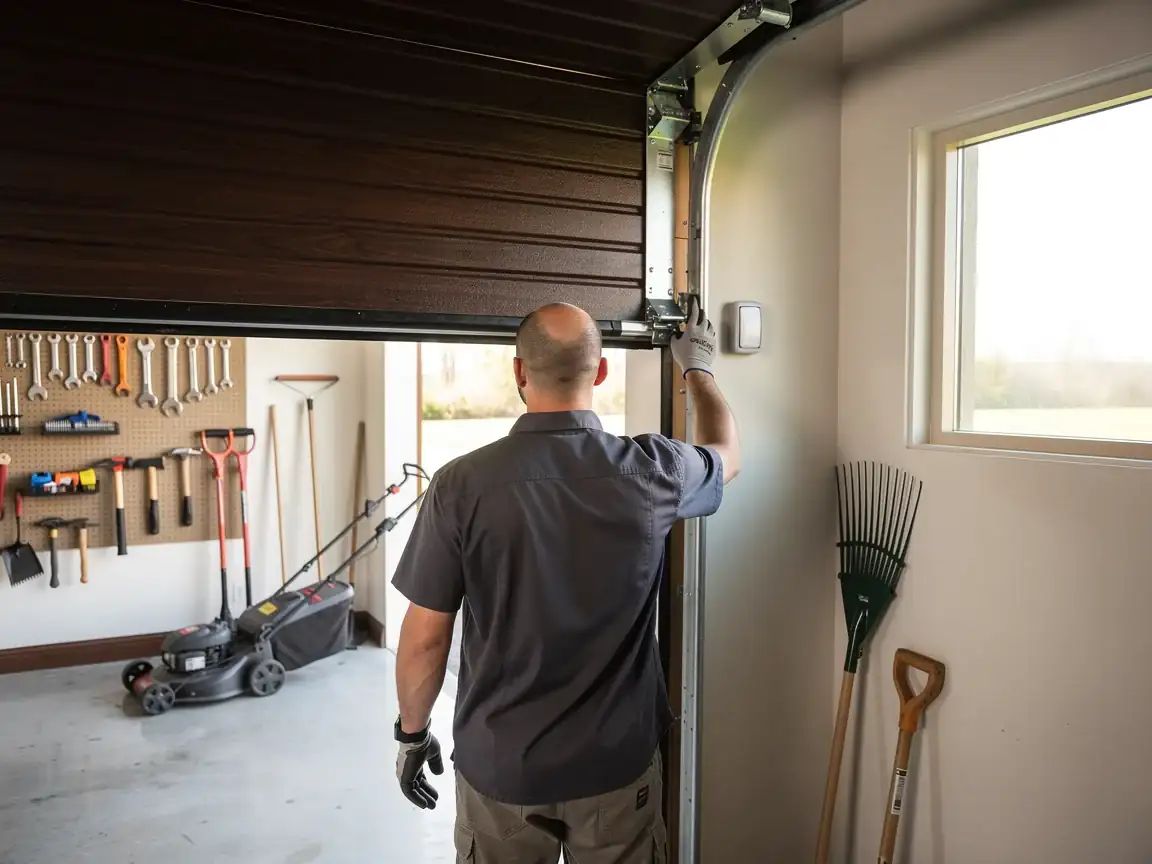
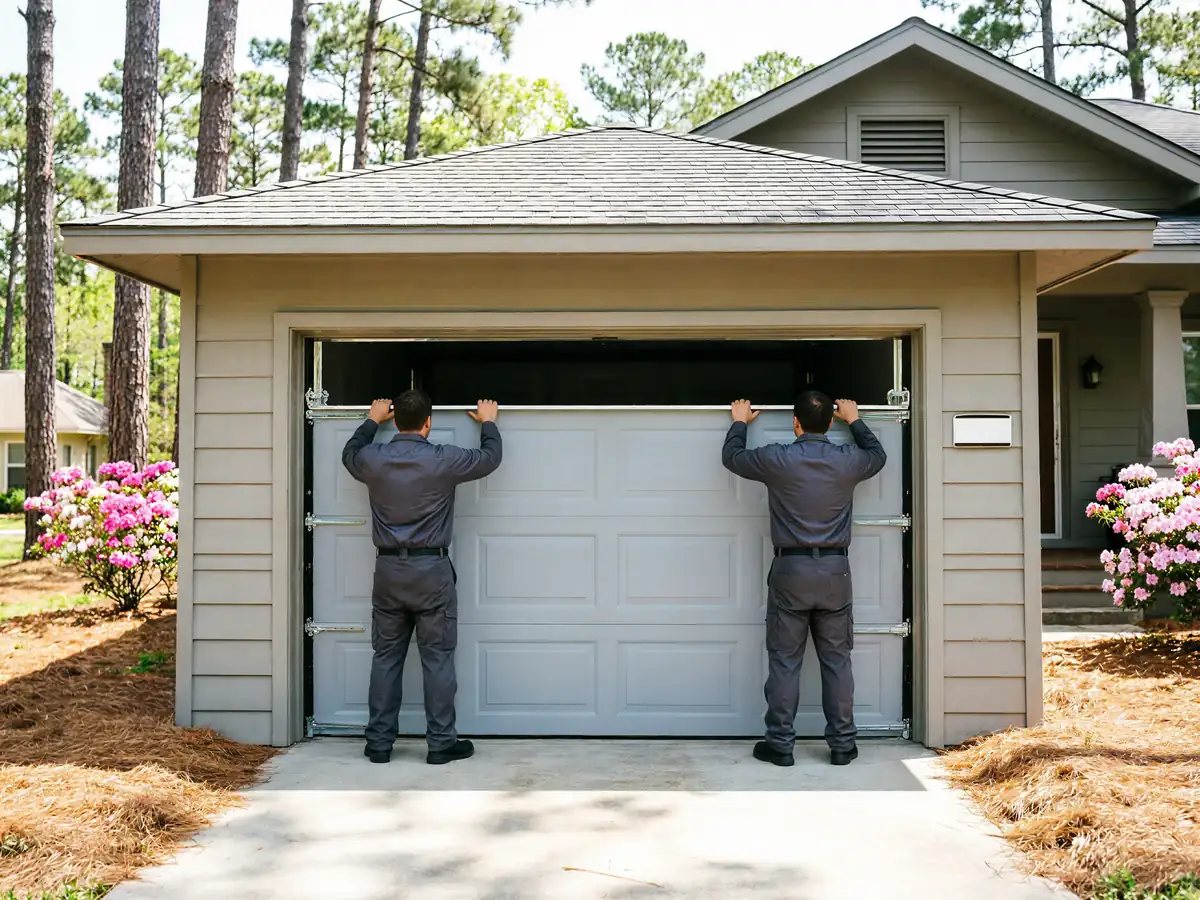
Usually half-open or jammed crooked in the track, because one side of the door is still hanging on tension while the other has dropped. You should not force it. On the extension-spring setups common to houses built around Smithfield's median year of 1973, a single frayed cable can let the door drop fast enough to bend a track or pop a roller, which turns a cable job into a bigger one.
We come from Clayton, about 11 miles out, so the drive is part of the job, not an extra
We don't promise a same-hour arrival here the way we might for calls closer to the shop - that's the honest tradeoff of covering a wider service area. What we can tell you is that a cable repair itself, once the truck is there, is usually a same-visit fix: pull the old cable, check the drum or pulley it rode on, and re-tension the opposite side so the door hangs level again.
- 11 miles
What Is on the Truck
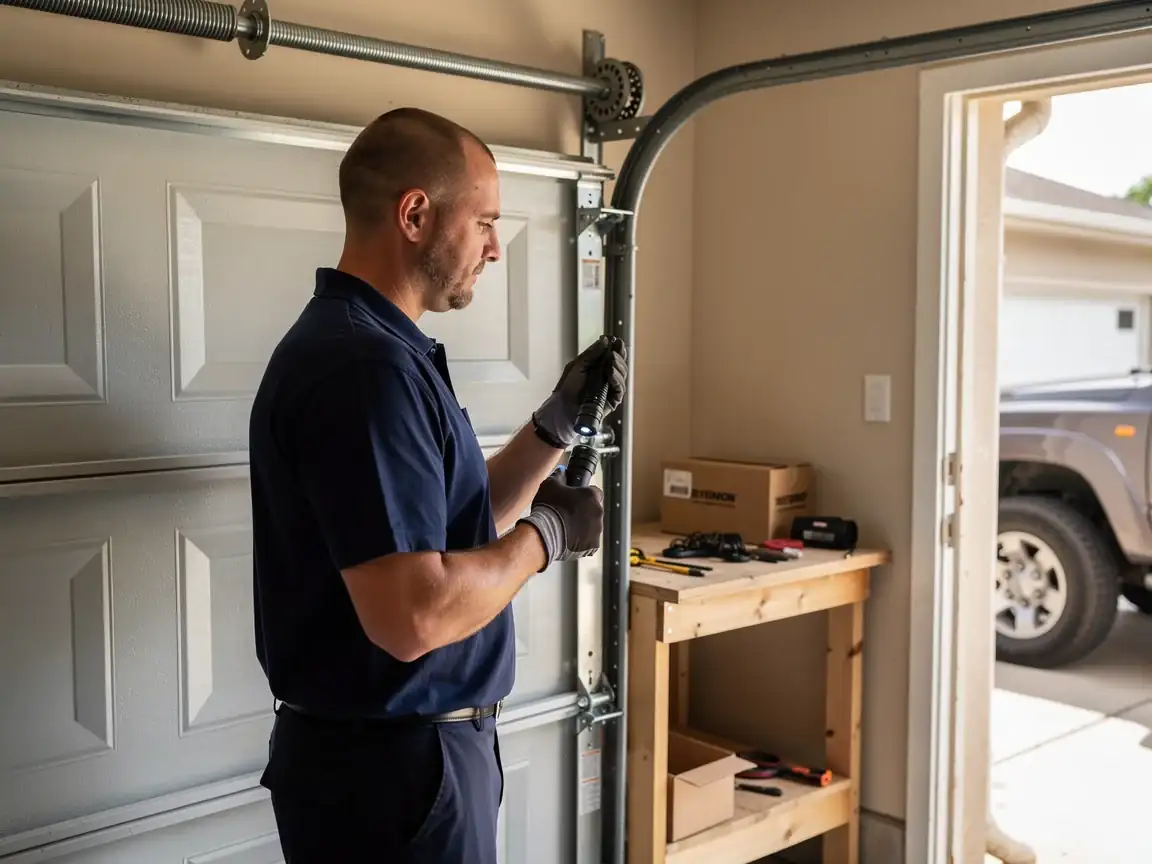
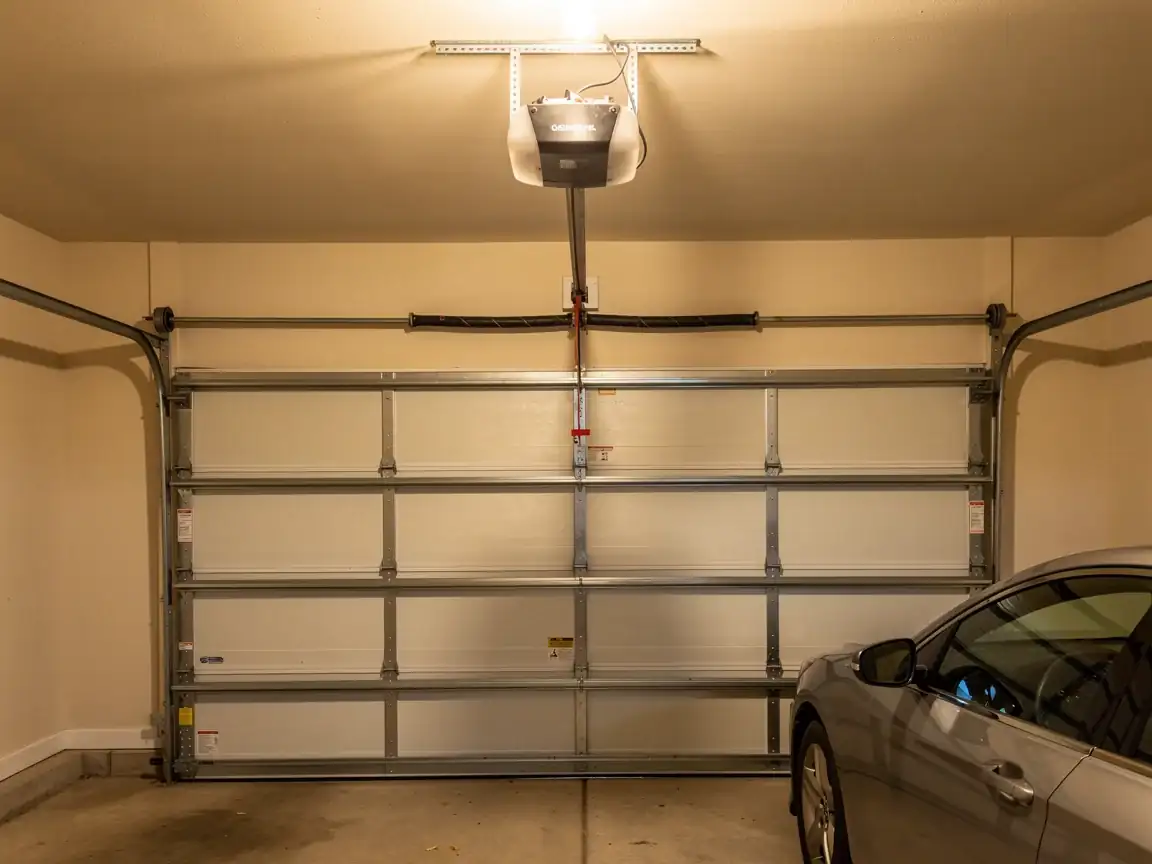
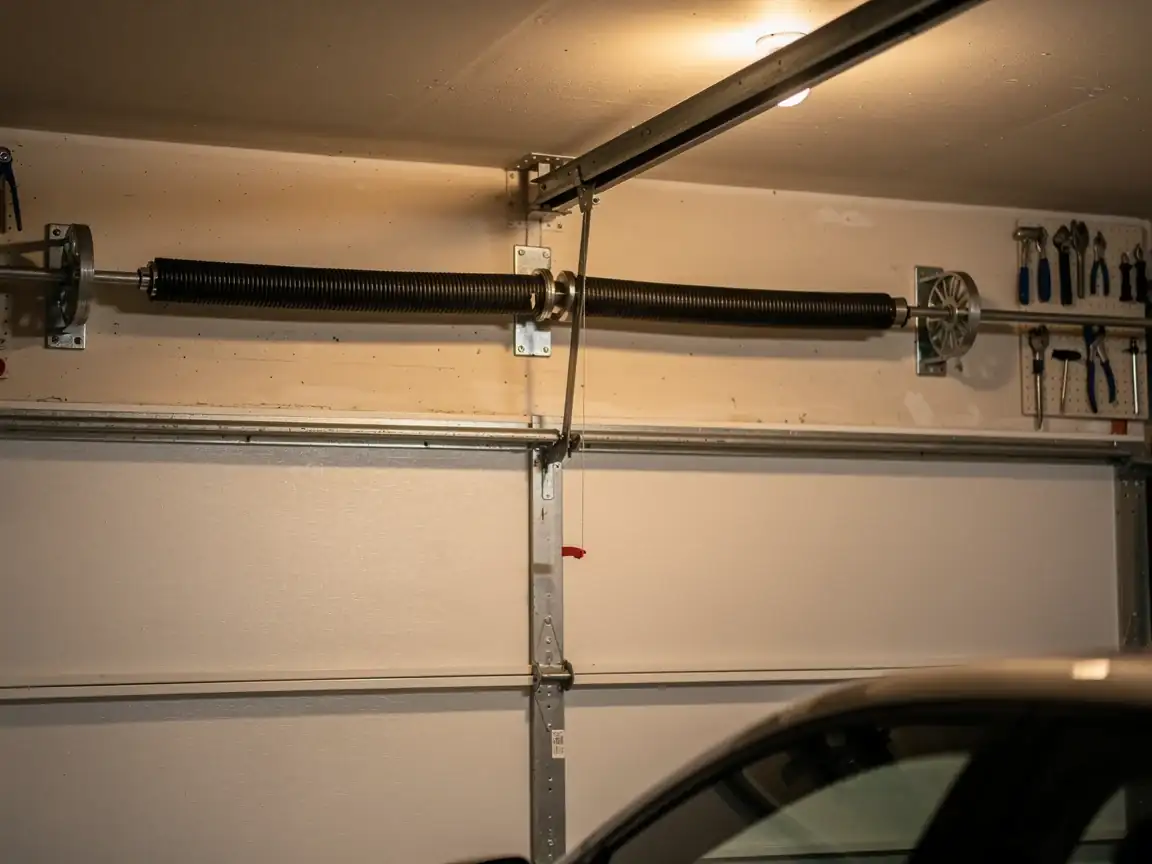
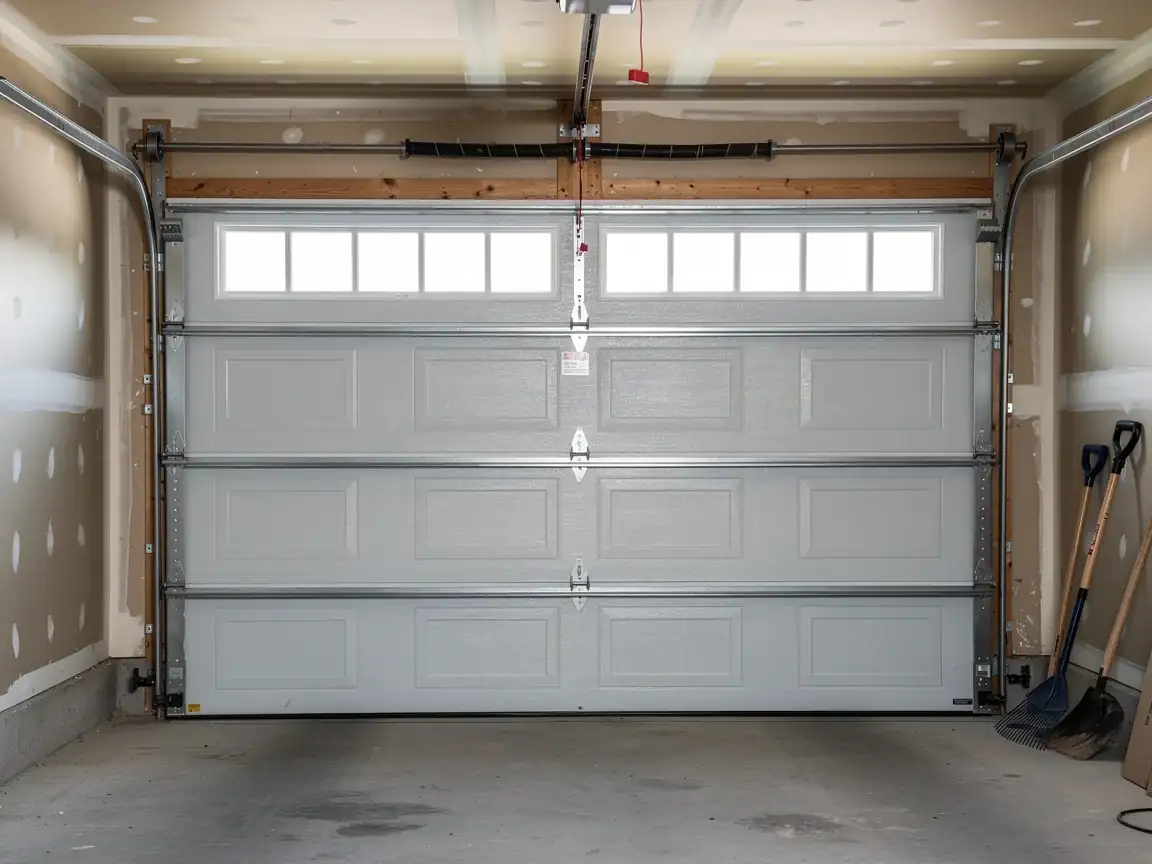
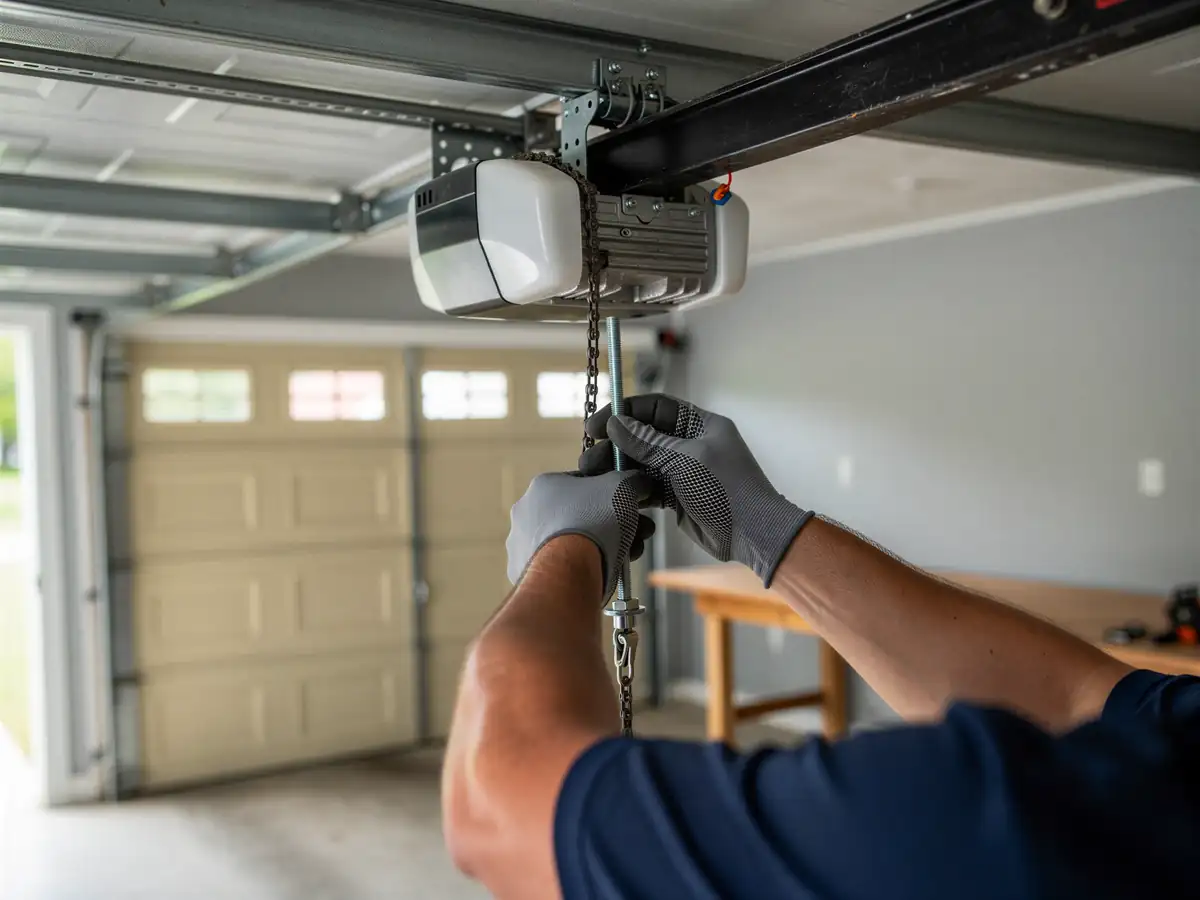
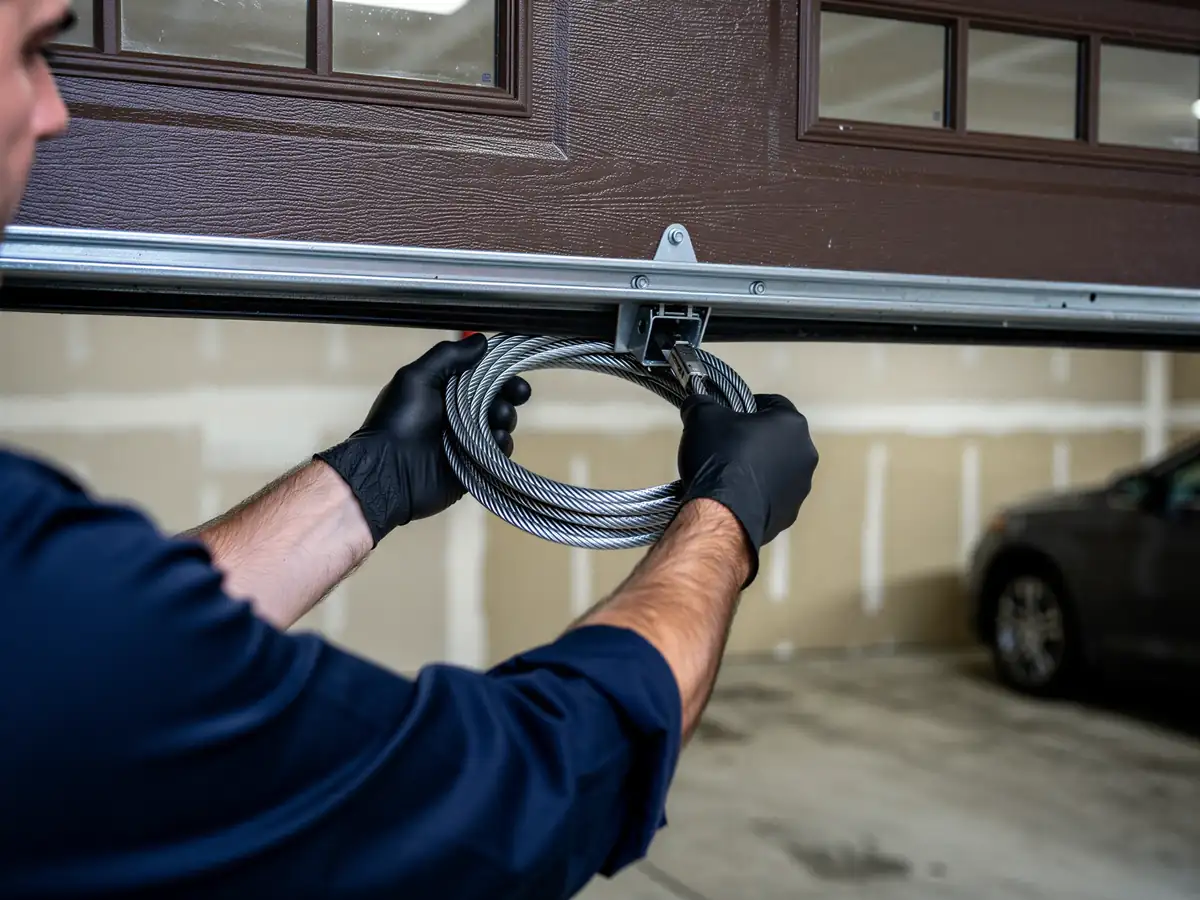
For a town where the housing stock runs mostly 1970s through the 1990s (the service area as a whole spans 1968 to 2013, median 1985), we carry galvanized aircraft cable in the diameters that match both extension-spring doors from the early stock and the torsion setups more common in anything built after the mid-80s. We bring drums and pulleys sized for both, because Smithfield's older doors often still run the original extension-spring hardware with cables looped over stationary pulleys at the back of the horizontal track.
We also carry safety cables separate from lift cables - a different part doing a different job, and one that's easy to forget is missing on an older extension-spring door. What we don't carry is every spring size for every door ever made; if a job calls for something unusual, that part may need to be ordered, and we'll tell you that up front rather than guess at a fix.
What You Are Seeing
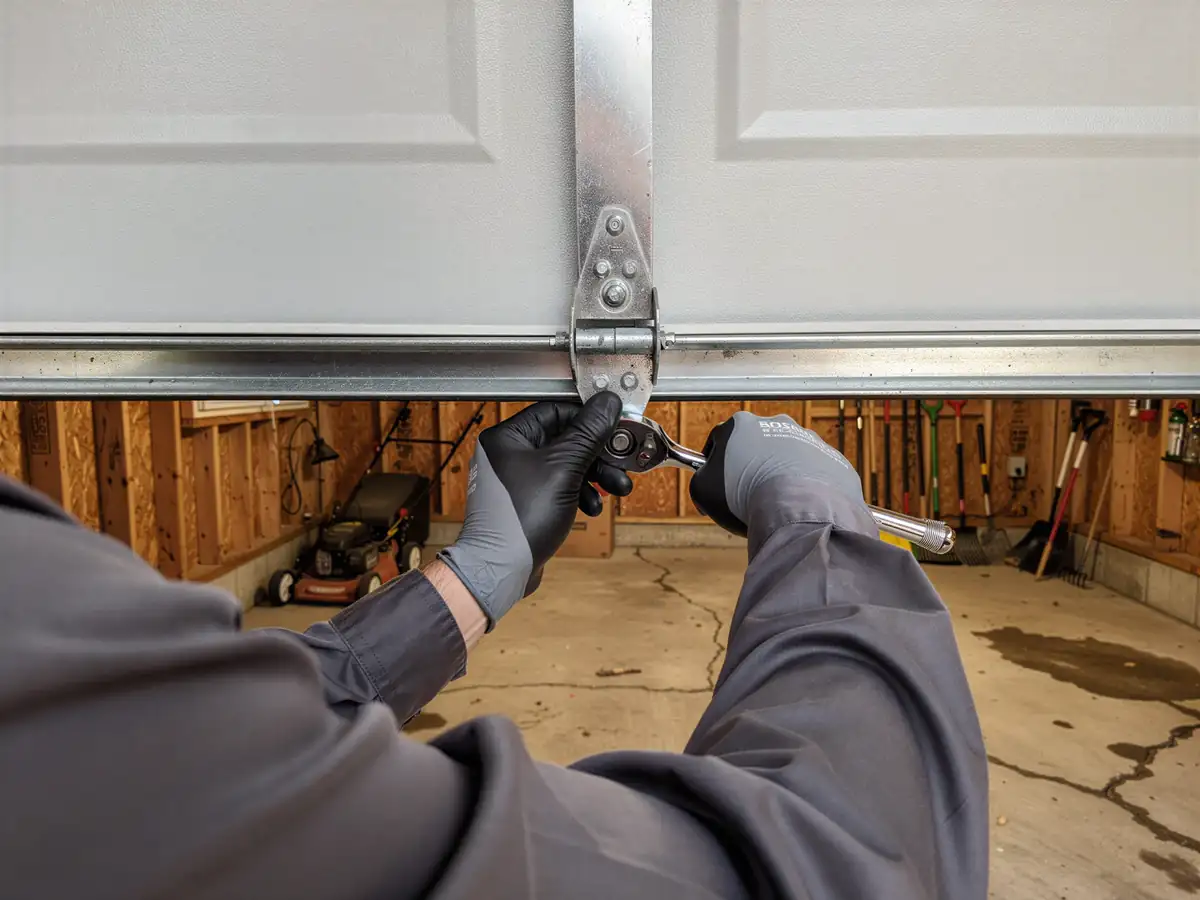
On a door this age, cable failure usually shows up as fraying near the bottom bracket, where the cable bends sharp every time the door cycles, or as rust where galvanizing has worn through after decades of cold-season swings. Smithfield sits in the same cold-moderate climate band as the rest of the service area, so cables stiffen and crack faster in January than July, and a cable that looked fine in summer can give out on the first hard freeze.
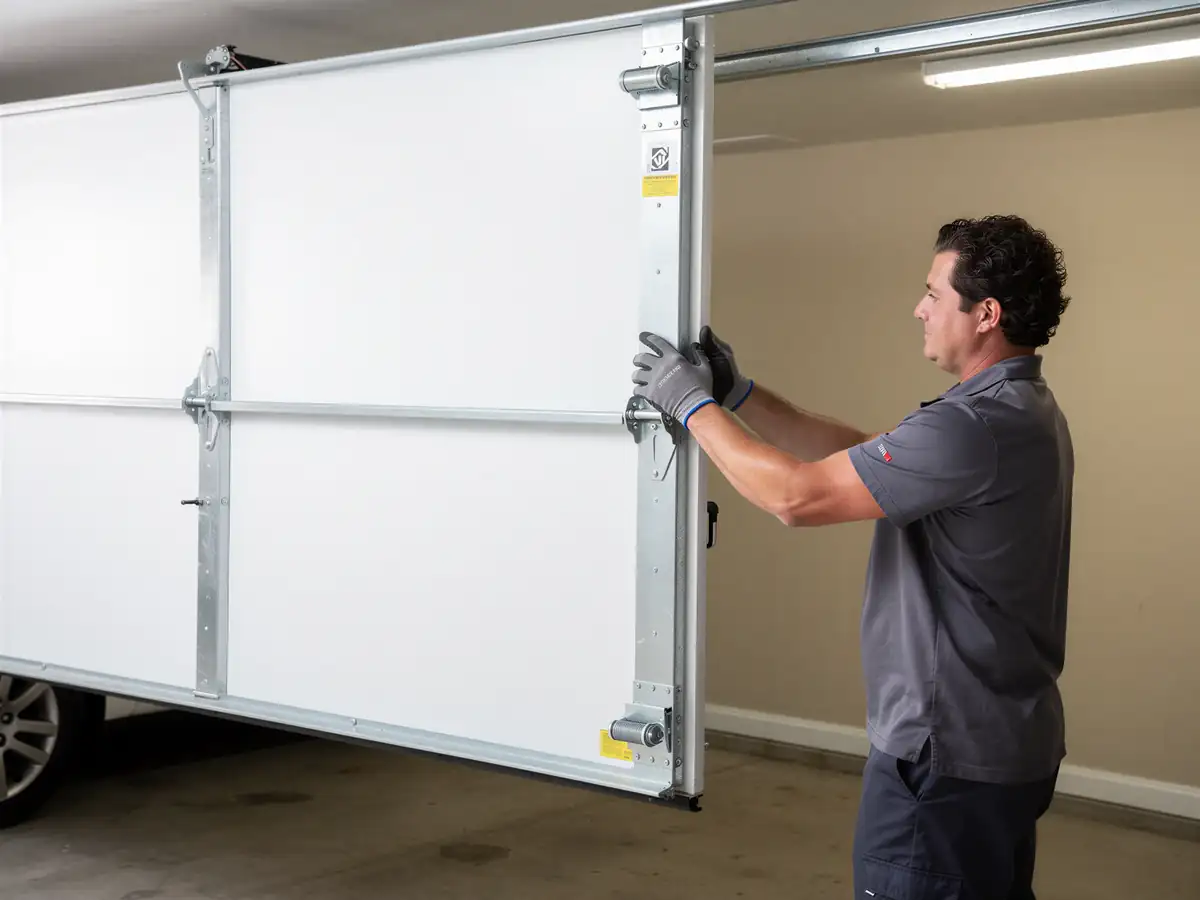
You might also see a door that lists to one side when it opens, hangs crooked a few inches off level, or makes a loud bang followed by the door refusing to move. That bang is often the cable letting go under tension, not the spring itself - two different failures that look alike from the garage floor but need different parts. If a door drops suddenly and sits at an angle, don't run the opener again; that's how a track bends.
Can You Do This Yourself
Cable work means working next to a spring under load
And on an extension-spring door from the early 1970s, that spring can still carry enough force to cause real injury if it lets go while you're near it. We don't recommend DIY cable replacement on these older setups, and we're not going to pretend otherwise to make the job sound simpler than it is.
With Smithfield's median household income at $37,827
Notably below the service area's overall median of $55,051 - we understand the instinct to want the cheaper fix over a full replacement, and for most cable failures, repair is the right call rather than a new door. Replacing a cable and inspecting the drum, pulley, and bottom bracket it runs through is usually enough. What's not worth doing yourself is diagnosing whether the track bent when the door dropped - that call is easier to get right in person.