What Is on the Truck
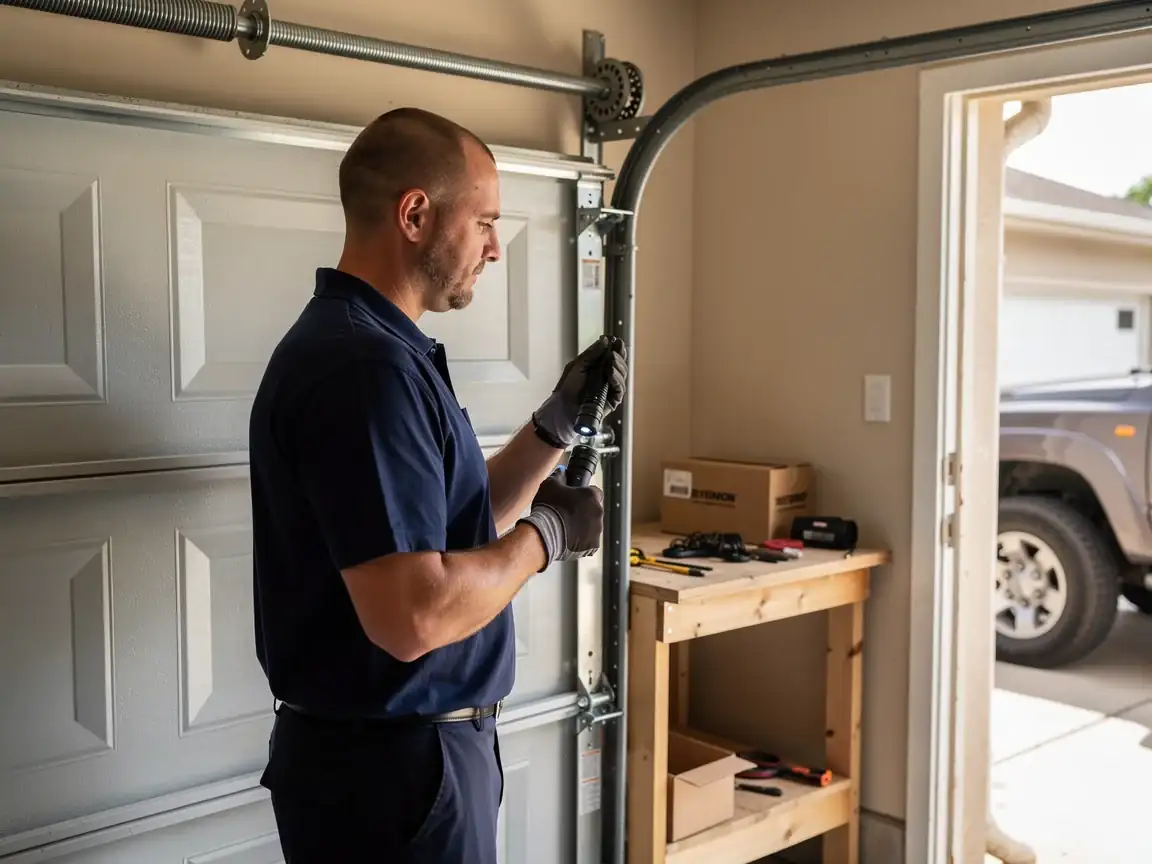
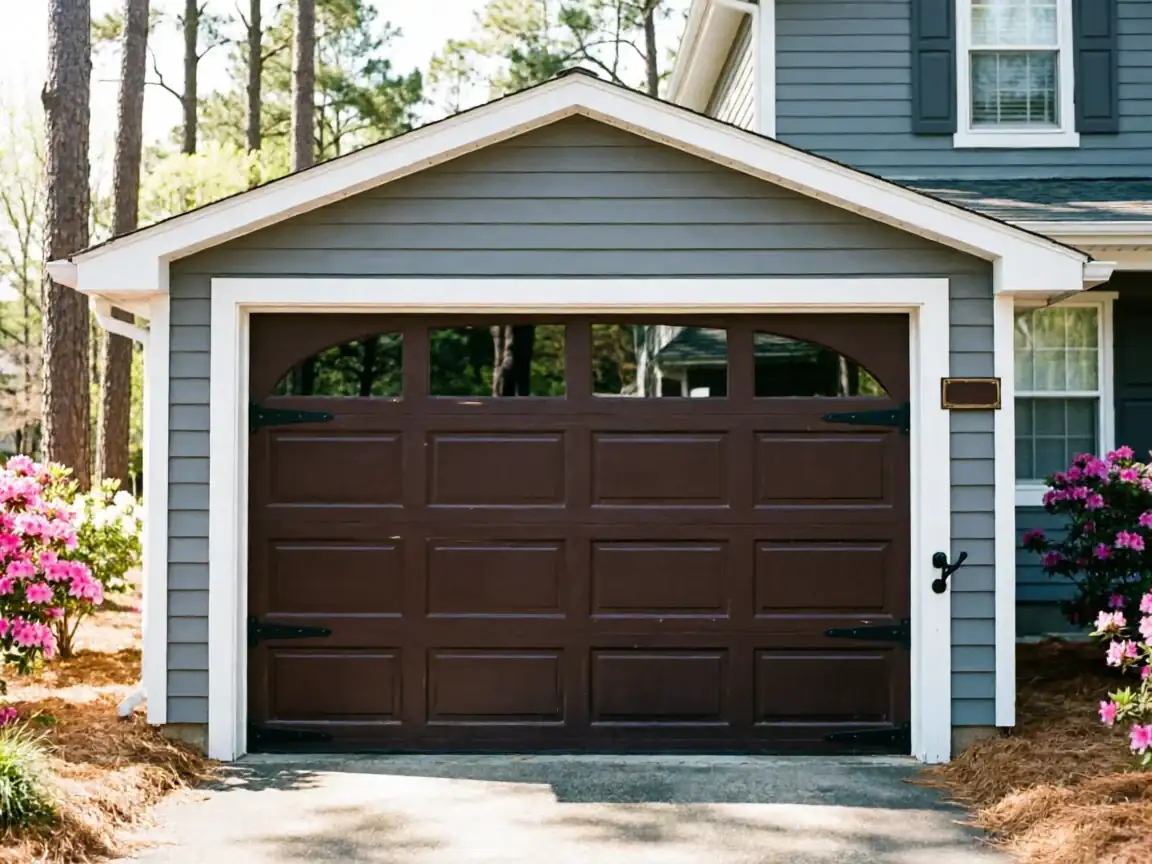
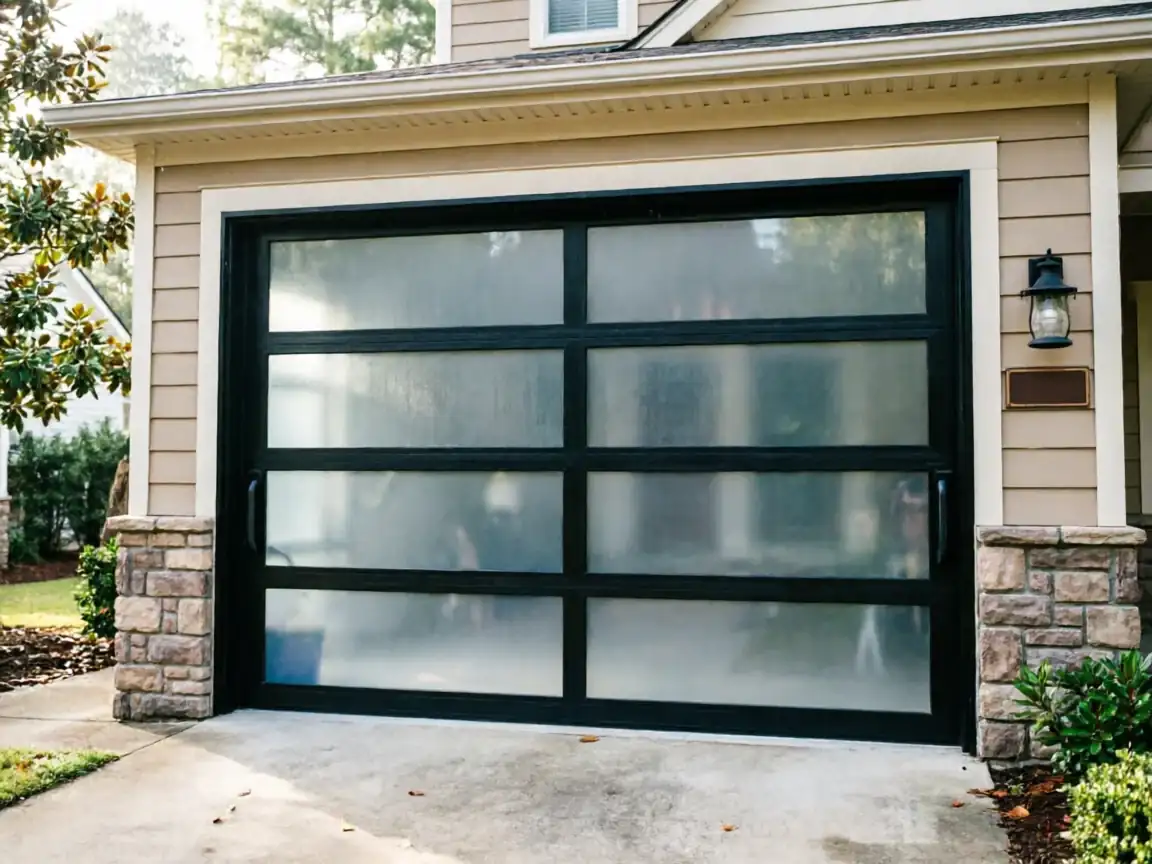
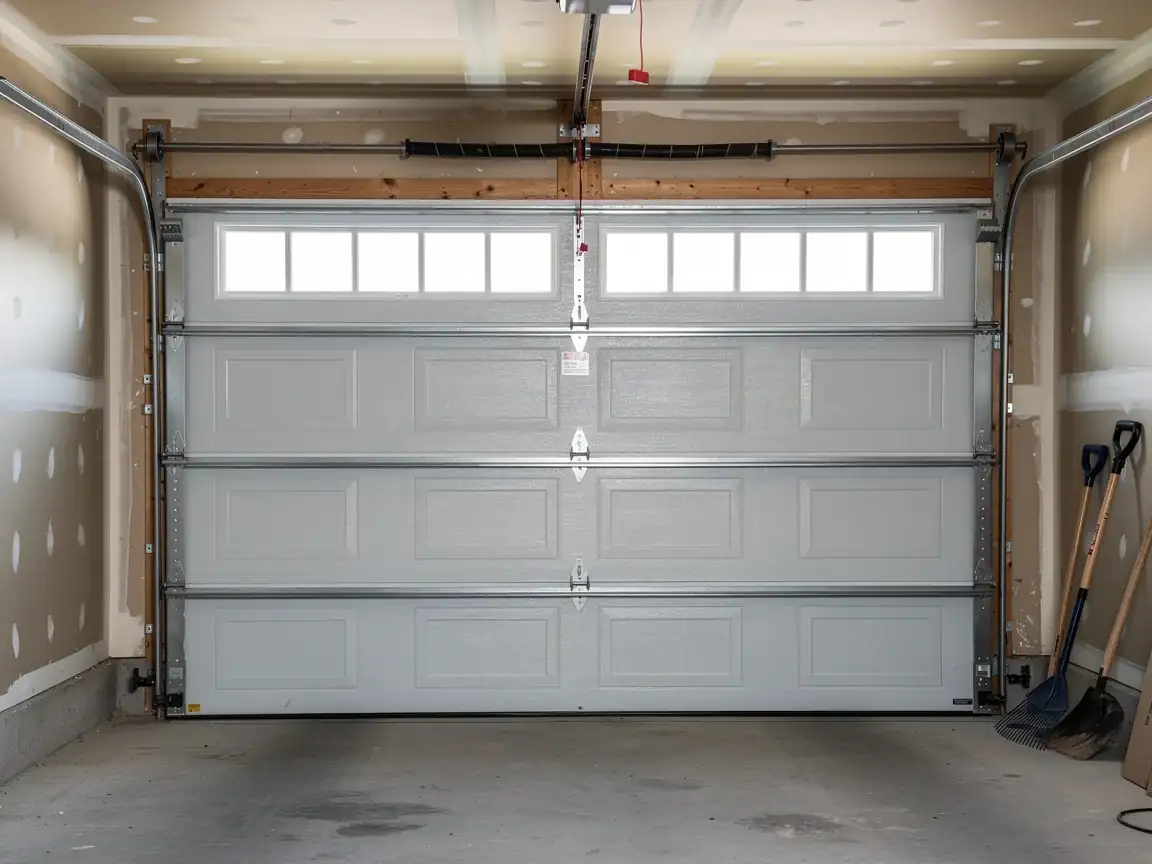
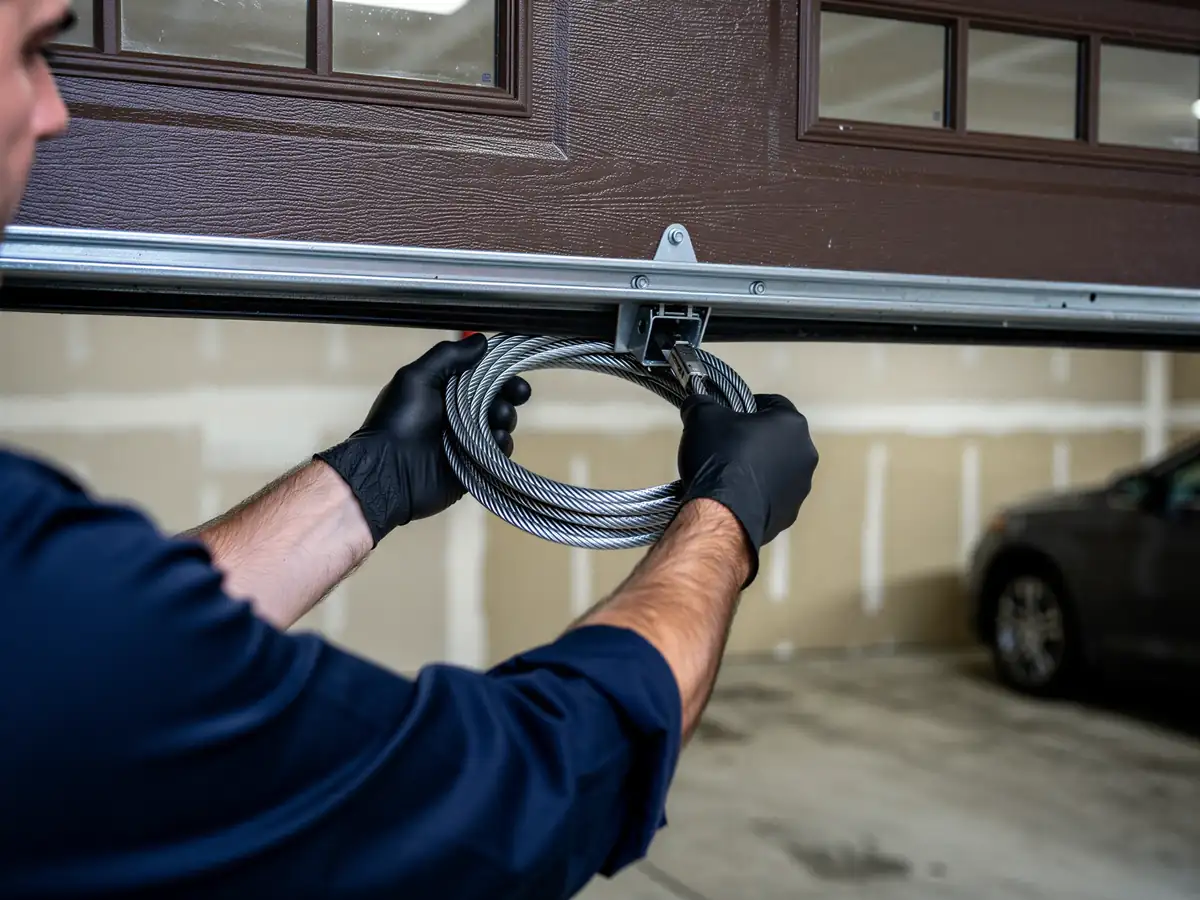
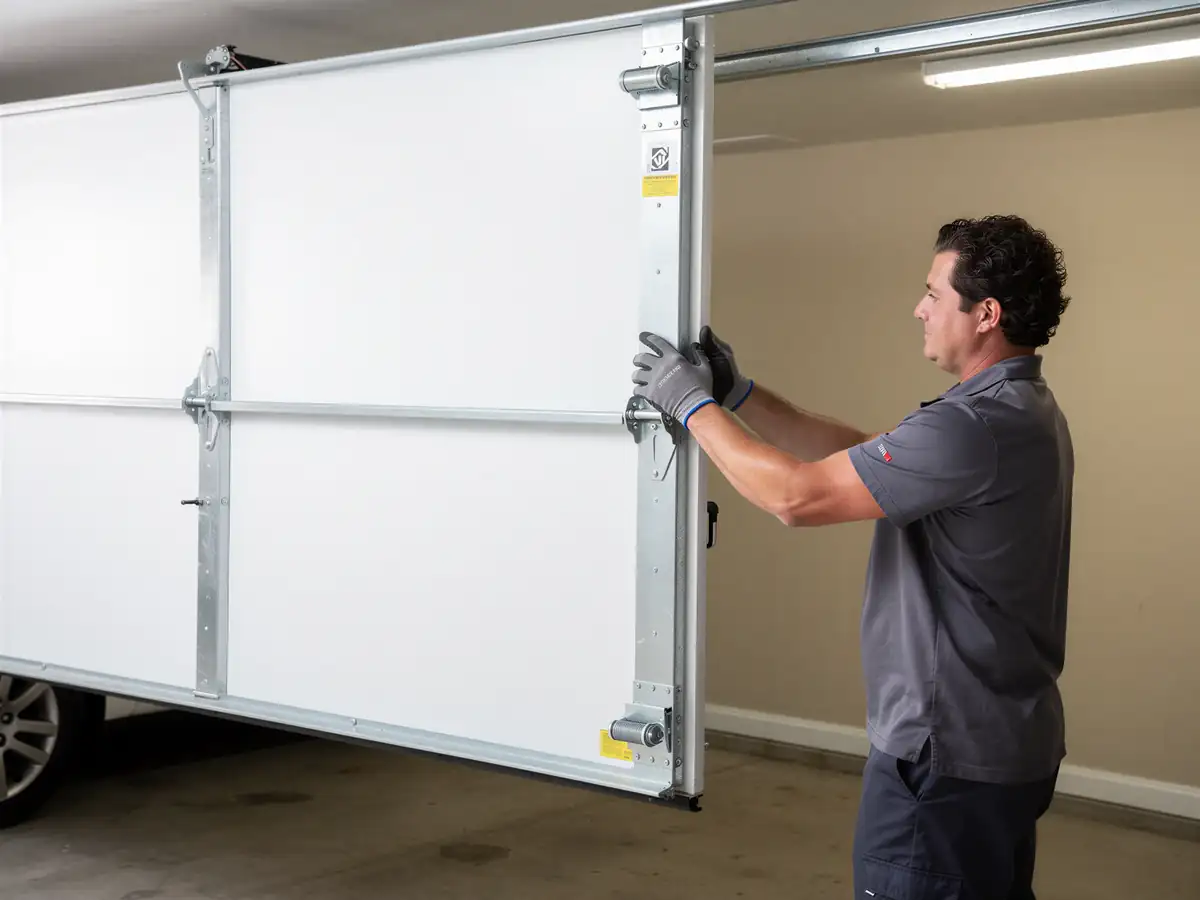
We carry standard steel sectional doors in the common widths, insulated and non-insulated, along with torsion springs sized for a range of door weights - not just whatever matches a newer subdivision. In a service area where median income runs $37,827, we stock the mid-range options that actually move, not just the premium line. For homes built in the early 1970s, we also carry wider jamb brackets and extra header material, because older framing in this area often wasn't built to today's rough opening standards. What we don't carry on every truck is custom carriage-house hardware or oversized commercial-grade track - if your opening needs something unusual, we tell you up front it's a special order, not a same-day item. Cold-climate weatherstripping and bottom seals are standard stock here, since the region sits in a moderate cold band and a door that doesn't seal costs you on the heating bill every winter, not just on install day.
What You Are Seeing
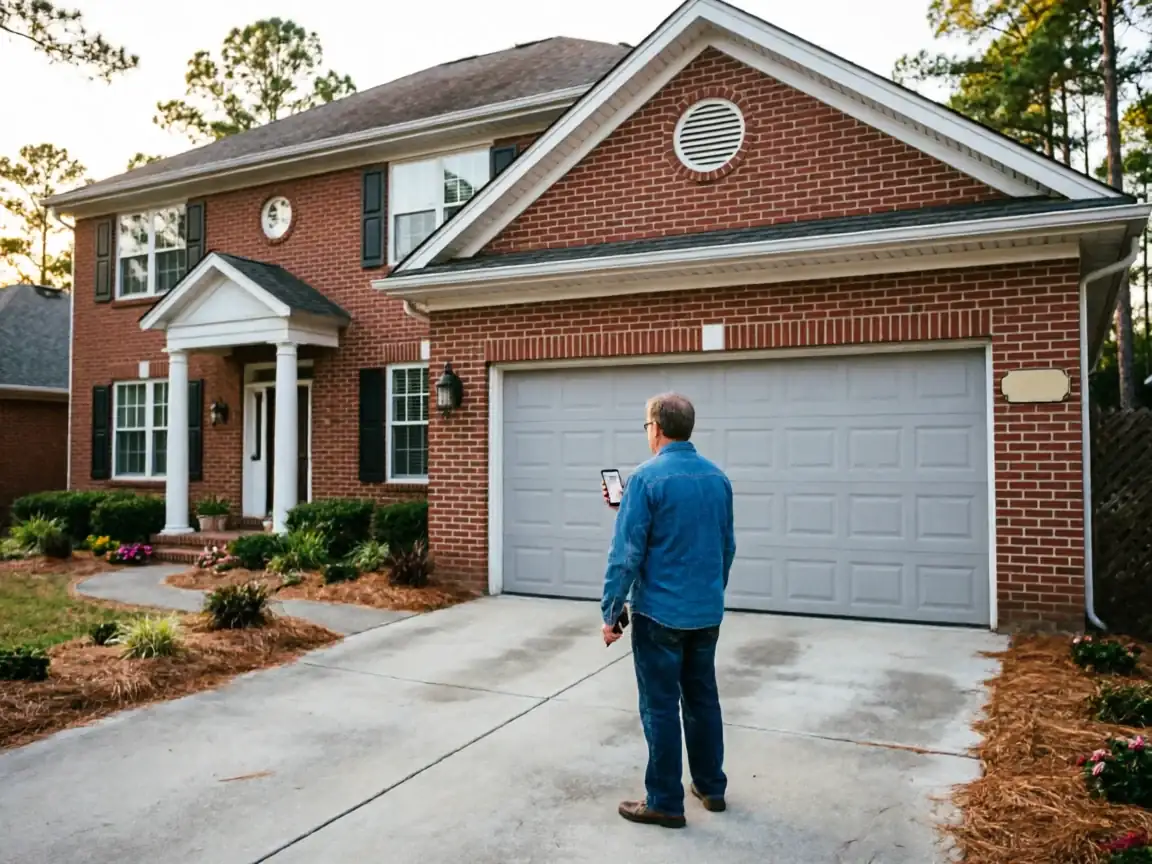
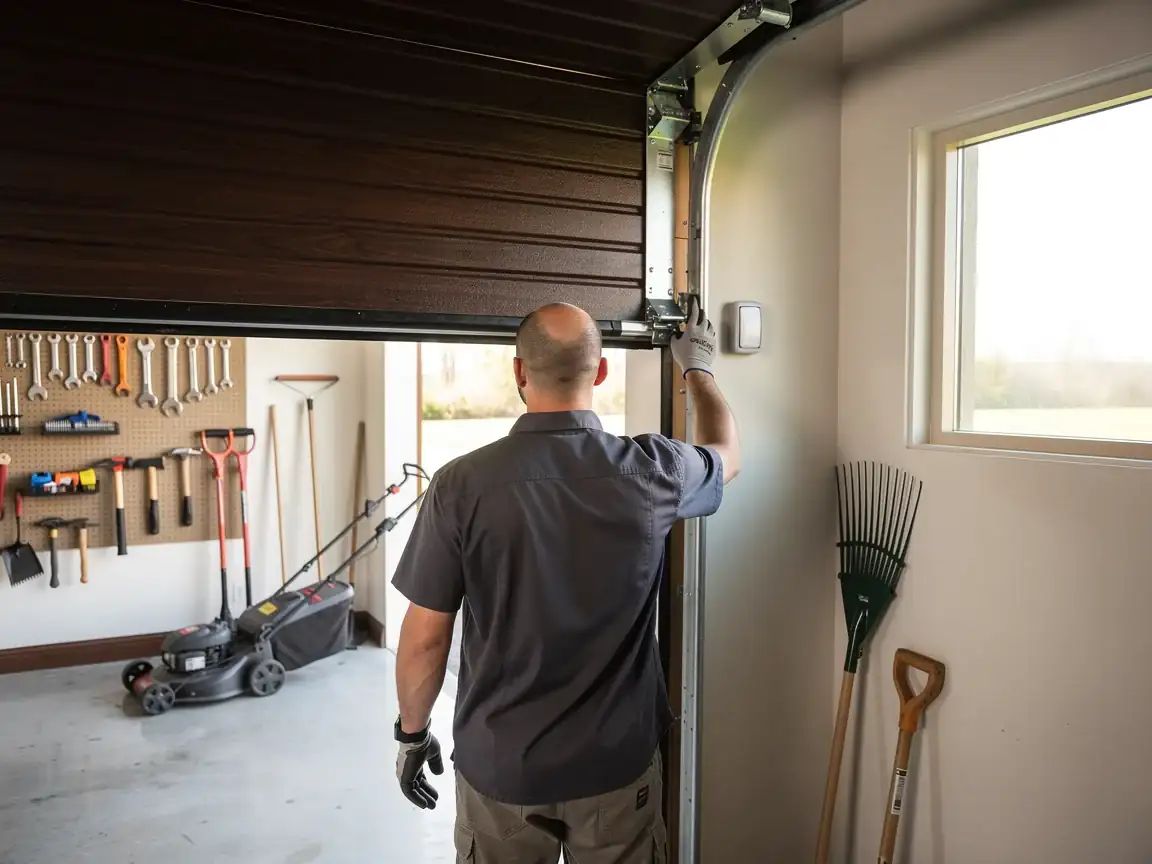
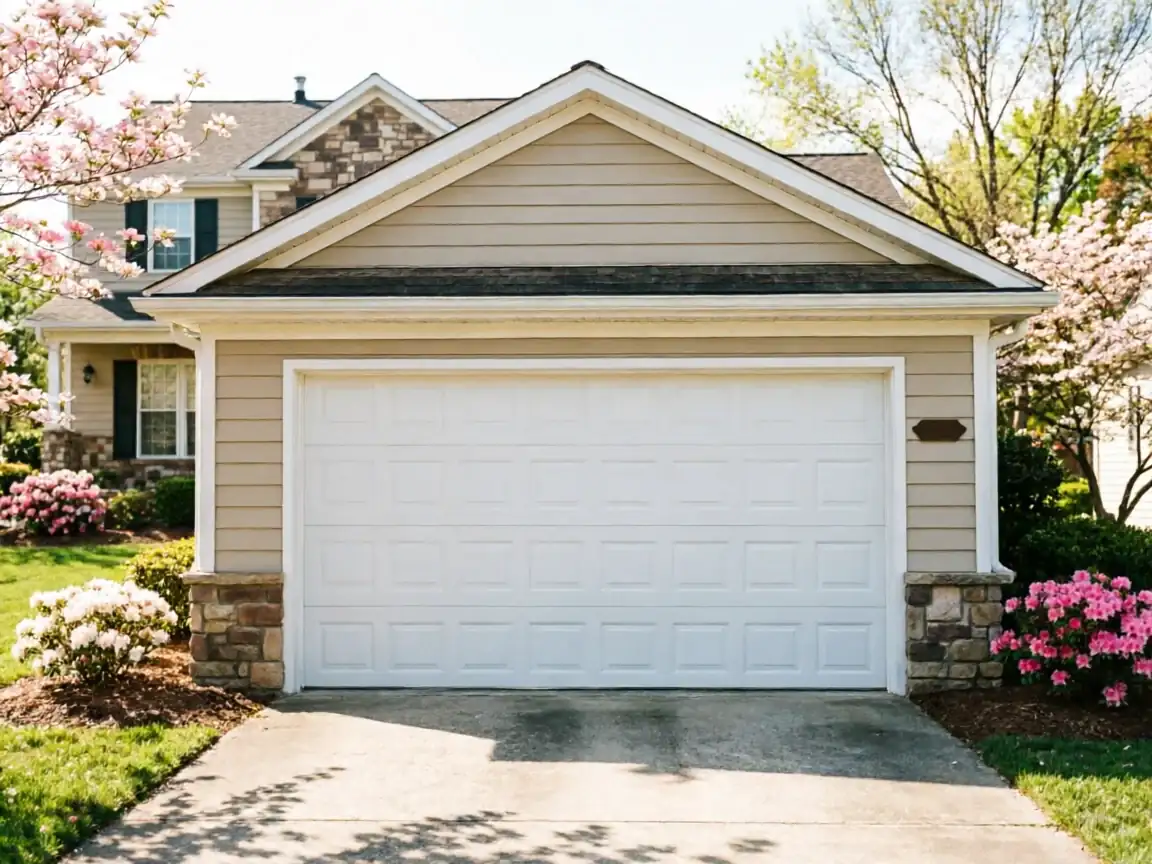
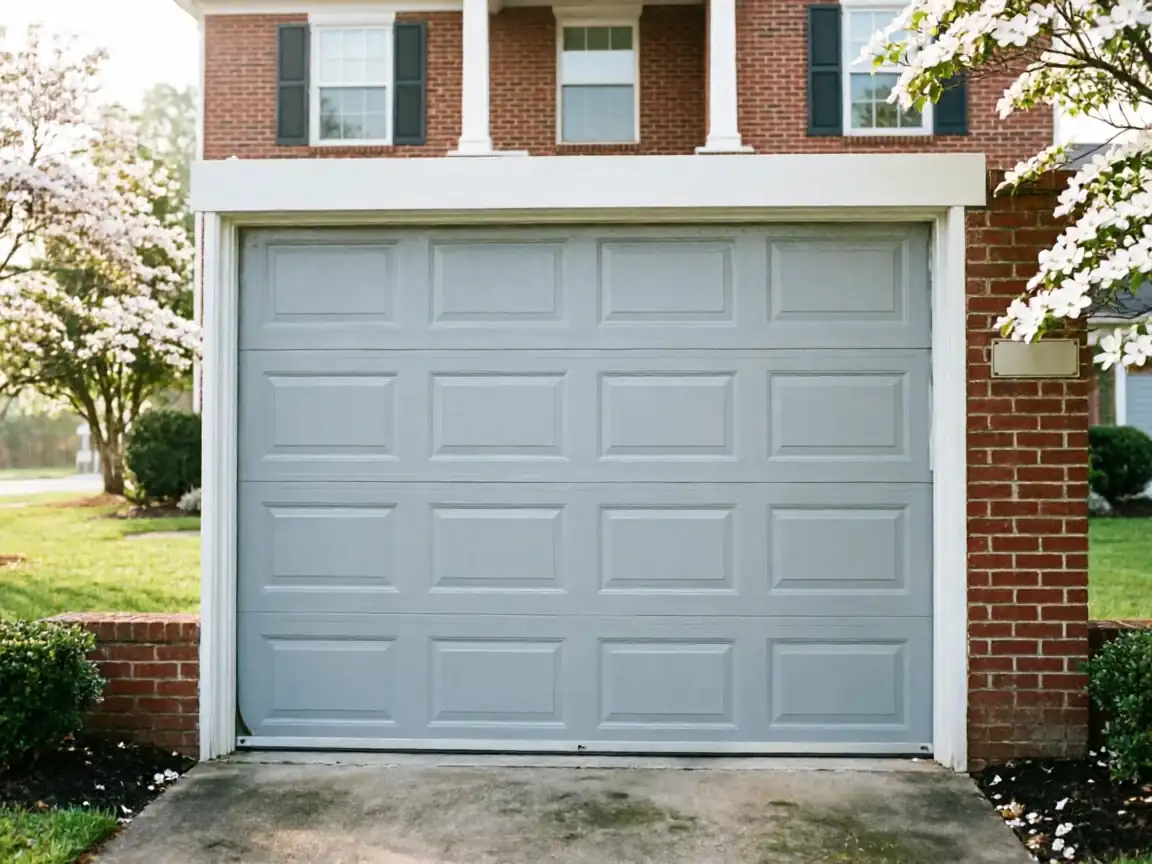
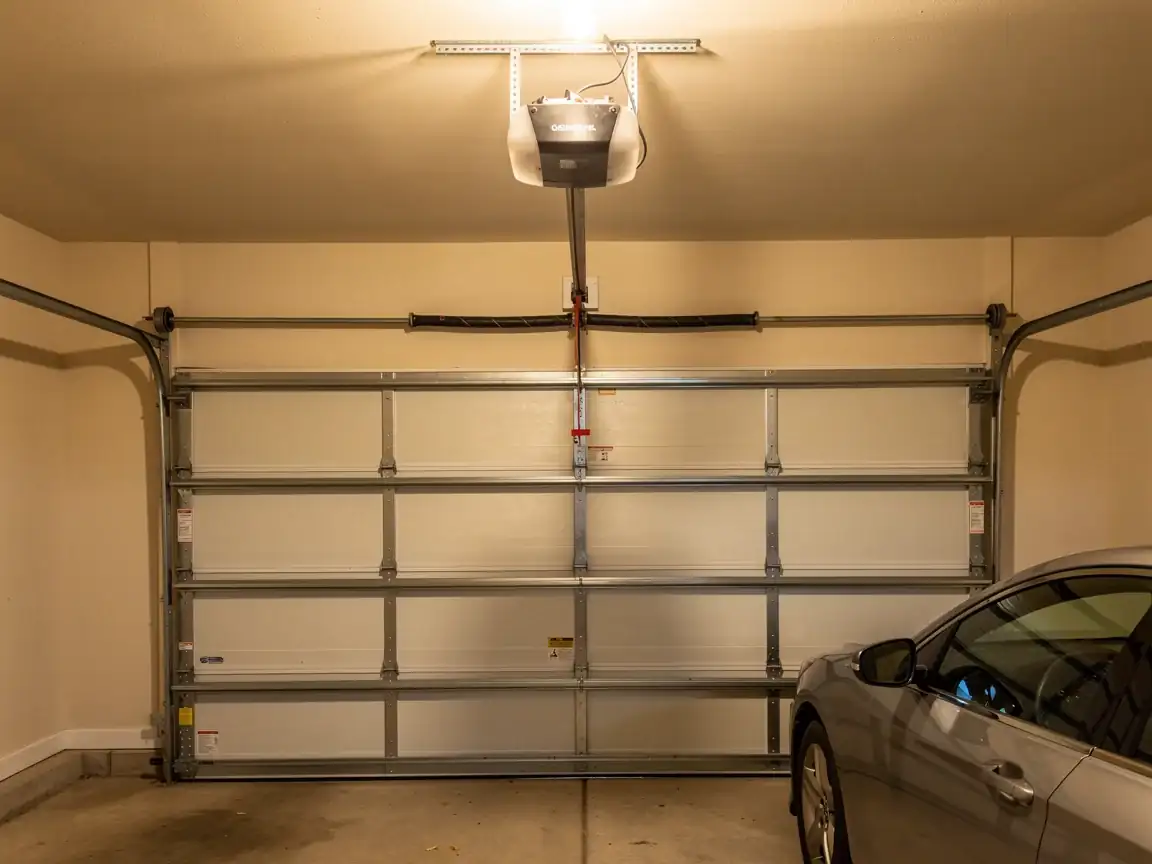
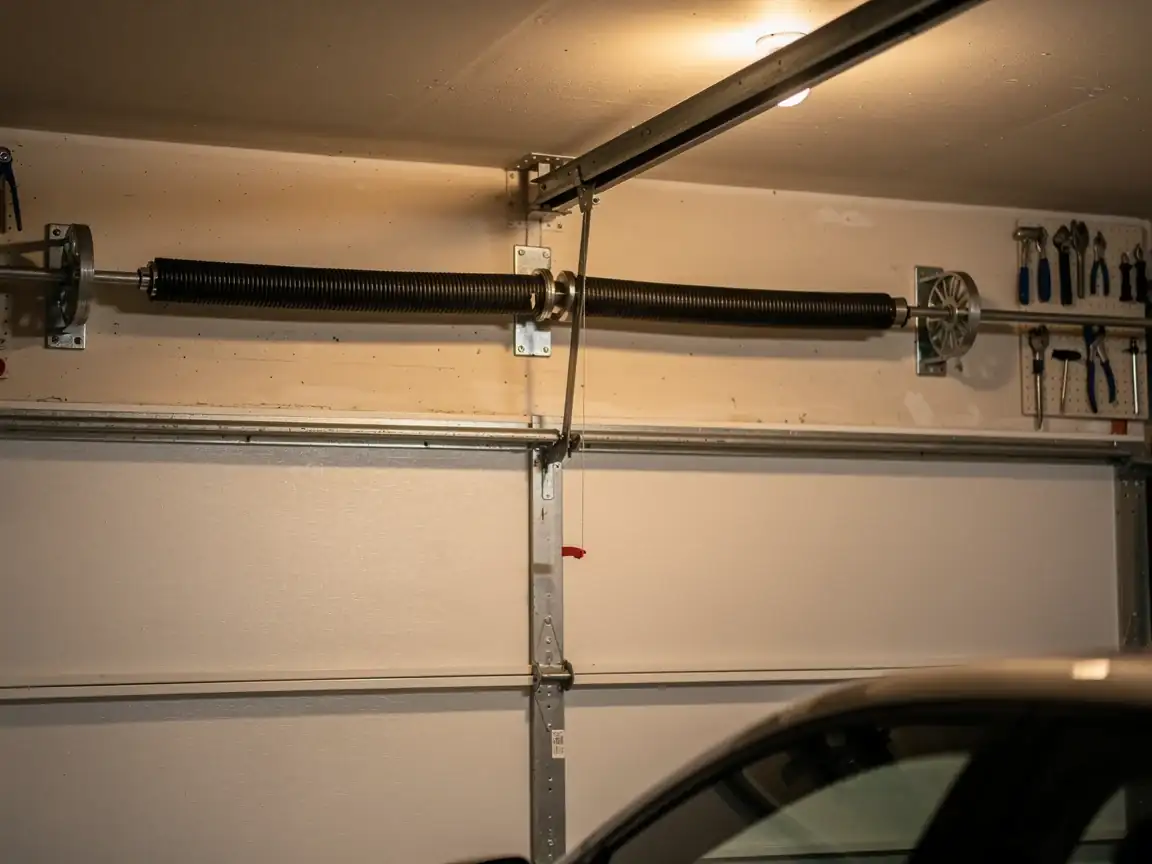
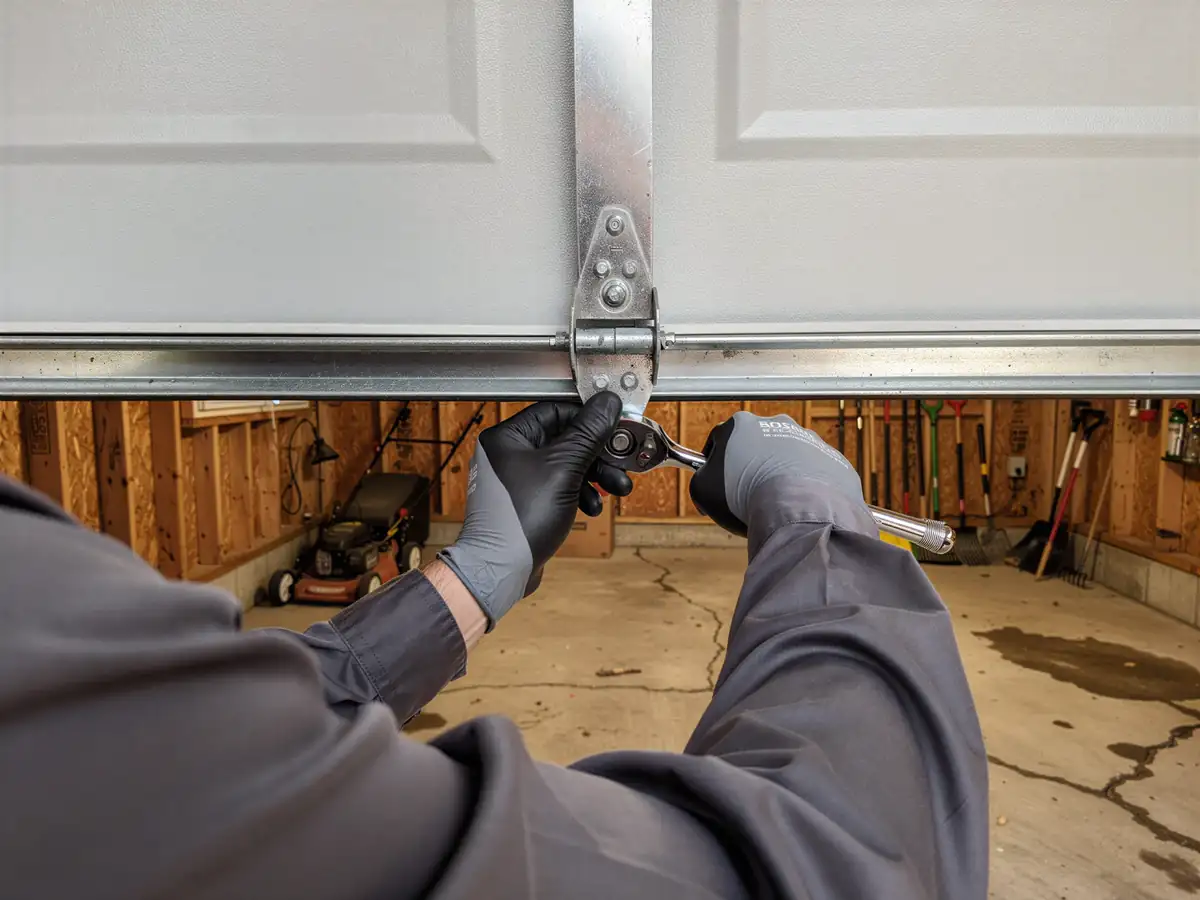
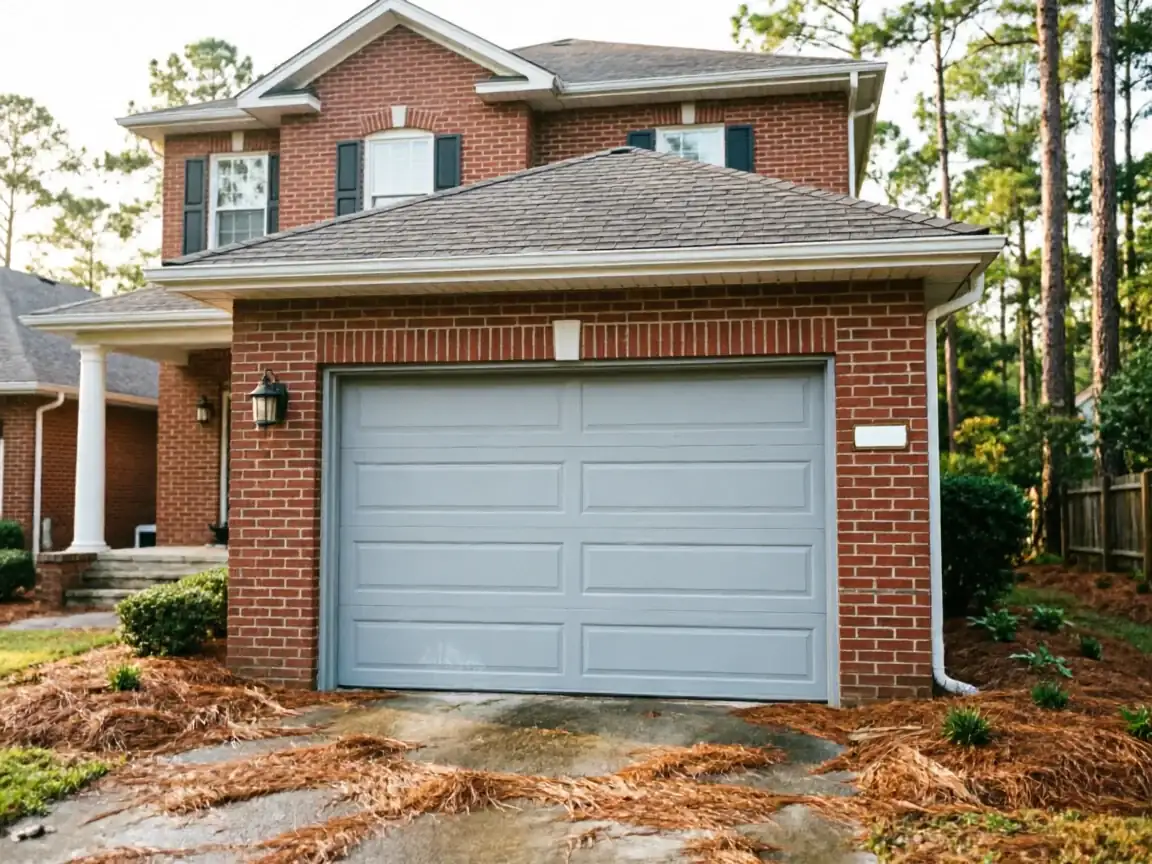
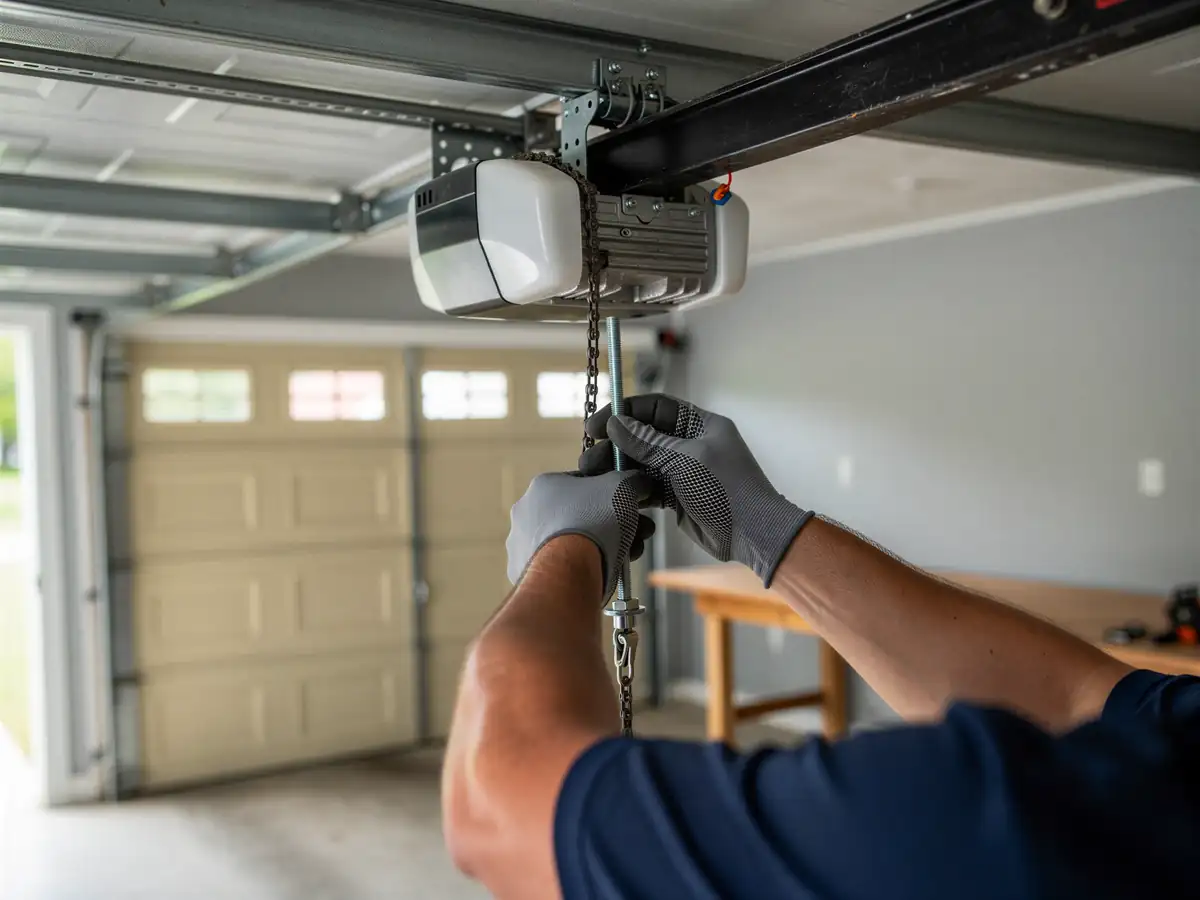
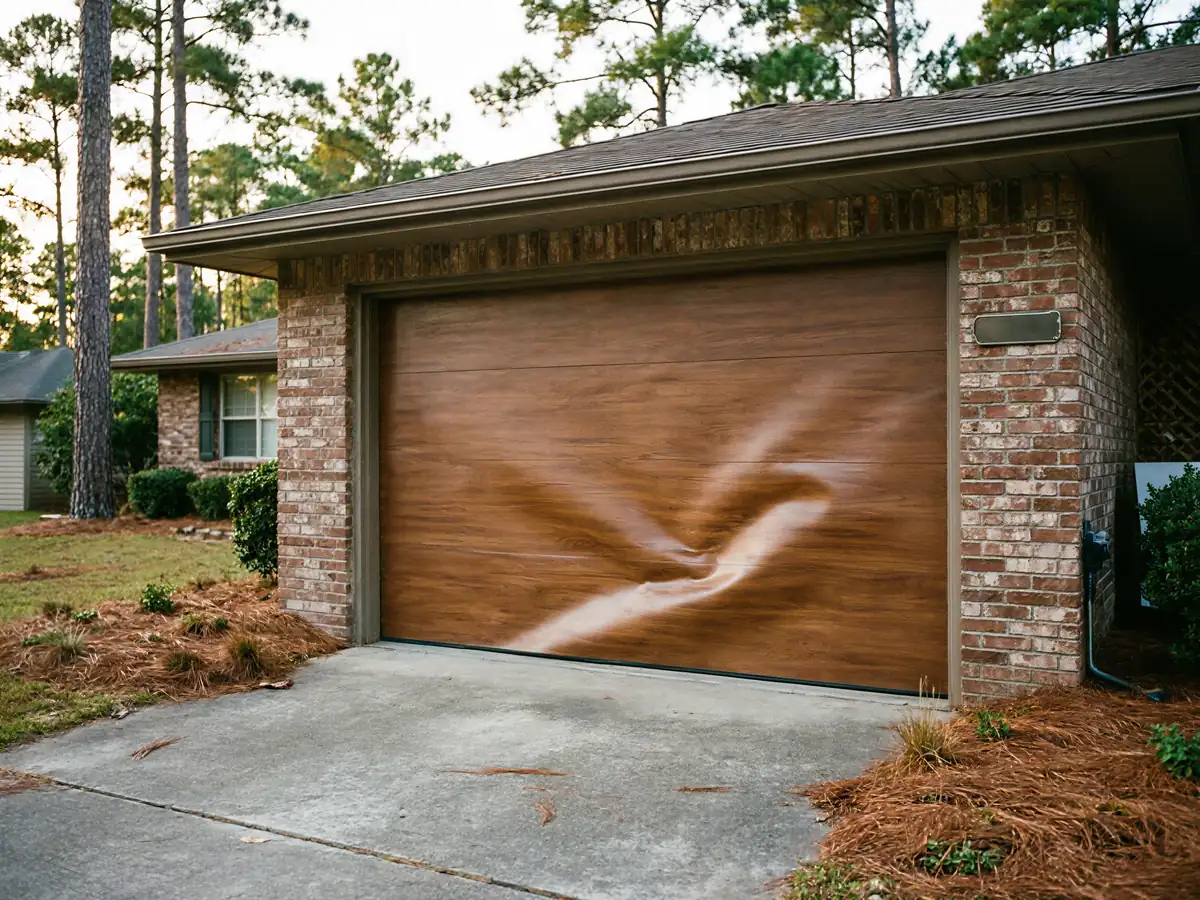
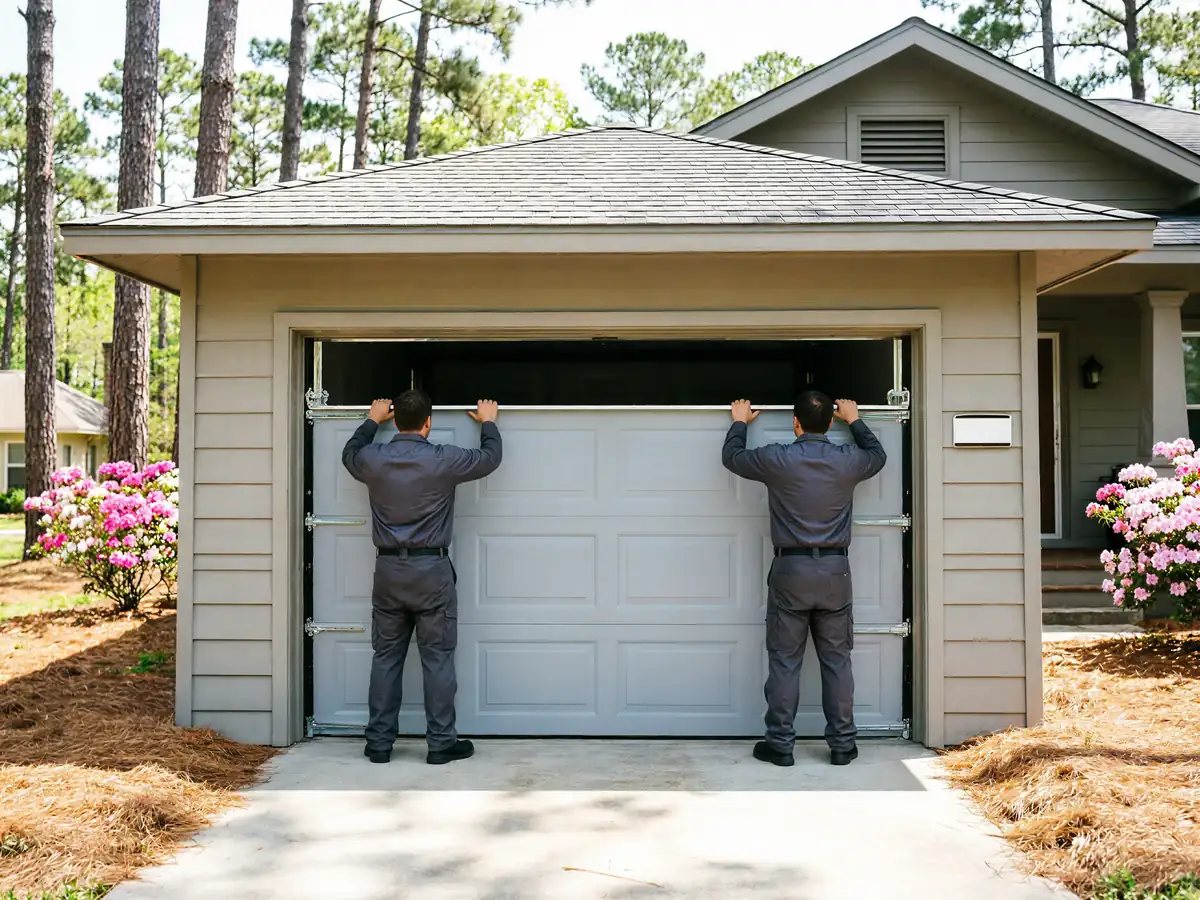
With a median build year of 1973, a lot of Smithfield garages still have the door that came with the house - or a direct replacement from the 1980s or 90s. That means single-layer steel panels with no insulation, hinges rusted into the track, and in some cases a wood door that's swollen shut more winters than it's opened clean. If your panels are dented along the bottom third, that's usually from decades of lawn equipment and car bumpers, not a structural problem - but if the rust has eaten through the panel itself, patching isn't worth the labor. Watch for a door that sags visibly in the middle when it's down, or one where the opener strains and reverses partway up. On a house this age, that's often the spring doing less work than it used to, not the opener failing. Across the roughly 4,765 households in Smithfield, we see a consistent pattern: original steel doors reaching 45-plus years old, past the point where parts are getting reordered - they're getting replaced.