How Local Conditions Play In
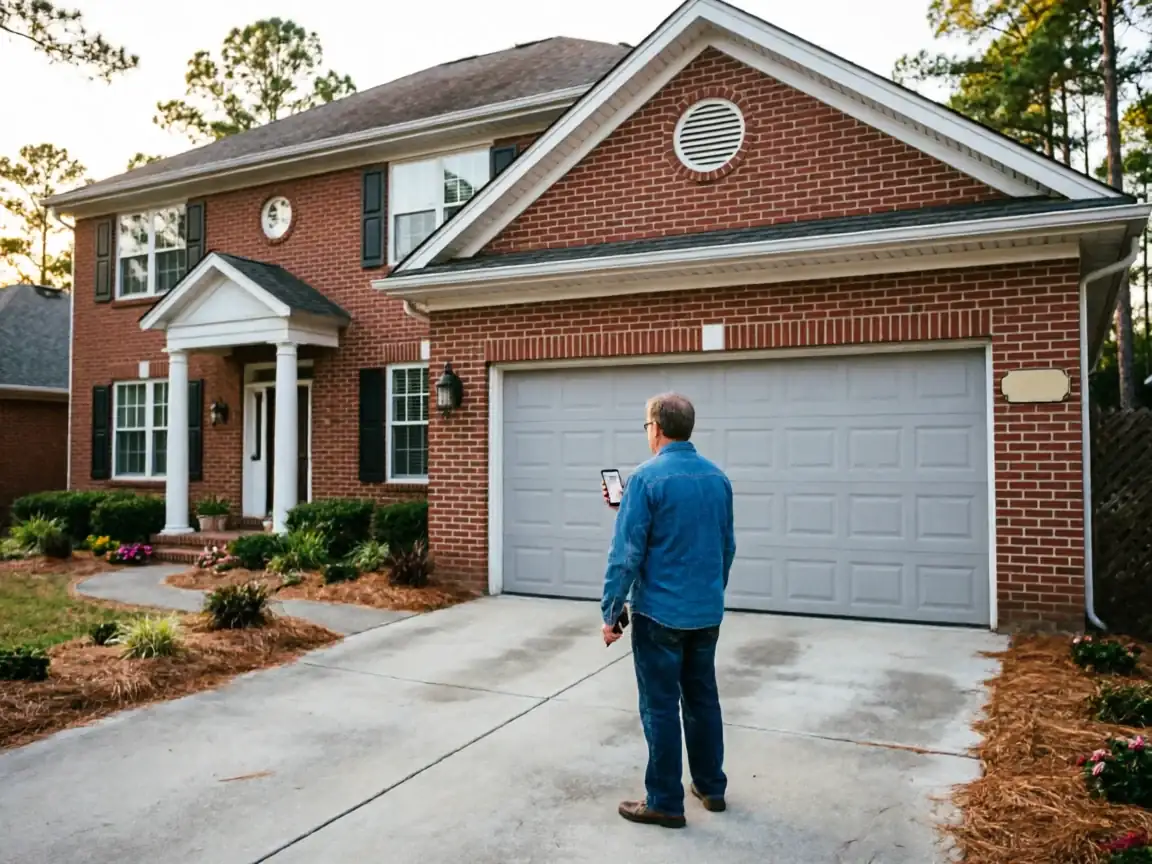
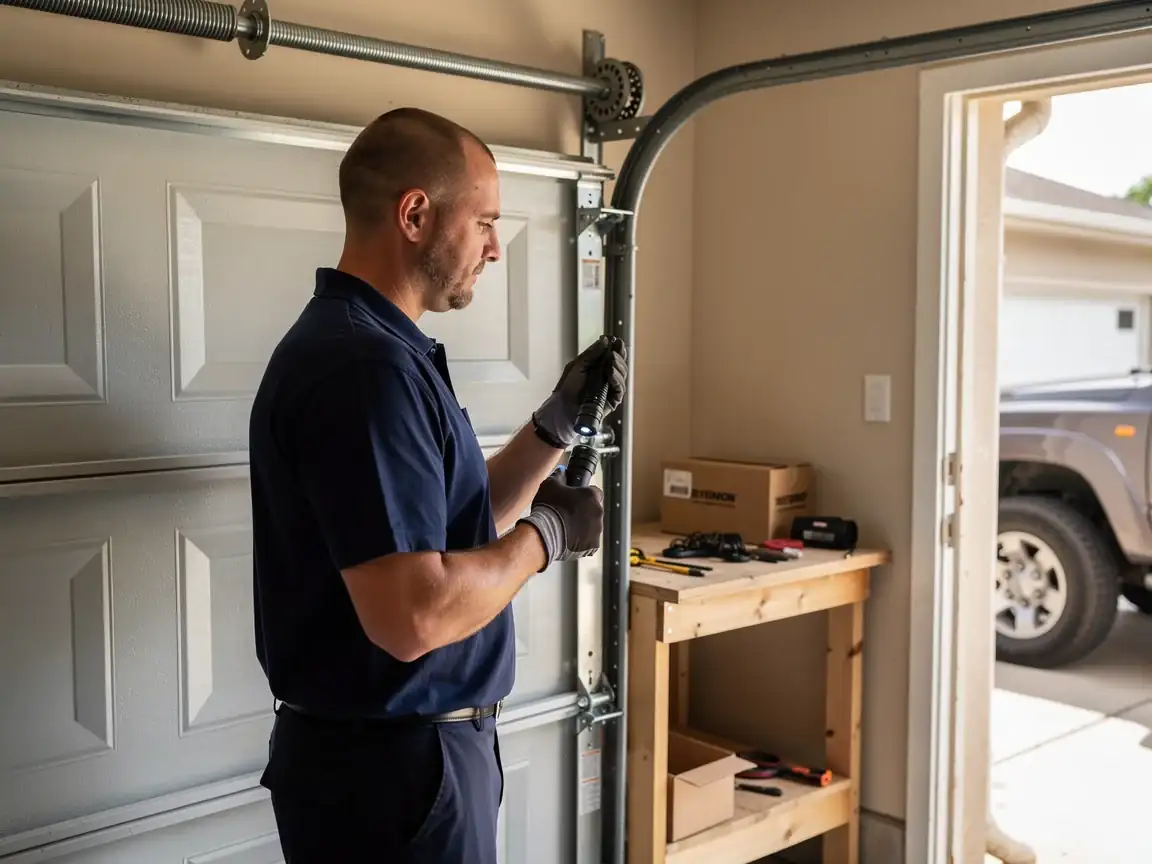
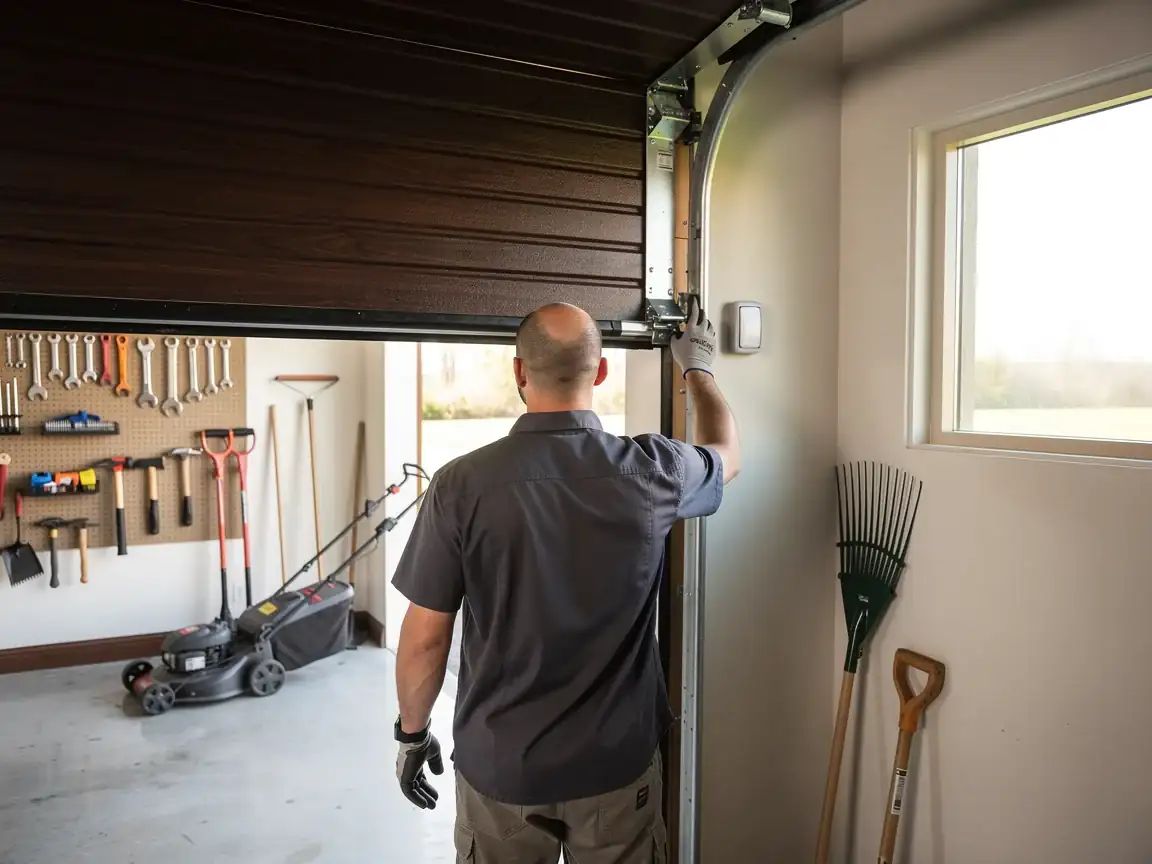
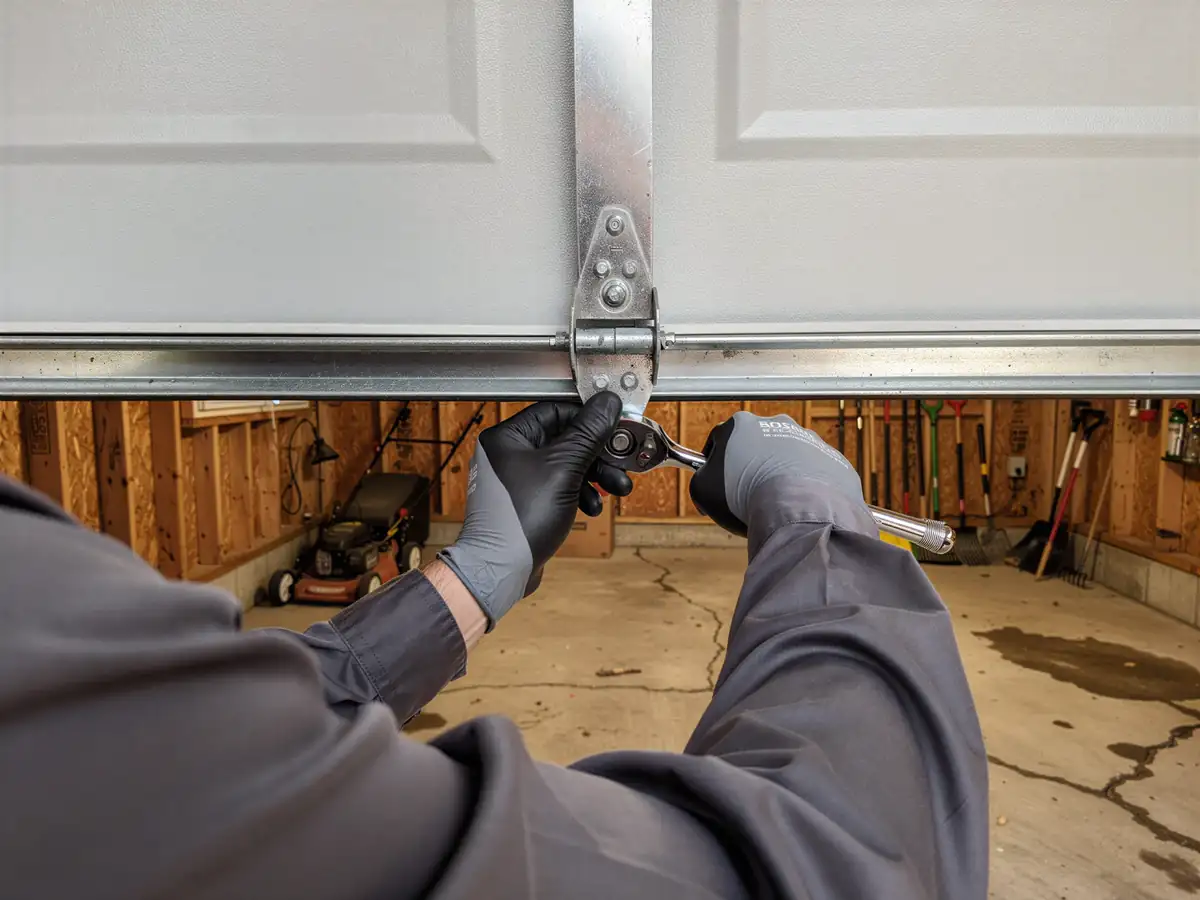
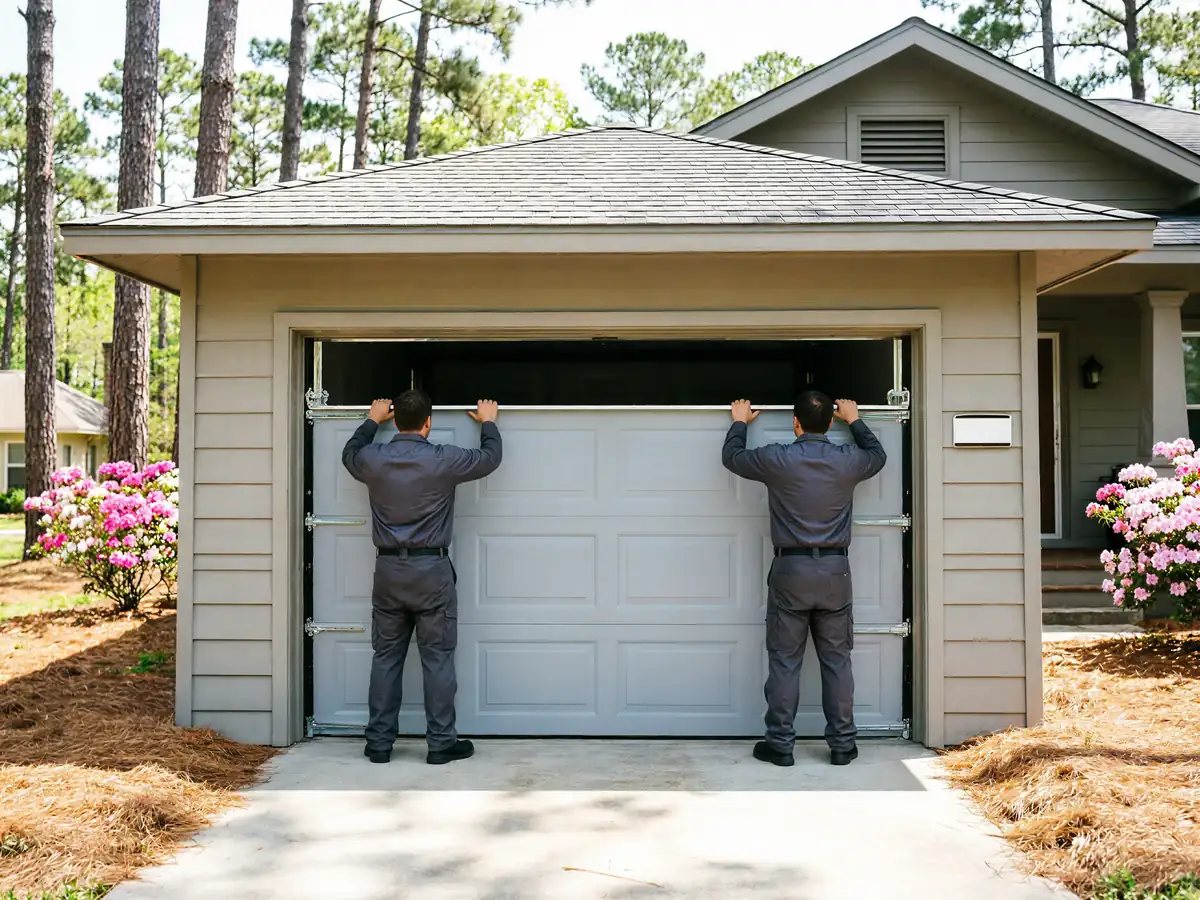
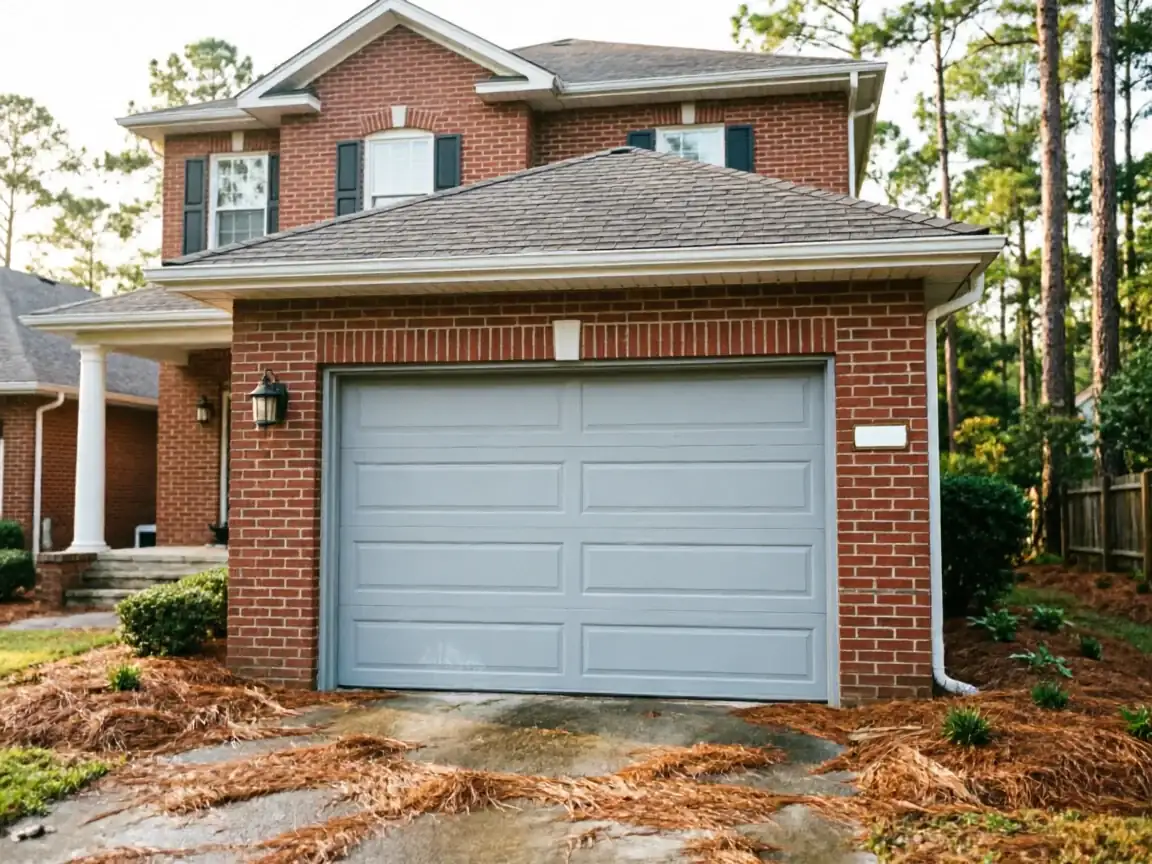
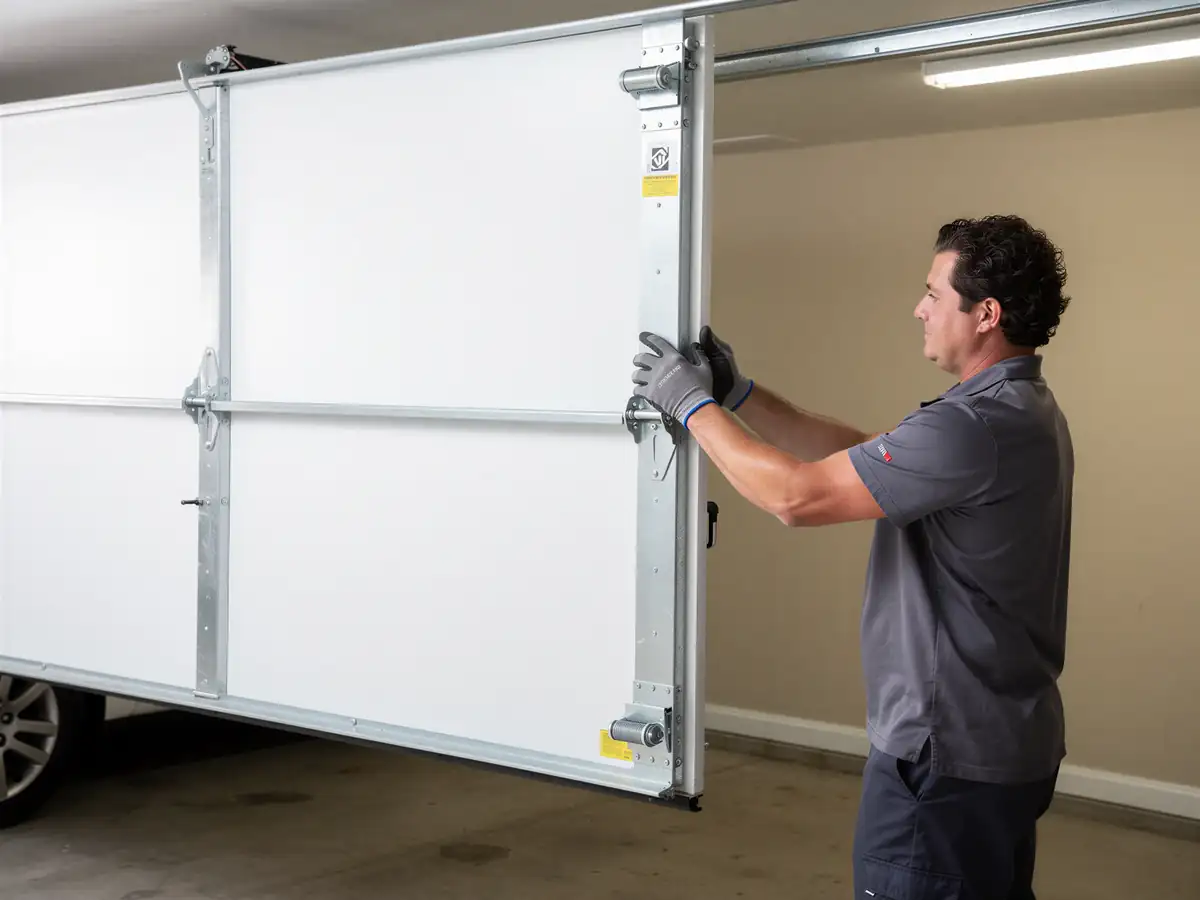
Clayton sits in a cold-moderate climate band, which doesn't sound dramatic next to places that get real snow, but it's enough to matter on a door. Steel contracts in a hard overnight cold snap, and on a torsion spring that's already near the end of its cycle life, that contraction is what turns a slow mornings-only squeak into a snapped spring on a Tuesday. Houses built in the 1980s and 90s - which covers most of the stock around here - tend to have galvanized track that was fine for the climate when it went in, but thirty-plus years of expansion and contraction loosens the mounting brackets at the header. A service call checks those bracket bolts and the track alignment, not just the spring, because a track that's drifted half an inch doesn't show up as an obvious problem until a roller jumps it on a cold morning. We also check weatherstripping condition, since gaps that seemed fine in July let a lot more cold air in once winter sets in.
What Changes With the Season
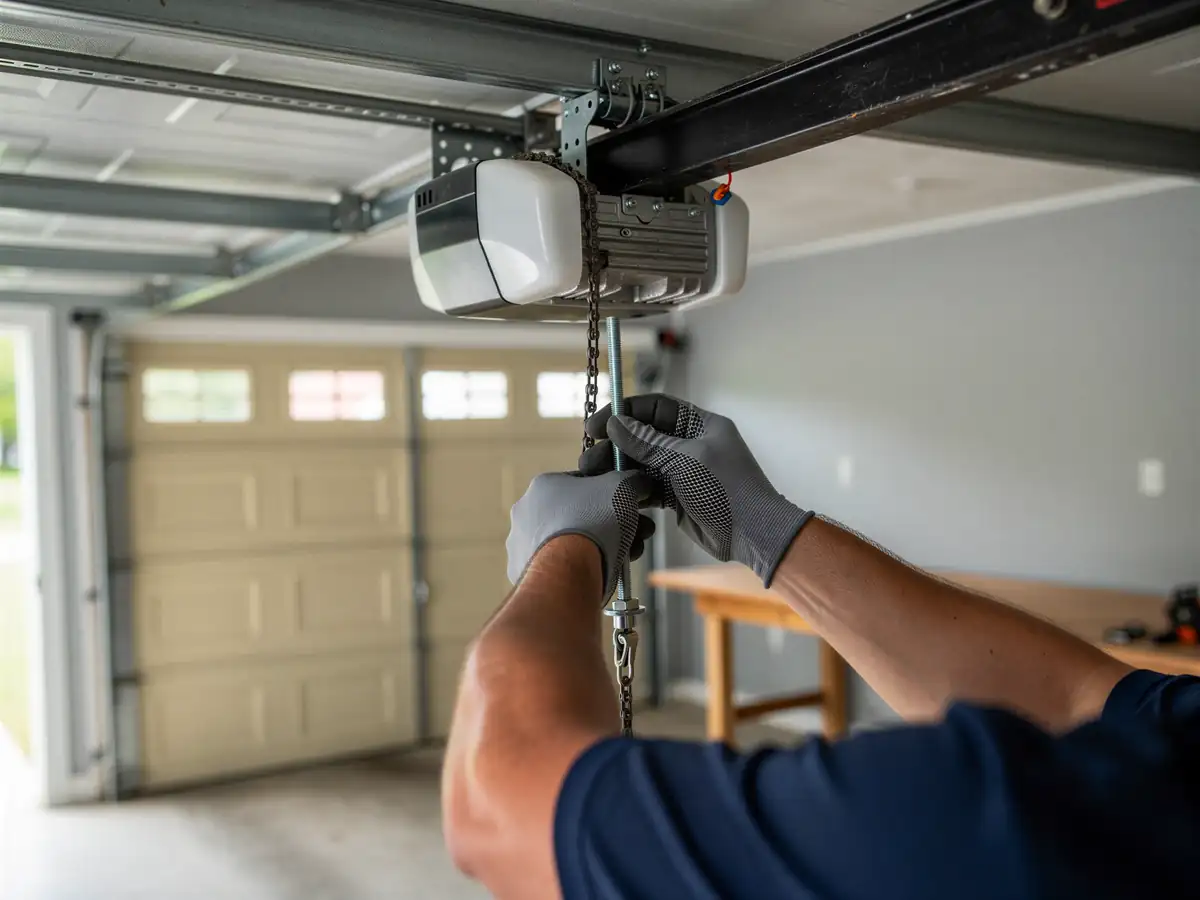
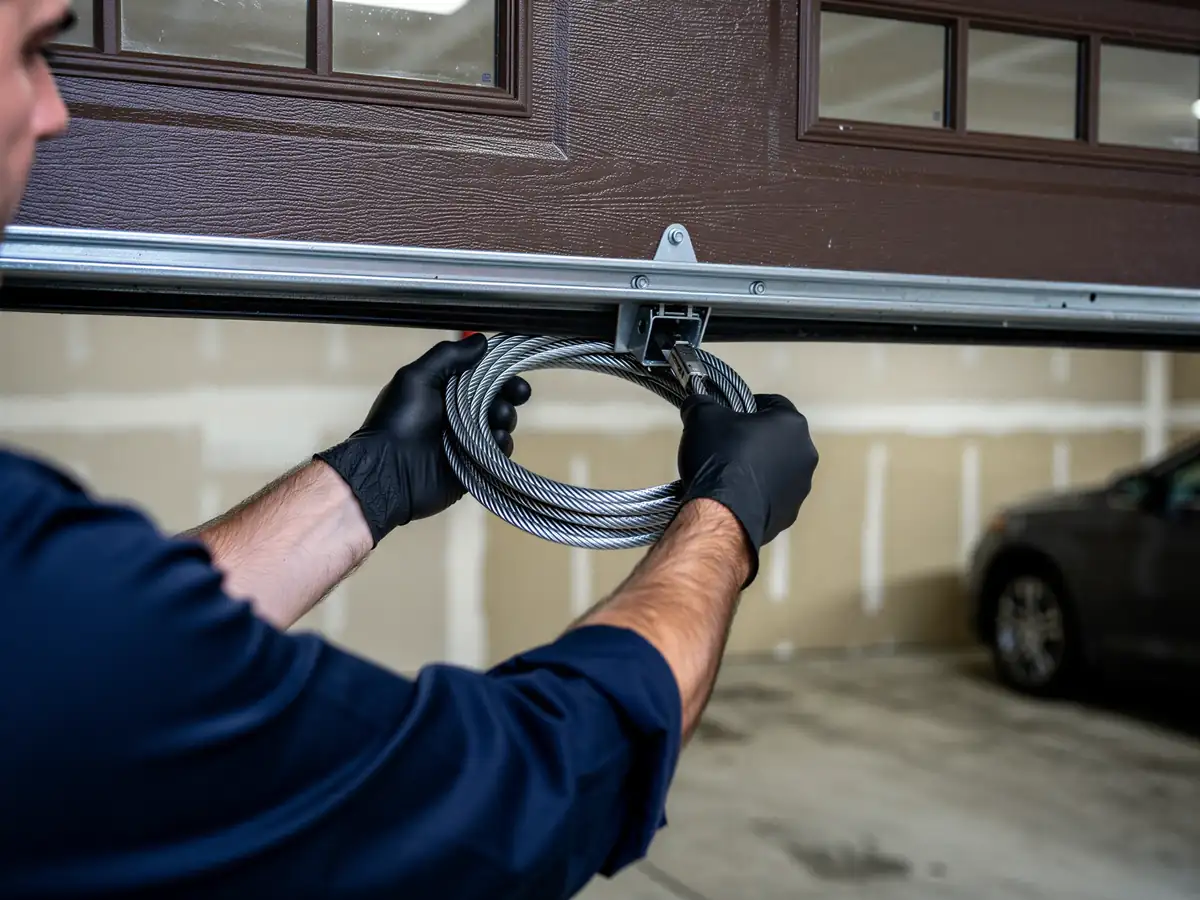
Lubrication schedule changes more than people expect. In a cold-moderate climate, grease that's fine in August can stiffen up enough by January to slow the door's travel and make the opener strain on every cycle. We see more spring failures from roughly late fall through the coldest stretch of winter than any other time of year, which tracks with the cold-moderate band Clayton sits in - not hard freezes every week, but enough swing between a 60-degree afternoon and a 25-degree night to stress metal that's already fatigued. Spring tension itself can tighten slightly in cold weather too, which is part of why a door that balanced fine in June can feel heavy in January even with nothing visibly broken. A fall service call, before the cold sets in, catches most of this: regreasing rollers and hinges, checking cable wear, and resetting opener force settings so the unit isn't working harder than it needs to once the air turns cold.