How We Fix It
A maintenance visit isn't a quick spray-and-go
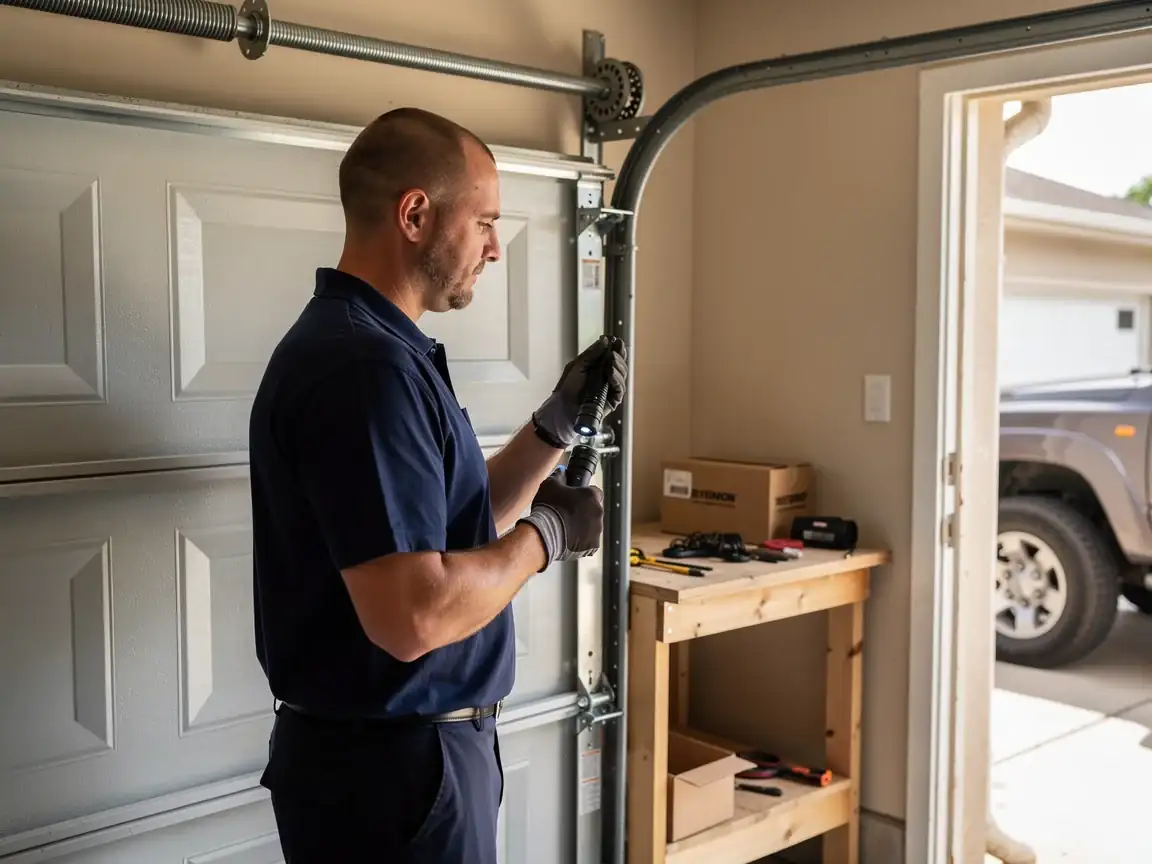
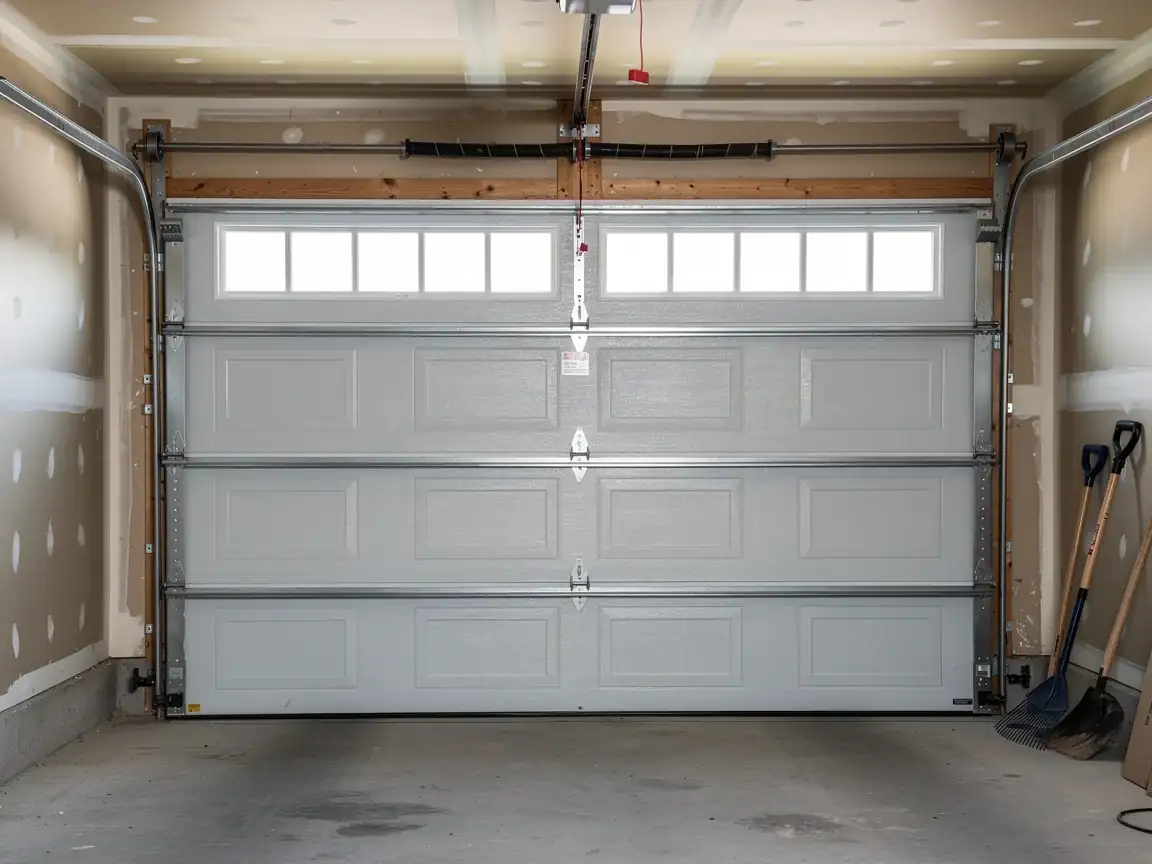
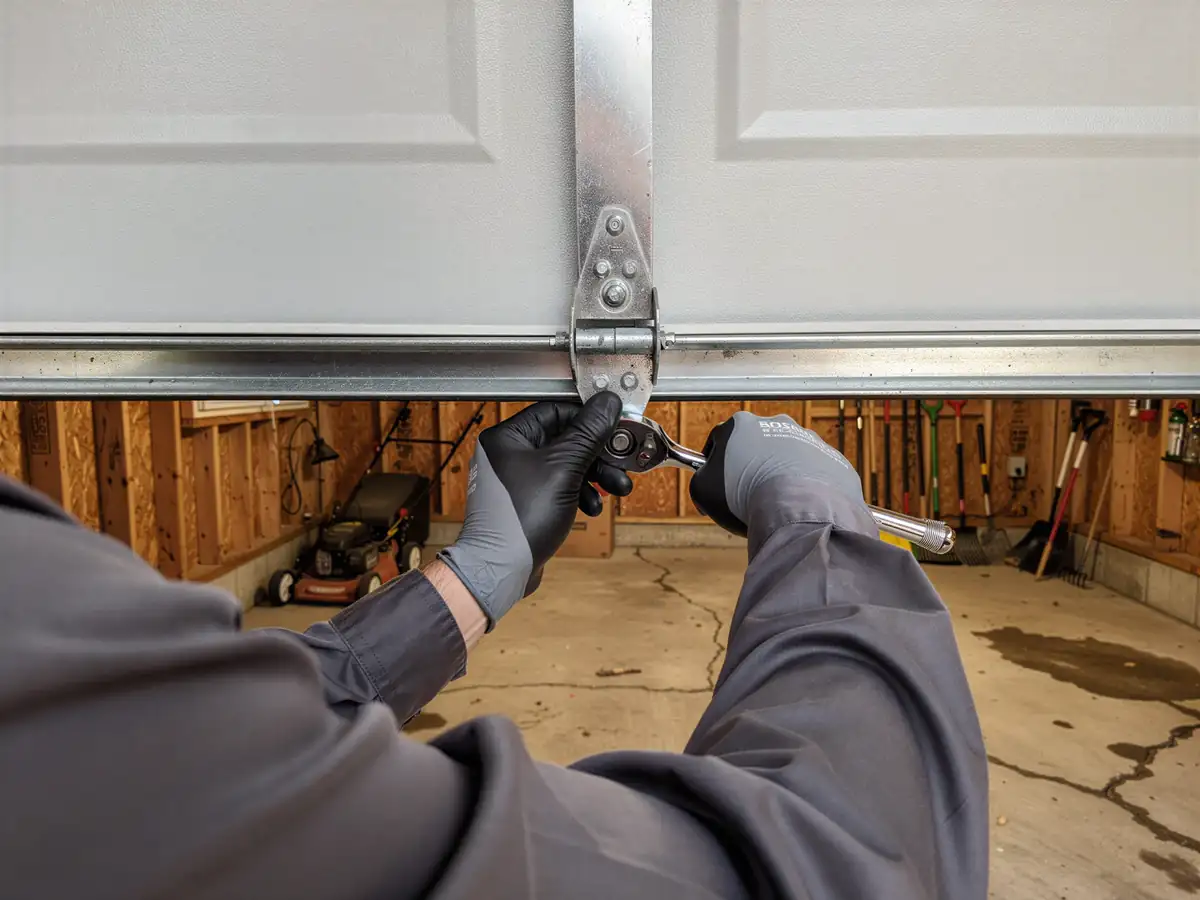
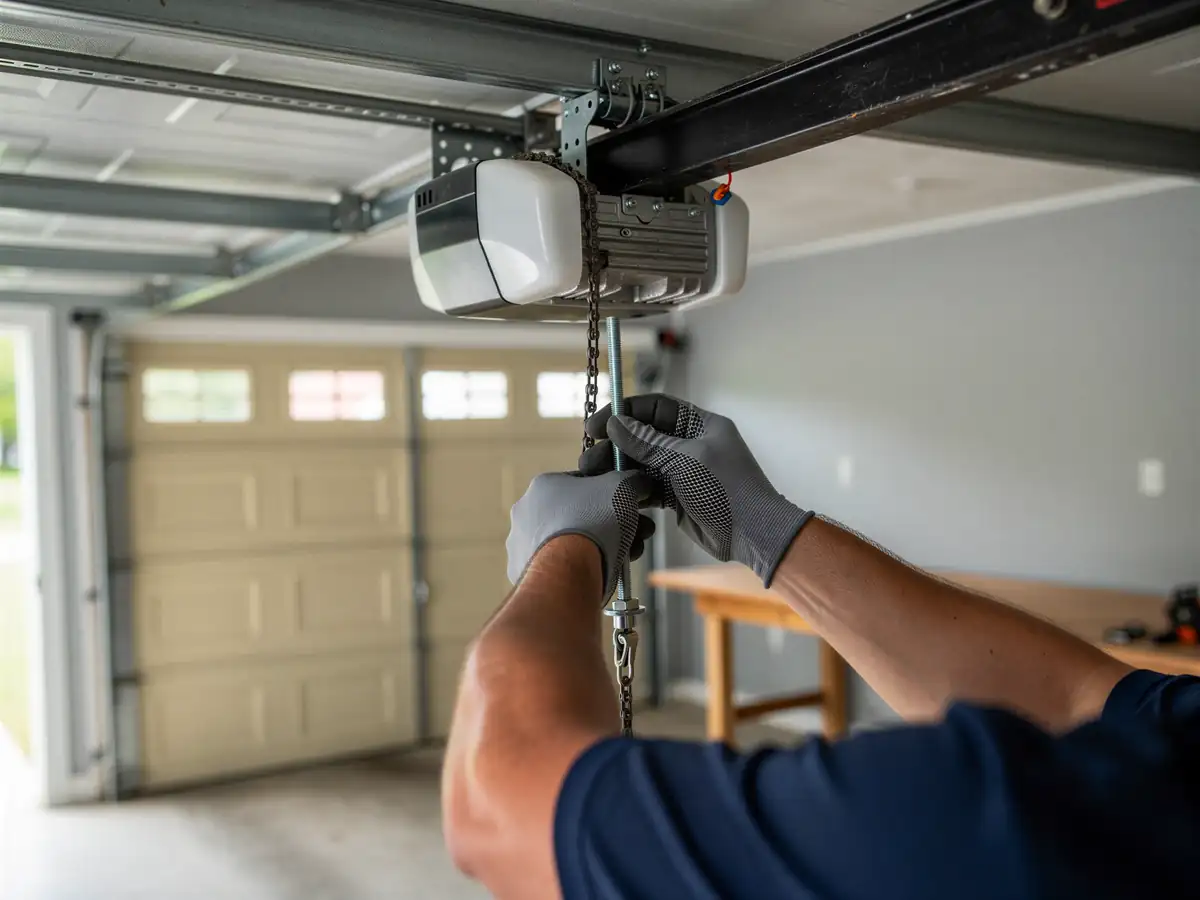
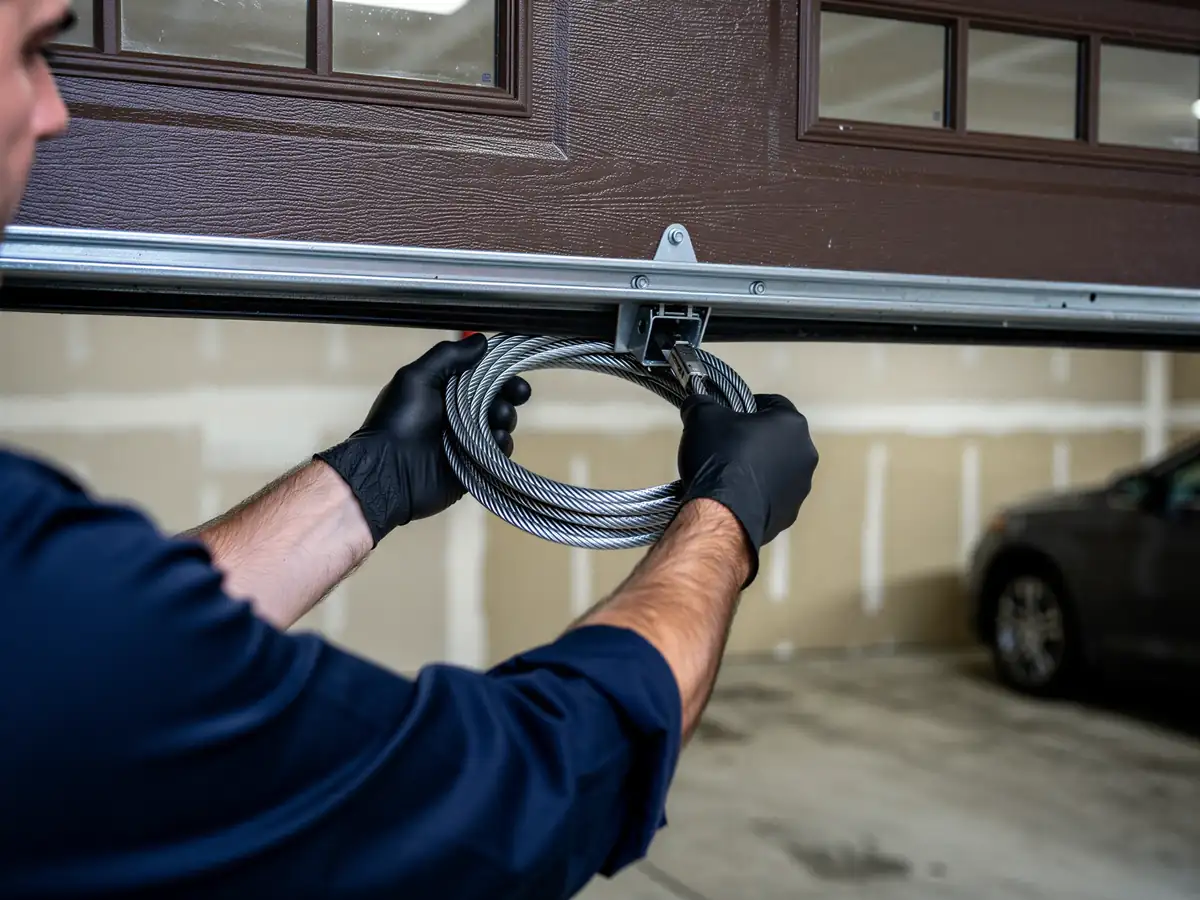
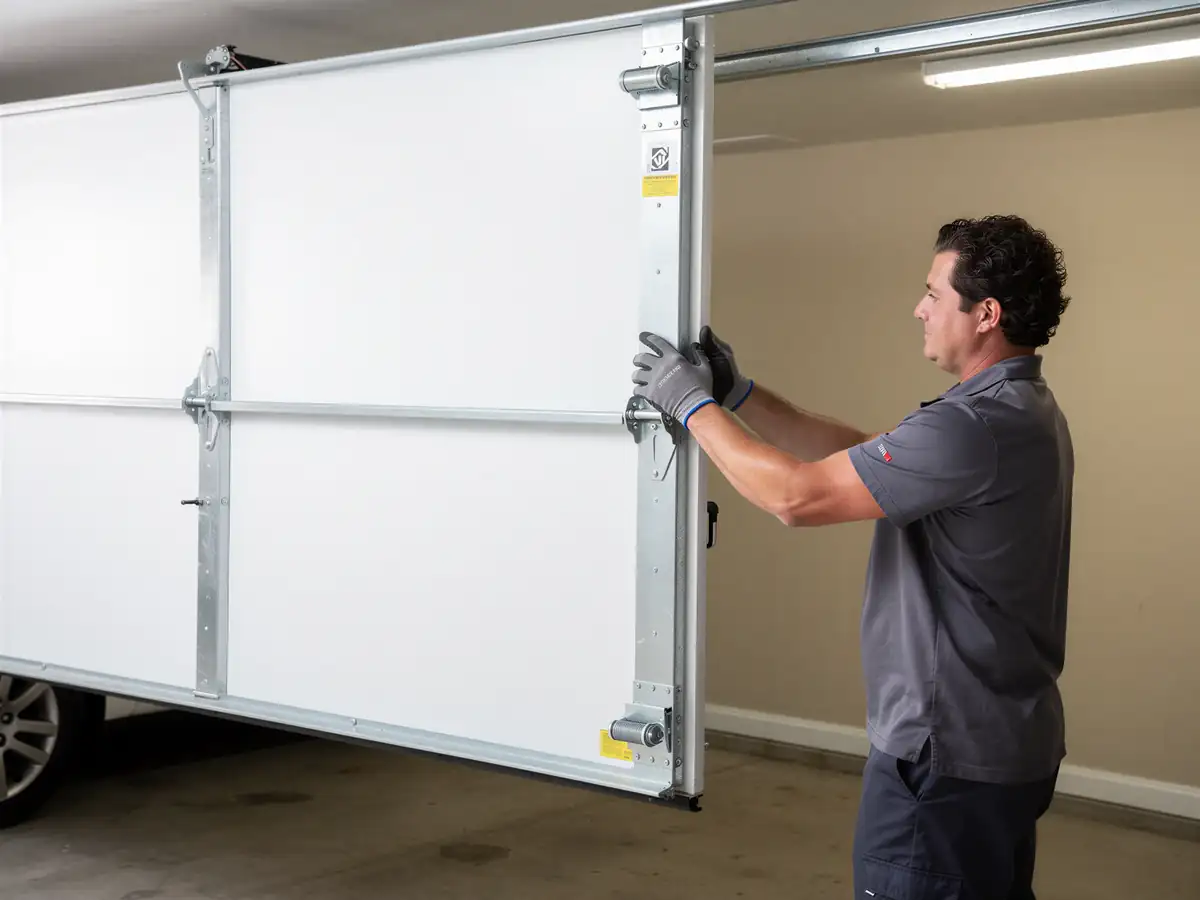
We pull the door off auto-reverse and run it by hand first, because that tells us more about spring balance than any sensor does. Then we work the track brackets, check roller wear, torque the hardware on the opener rail, and lube the hinges and cables with a product rated for a cold-moderate climate band, not a general-purpose can that gums up once temperatures drop.
Across the service area
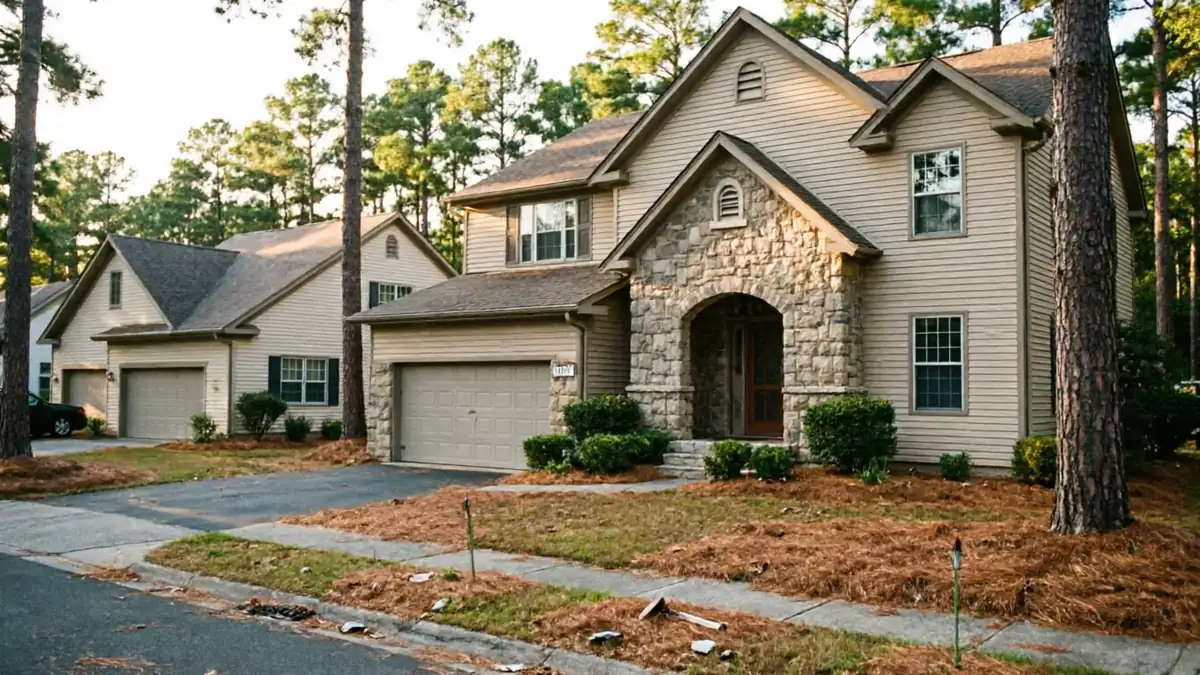
30,812 households, with 14,940 of those owner-occupied houses - the housing stock runs from 1968 to 2013, with a median build year of 1985. That range matters because a lot of doors we touch are original to the house, sitting on hardware that was never upgraded. We check the spring size against the door weight, not just against what's installed, since undersized springs are common on homes that age.
- 30,812 households
- 14,940 owner-occupied
We also test the balance point
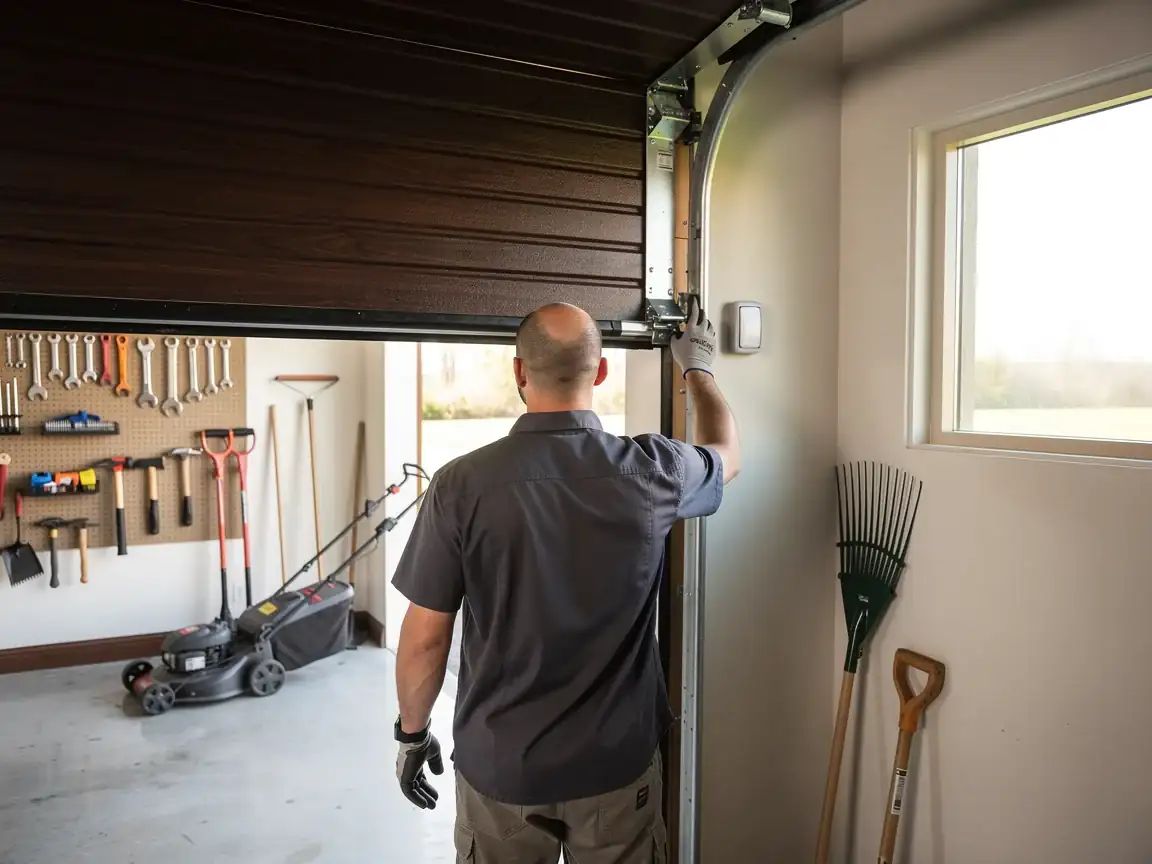
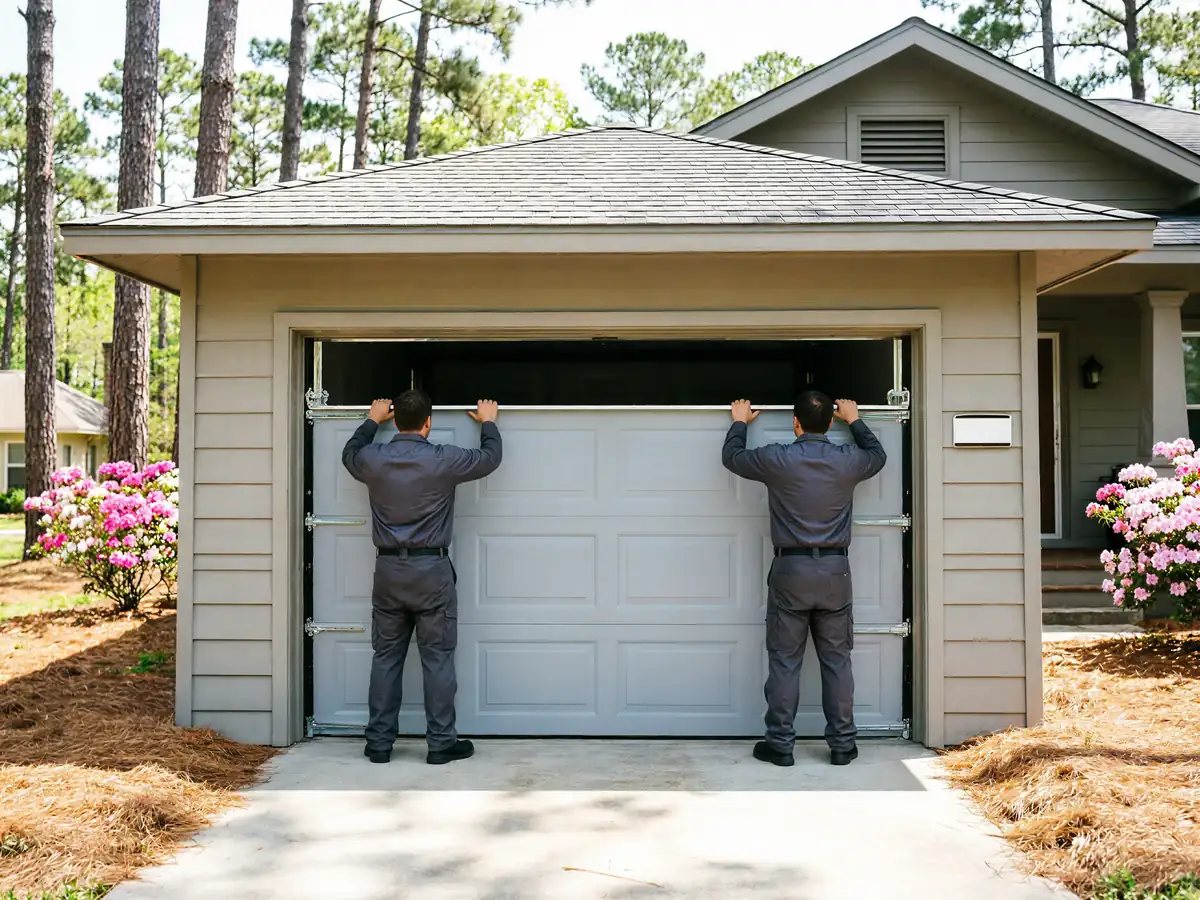
The door should hold still at waist height when disconnected from the opener. If it drifts, that's a spring or cable problem, not an opener problem, and we flag it before touching anything electronic. We don't replace parts that test fine just to pad a visit.
What You Are Seeing
The door that used to open in one smooth pull now hesitates, or jerks partway up. The opener strains and makes a louder motor sound than it used to. Rollers that were quiet for years start to grind, especially on the first cold mornings when nylon rollers haven't warmed up and steel tracks have contracted slightly.
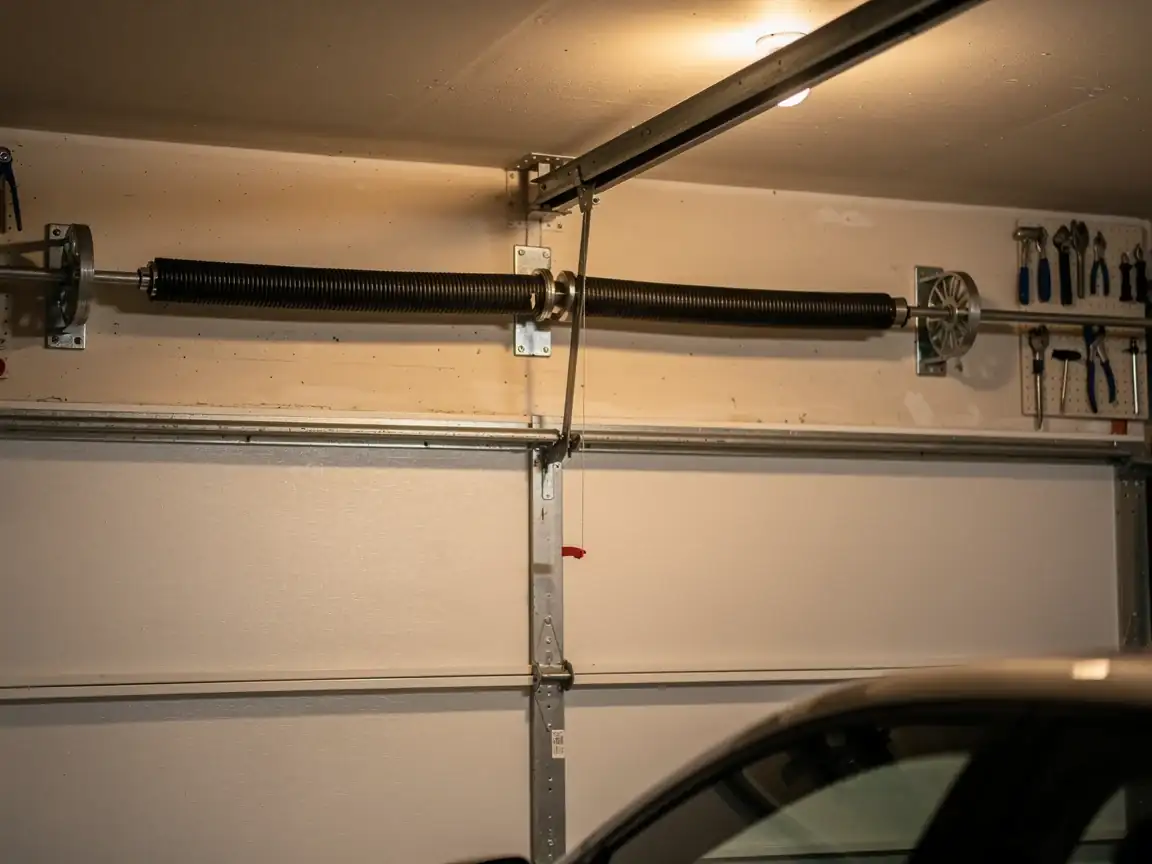
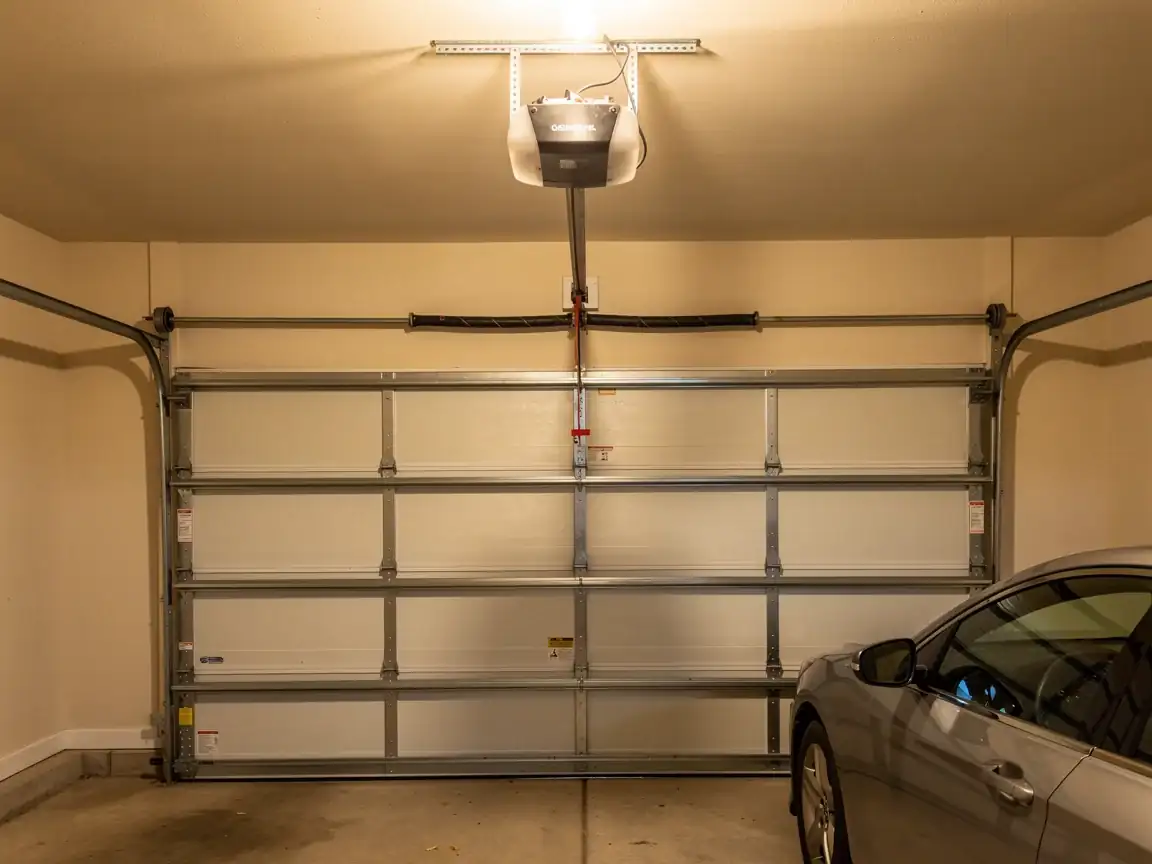
In homes built mid-range in that 1968-2013 window - the bulk of the stock across the ten areas we work - we see galvanized cable starting to show rust threads where it passes through the bottom bracket, and torsion springs that have lost coil tension without ever snapping outright. That's the failure mode that gets missed: a spring doesn't have to break to be done. It just stops doing its job, and the opener starts doing the spring's work on top of its own, which shortens the opener's life too.
If your door drops the last foot instead of settling, or the opener clicks and reverses before it closes, that's usually a balance issue, not a sensor issue.
Can You Do This Yourself
Some of this is fine to do on your own. Wipe the tracks, check that the photo-eye sensors are aligned and clean, and look at the weatherstripping along the bottom panel - in a cold-moderate climate, a gap there lets in enough air to matter on a heating bill. Tightening visible bolts on the track brackets is reasonable too, as long as you're not forcing anything that's seized.
What we don't recommend doing yourself: touching the torsion spring itself, or the cables under tension. These store enough force to cause a serious injury, and there's no way to safely gauge spring tension without the right bars and a lot of repetition doing it. If your door is one of the many in this area still running original springs from a build in the 1980s or 90s, the steel has fatigue you can't see from outside the coil.
We'll say plainly: if a repair is going to cost close to what a new opener or door runs, we tell you that instead of billing for a patch that won't hold.
Why This Fails Locally
This isn't a generic wear-and-tear story
The housing stock across this service area clusters in the 1980s and 90s, per the construction records for the ten named areas we cover, and a cold-moderate climate band means real seasonal swing - steel contracts, lubricant thickens, and hardware that was torqued once at installation loosens as materials expand and contract year over year. A door that never gets touched after installation is working against that swing every season with no adjustment.
With a median household income around $55,051 across the service area
A lot of homeowners we talk to are trying to get five more years out of hardware before replacing it rather than defaulting to a full swap. That's a reasonable call in a lot of cases - a spring and cable service plus some hardware tightening can genuinely buy years on a door that's otherwise sound. But it only works if someone actually checks balance and tension on a schedule, instead of waiting for the day the spring lets go entirely, usually on a cold morning when the coil is least forgiving.
- $55,051 median household income