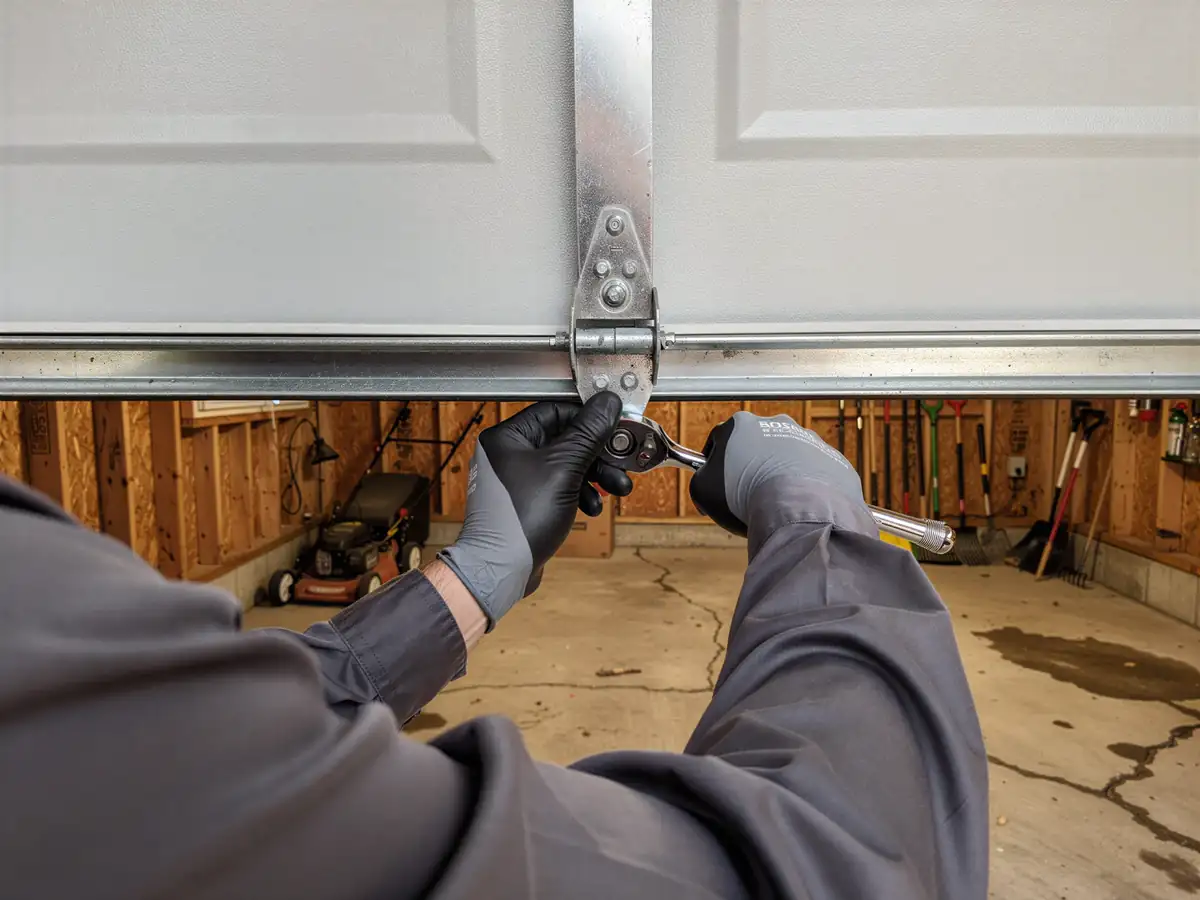
How We Fix It
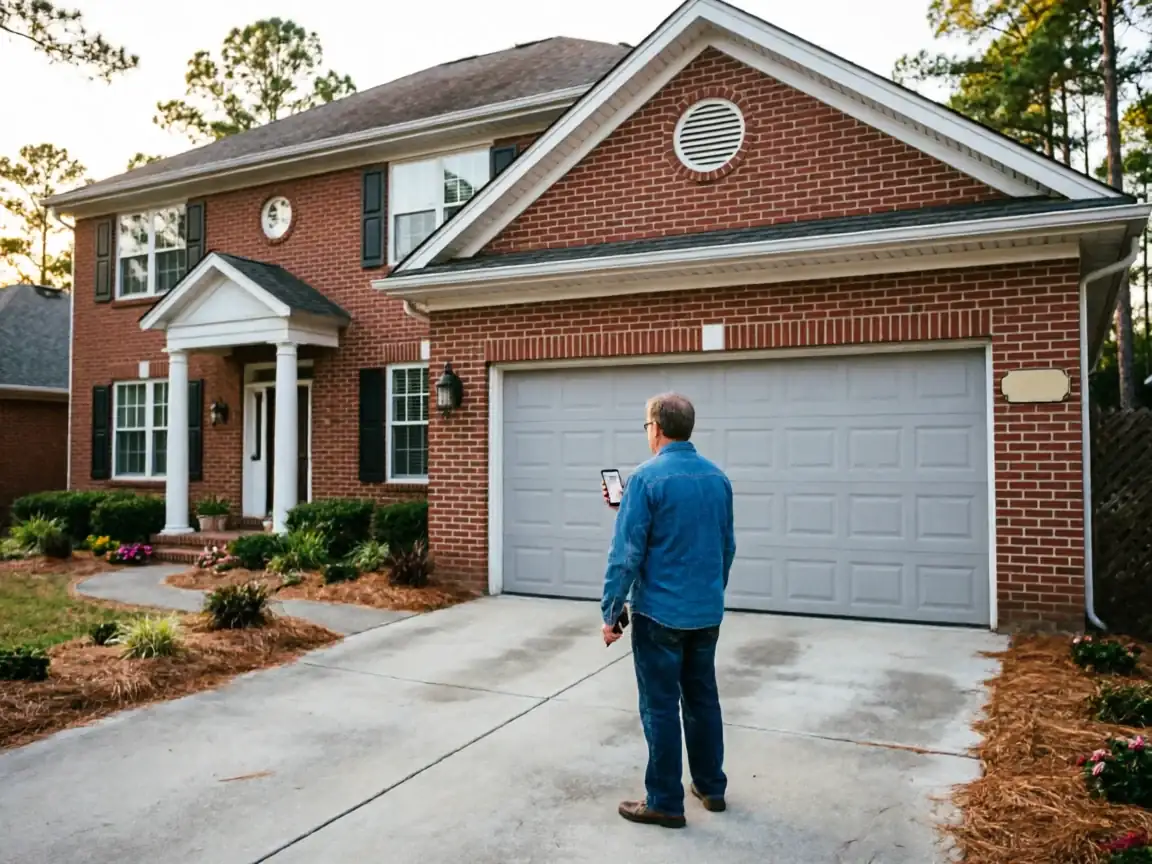
When you call, we ask what the door is doing
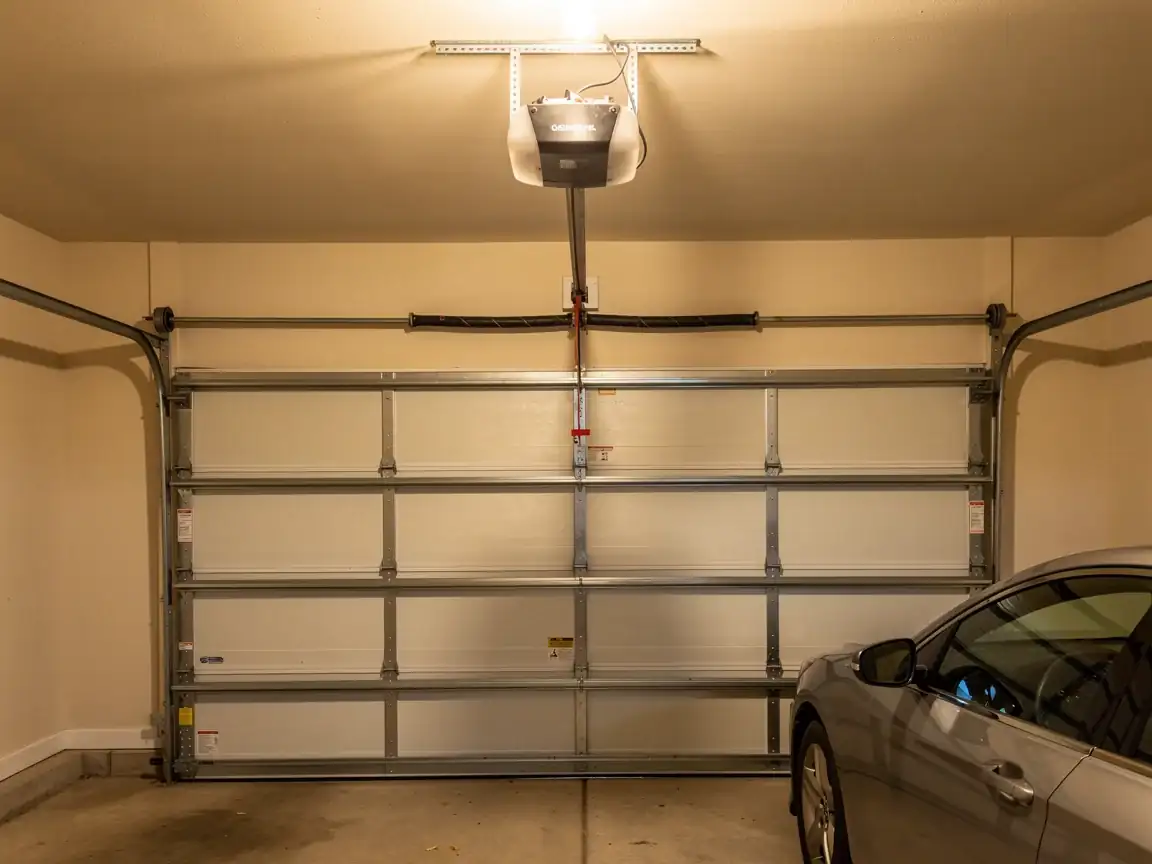
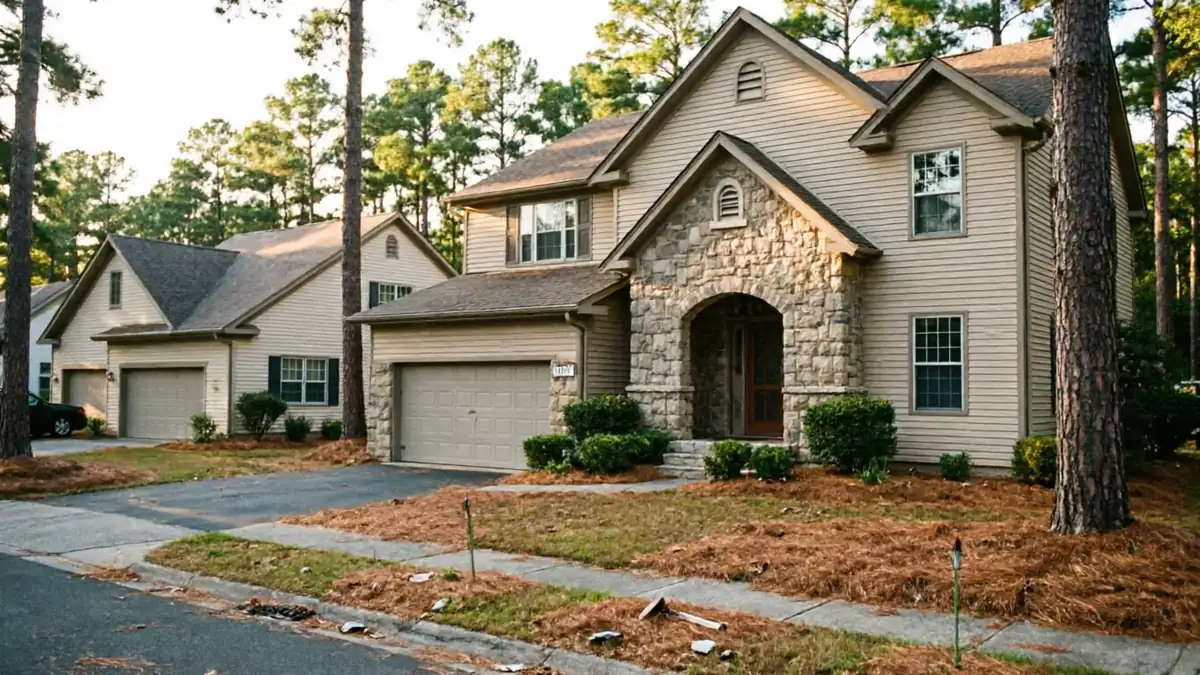
Won't open, opens partway and stops, makes a bang, or drifts back down. That tells us whether we're looking at a broken torsion spring, a frayed cable, a bent track, or an opener board that's given out. Most of the doors we get called on around Clayton went in with the house, somewhere between 1968 and 2013, with a strong concentration from the 1980s and 90s. That means we're usually working with standard torsion or extension spring setups and older chain-drive openers rather than anything unusual.
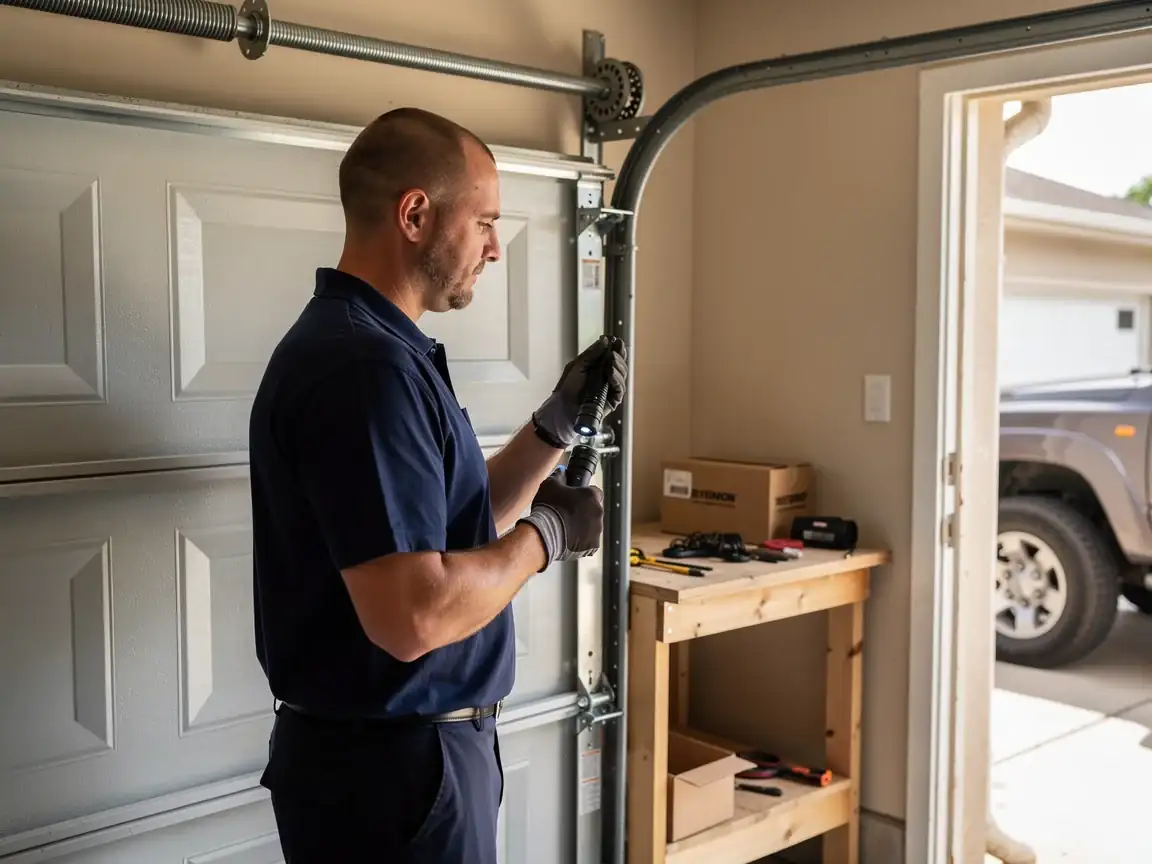
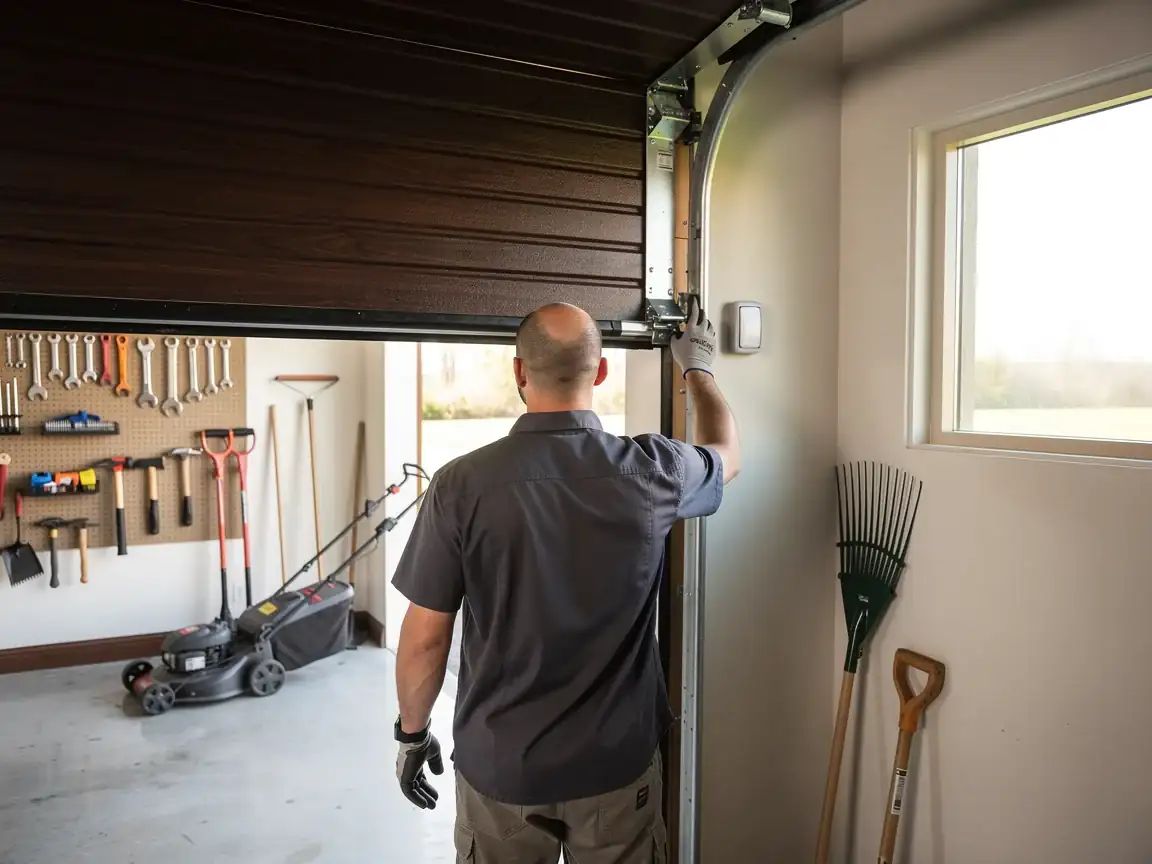
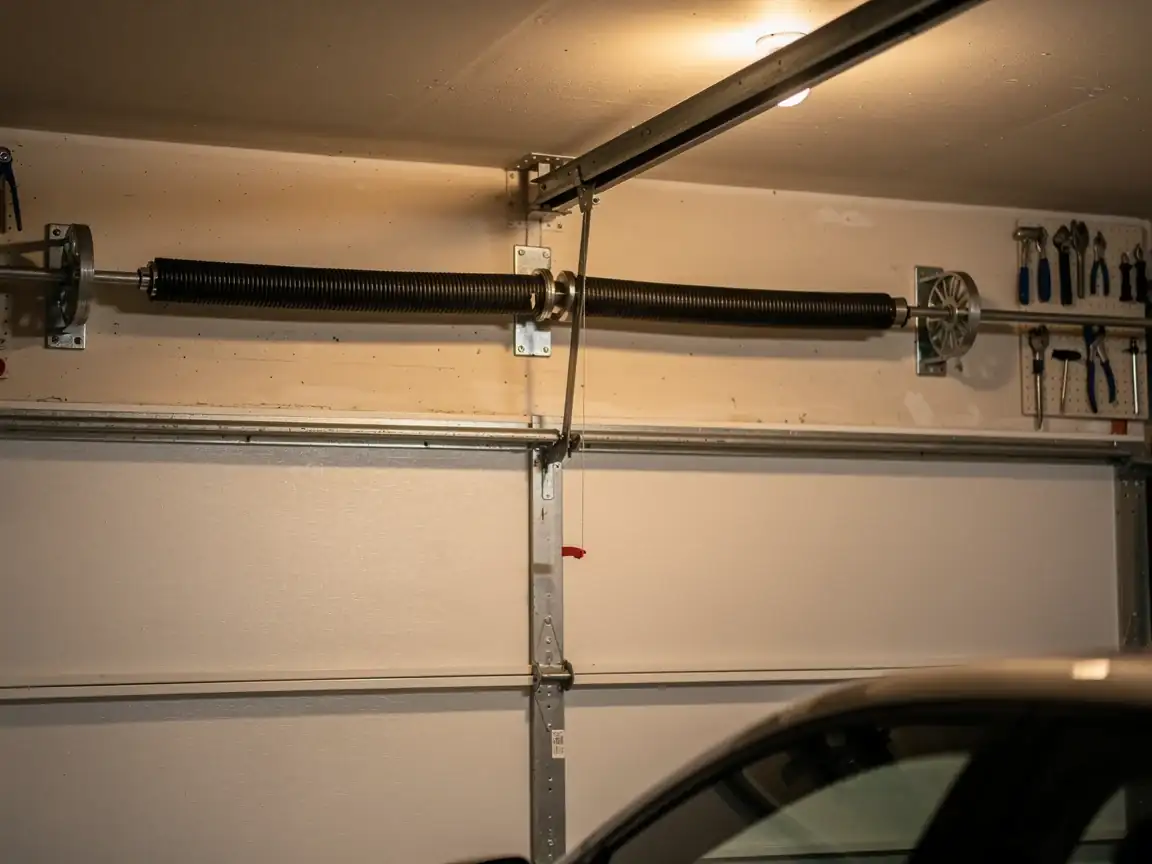
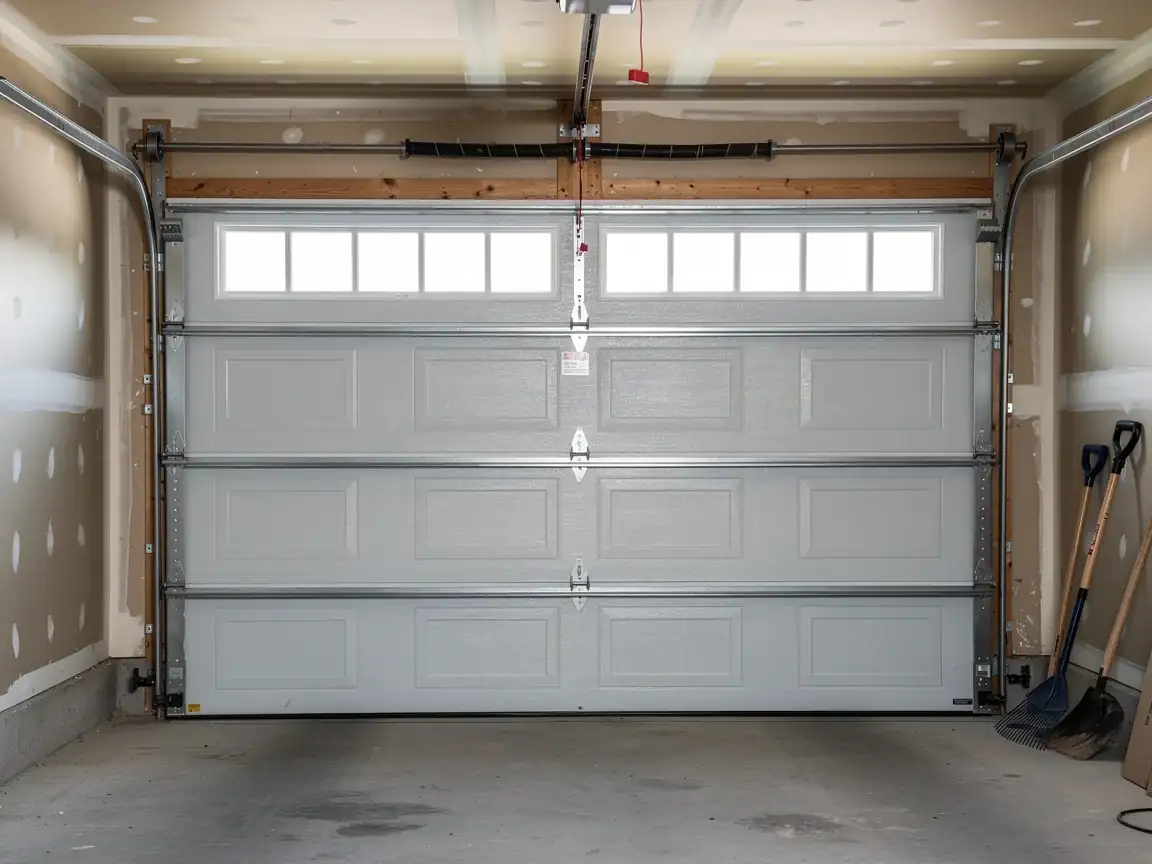
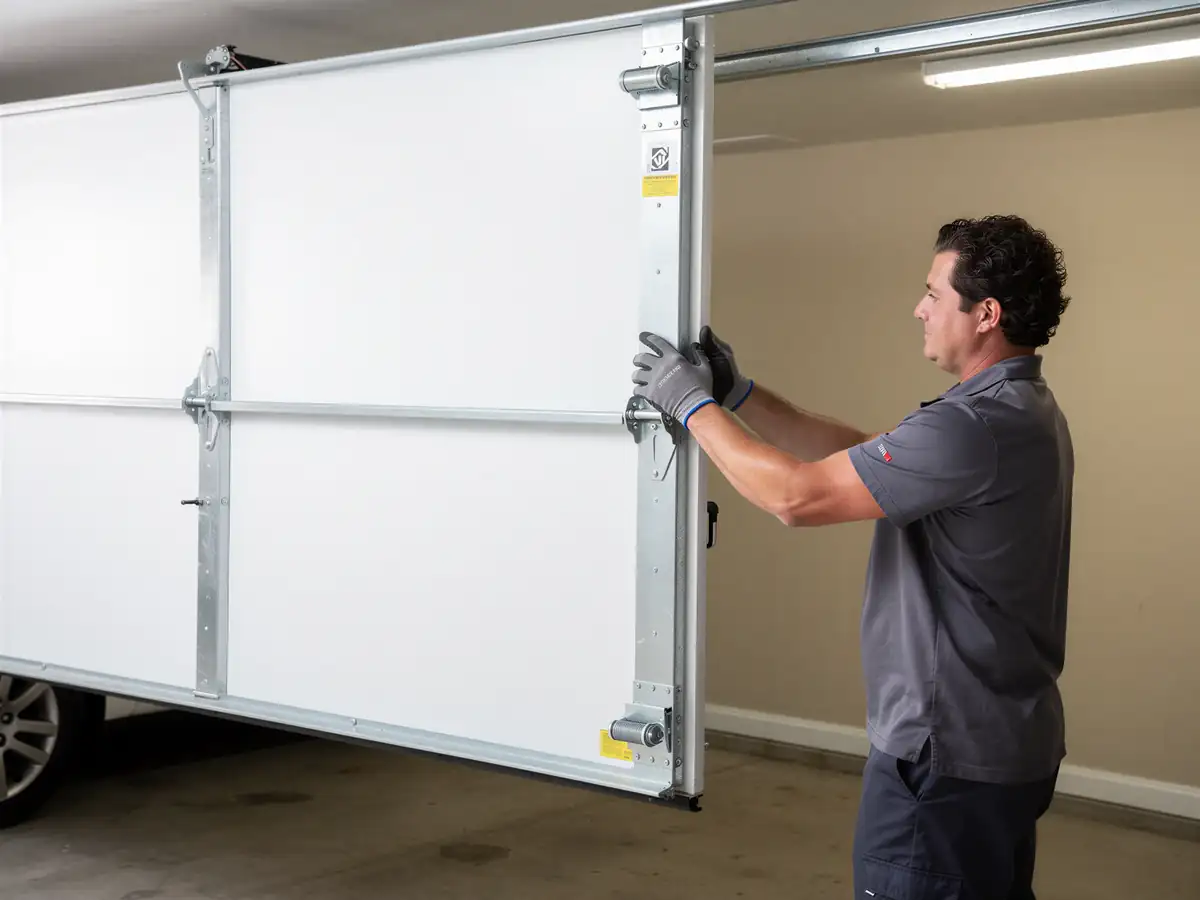
On site, we test spring tension, check cable wear at the drums, run the track plumb, and check the balance of the door by hand with power to the opener cut
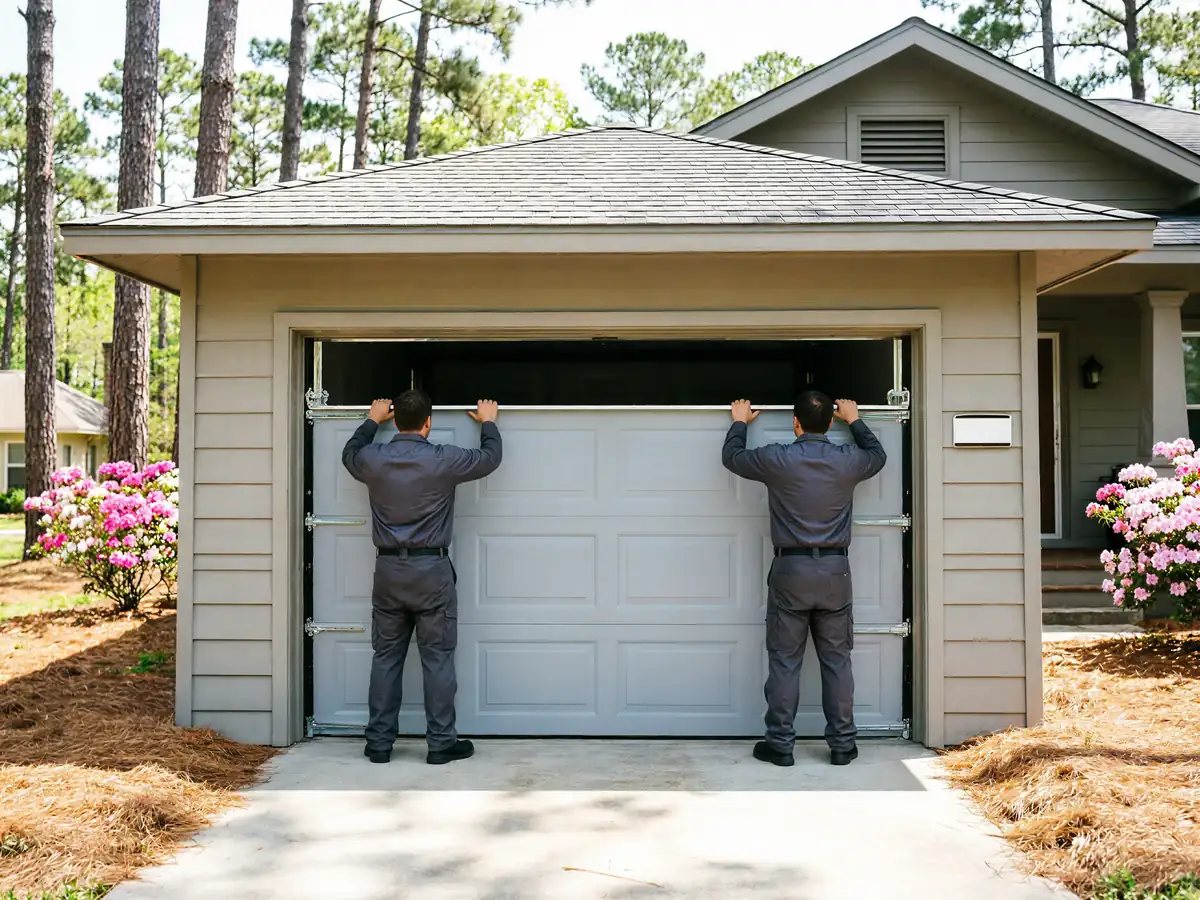
A door that isn't balanced right is the root cause behind a lot of opener failures we get called for later, because the opener ends up doing the spring's job. We replace what's actually broken rather than swap the whole assembly, unless the part's discontinued or the rest of the hardware is too far gone to trust. We carry common spring sizes and cable gauges on the truck for the stock that shows up most in this area, so most repairs finish in one visit.
What You Are Seeing
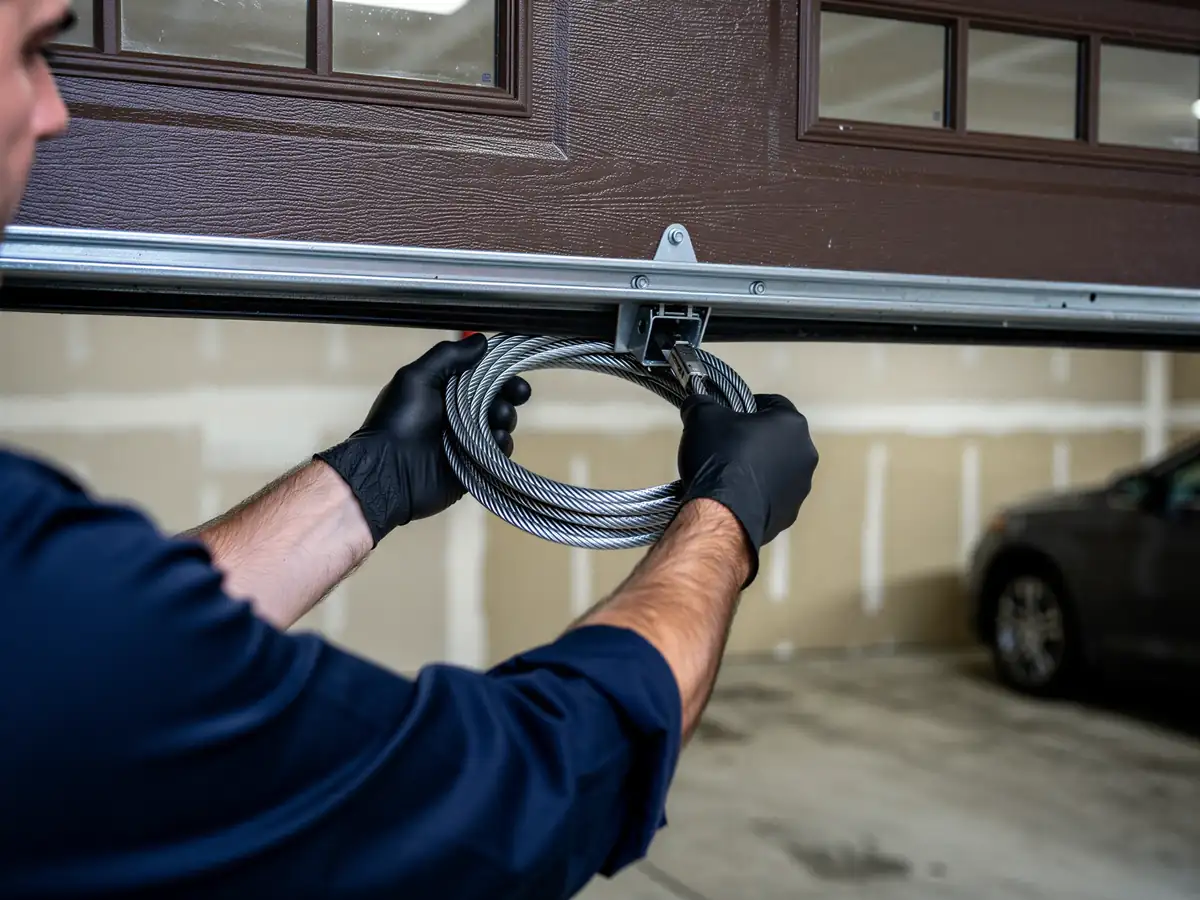
The most common call is a door that won't move and a loud bang from the garage sometime before that, usually a torsion spring letting go. Next most common: a door that reverses on its own a few inches off the floor, which points to misaligned safety sensors or a drifting opener travel limit. You'll also see a door that's heavy to lift by hand, drags on one side, or a cable that's come off the drum and left slack wire hanging by the bottom bracket.
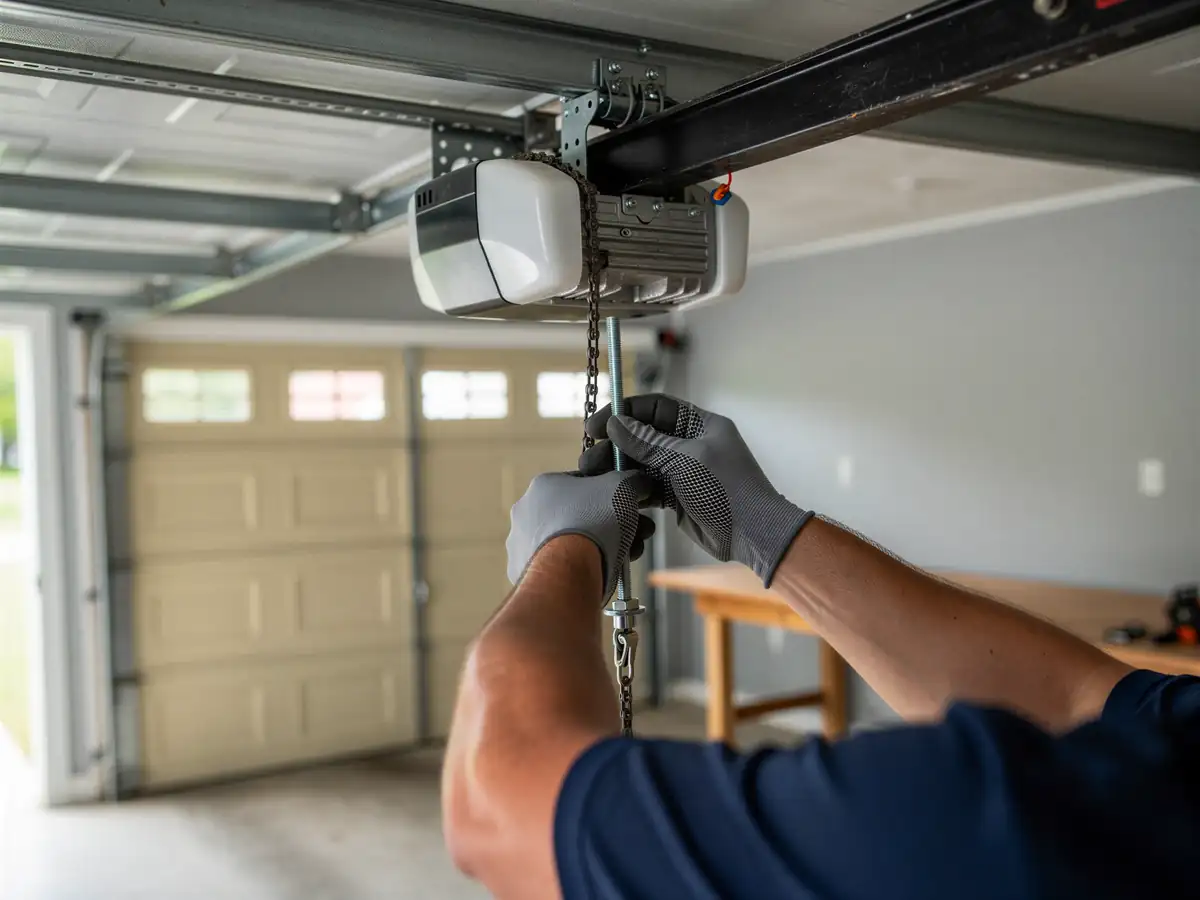
On older chain-drive openers from the 80s and 90s stock still running in a lot of Clayton garages, a worn sprocket or stripped gear inside the housing causes the chain to run but the door to sit still. That's a different fix than a spring snap, and it's worth knowing the difference before anyone opens the housing.
Can You Do This Yourself
Sensor alignment, a loose bolt on the track, or lubricating hinges and rollers are fine to handle yourself, and doing that twice a year cuts down on a lot of our other calls. Torsion springs are not a DIY job. They're wound under enough tension to break bones or worse if the winding bars slip, and the tools to do it safely aren't something most people have lying around. Cable replacement carries the same risk since the cable is under spring load the whole time it's on the drum.
If your door is from the earlier end of Clayton's housing range, built closer to 1968 than 2013, the opener may be original equipment with no modern safety reversal sensors at all. That's not a weekend fix, and we'd rather tell you that up front than have you find out the hard way.
Why This Fails Locally
Clayton sits in a cold-moderate climate band
Which means real swings between summer heat and winter cold through the year. Steel springs and cables expand and contract with that swing, and the metal fatigue shows up faster than it would somewhere with a flatter temperature range. Combine that with a housing stock where most doors and openers date to the 1980s and 90s, and you get a lot of original hardware that's simply reached the end of its cycle count at the same time across whole streets built in the same decade.
Across the service area there are roughly 14,940 owner-occupied houses out of about 30,812 households
And a large share of those garages are running equipment installed when the house was built rather than upgraded since. That's not a knock on the houses, it's just math: a torsion spring rated for a set number of cycles doesn't know what year it is, and in neighborhoods built in a tight window, a lot of springs are due at once.
- 14,940 owner-occupied
- 30,812 households