How Long You Are Without the Door
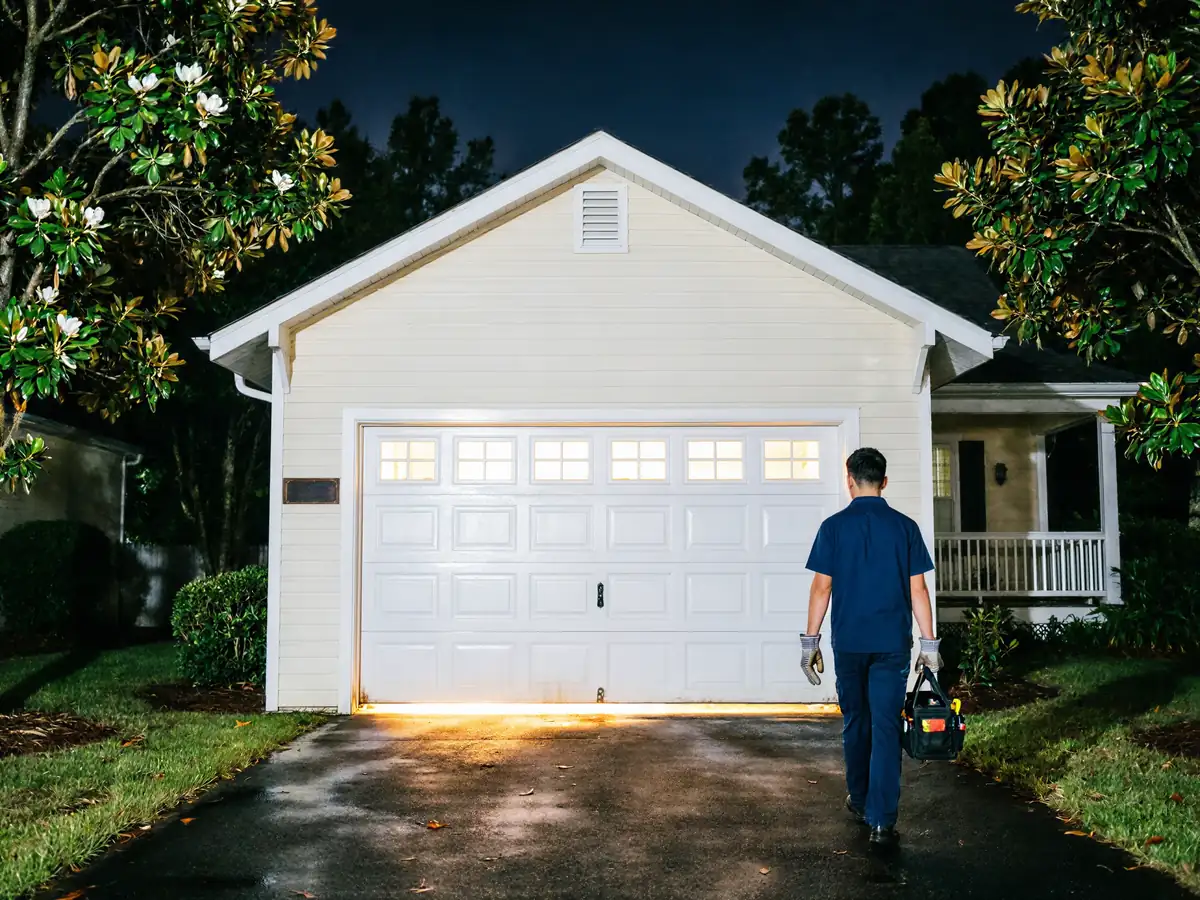
We run this job out of Clayton
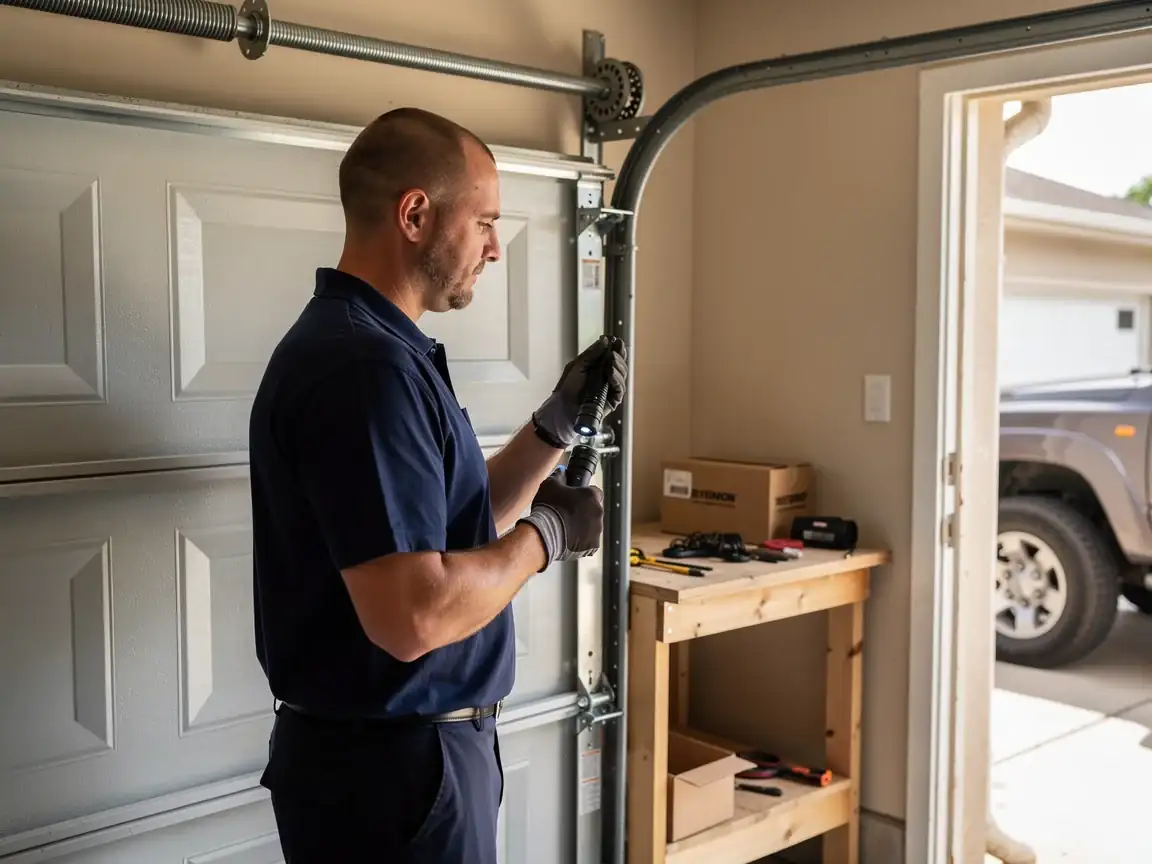
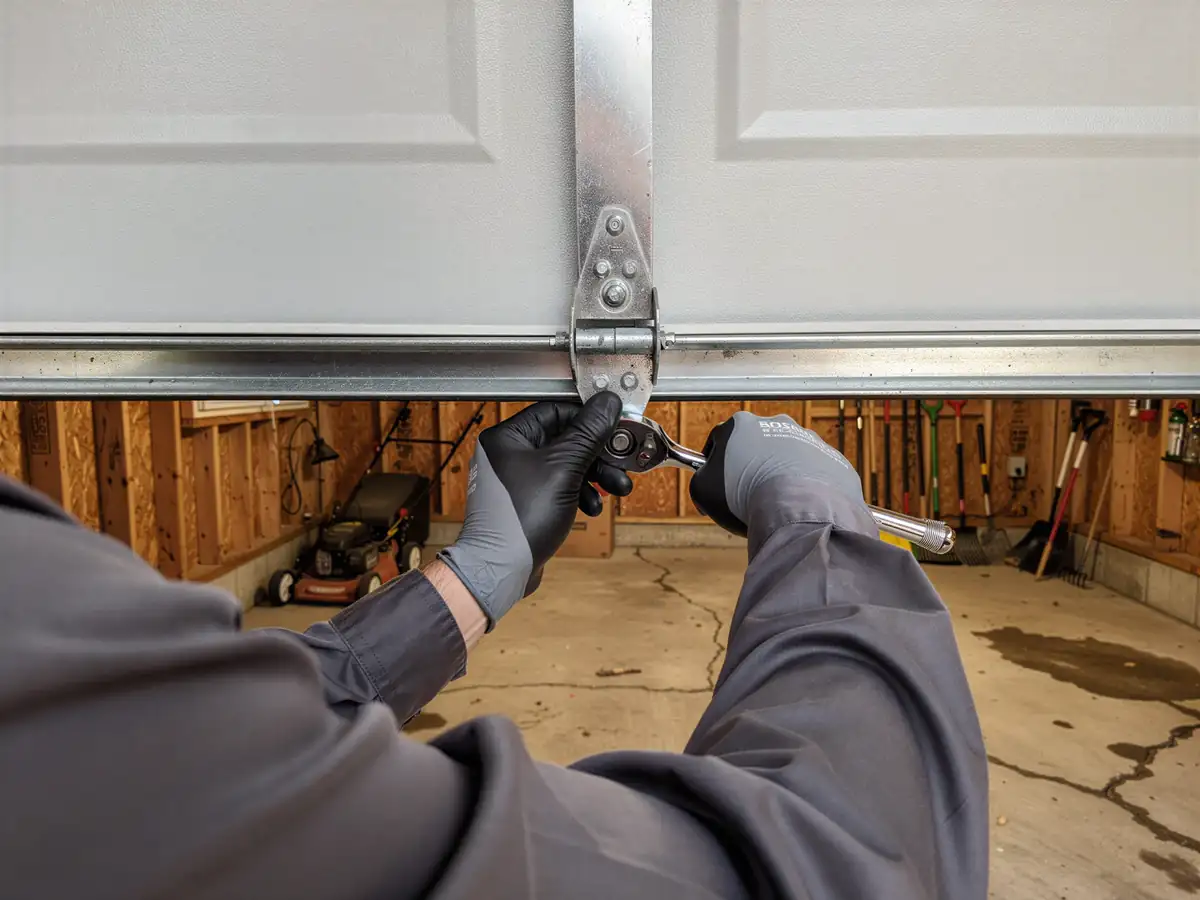
And Smithfield sits about 11 miles out, so plan on that drive being part of the visit, not an add-on. A standard maintenance call - lube, hardware check, balance test, track adjustment - usually keeps the door moving the whole time we're there; we don't pull the door down to do it unless something during the inspection tells us otherwise.
- 11 miles
Where the clock matters more is parts
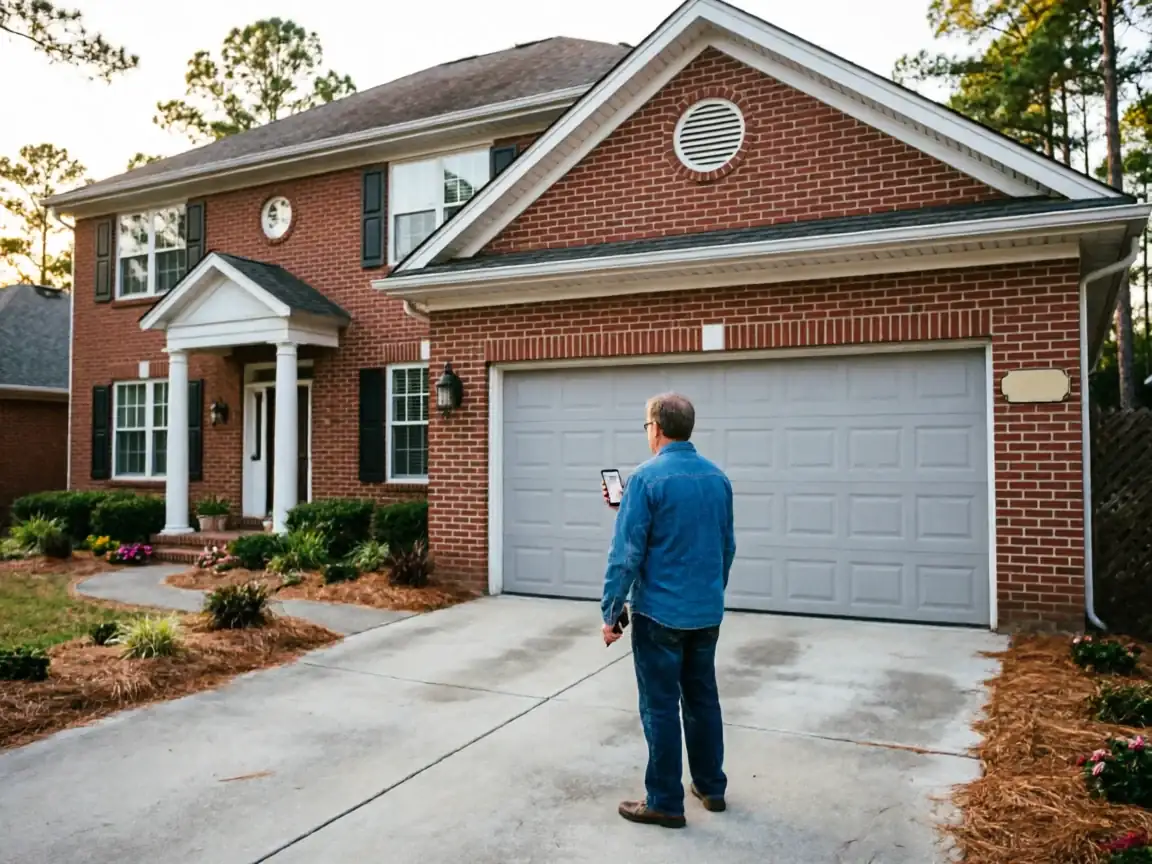
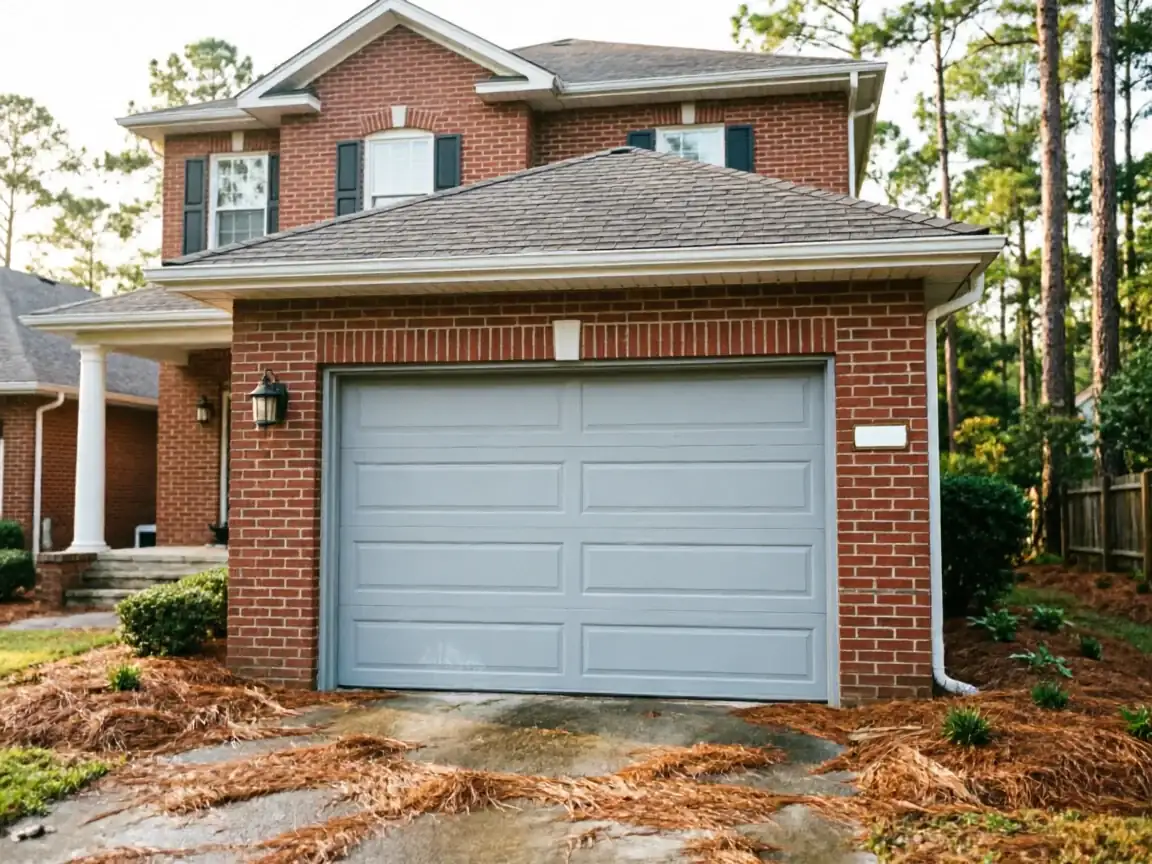
Smithfield's housing runs older than the service-area median - a lot of these homes were built around 1973, a decade ahead of the 1985 median for the wider area - which means some of what we find on inspection (older spring gauges, narrower door widths, obsolete bottom brackets) isn't something we carry stock for on every truck. If a part has to be ordered, the maintenance visit still finishes on schedule; the follow-up for a part swap is the piece that waits.
We're not a Smithfield branch
We don't claim faster service here than the drive supports, and we won't pretend otherwise. What we can promise is that the visit itself, once the truck is in the driveway, runs at the same pace it would anywhere else on the route.
What Is on the Truck
For a house built in the early 1970s, the truck carries what that era actually needs, not a generic kit. That means torsion springs sized for older, narrower door openings, lubricant rated for cold-weather service (this area sits in a moderate-cold climate band, and grease that's fine in Georgia gums up here by January), and the hand tools for adjusting galvanized hardware that hasn't been updated to current roller or cable spec.
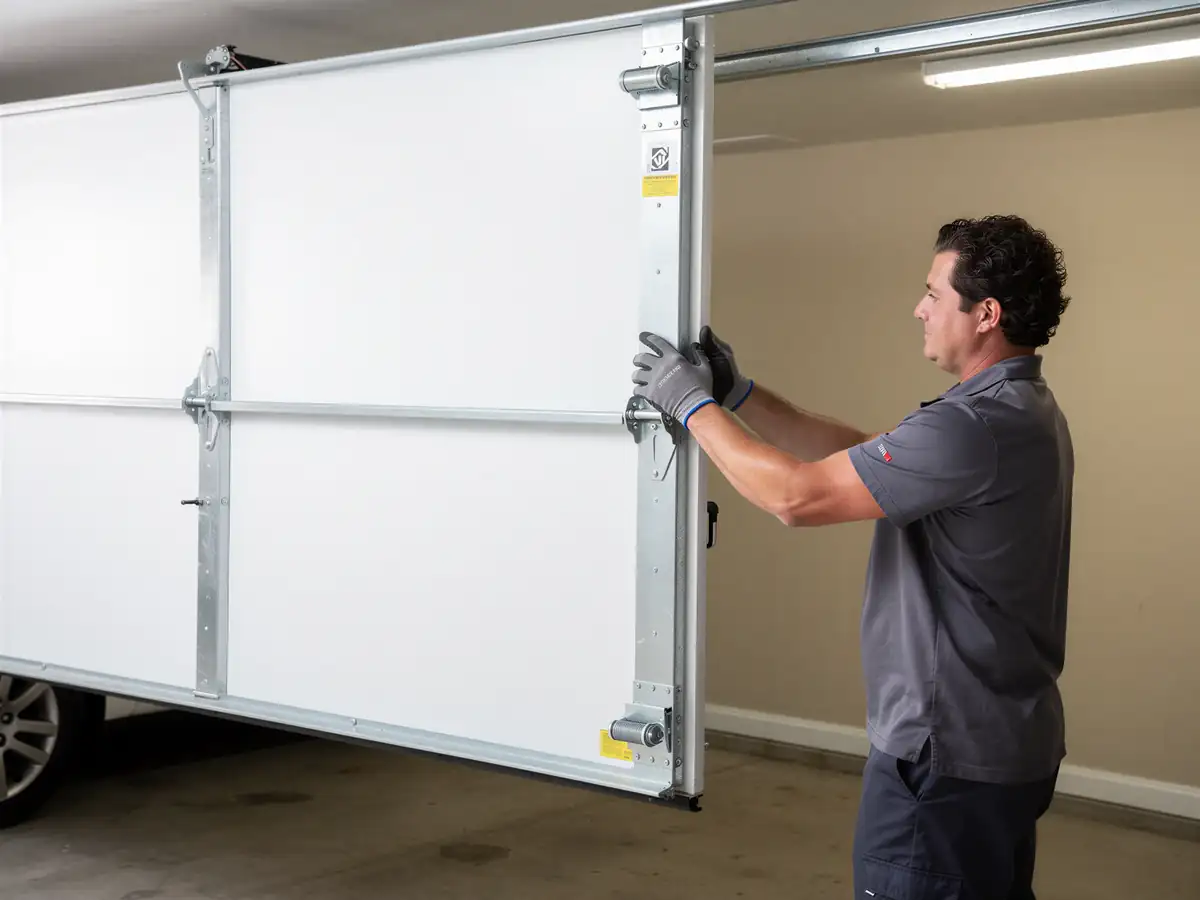
What we don't carry on every run is a replacement panel matched to a 1970s door width. Doors from that era were often built narrower than anything manufactured after the mid-1980s, and matching panels for a partial repair sometimes means a special order rather than a same-visit swap. We'll tell you straight if that's the situation rather than force a panel that doesn't sit right in the track.
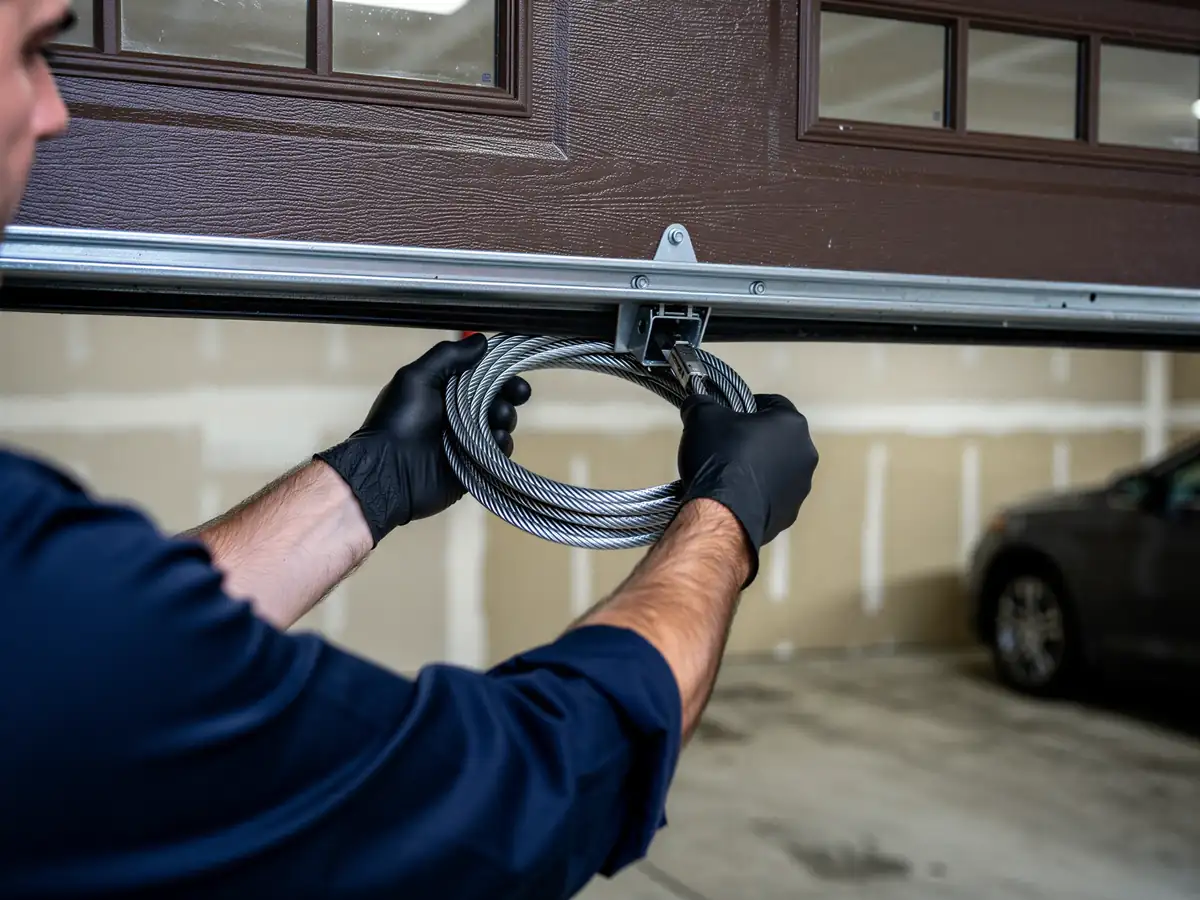
The rest of the kit is the usual maintenance load: torsion spring winding bars, a balance-test weight, roller and hinge stock, and cable. None of that changes town to town. What changes here is how often that older hardware shows wear compared to a door installed in the last fifteen years, which is why we check spring tension and cable fray more carefully on a house this age.
What You Are Seeing
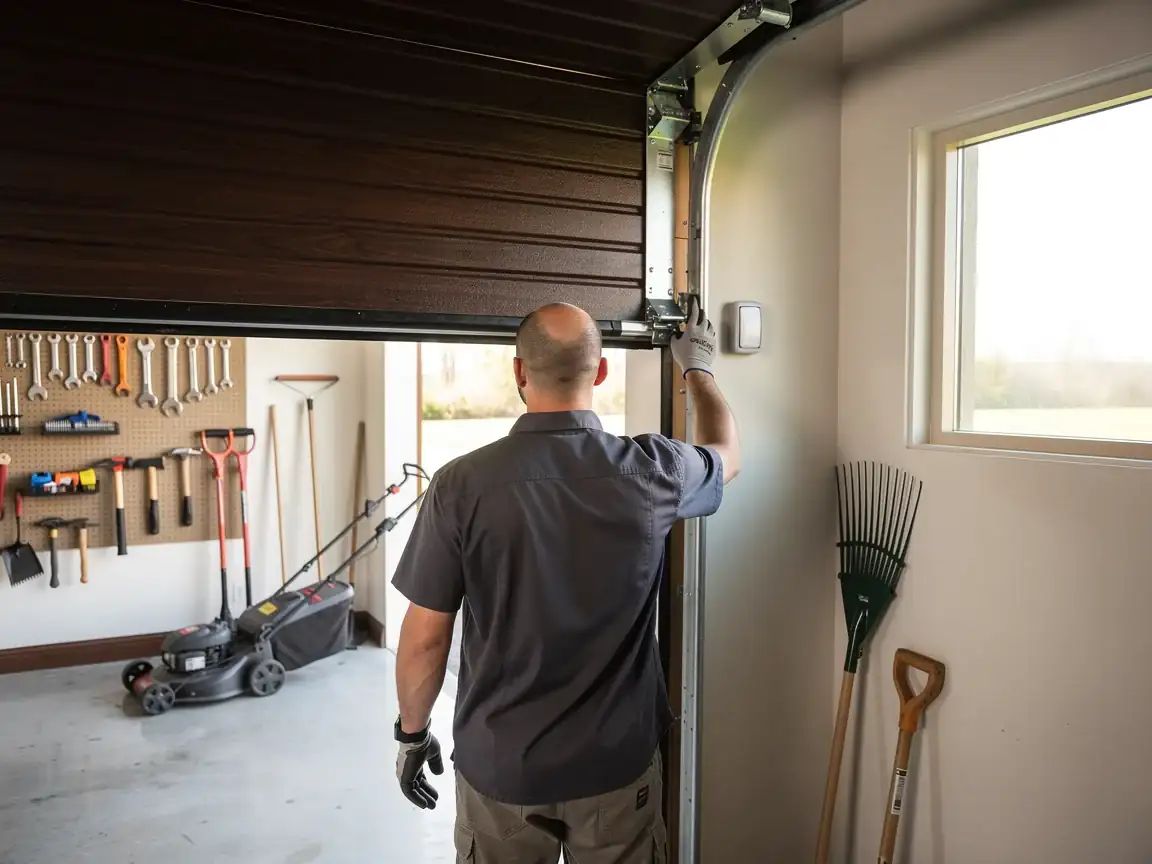
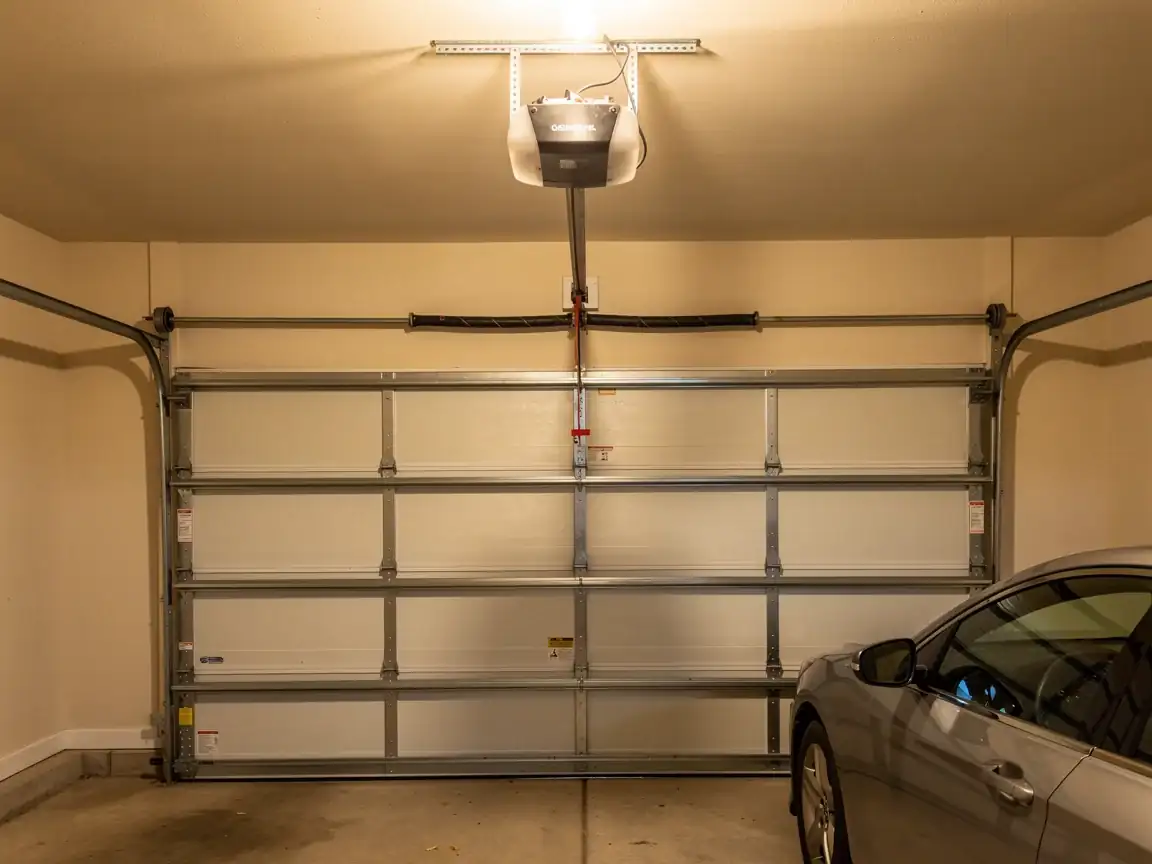
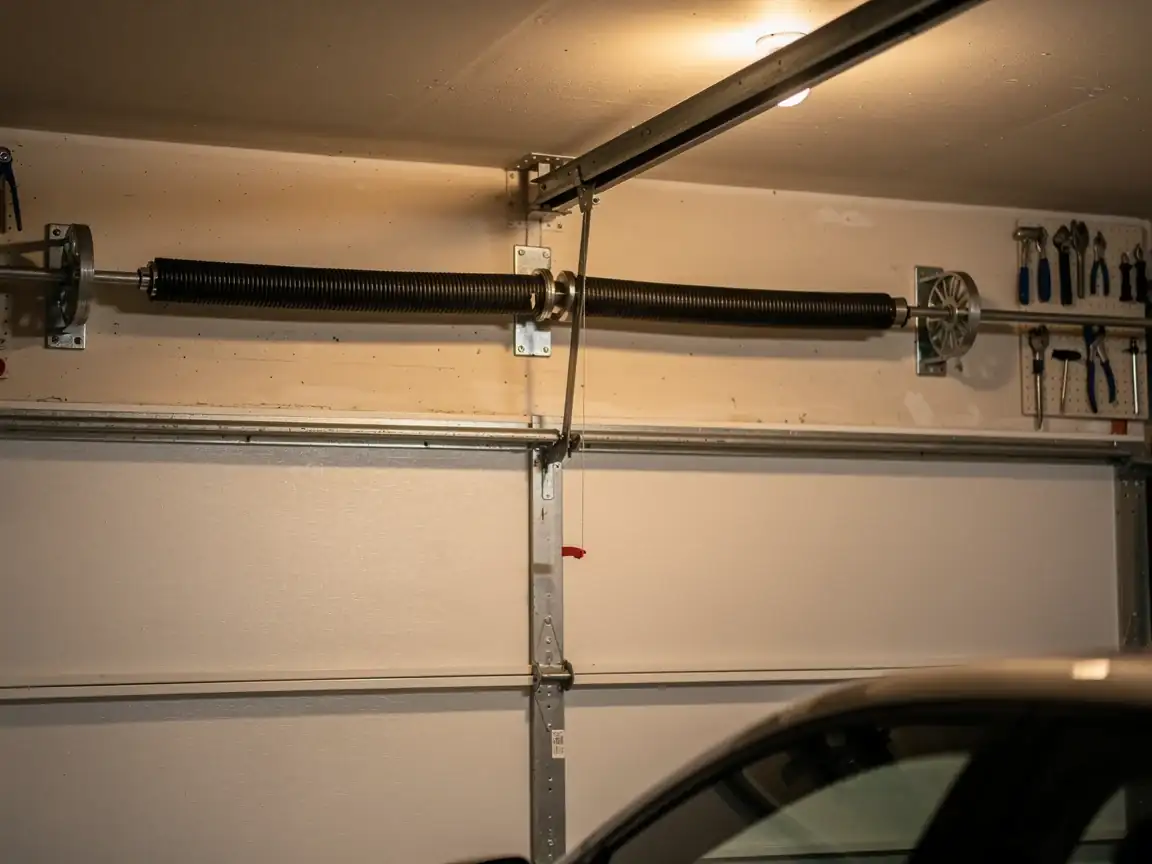
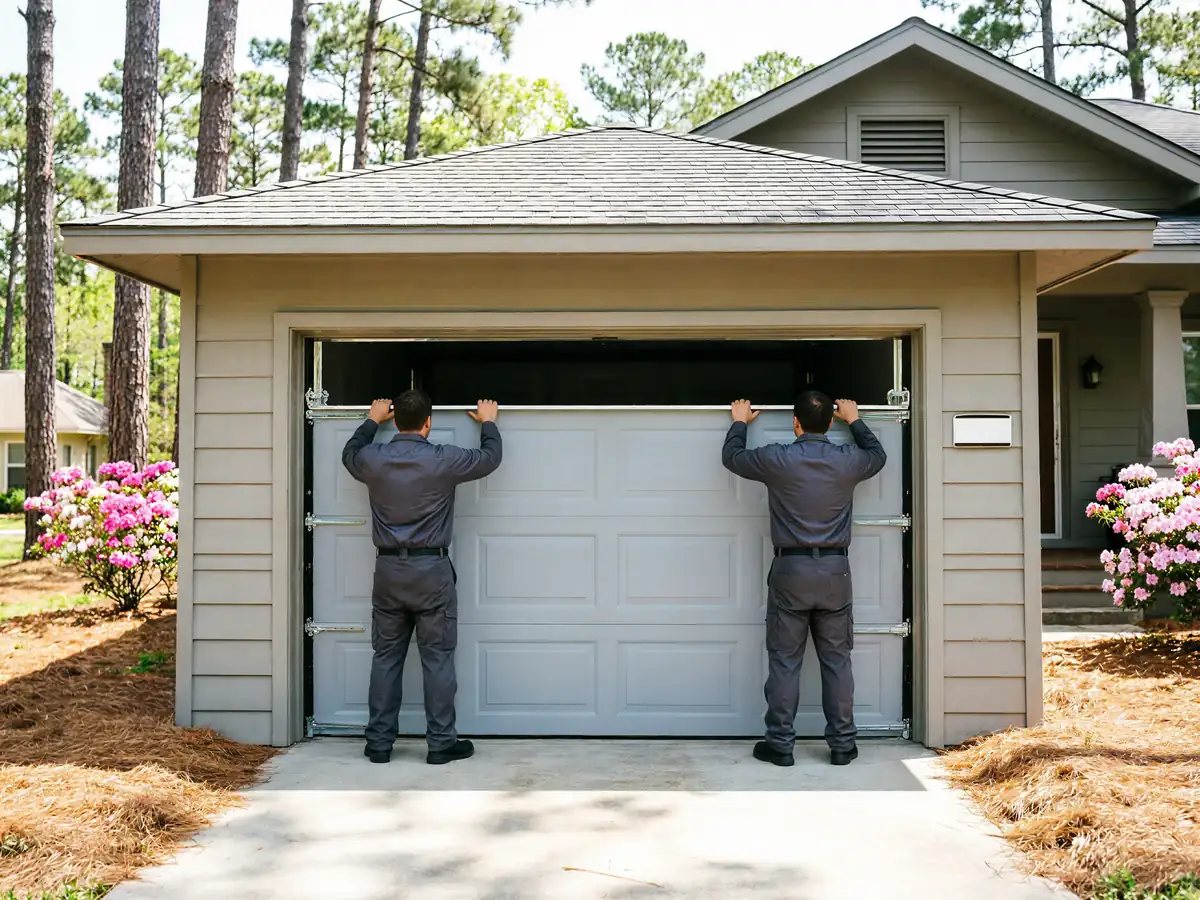
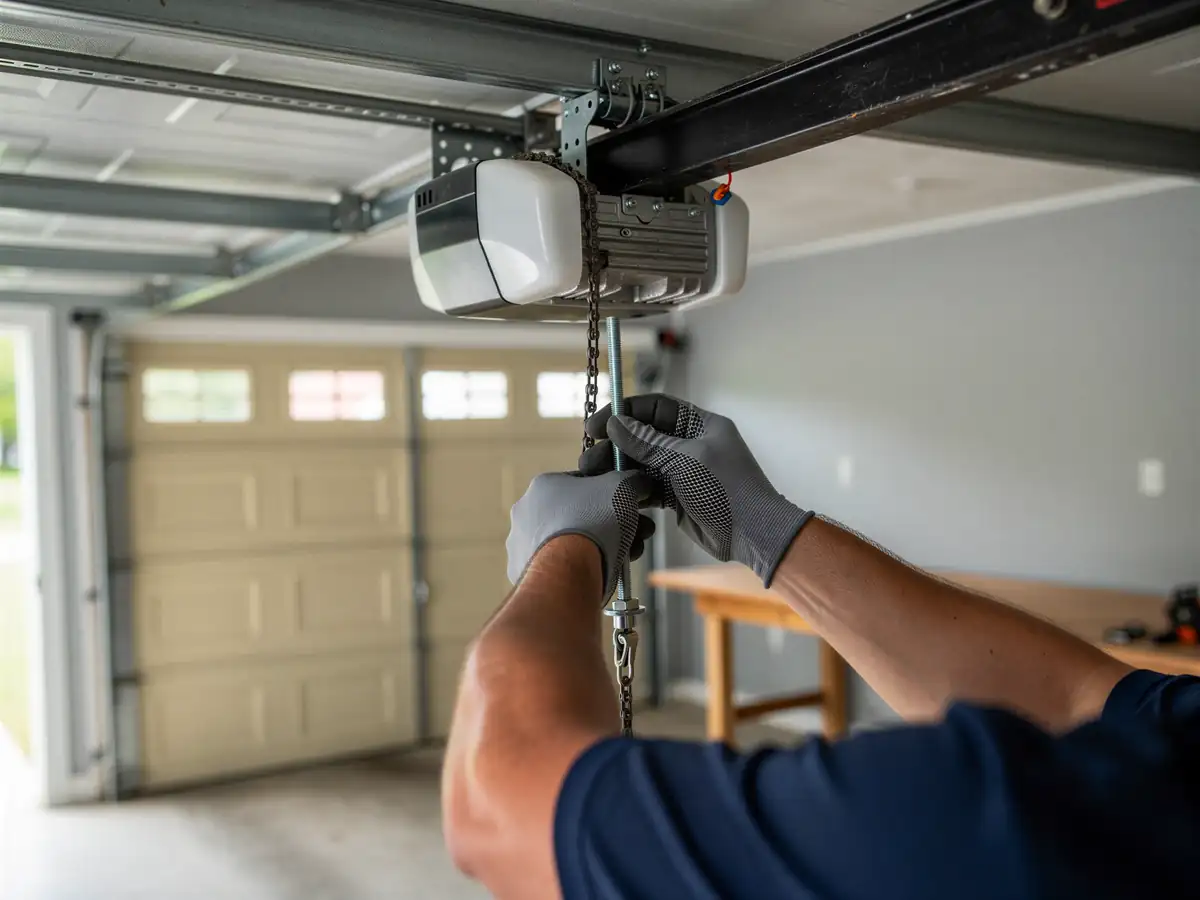
On a door this old, the first sign of trouble is usually the door sagging unevenly when it's halfway up, or the opener straining on the last foot of travel. That's the torsion spring losing tension, not the motor failing - a common misread. On houses in Smithfield built before insulated doors were standard, you'll also see rust bloom at the bottom roller track faster than on newer builds, since original steel panels here often lack the galvanized coating that came standard by the 1990s.
Cold mornings make it worse. In a moderate-cold climate, metal track contracts overnight, and a door that ran smooth in August can bind and grind through January until it warms up. If you're hearing a grinding start-up noise only in cold weather, that's the track gap narrowing, not a motor problem.
With median household income in Smithfield running well under the wider service-area figure, we also see more owners stretching a door's life past the point where lube and adjustment alone will fix it - the hardware's worn enough that maintenance slows the decline but doesn't reverse it. We'll tell you when you've hit that point rather than keep billing you for visits that won't hold.
Can You Do This Yourself
Some of it, yes
Wiping down the track and applying a light lithium grease to the rollers and hinges is something any owner can do twice a year, and it genuinely extends the life of hardware this old. Checking that the door reverses when it hits an object, and that the photo-eye sensors are aligned, takes five minutes and no tools.
What we don't recommend doing yourself: touching the torsion spring
On a door this age, the spring is often under tension that was calculated for hardware specs nobody documents anymore, and winding or unwinding it without the right bars is one of the more common ways people get seriously hurt in a garage. If the door is sagging or won't stay up on its own, that's a spring problem - call it in rather than guess at it.
We'll say plainly: a maintenance visit isn't a substitute for replacement once the door itself
Not just the hardware - is past its service life. On houses built around 1973, we're seeing more doors where the panel steel has thinned enough that no amount of lube fixes the flex you feel when it closes.