How We Fix It
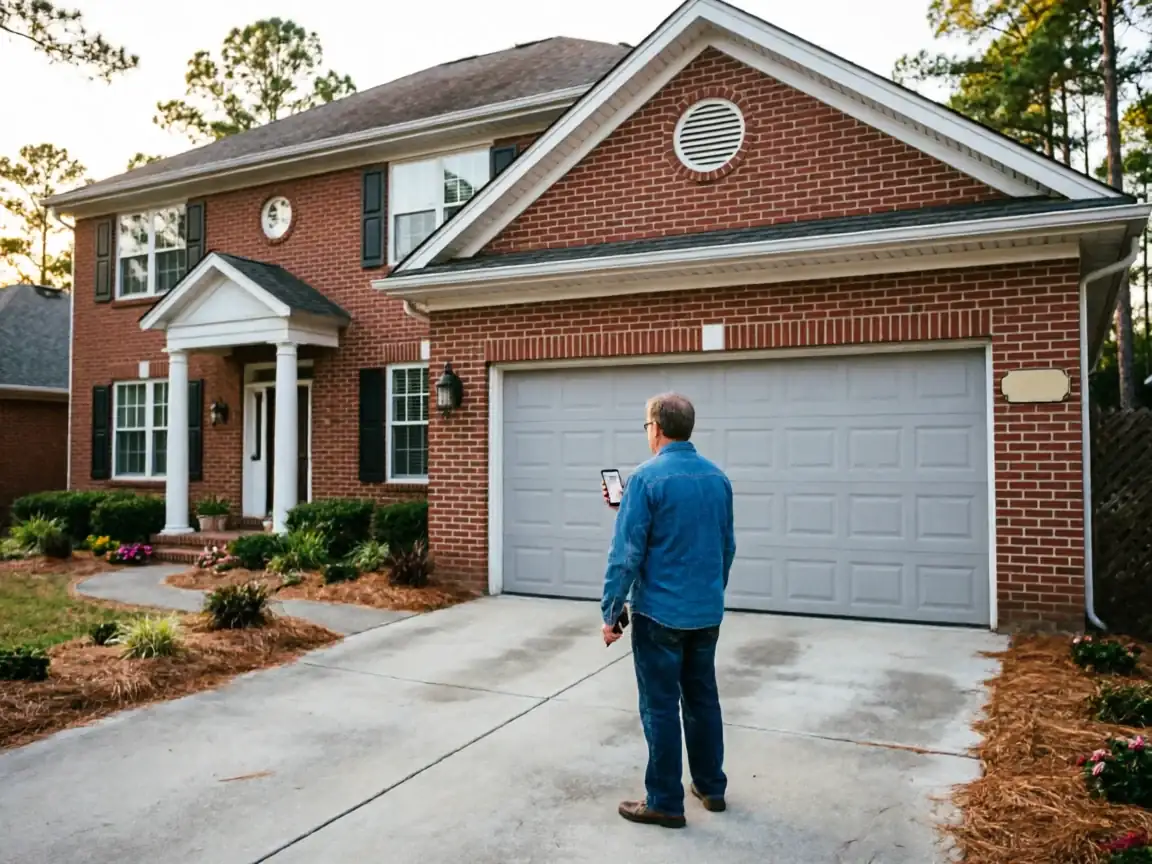
Most houses in Zebulon went up around 1993
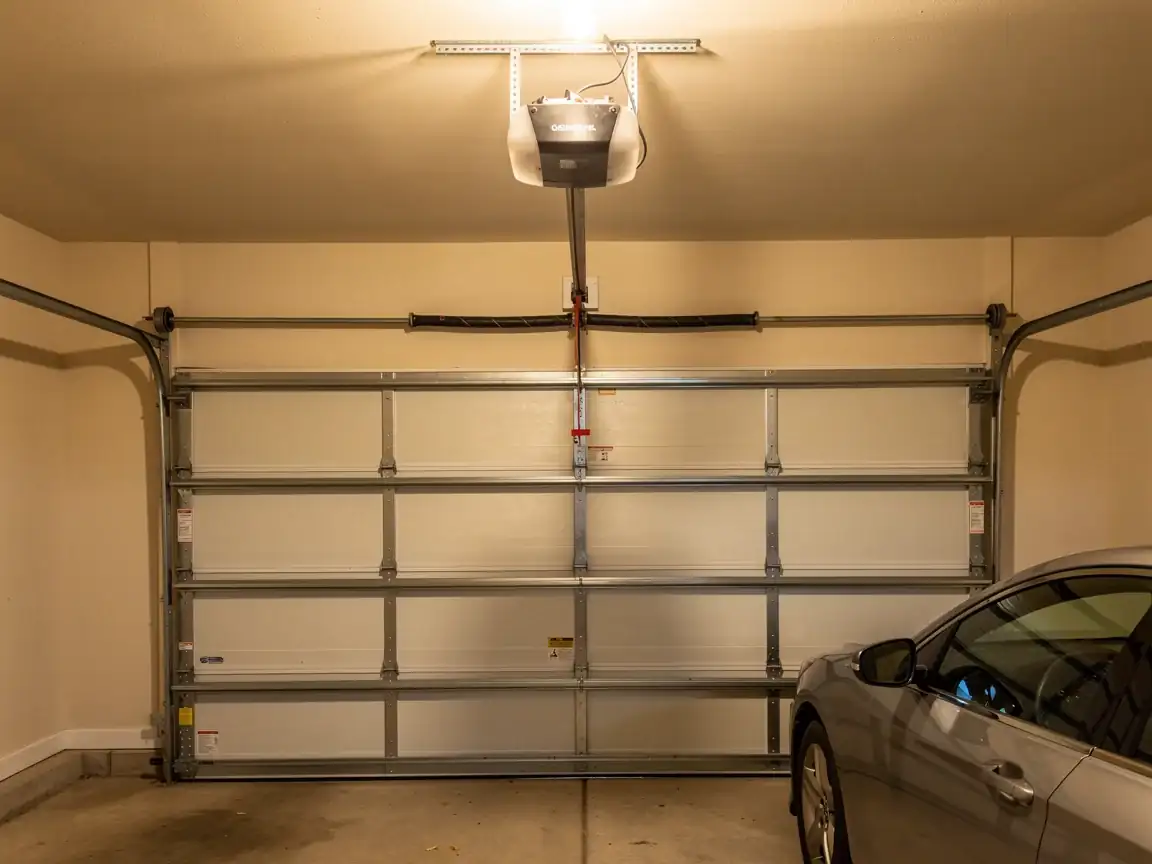
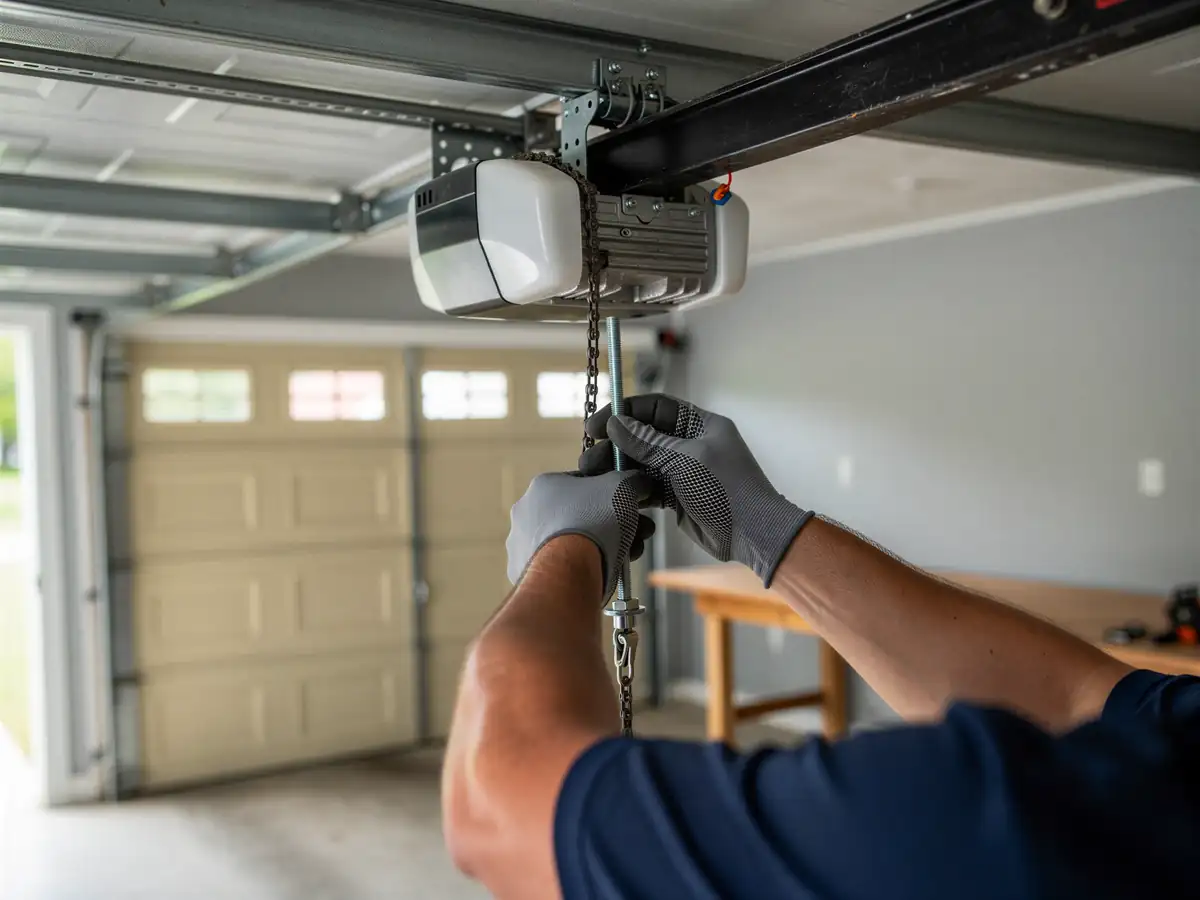
Which puts a lot of garage doors here at roughly thirty years on the same opener and the same torsion spring they left the factory with. Nobody swaps that stuff out unless it breaks, so what we find on a service call is usually the original hardware doing exactly what original hardware does at that age: a spring that's lost tension and started making the opener strain, a drive gear worn down to plastic dust, or a track that's been knocked slightly out of true and never noticed because the door still closed.
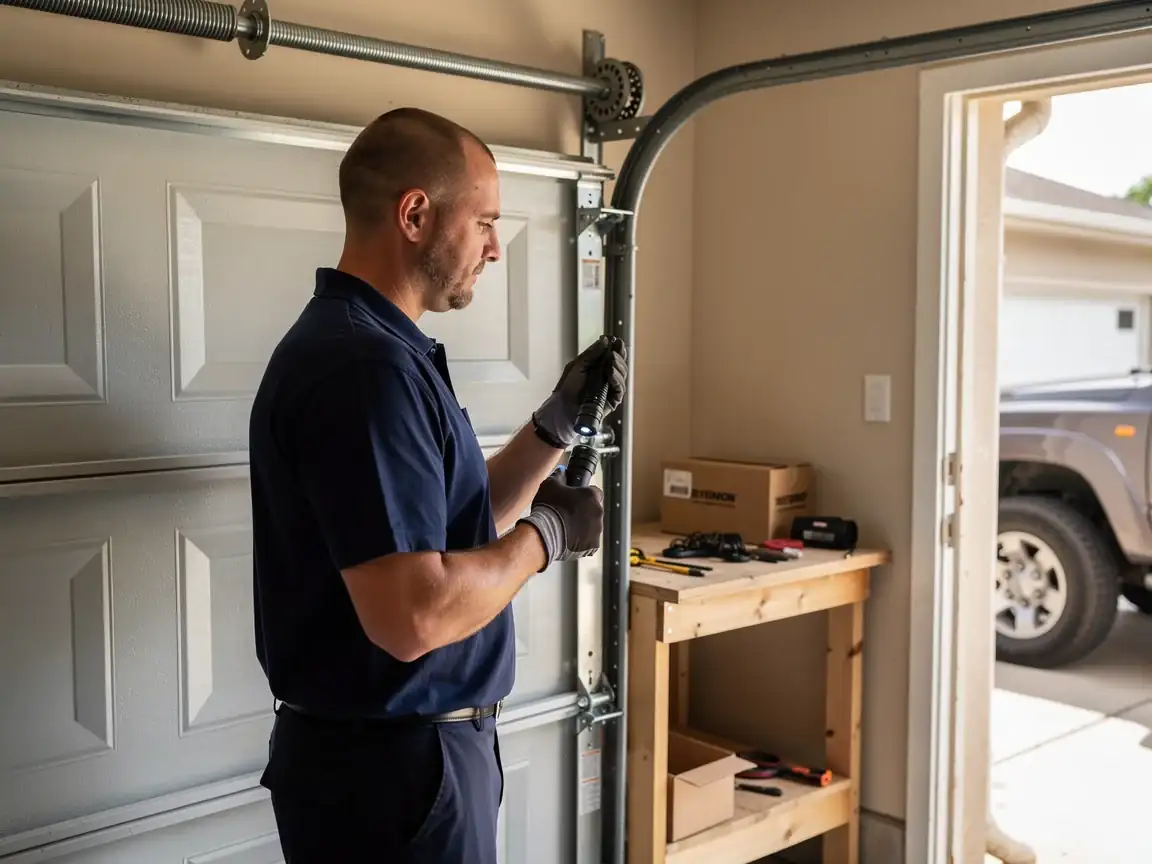
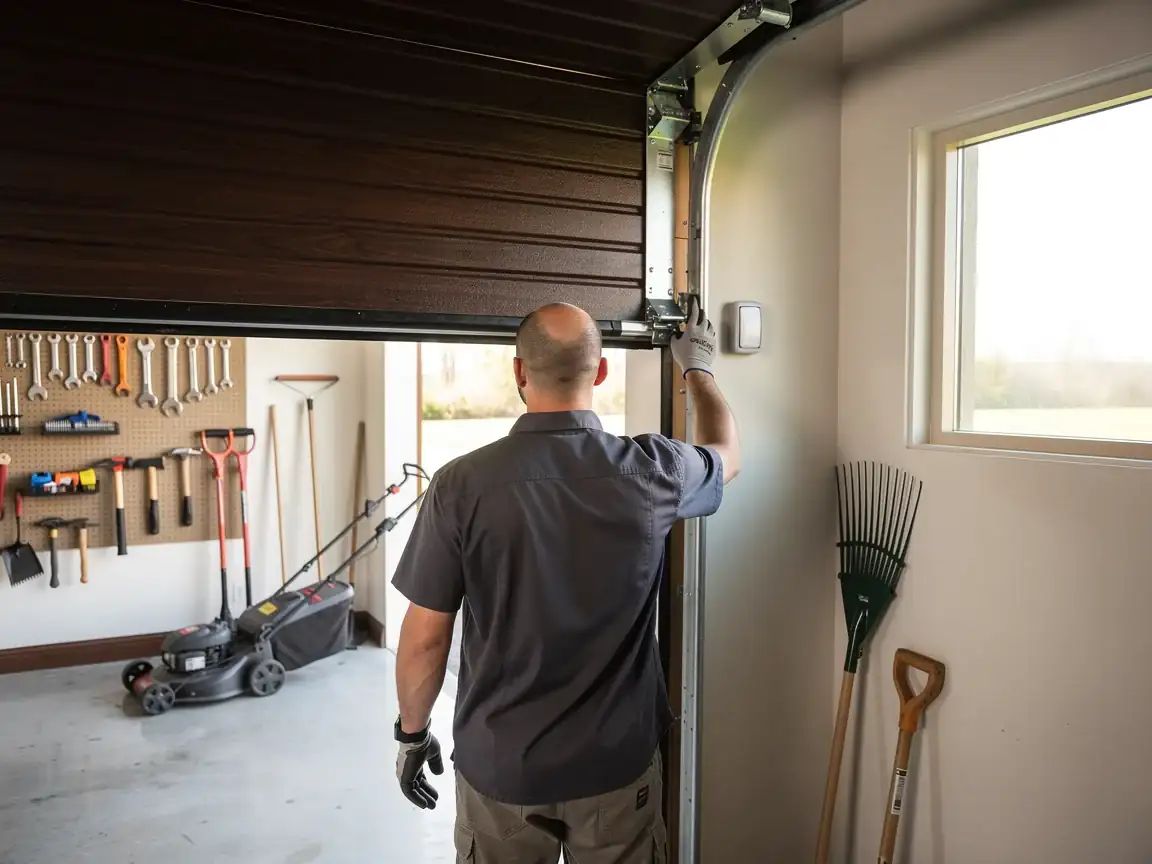
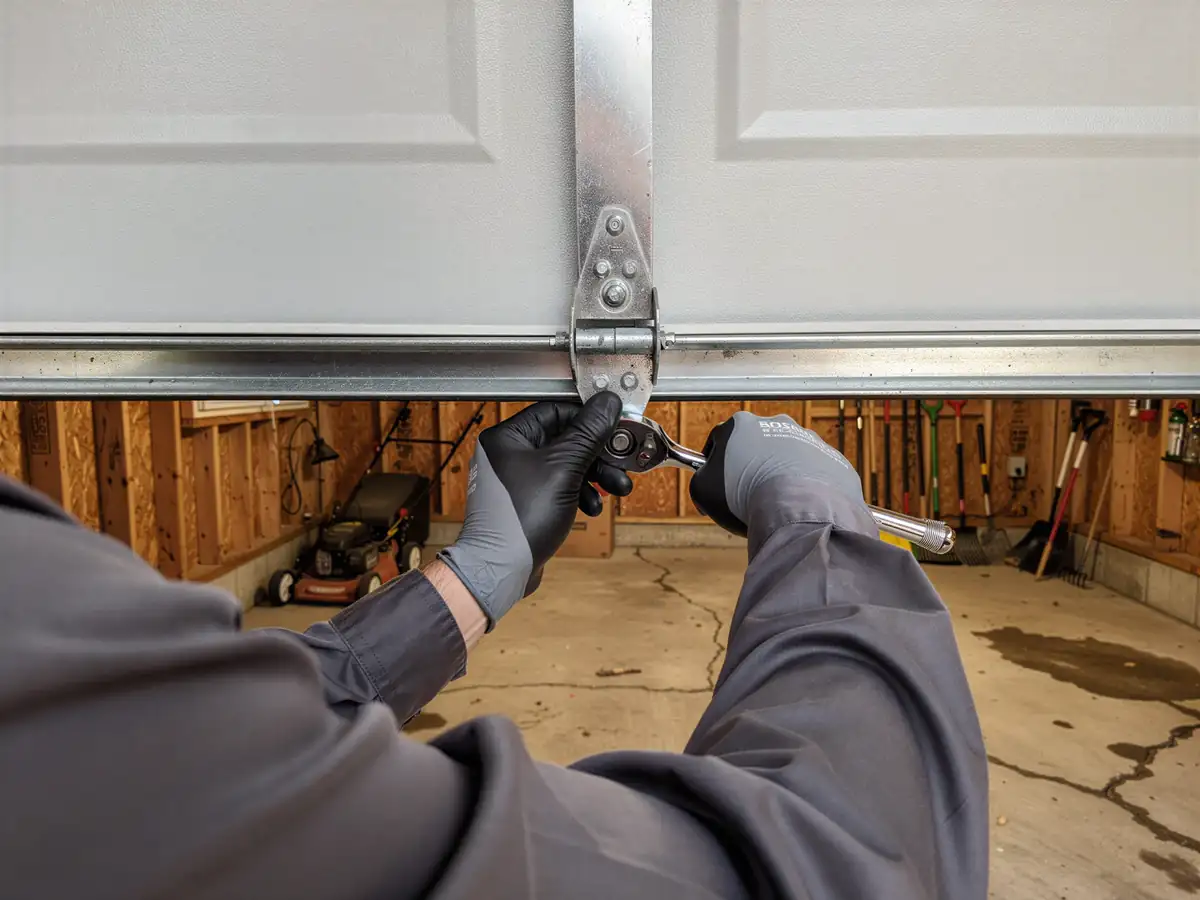
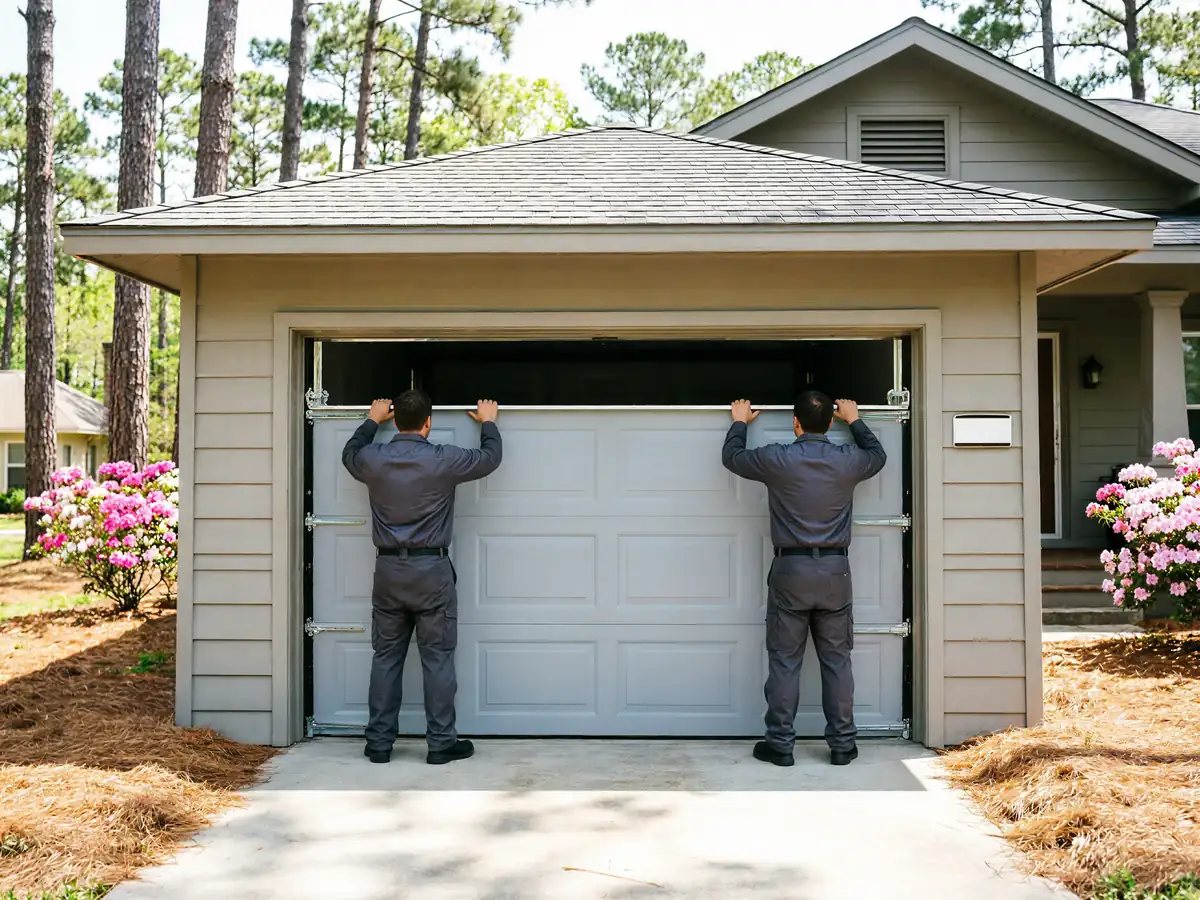
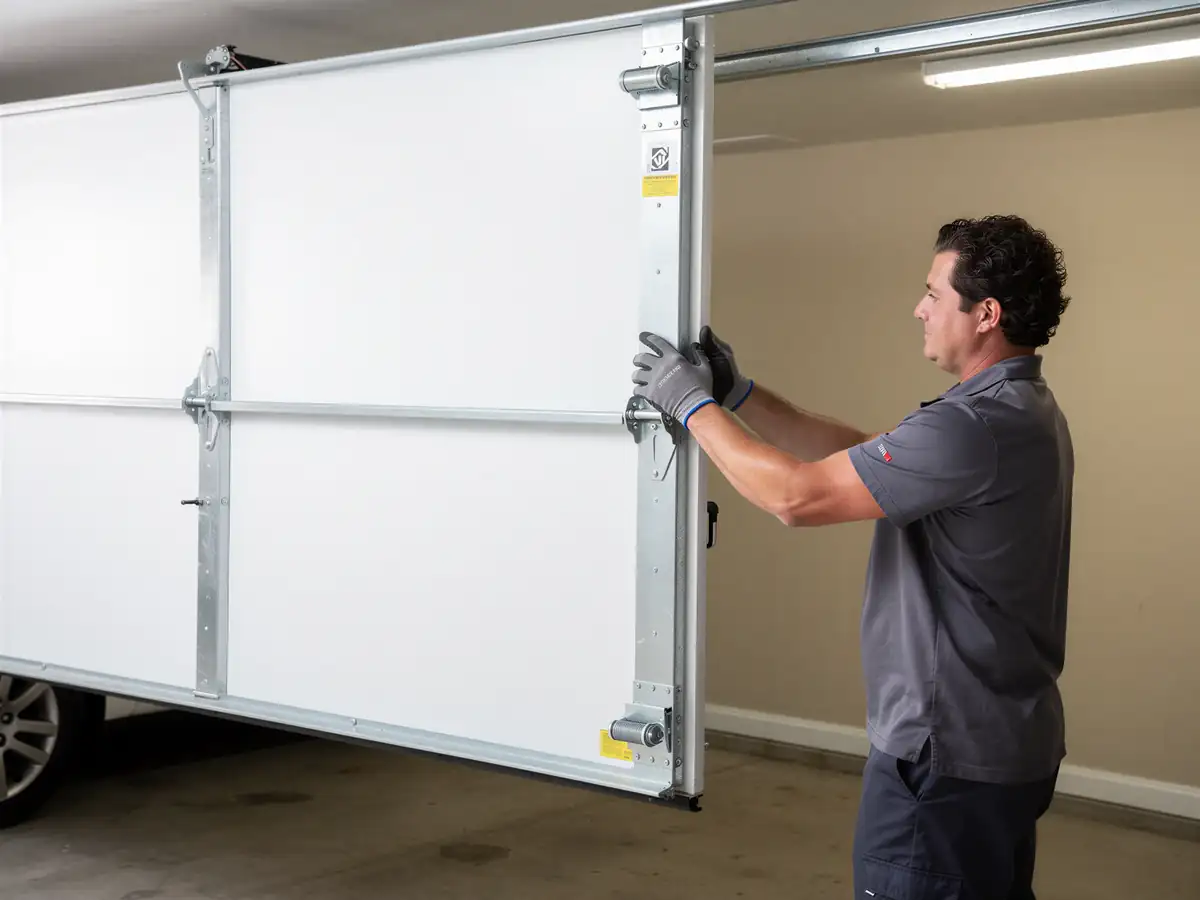
We start by running the door manually, off the opener, to see what the springs and cables are actually doing without power helping them along
That tells us whether the fix is a spring job, a cable swap, or something in the opener itself. We diagnose before we quote, because a 1993-era torsion setup and a newer extension-spring system are fixed two completely different ways, and guessing costs the homeowner money.
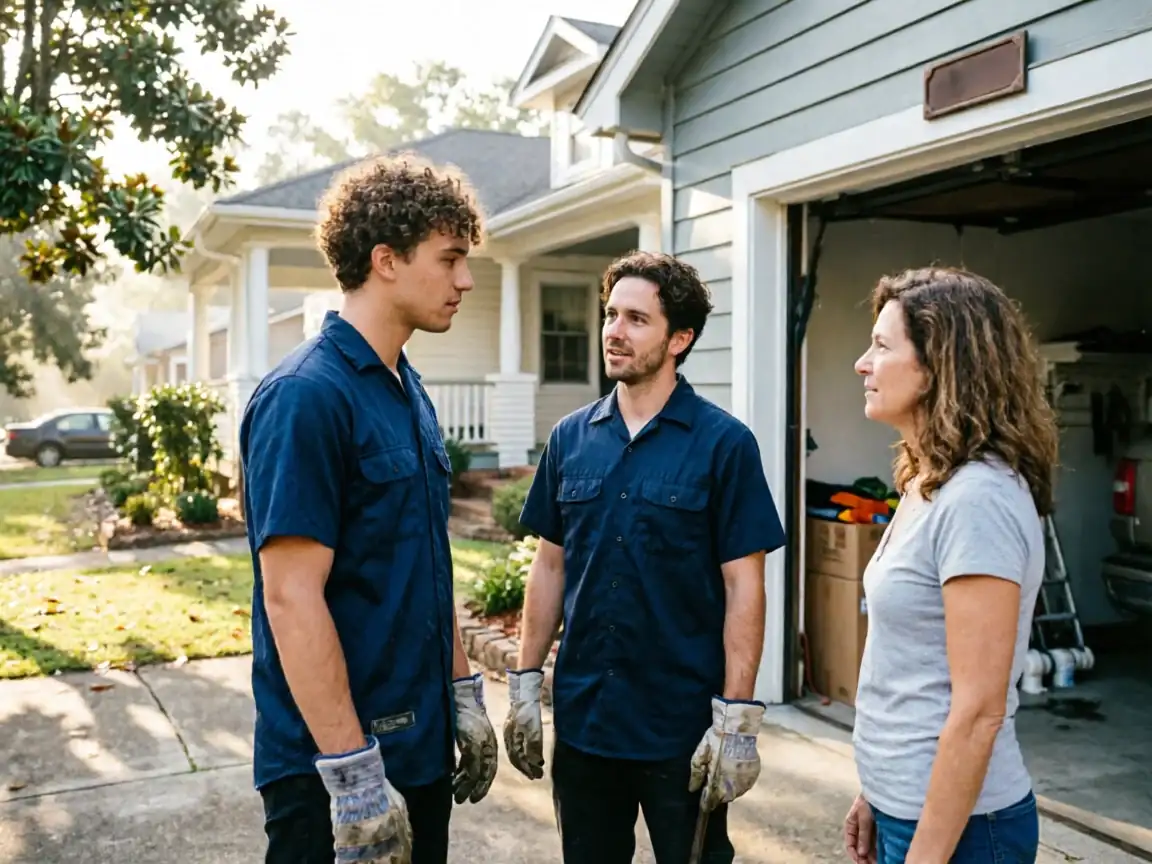
We come out from Clayton, about 14 miles west
So we're not a walk-up shop - every call is a dispatch. That means we bring the parts we expect to need based on what you tell us on the phone, and we adjust from there once we're looking at the door.
- 14 miles
How Long You Are Without the Door
We don't post a response-time promise for Zebulon specifically - we travel the 14 miles from Clayton for every job, so timing depends on where we are when you call and what's already on the schedule that day. What we can tell you is how the repair itself breaks down once we're there: a spring replacement on a door this age is usually the same afternoon, start to finish, once we've got the right spring size confirmed. An opener on its last legs is a bigger decision - sometimes it's a logic board part we don't carry and have to order, which means a second trip.
If your opener dates to the original 1993 build, parts for it may not exist anymore at all. In that case we're not pretending to fix what can't be fixed - we'll tell you straight that replacement is the real option, and we won't string along a repair that's going to fail again in six months.
Can You Do This Yourself
Some of this is reasonable to handle yourself. Lubricating rollers and hinges, tightening loose bolts on the track brackets, checking that the photo-eye sensors are aligned and not just getting ignored by the opener - that's maintenance, not repair, and it's worth doing twice a year on a door of any age.
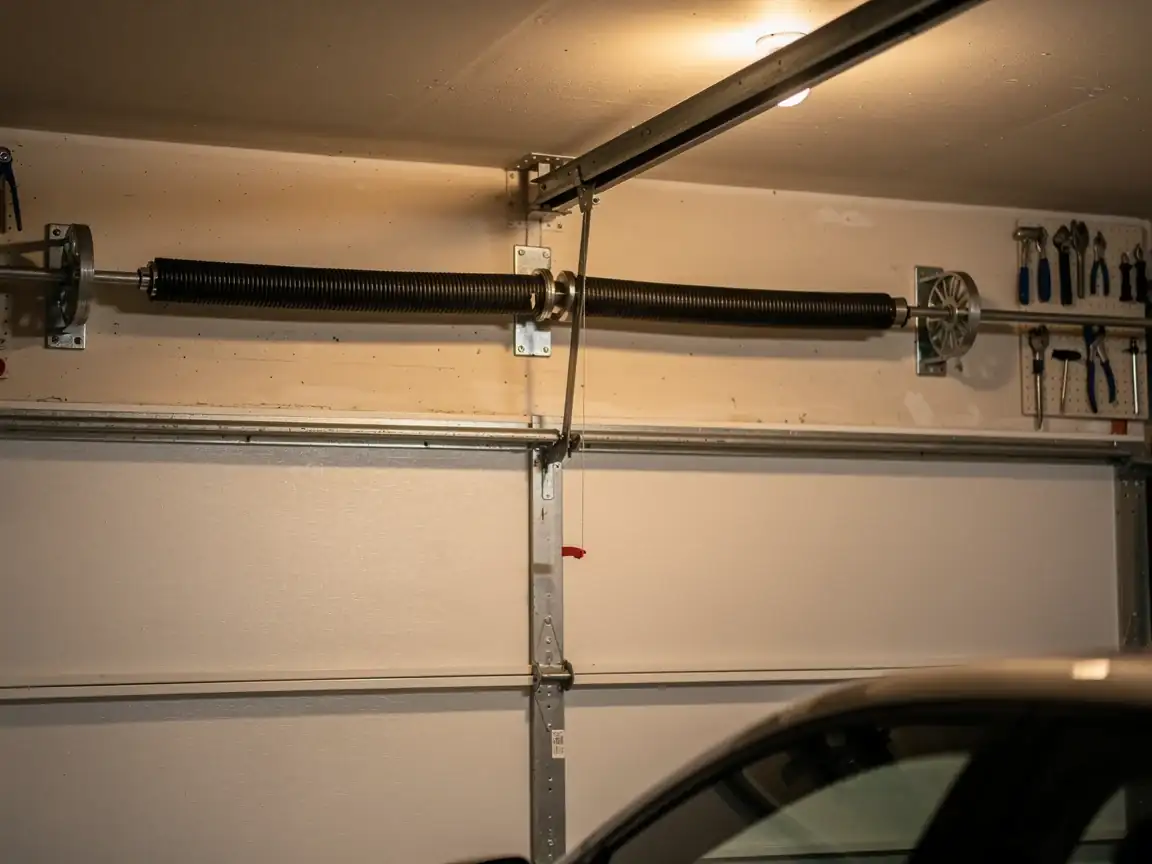
Torsion springs are where we draw the hard line. A door built to 1993-era standards is almost always running a torsion bar under real tension, and winding or unwinding that bar without the right bars and a clear idea of what you're doing has put people in the hospital. It's not a skill gap you fix with a video - it's a tool and experience problem. If your spring has snapped, or the door won't stay up on its own, that's a call, not a weekend project.
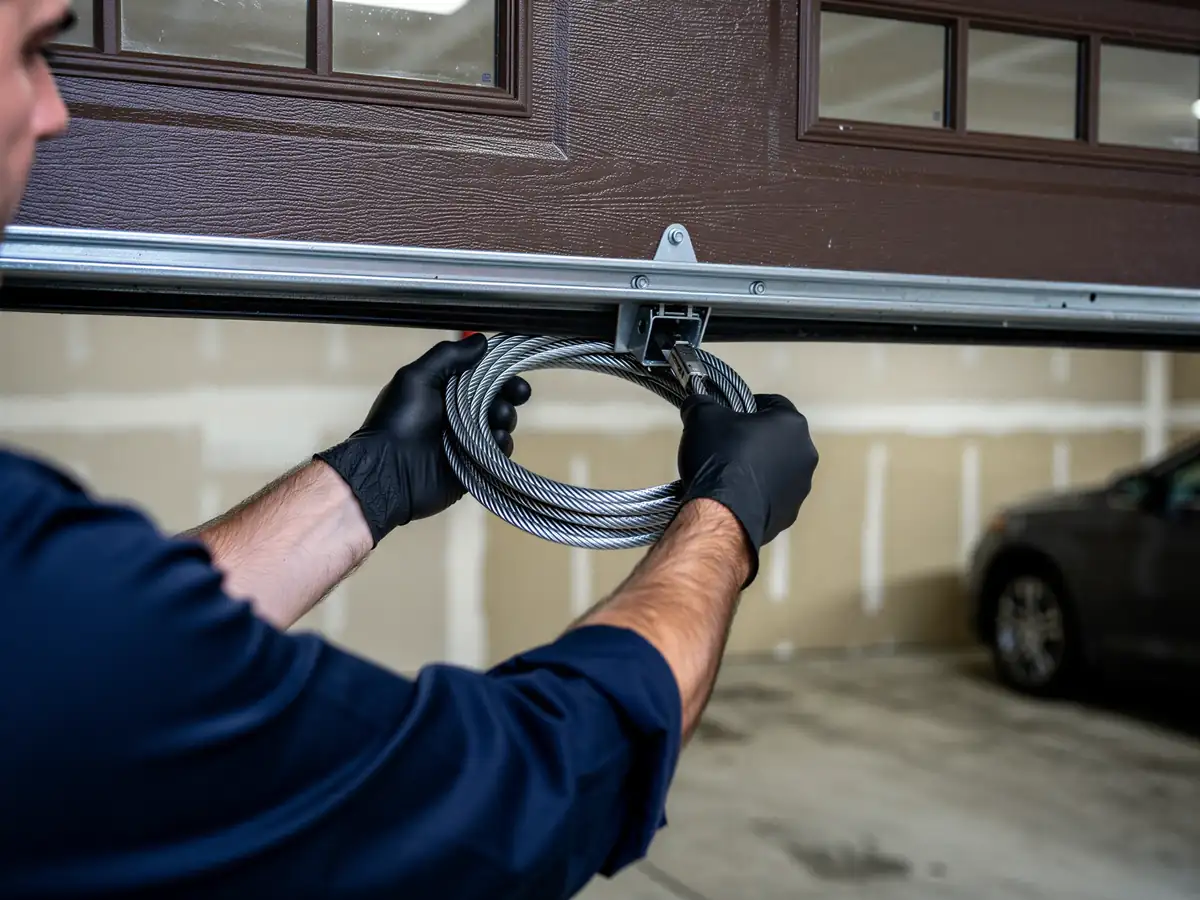
Cable replacement is the other one we don't recommend as a DIY job. A frayed cable under load can whip hard enough to break a hand before you know it's letting go.
What Is on the Truck
Because Zebulon sits inside the same cold
Moderate climate band as the rest of the area we cover, we don't carry anything exotic for temperature - the hardware here faces the same freeze-thaw cycling as everywhere else we drive to, nothing worse. What changes truck to truck is the era of door we're likely to meet. For a 1993-built neighborhood, we stock torsion springs sized for the older standard doors common to that build period, plus the drive gears and belts that fail on openers from roughly that era.
We don't carry every spring size or every opener logic board
Nobody does, and claiming otherwise would mean a second trip either way. What we carry is sized to what actually shows up on calls like yours: standard torsion hardware, common roller and hinge sets, and the sensors that go bad most often. If your door needs something unusual, we'll say so on site rather than guess.