How We Fix It
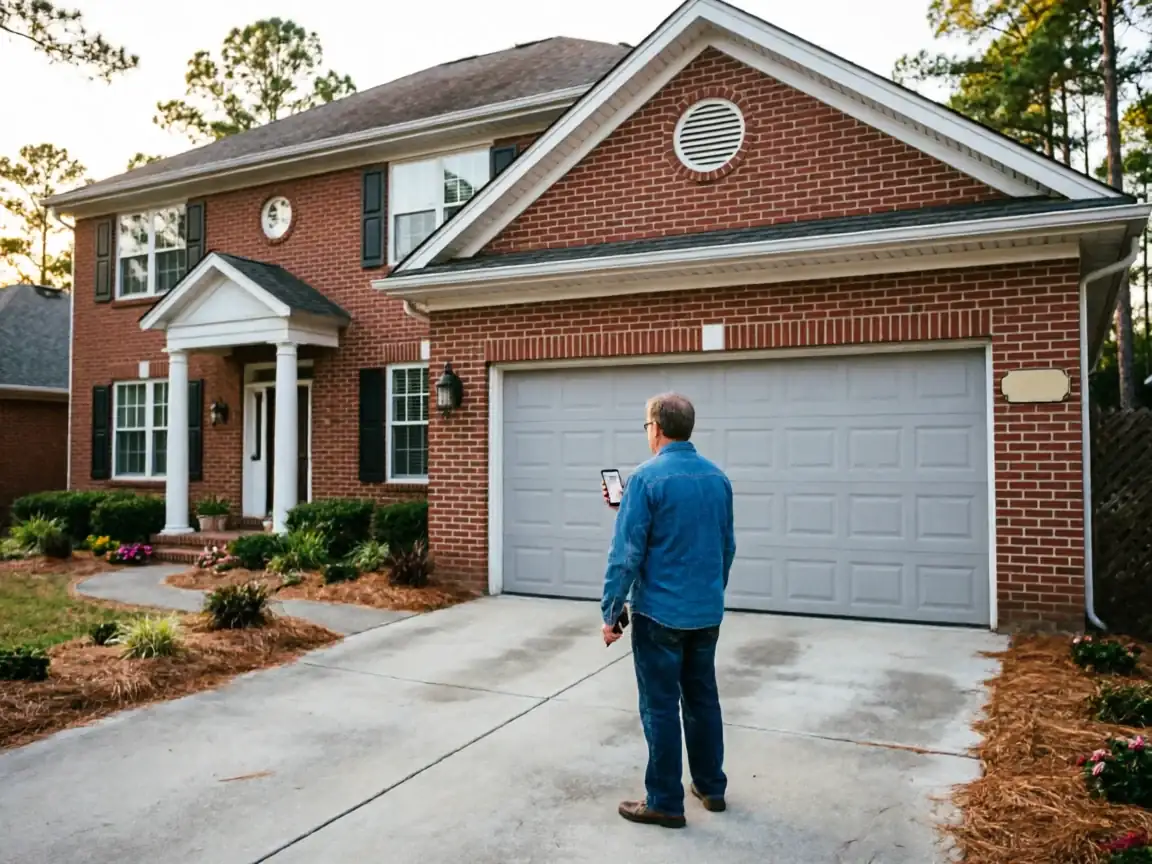
Most houses on this side of Zebulon went up around 1993, give or take a few years either side
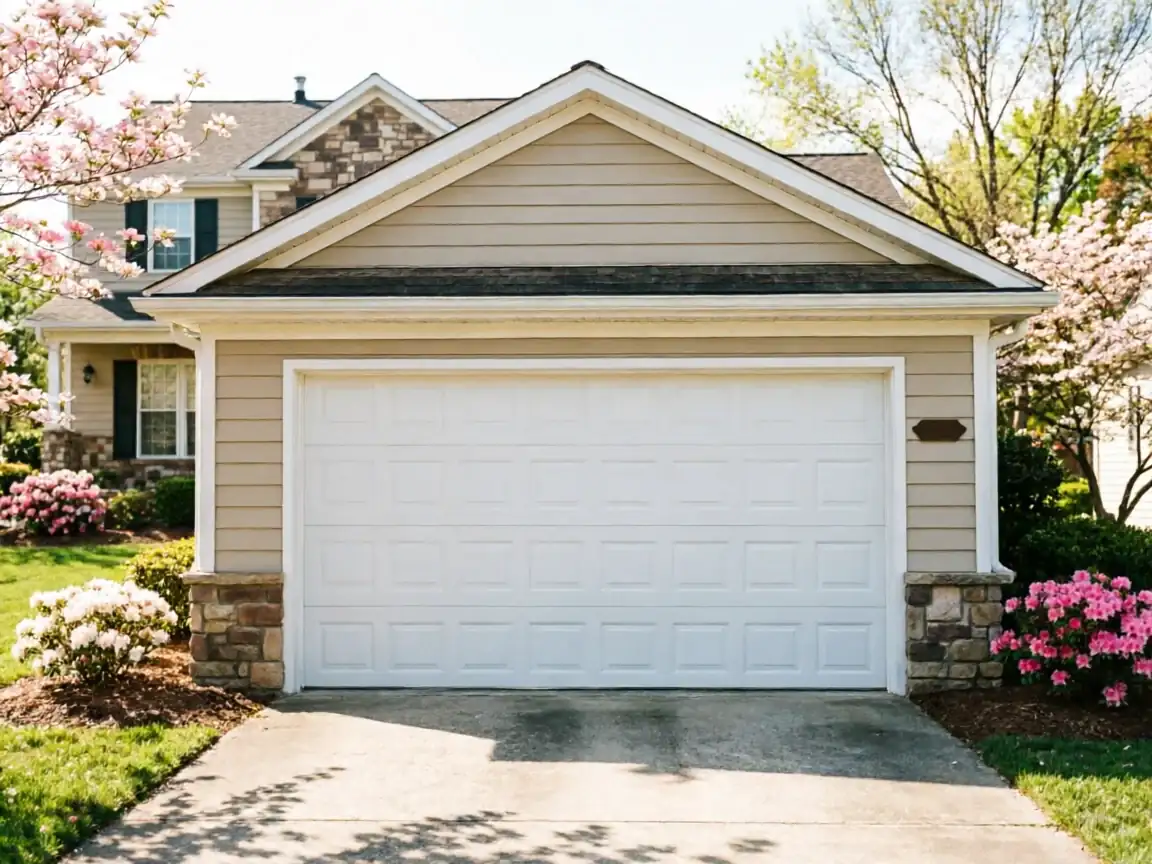
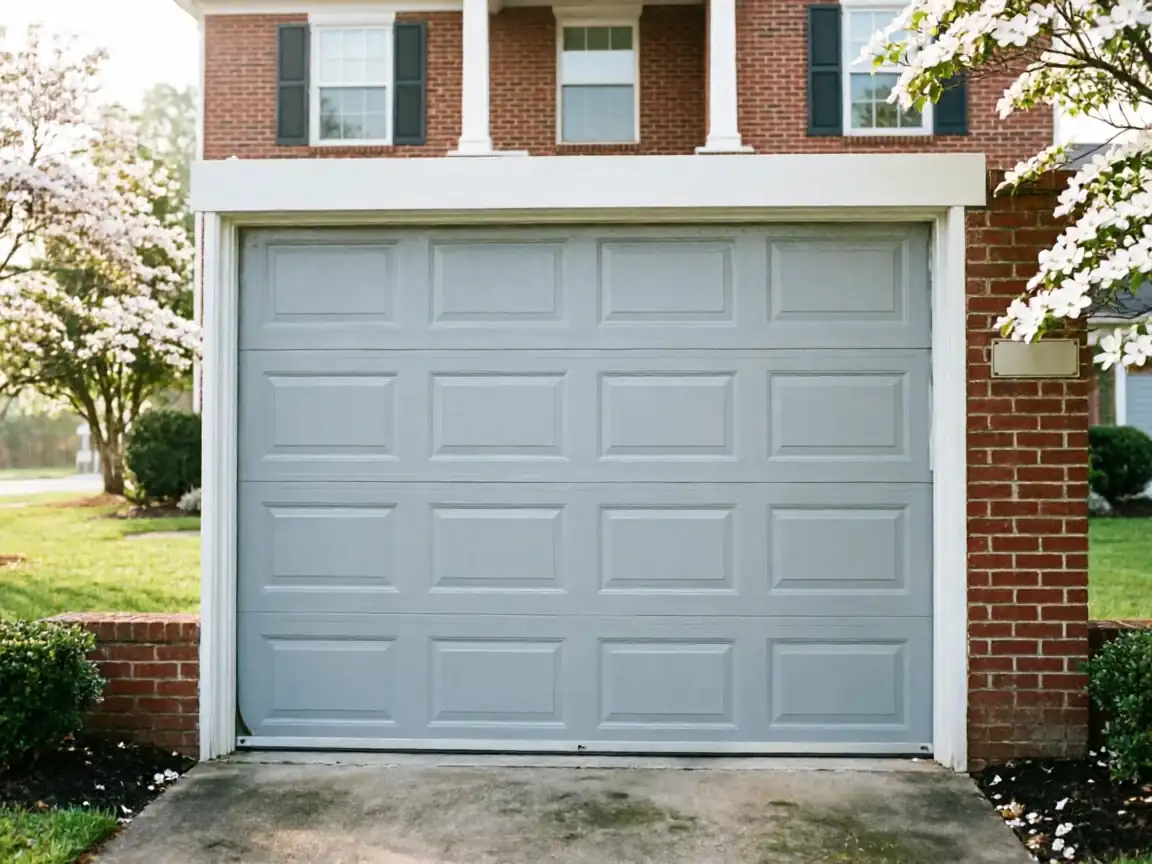
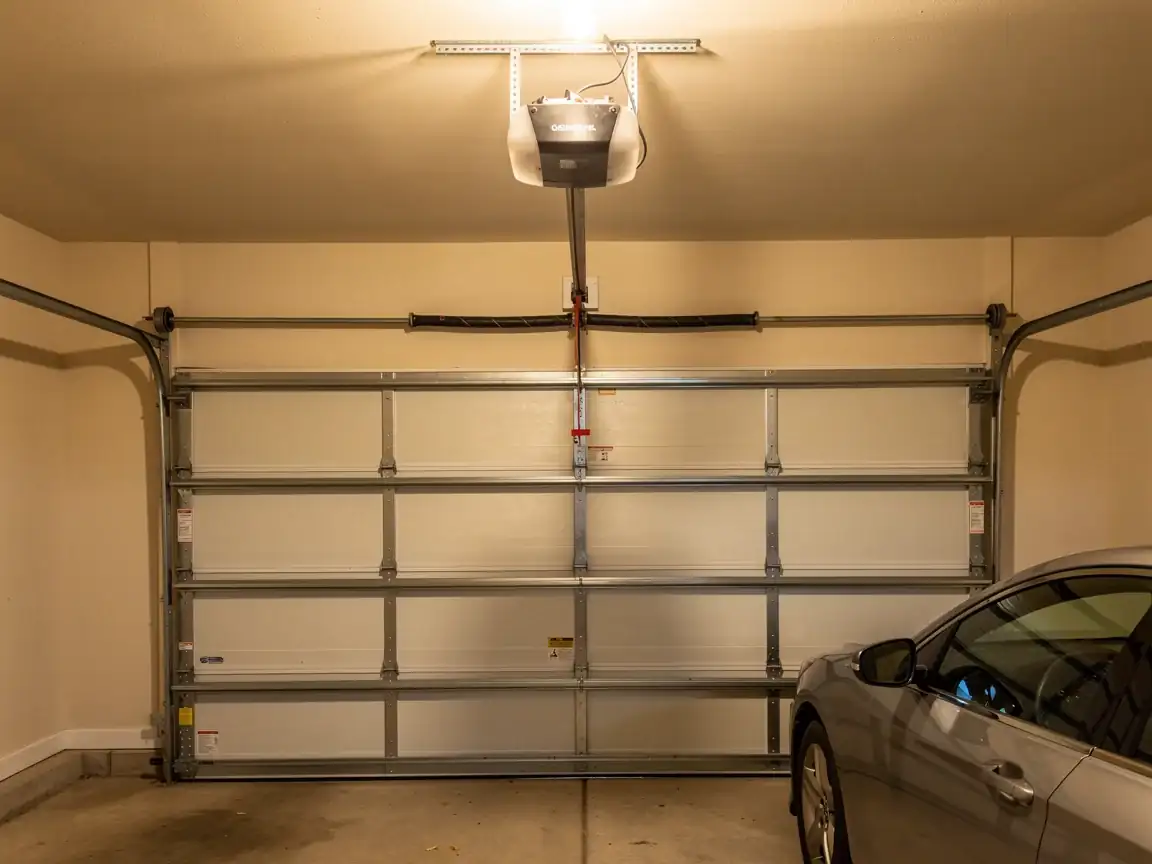
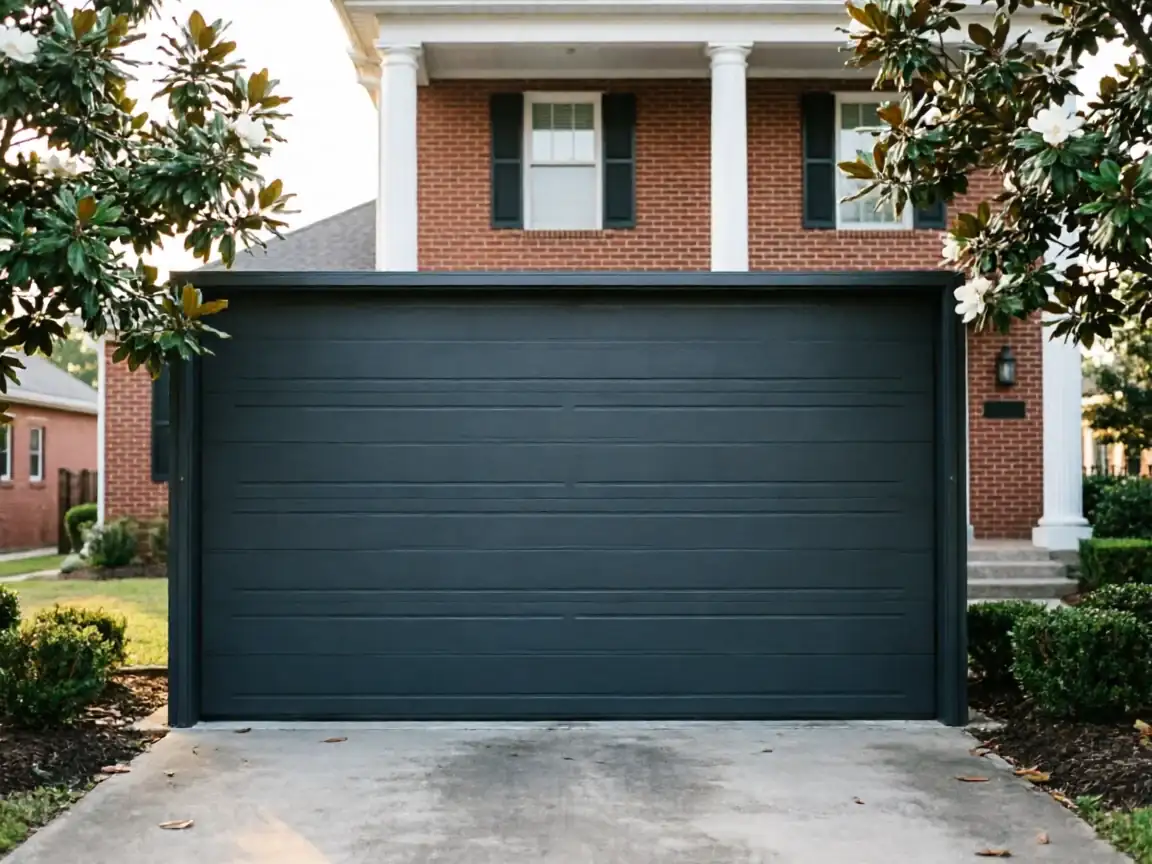
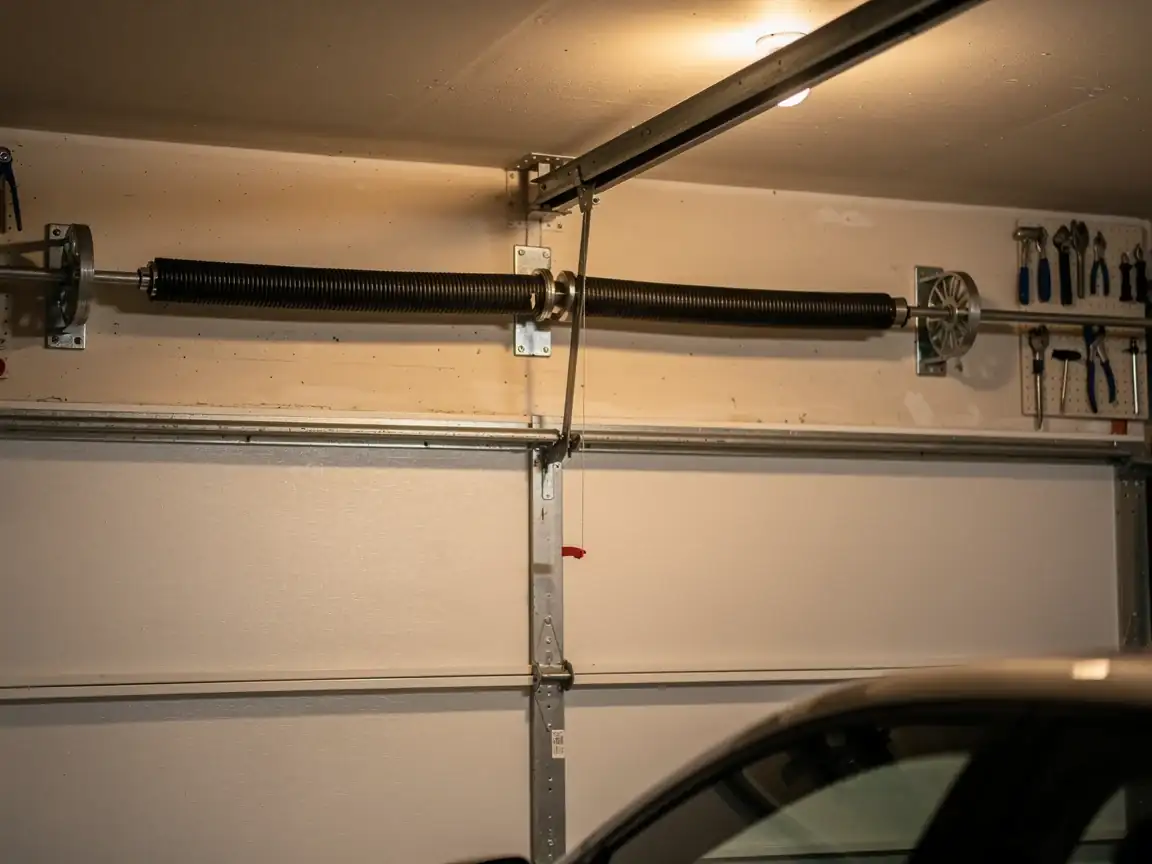
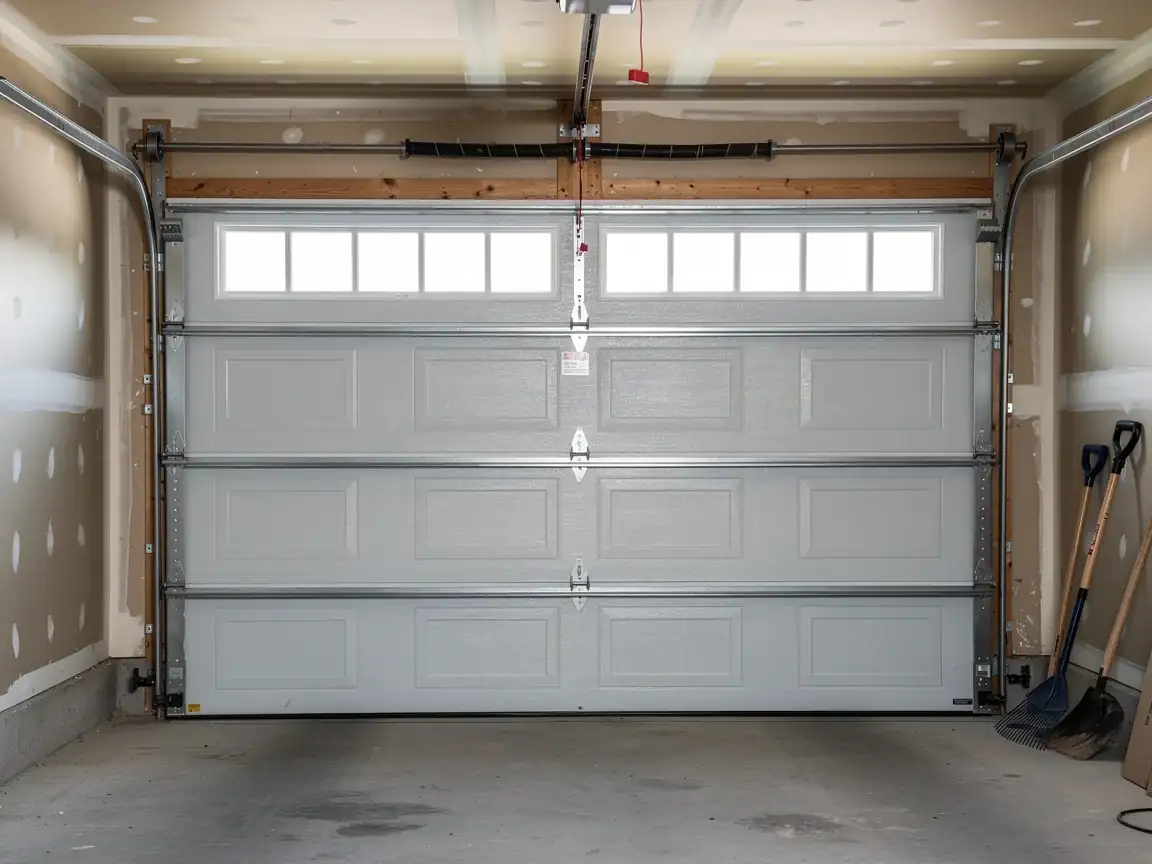
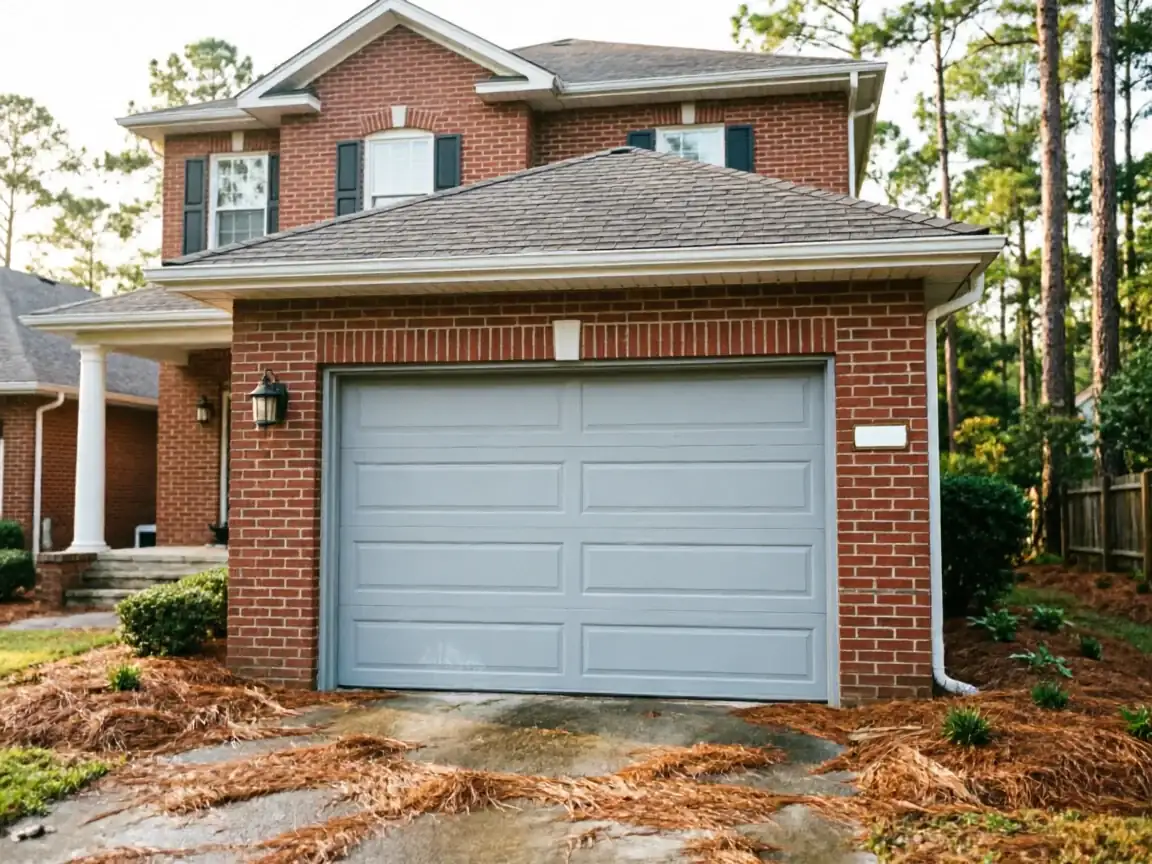
That means the garage door bolted to the frame is probably the builder's original: a steel sectional panel, either a single 9x7 or a double 16x7, non-insulated, riding on roller tracks with a torsion spring overhead. Thirty-plus years on, the steel has usually dented or rusted at the bottom panel, the rollers are worn oval instead of round, and the spring is well past its wind-cycle life even if it hasn't snapped yet.
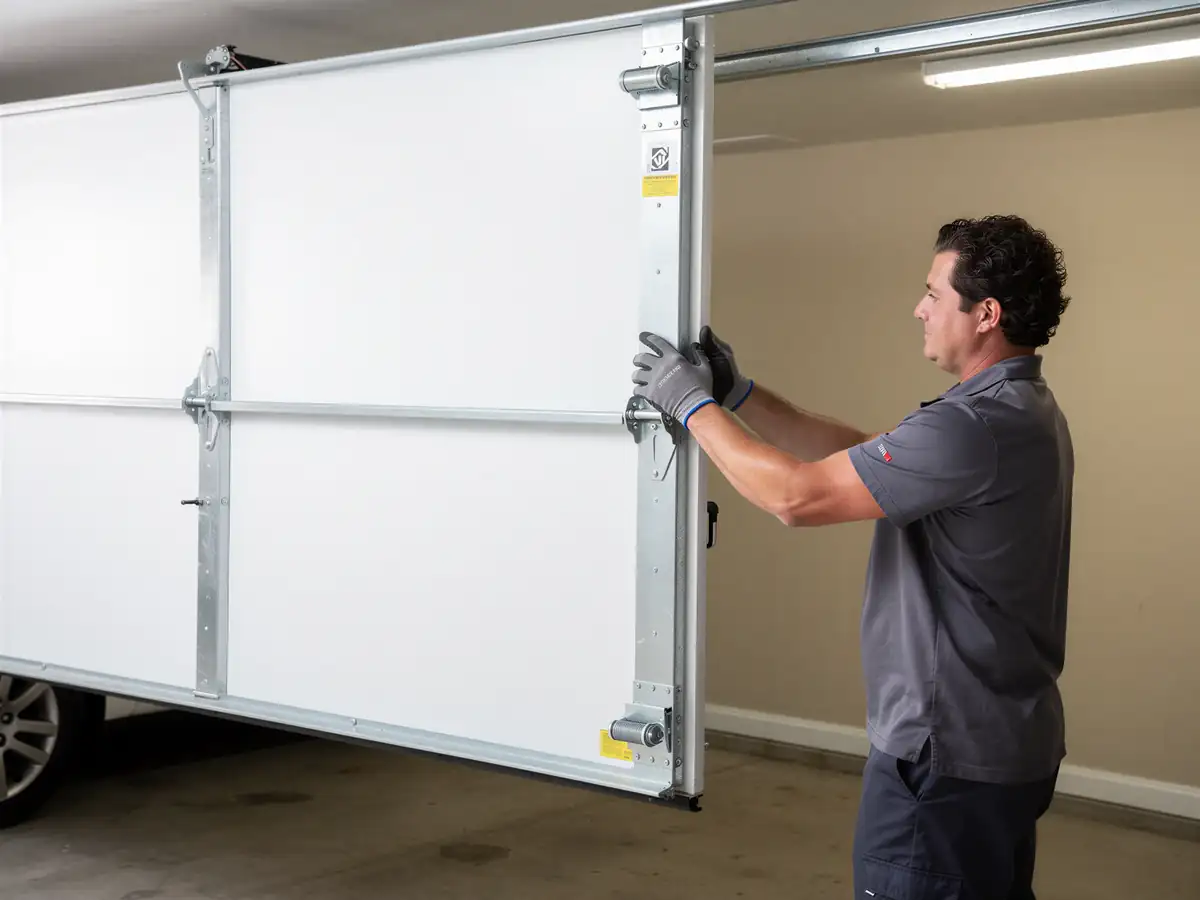
When we replace one of these, we're not just swapping a panel
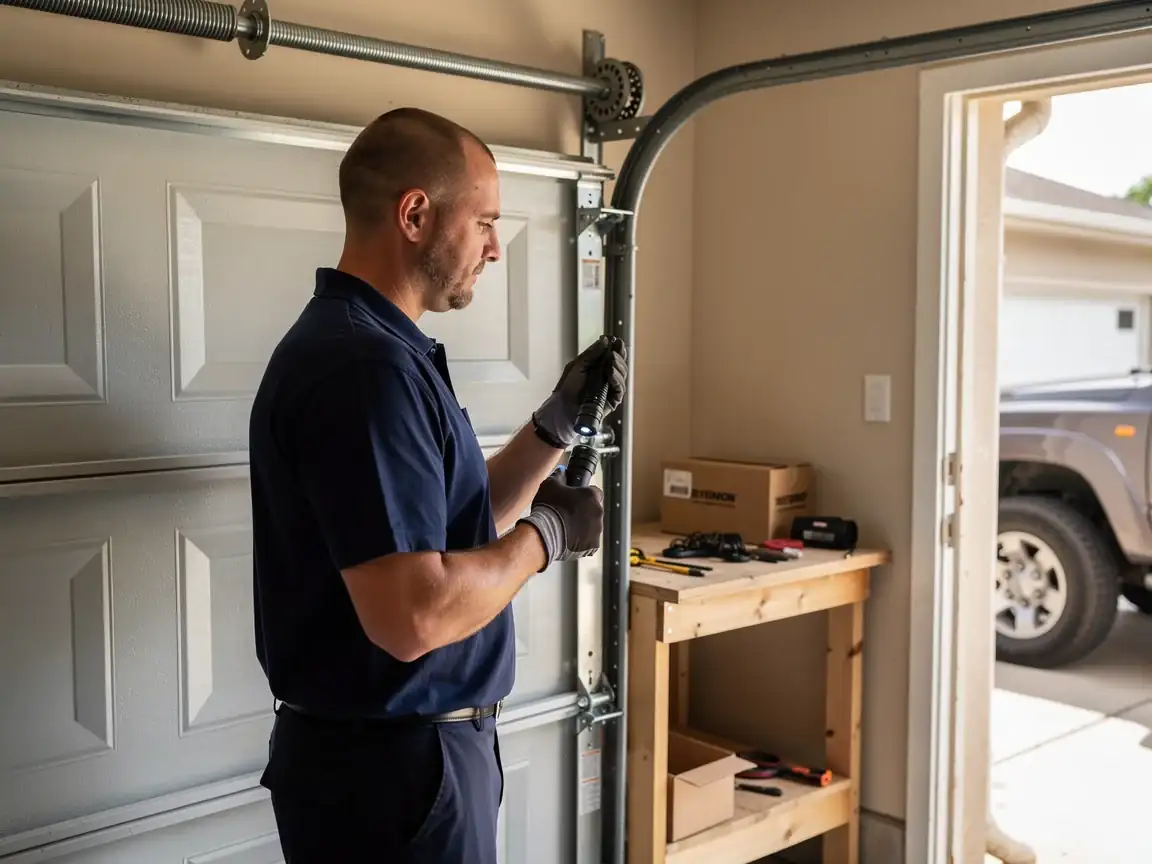
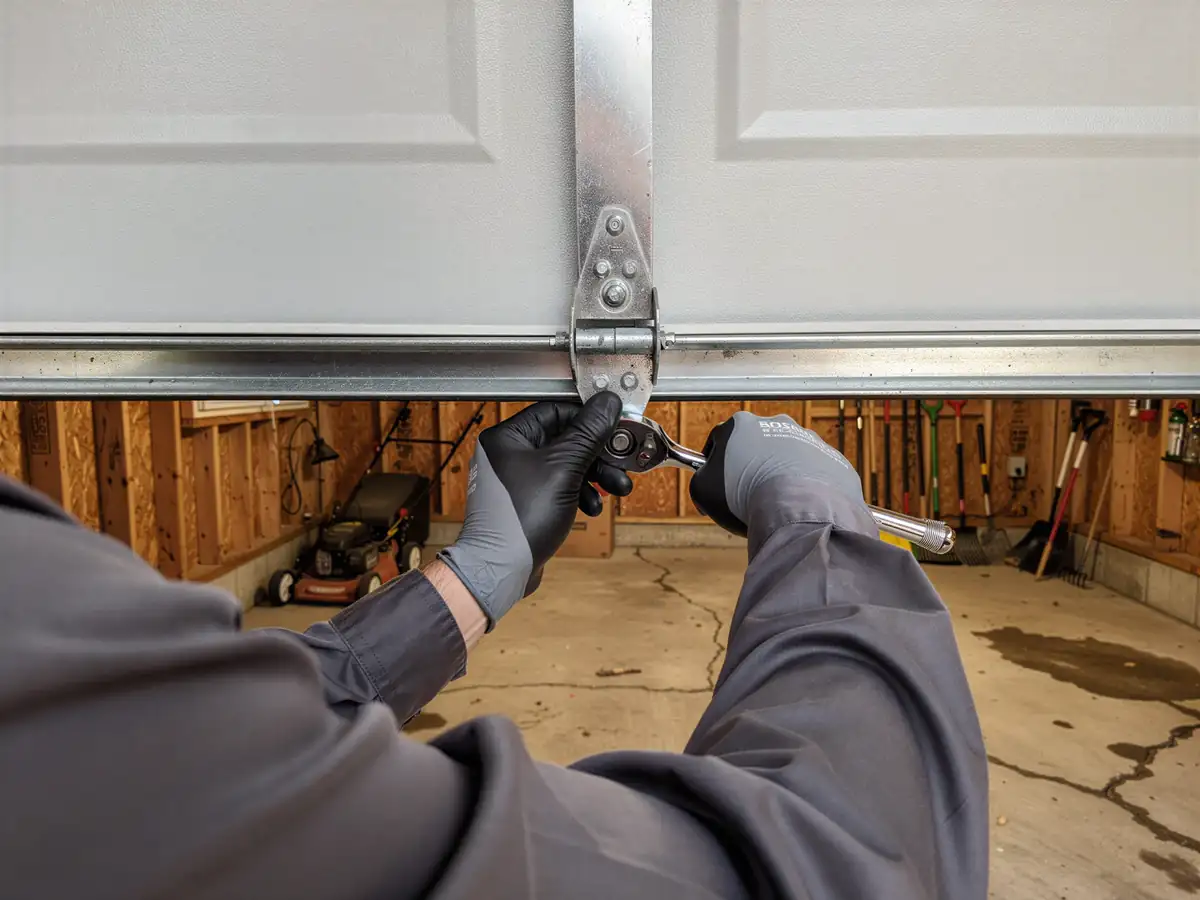
We're pulling the whole section assembly and the track hardware, because hardware from 1993 doesn't match what's sold today. We size the new door to the existing opening, check the header and jamb for square (older framing shifts over three decades), and set new springs rated to the door's actual weight rather than guessing off the old ones. In this climate band, we also check that the bottom seal and weatherstrip are rated for cold-weather flex, since cheap vinyl cracks and stiffens here.
How Long You Are Without the Door
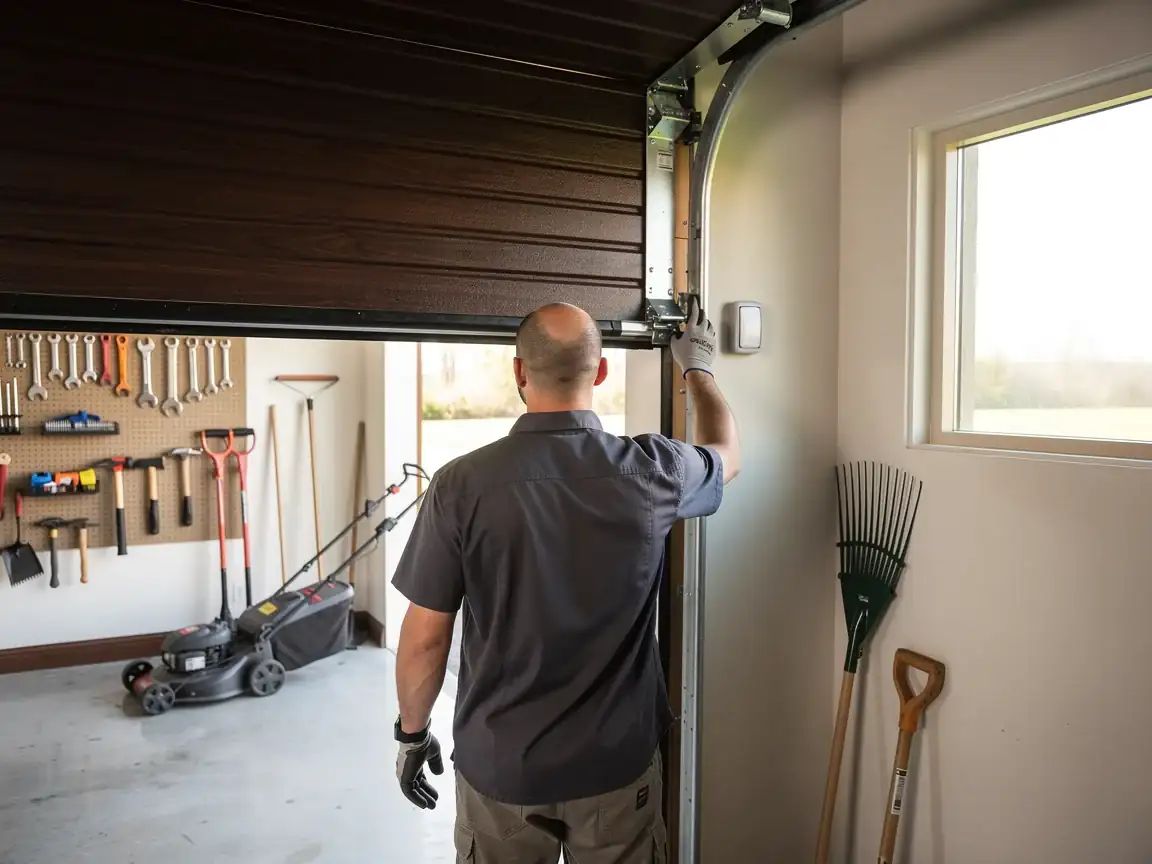
A straightforward swap on a single-car opening, done on a dry day with no framing surprises, usually leaves the opening uncovered for a few hours while the old door comes out and the new one goes in and gets balanced. Double doors with worn track or a jamb that's gone out of square take longer, because that framing work has to happen before the new door can hang straight.
We don't keep a crew stationed in Zebulon - we run the job out of Clayton, about 14 miles off, so we schedule the install for a single visit rather than splitting it across two trips. If we show up and find the opening needs carpentry we didn't quote for, we'll tell you on the spot rather than force a door into a frame that isn't ready for it. That's the honest limitation: we size and quote off what we can see, and sometimes what's behind an old header surprises everyone.
Can You Do This Yourself
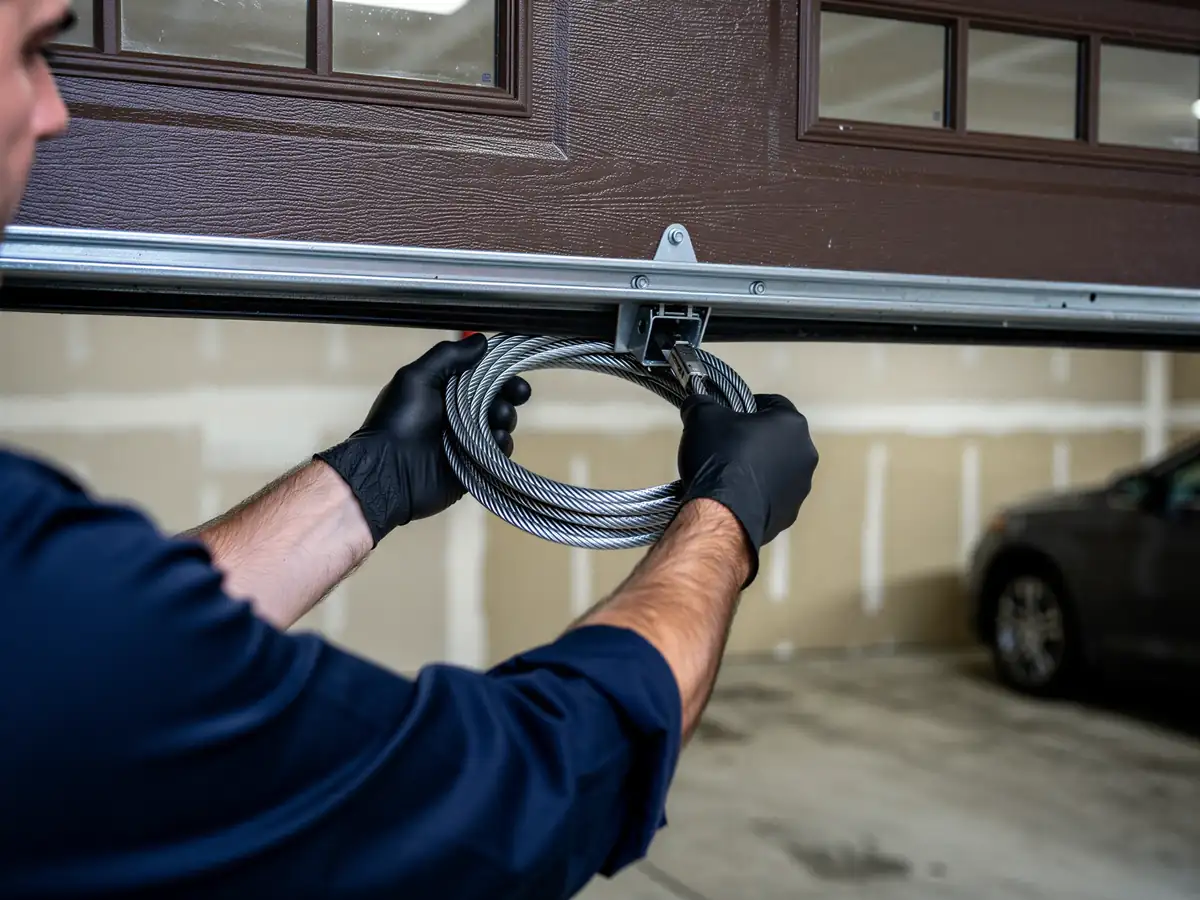
A torsion-spring garage door is one of the few things around a house where we'd tell you plainly: don't do this one solo. The spring stores enough force to break fingers or worse if it lets go while you're winding or unwinding it, and on a 16x7 double door that weight is substantial. Setting the door plumb in the opening, squaring the track, and winding the spring to the correct number of turns for that specific door's weight is not a one-afternoon YouTube job, even for a handy homeowner.
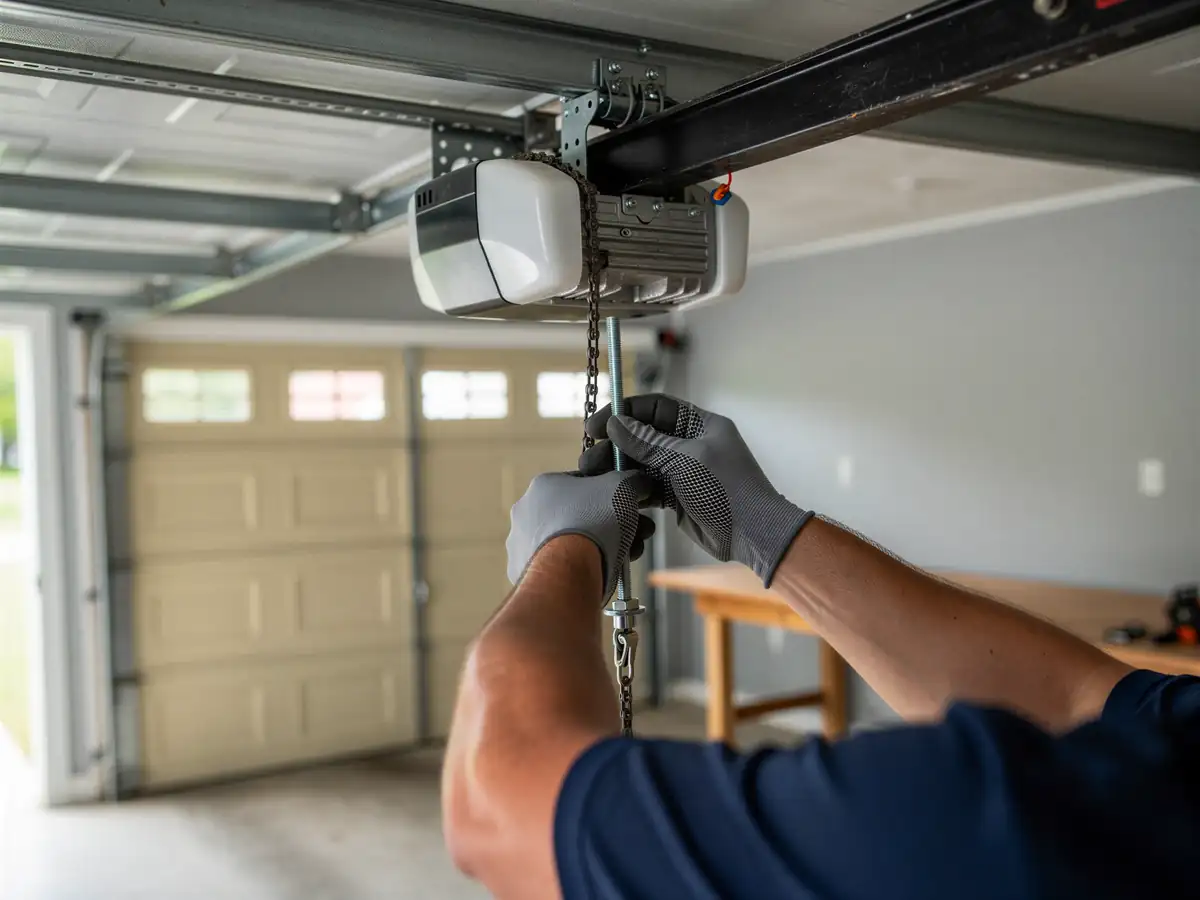
Where a homeowner can reasonably do their own work is afterward - lubricating rollers and hinges, keeping the track clean, testing the auto-reverse safety feature on the opener once it's installed. That's routine upkeep. The install itself, and anything involving the spring or the track alignment, is where we'd rather you call than improvise.
What Is on the Truck
For a Zebulon install we bring sectional door panels sized to match 1990s-era openings
Since that's what most of this area's housing stock calls for, along with torsion springs rated by door weight rather than a one-size guess. We carry both insulated and non-insulated panel options, roller and track hardware to replace the worn originals rather than reuse them, and weatherstrip rated for the cold-weather swings this part of the state gets.
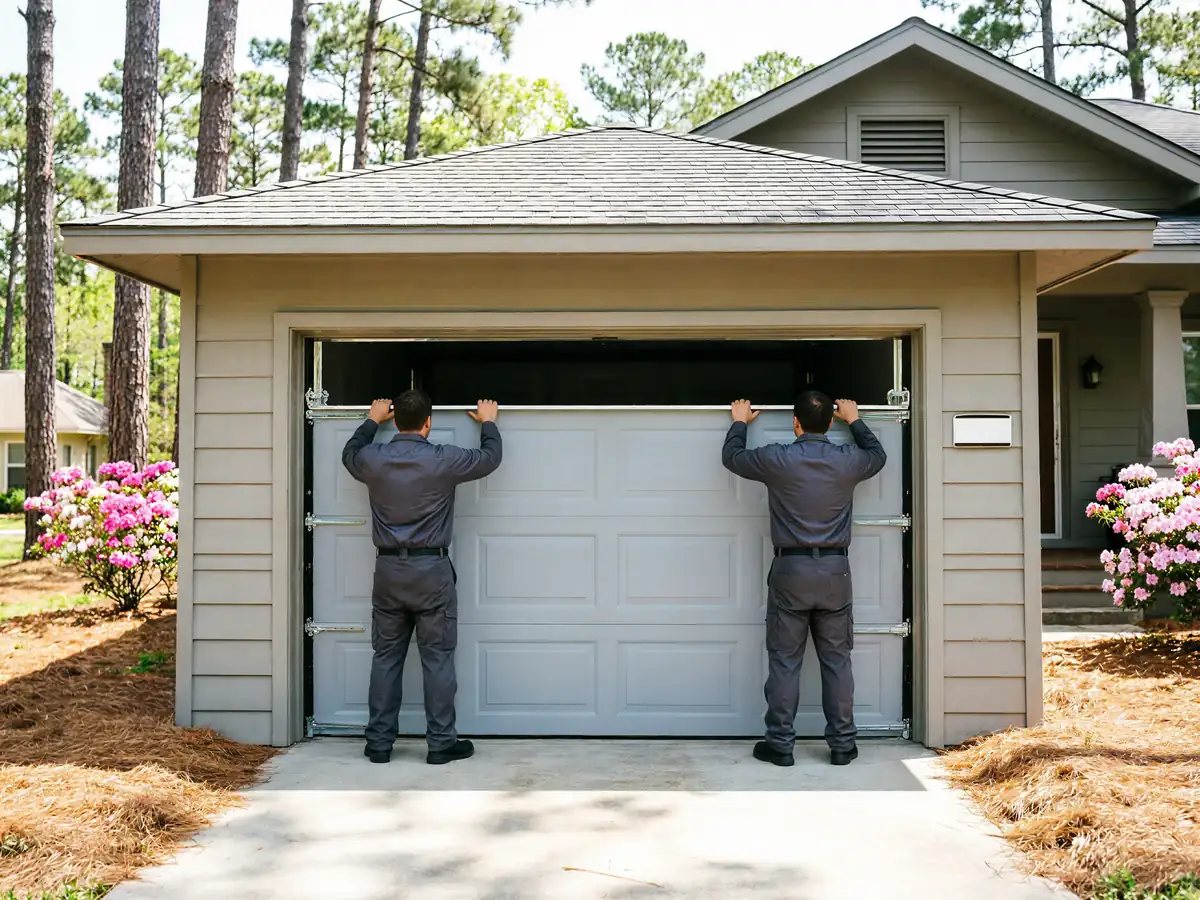
We also bring the lift equipment needed to handle a double door safely during the swap
Since a 16x7 panel isn't something one person wrestles into place by hand. What we don't load onto the truck speculatively is custom millwork or carriage-style wood doors - those get special-ordered once we've measured the opening on site, because guessing a size on something that's built to order wastes everyone's time.