How We Fix It
Zebulon is a small town by household count
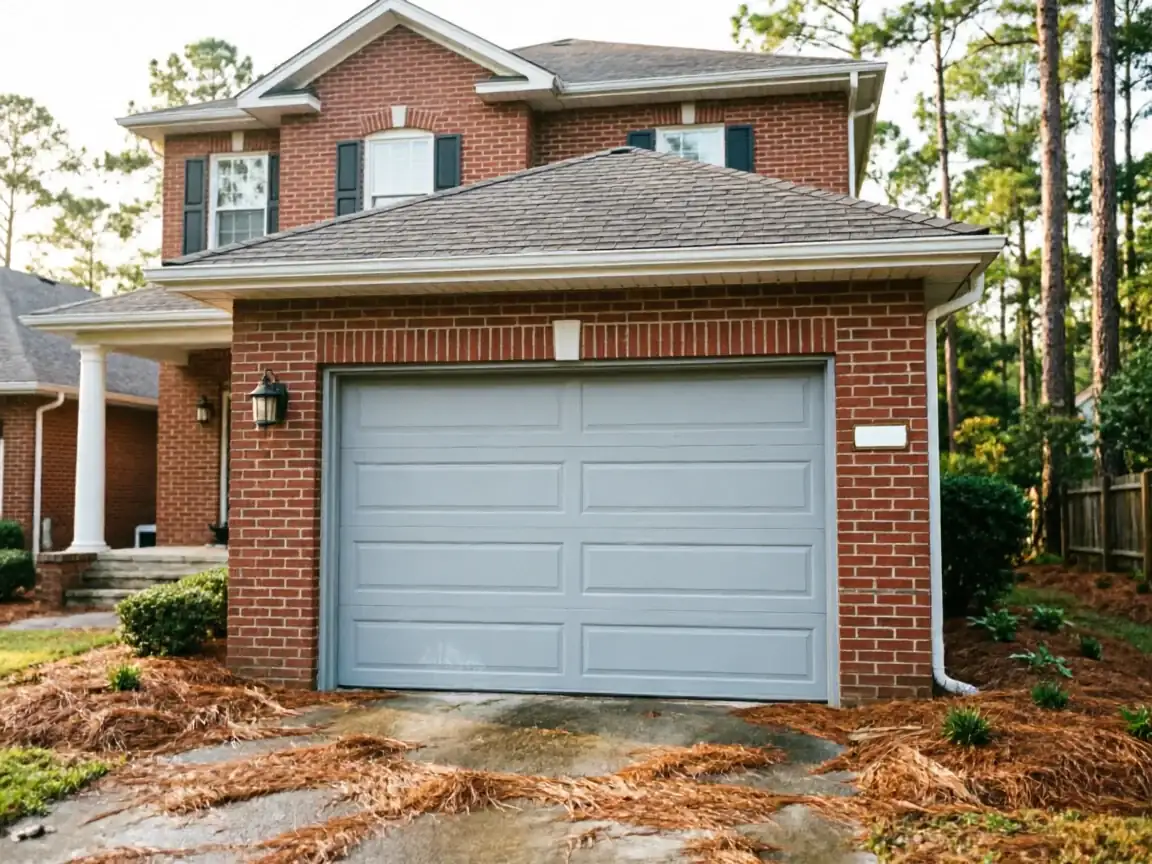
About 3,039 of them - which means the maintenance calls out here follow a pattern instead of a free-for-all. Most of the houses went up around 1993, which puts a lot of doors squarely in the extension-spring-to-torsion-spring transition era. Some still run the older extension setup over the top of the door, some got torsion conversions somewhere along the way, and a few are original torsion from the builder. Before we touch anything, we check which one we're looking at, because the lubrication schedule and the spring tension numbers aren't the same for each.
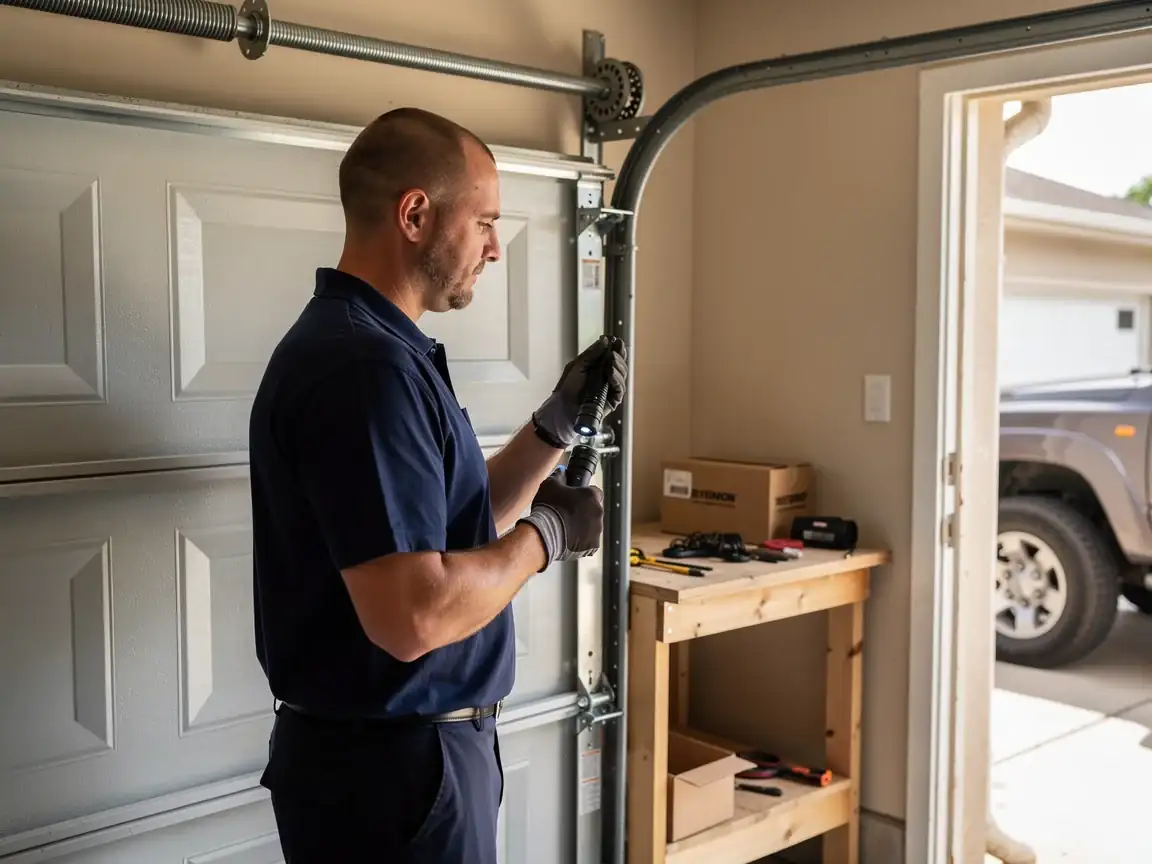
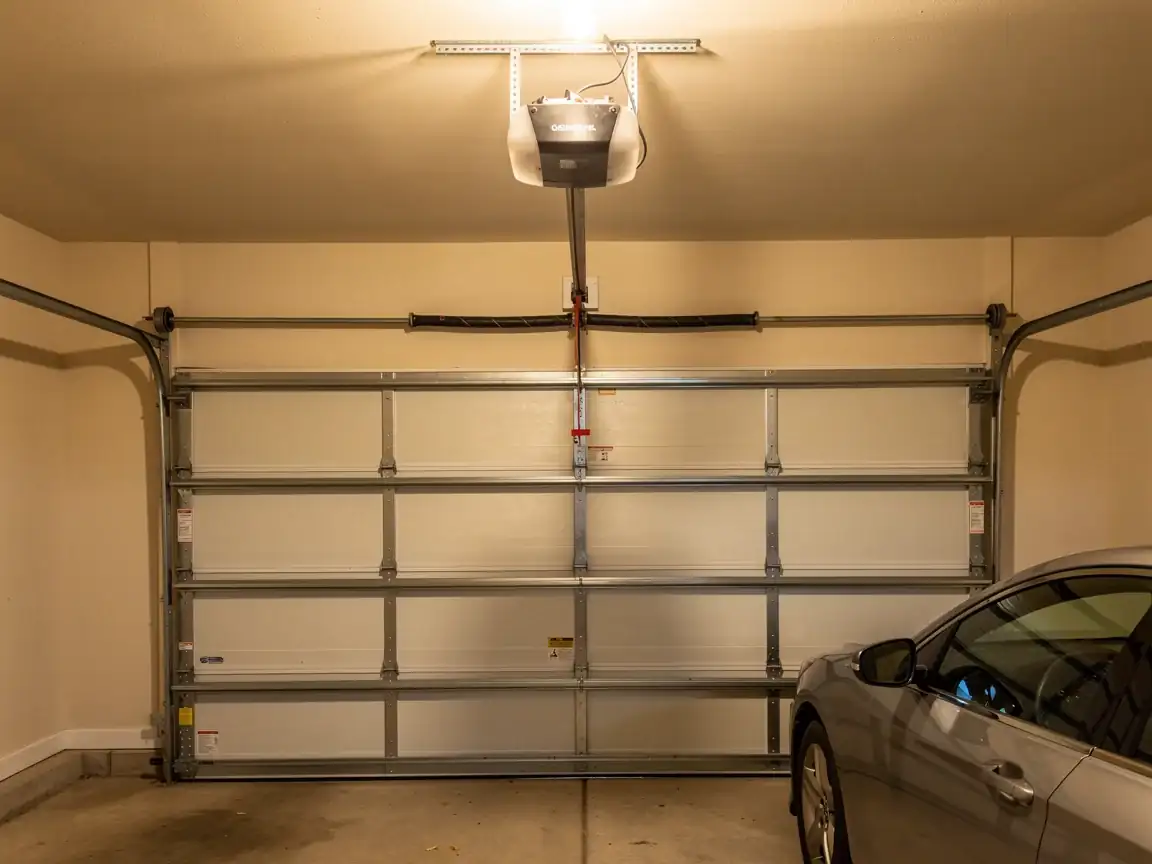
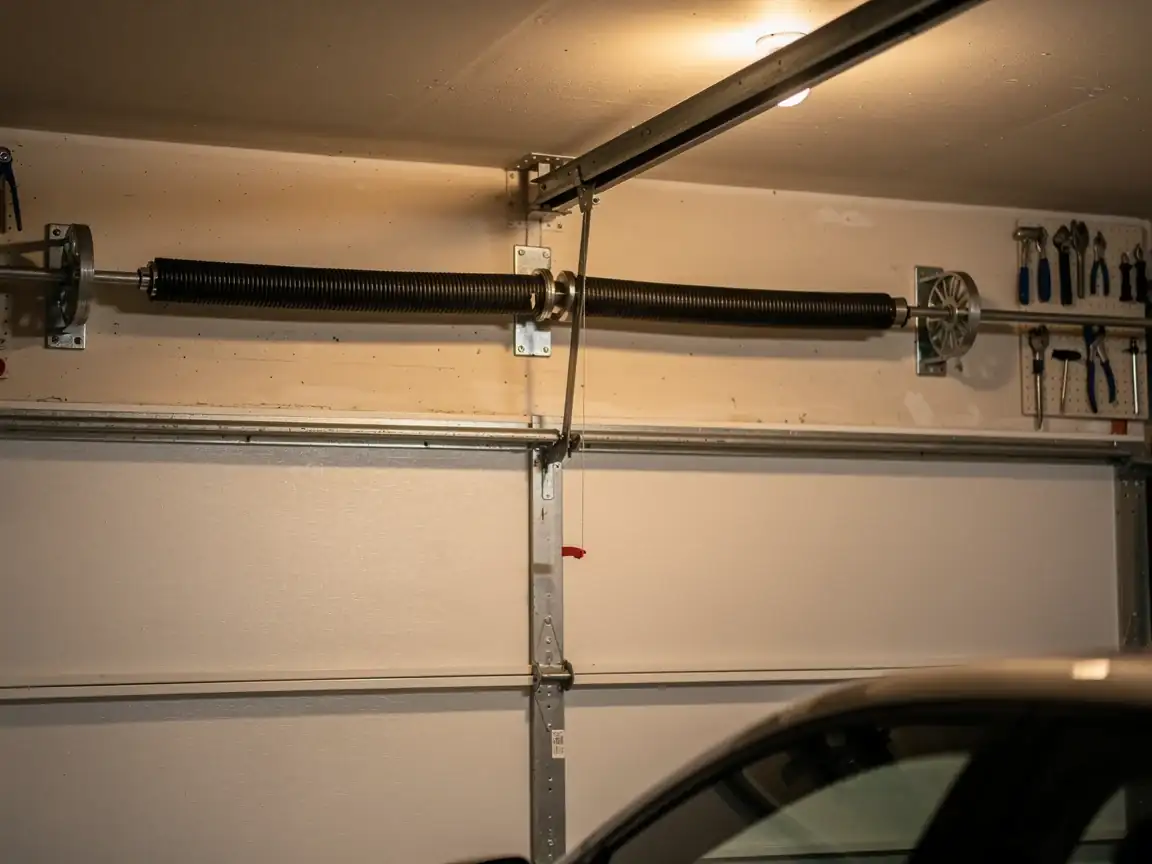
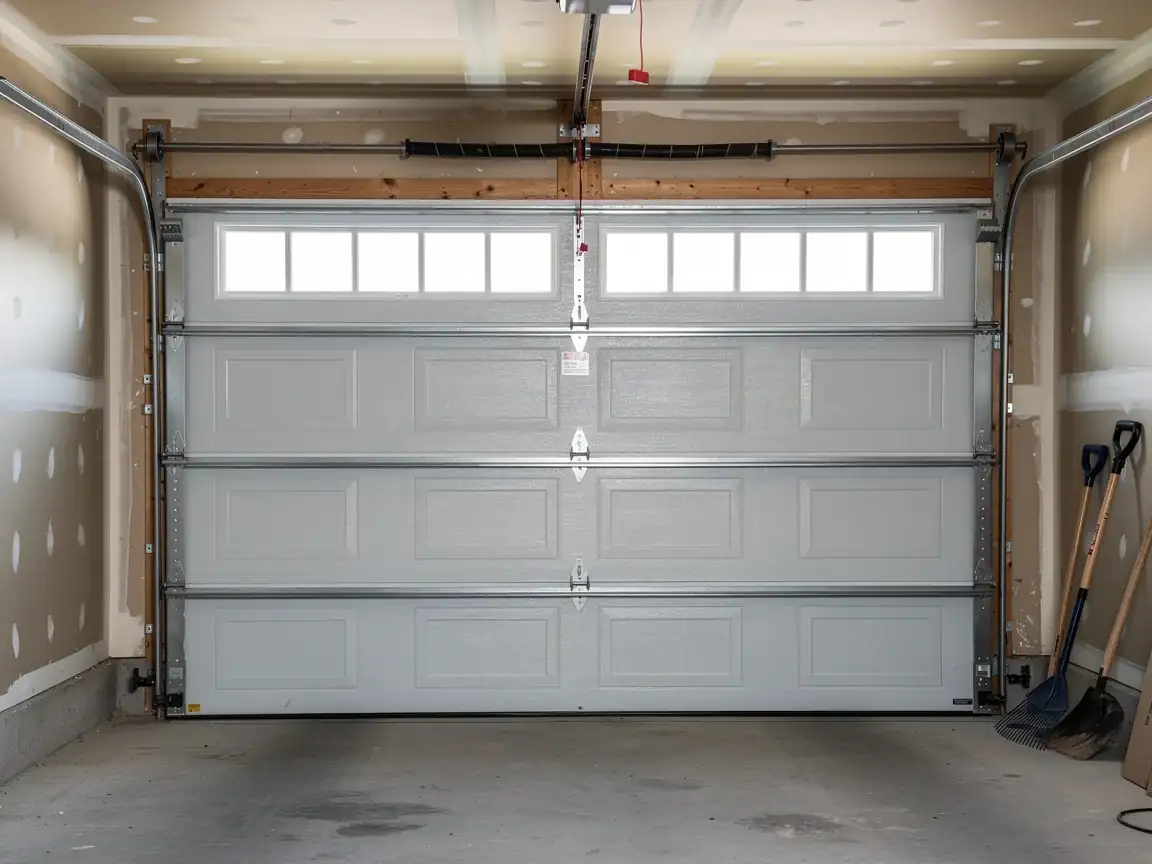
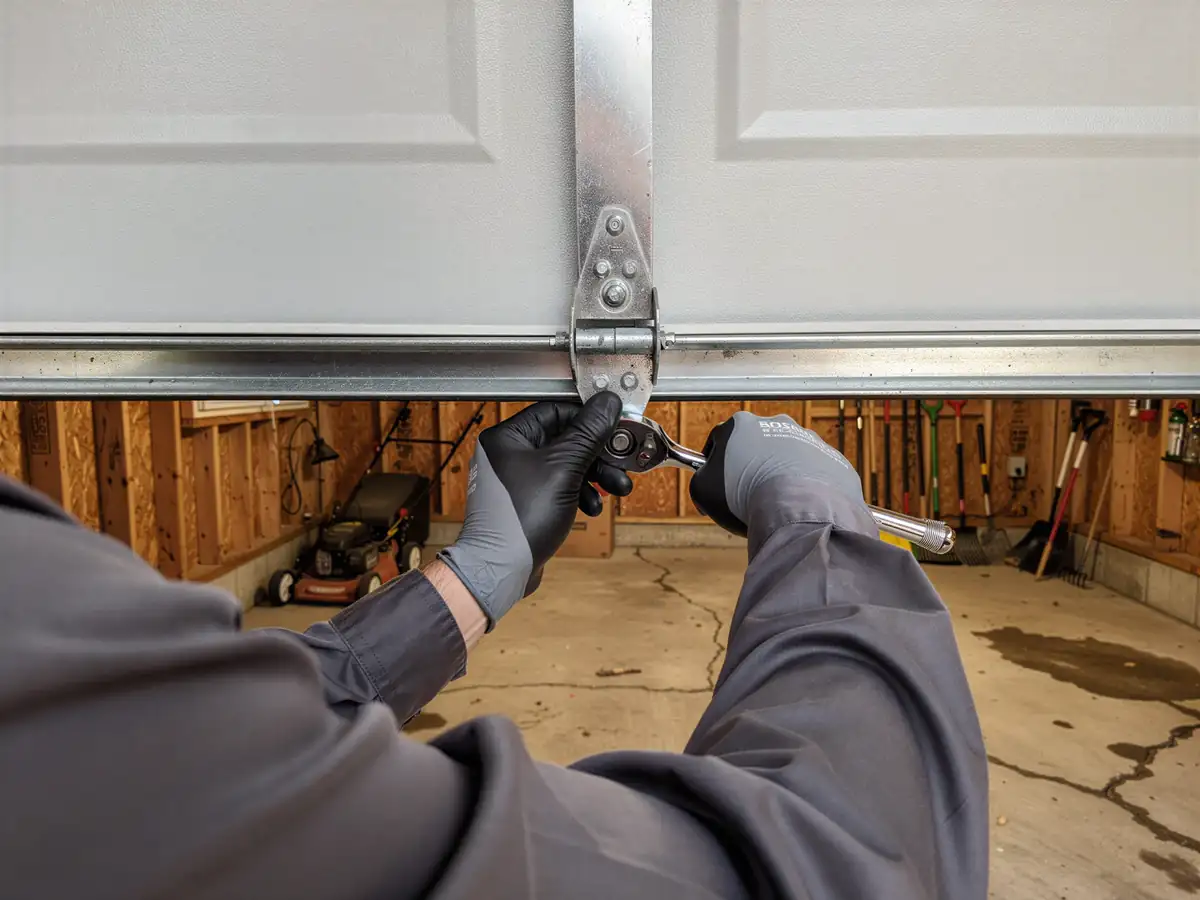
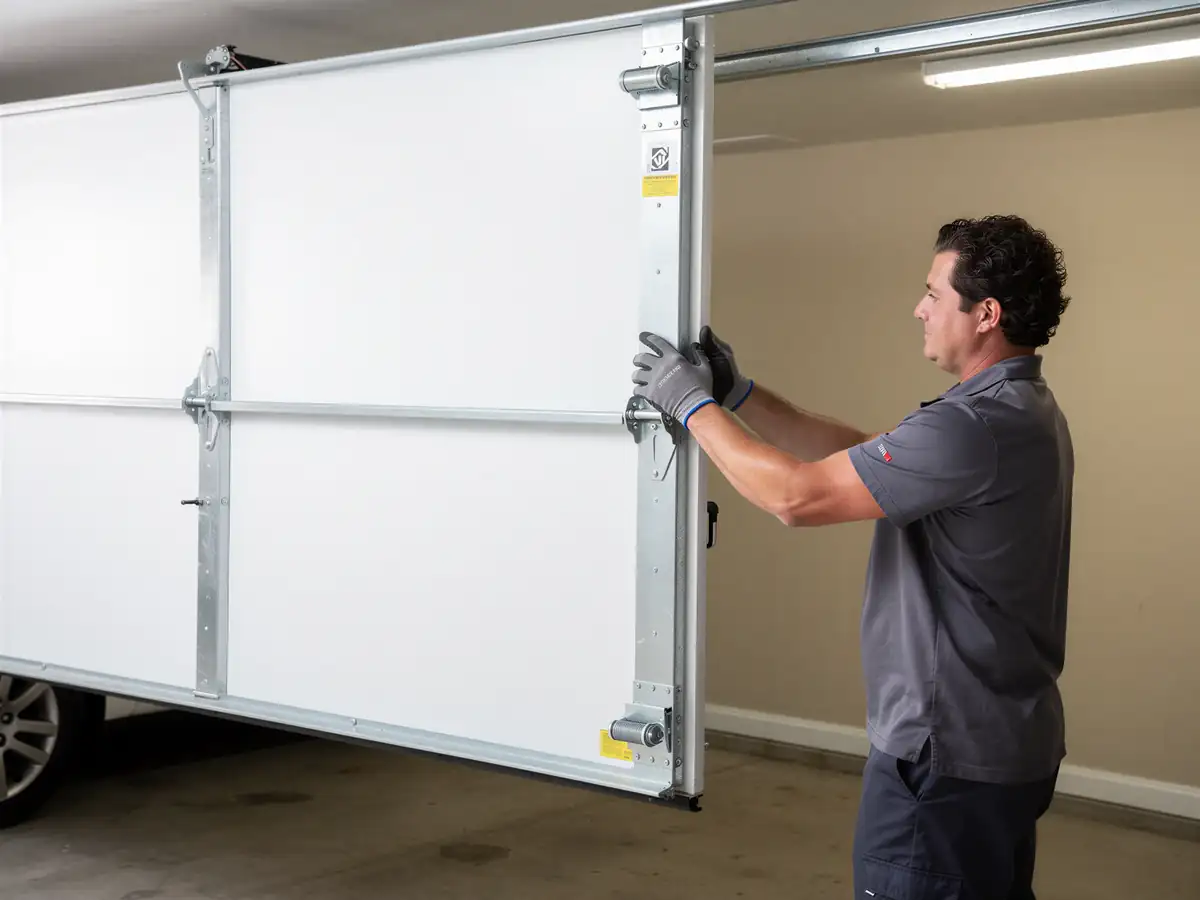
We inspect the track alignment, check roller wear, test balance by hand, and lube hinges and the torsion shaft if the door has one
On a 1990s door that's never had the springs touched, that inspection is often the whole job - the hardware is original, it's thirty-plus years old, and it's usually tired rather than broken. We'd rather tell you a spring is close to the end of its cycle count now than have you find out on a Saturday morning when it lets go.
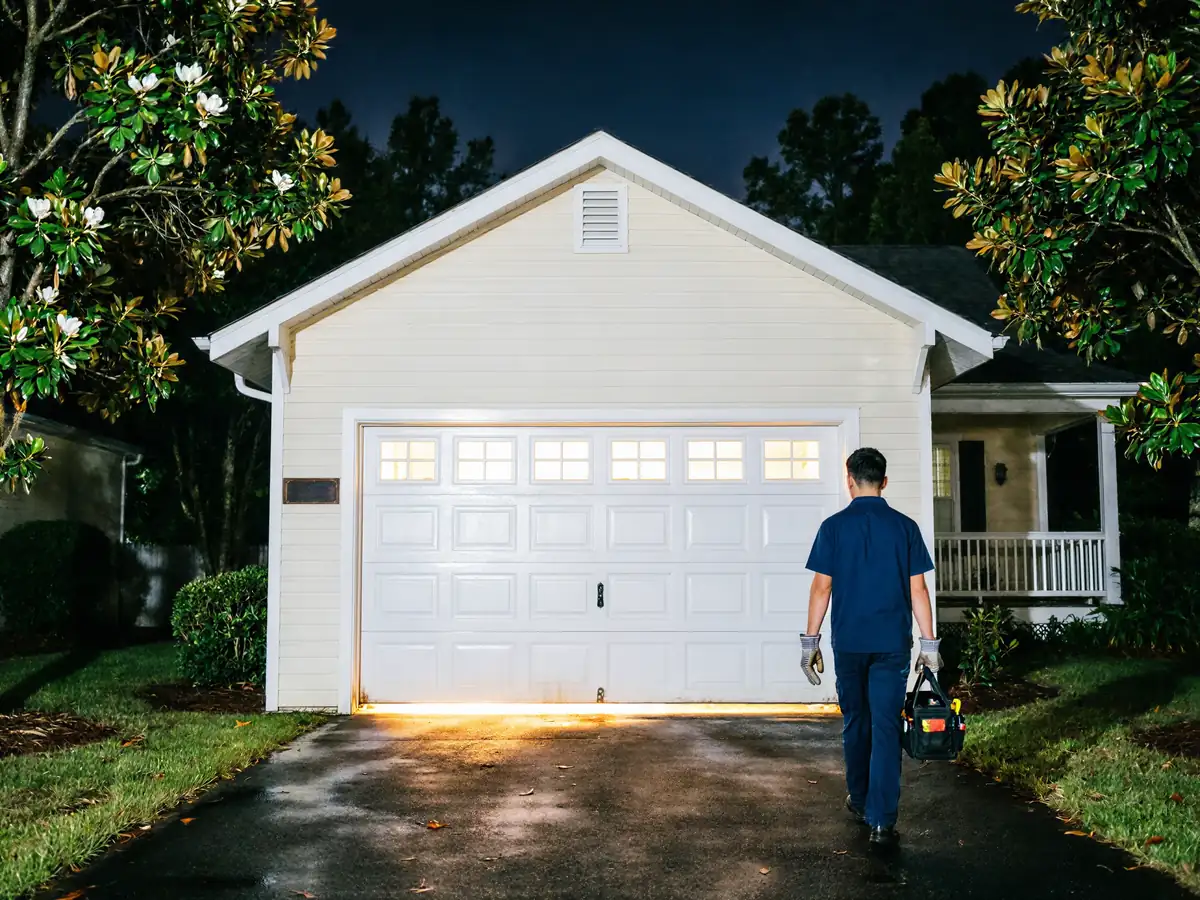
We come out from our Clayton shop, about 14 miles away
So we batch Zebulon visits when we can rather than treating every call as a one-off.
- 14 miles
How Long You Are Without the Door
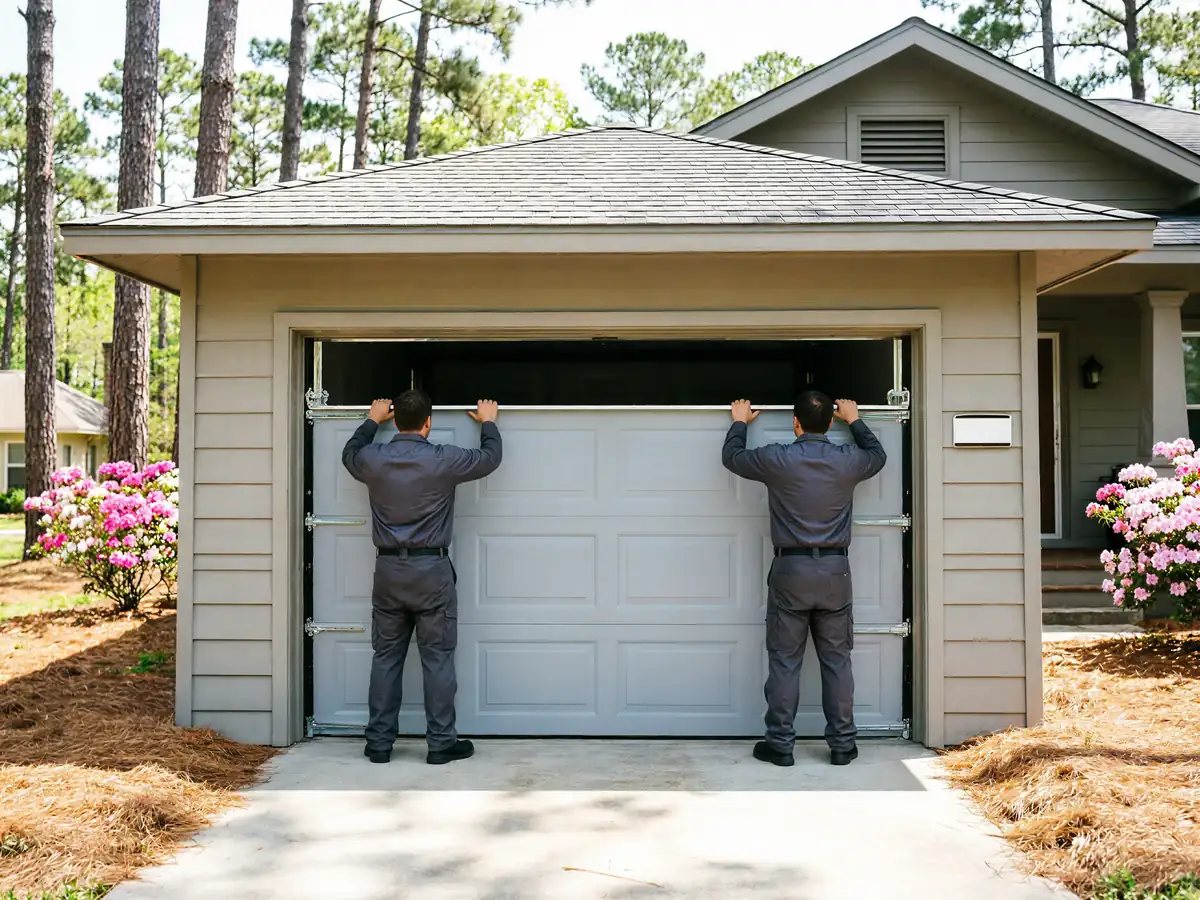
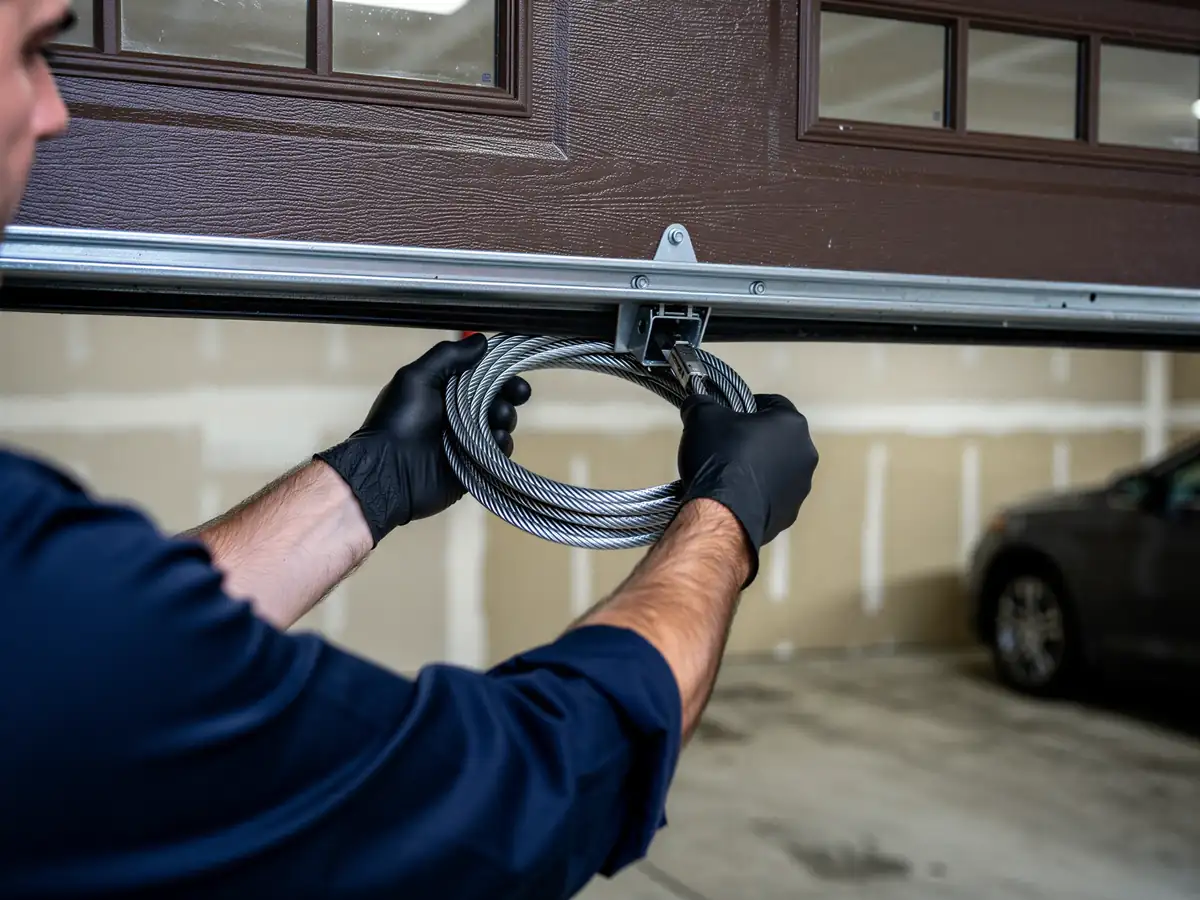
Routine maintenance - the inspection, lube, balance check, hardware tightening - doesn't take the door out of service. You can usually park in the garage again as soon as the truck leaves. If the visit turns up something that does need the door down, like a cable that's frayed past the point of just tightening, that's a separate conversation about parts and timing, not something we fold into a maintenance visit without telling you first.
Because we're driving in from Clayton, we're not going to promise a same-day emergency window for Zebulon the way a shop sitting in town might. If maintenance turns up a failing spring or a cable close to snapping, we'll tell you what we're seeing and let you decide whether to wait for a scheduled slot or treat it as more urgent. On a door where the hardware dates to the original 1993 build, a weak spring rarely fails without warning signs first - slow closing, uneven travel, a door that feels heavier than it used to.
Can You Do This Yourself
Some of this is fine to do on your own. Wiping down tracks, checking for debris, lubricating hinges and rollers with the right garage-door lubricant, and visually checking cables for fraying are all reasonable for a homeowner to handle between visits. Tightening loose bolts on the track brackets is also fair game if you're comfortable on a ladder.
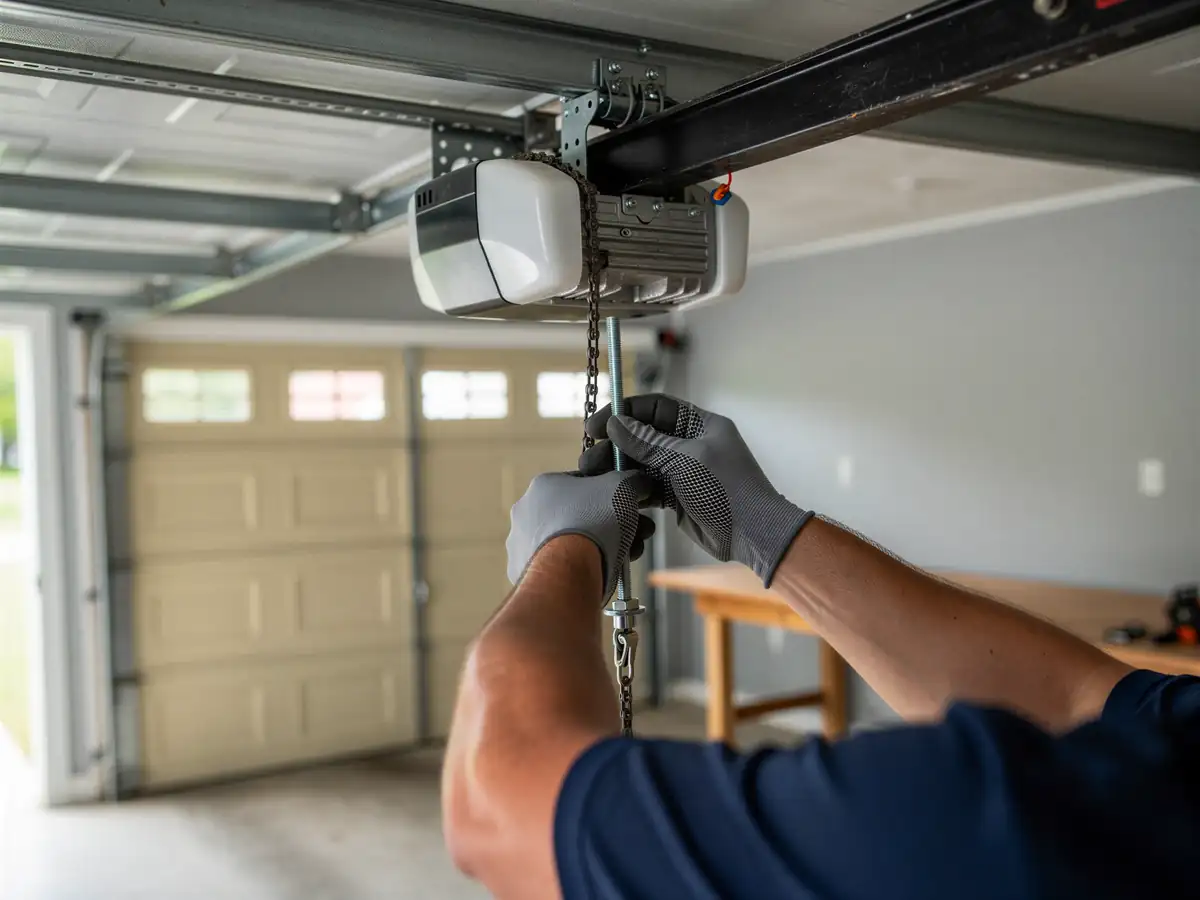
What we don't recommend is touching the torsion spring itself. On a door from the early 1990s era, the spring has been under load for three decades, and winding or unwinding it without the right bars is one of the more dangerous DIY mistakes in this trade - it's not a close call. Same goes for opener force settings and anything involving the high-tension cables. If you're not sure whether what you're looking at is cosmetic wear or a structural problem, that's the point to call rather than guess, especially on hardware this age where the parts aren't rated for another decade of flexing.
What Is on the Truck
For a Zebulon maintenance call we're carrying the basics that cover a 1990s-era door
Lubricant rated for cold-weather use, a stock of standard rollers and hinges, torsion spring sets sized for the common residential door weights, cable, and the hand tools for balance and track adjustment. Since this area's climate runs cold-moderate, we lean toward lubricants and weatherstripping that hold up through winter temperature swings rather than summer-only products.
What's not standard stock is anything custom
A non-standard door width, a specialty opener, or hardware that was already replaced with something unusual before we got there. On a town this size, with household counts in the low thousands rather than tens of thousands, we don't stock deep inventory for rare configurations locally; if your door needs something outside the common sizes, that's a return trip once we've got the part, not a same-visit fix. We'd rather say that upfront than leave a truck idling while we improvise.