What Is on the Truck
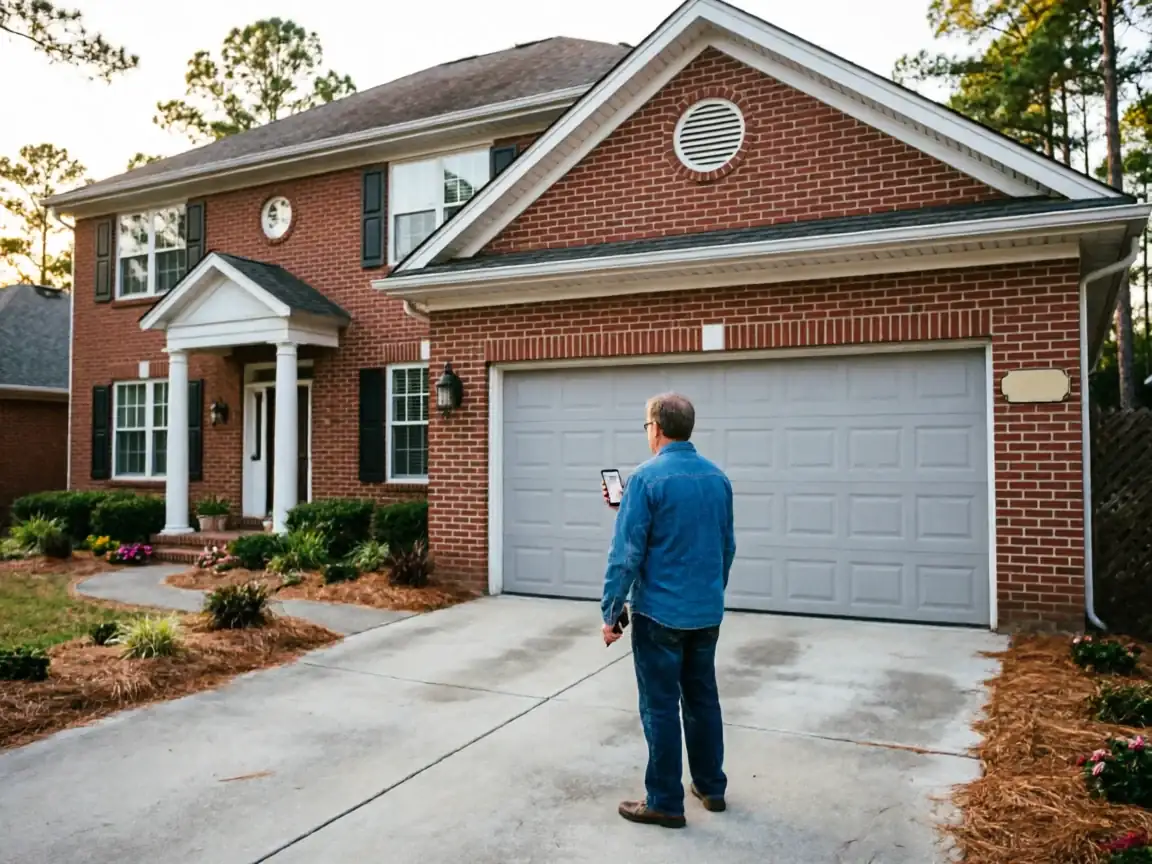
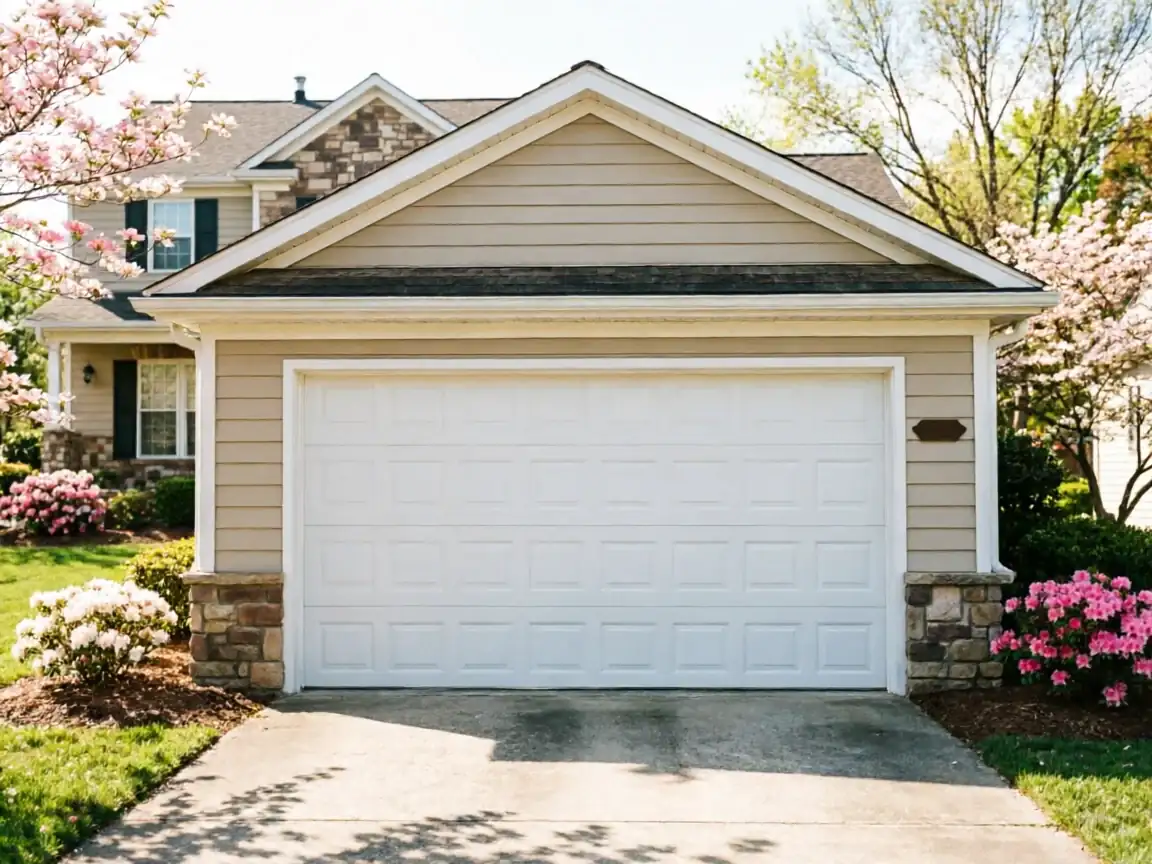
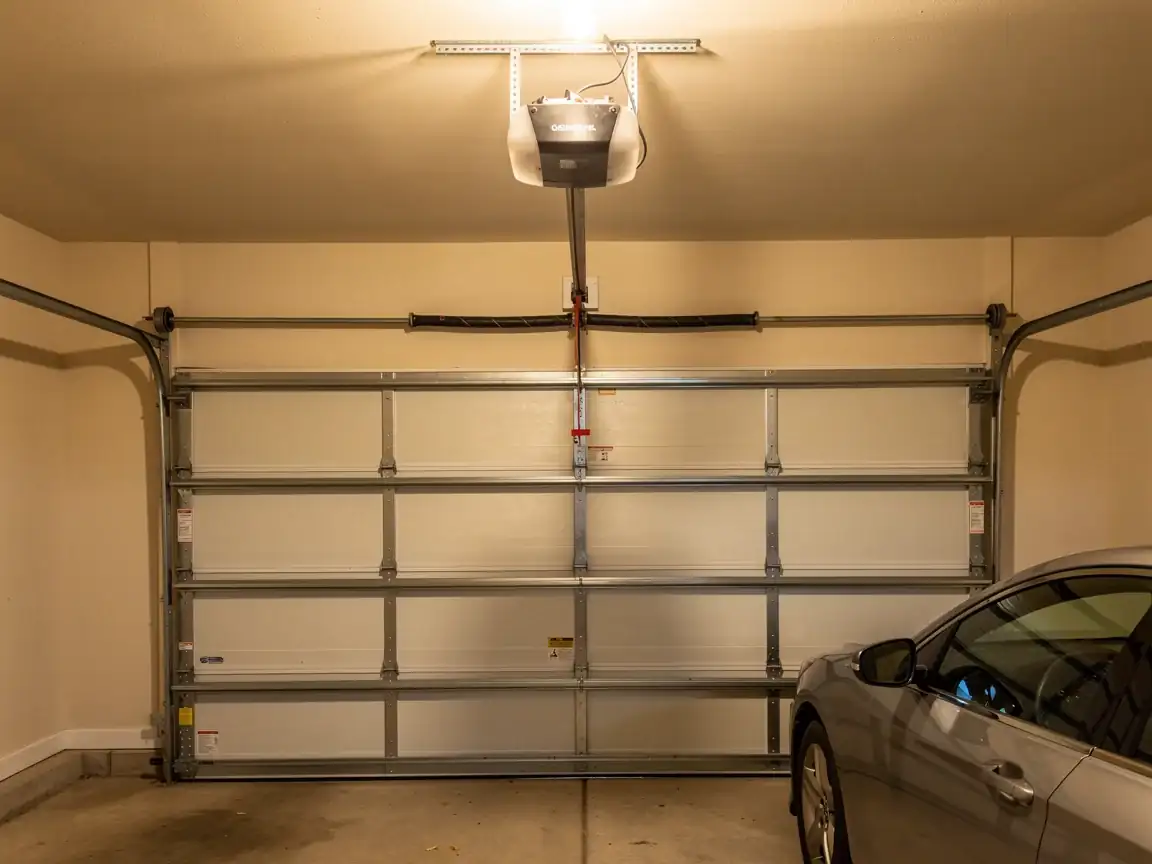
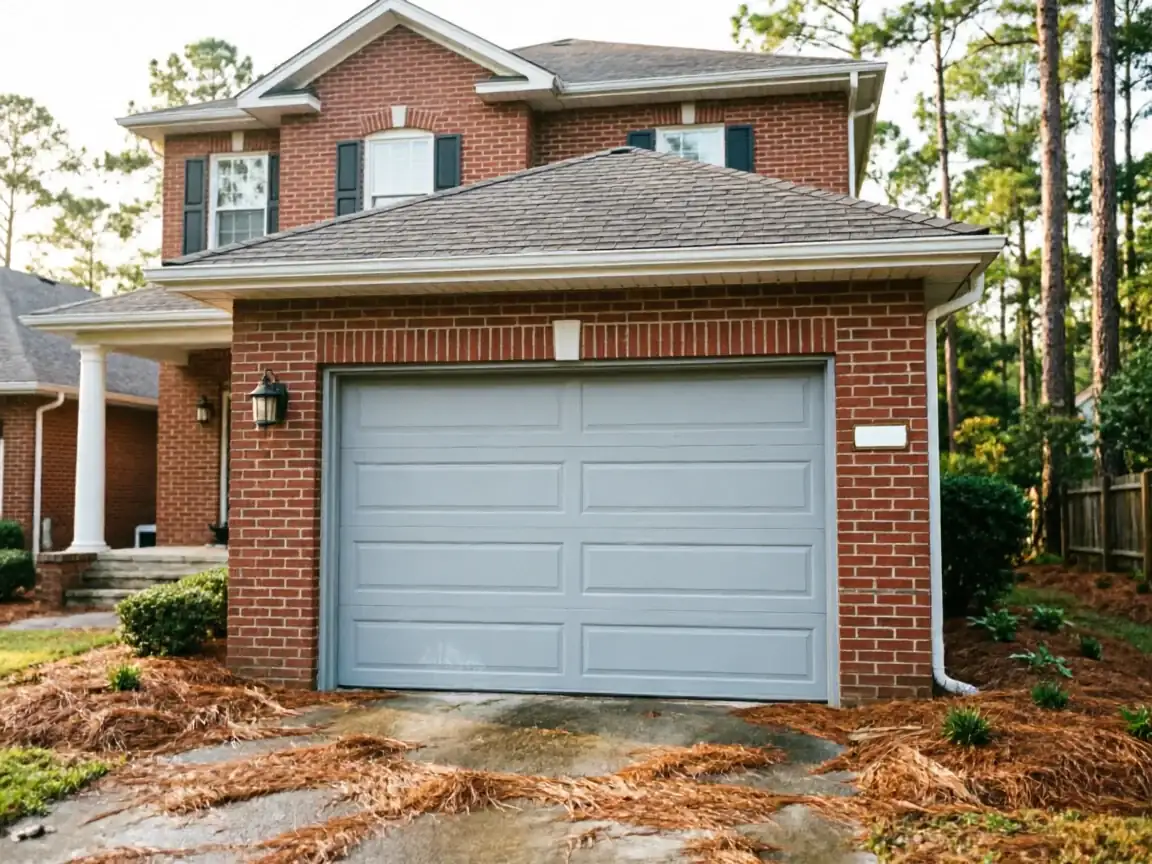
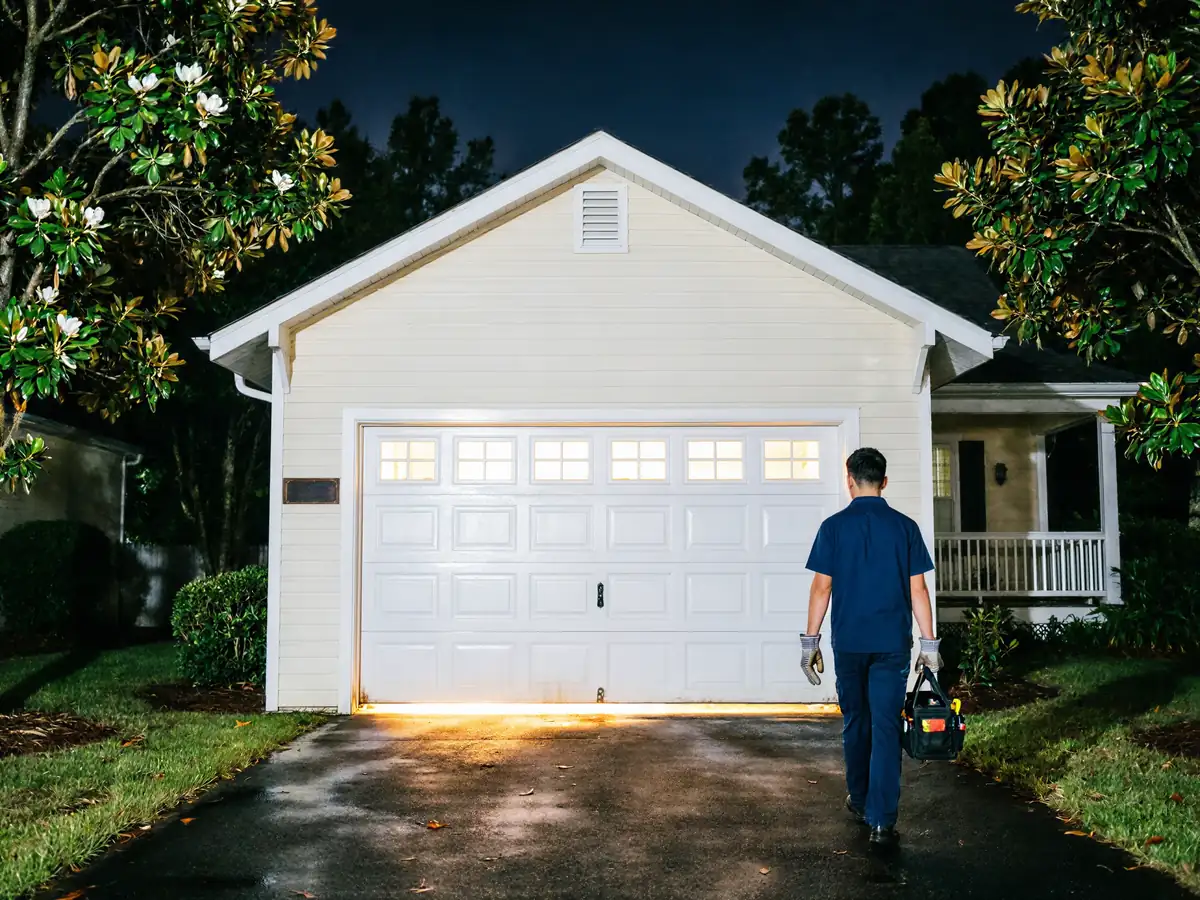
Because the housing in Selma skews older than a lot of the newer construction closer to Clayton, the truck carries a wider range of spring sizes and a stock of extension spring kits in addition to the torsion springs more common on newer builds. Doors from the late 1960s and 1970s were often built lighter than what's going up today, which changes the wind load the spring has to manage and the roller size that was originally installed. We carry both 2-inch and 2 1/4-inch track sections for that reason, along with cables rated for shorter-span doors that were standard on homes from that era. The area sits in a cold-moderate climate band, so lubricant and weatherstripping stock is picked for a wider temperature swing rather than a strictly mild one. What's not always on the truck: a specific replacement panel to match an original door color or profile from a 1968 build - those sometimes need to be ordered, which is the one real limitation worth saying up front.
What You Are Seeing
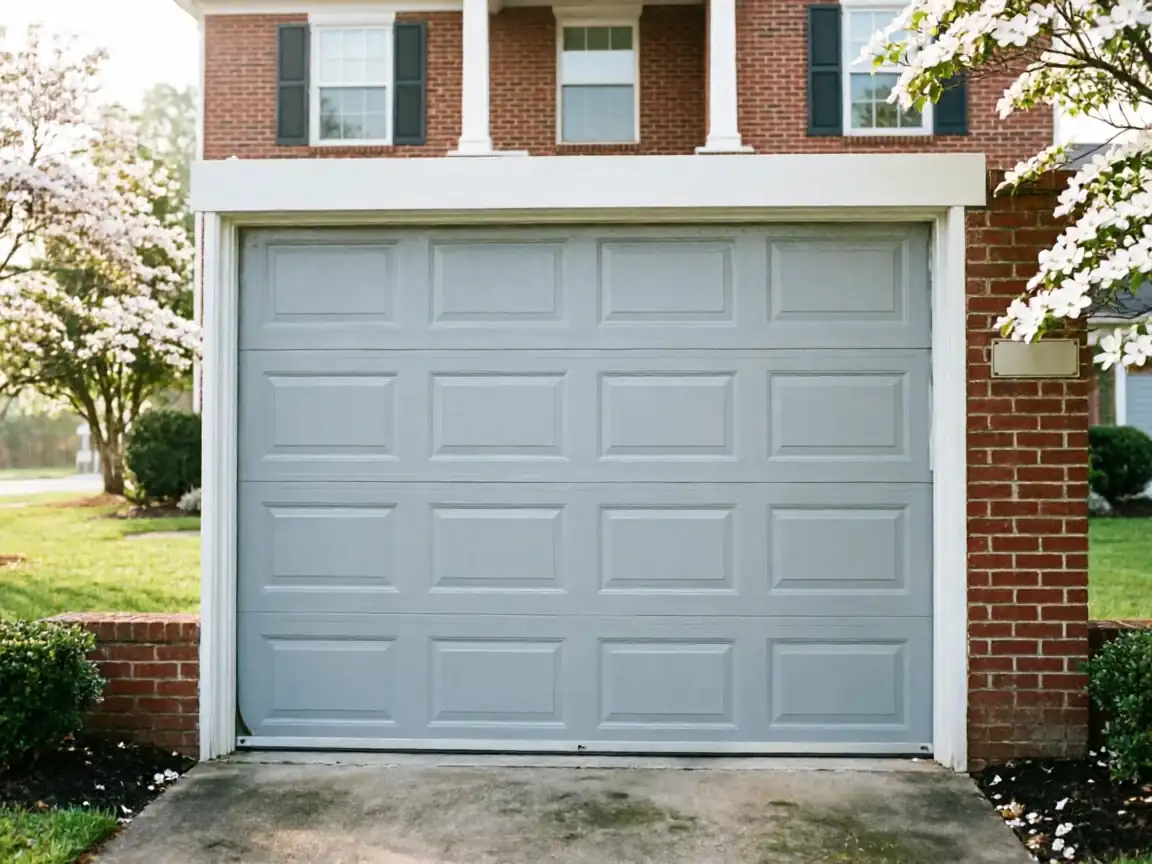
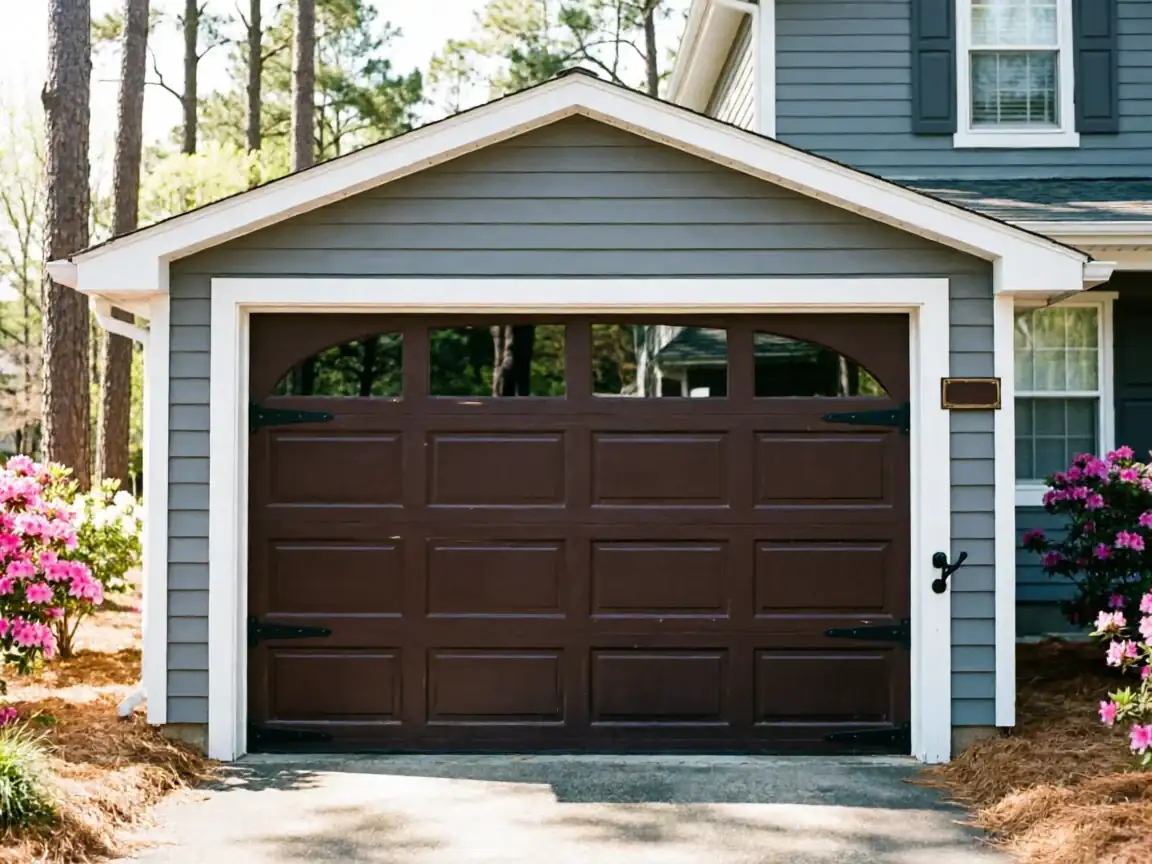
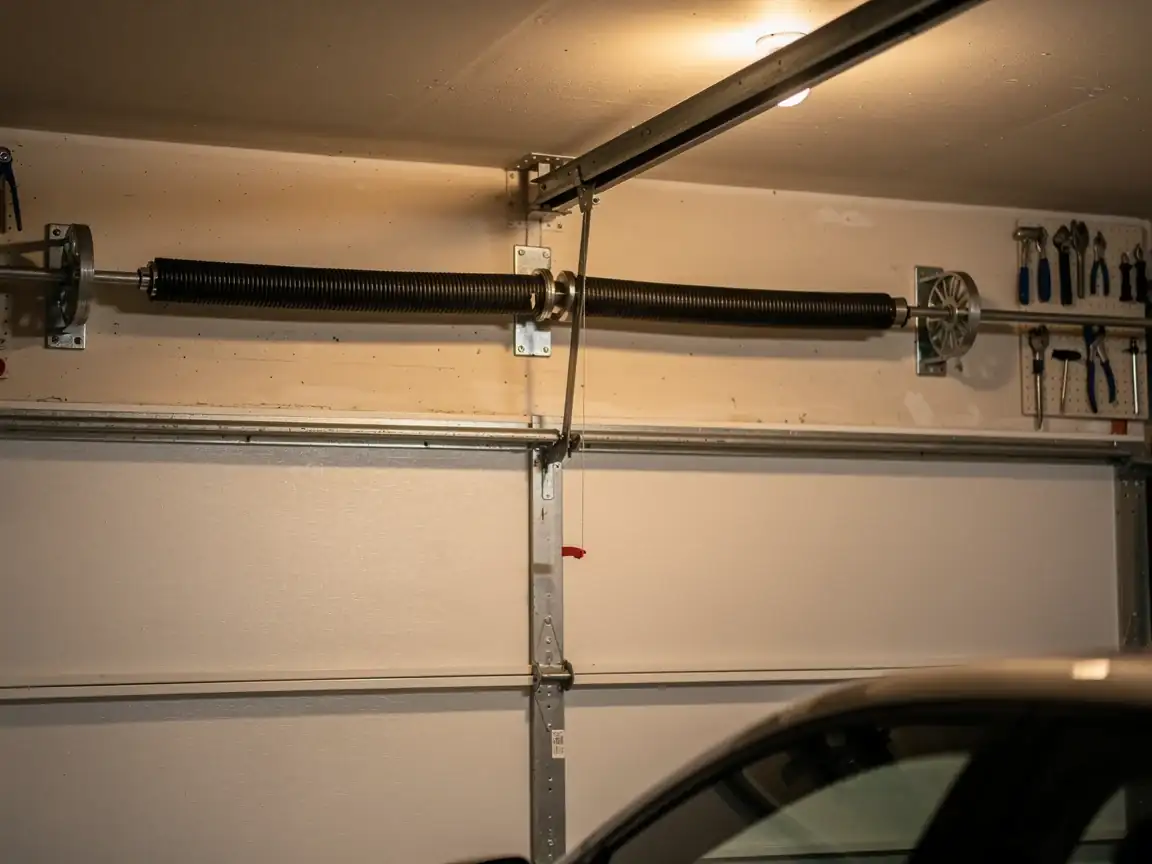
On a door this age, the most common failure is a spring that's simply worn out from decades of cycles, not damage from a single incident. You'll hear it before you see it - a loud bang from the garage, then the door either won't lift at all or only lifts a few inches before the opener strains and stops. A second common pattern on older extension-spring doors: one side drops faster than the other because one spring has gone and the other hasn't, which twists the door in the track and can bend it permanently if it's forced. Cold mornings make stiff, dry hardware worse, and in a cold-moderate climate that shows up as doors that stick in winter and loosen up again once temperatures climb. If the door reverses right after it touches the floor, that's almost always the sensors, not the spring - worth ruling out before assuming the worst.
How We Fix It
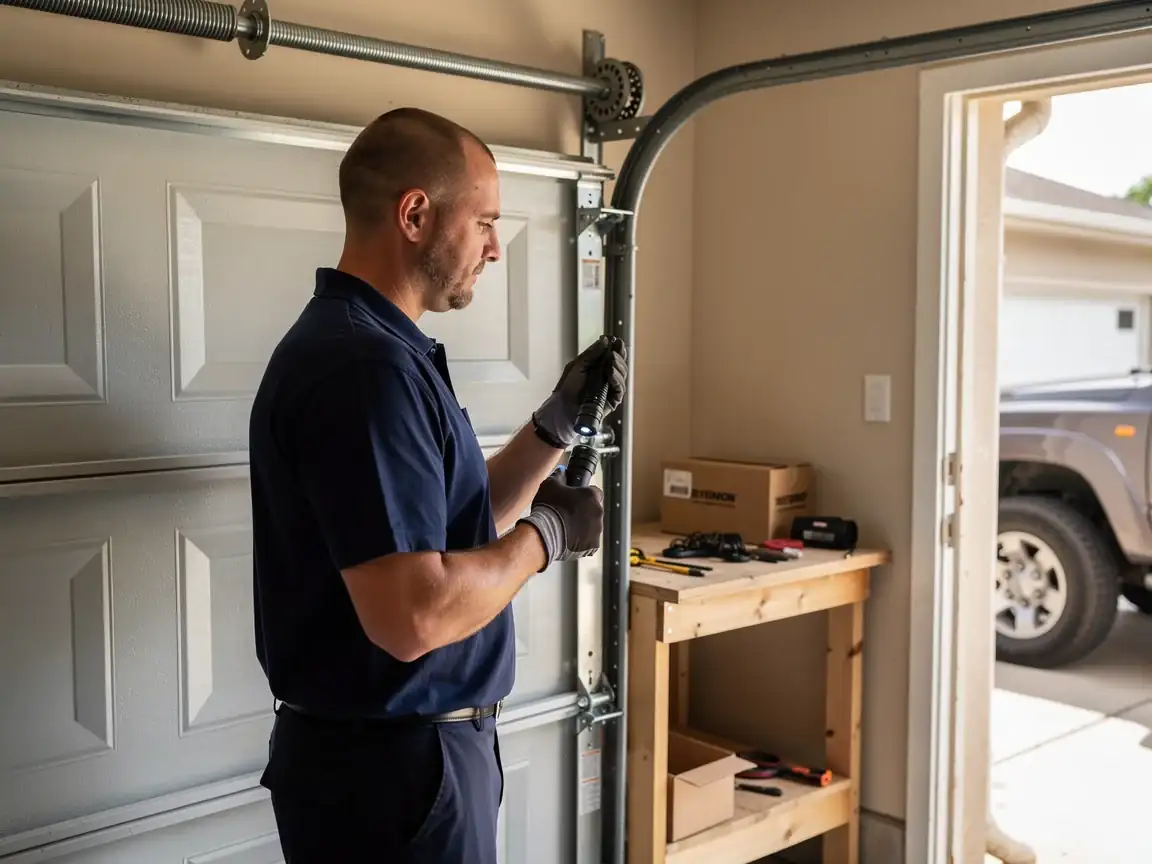
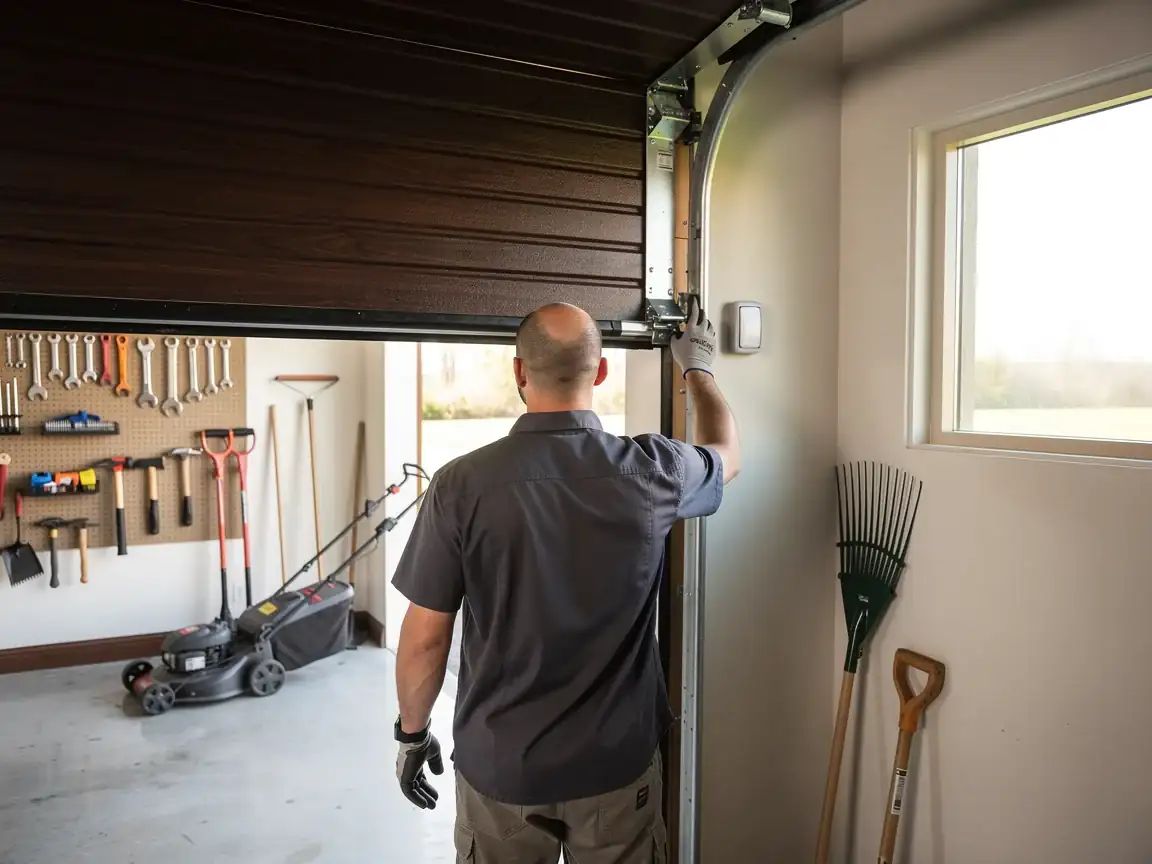
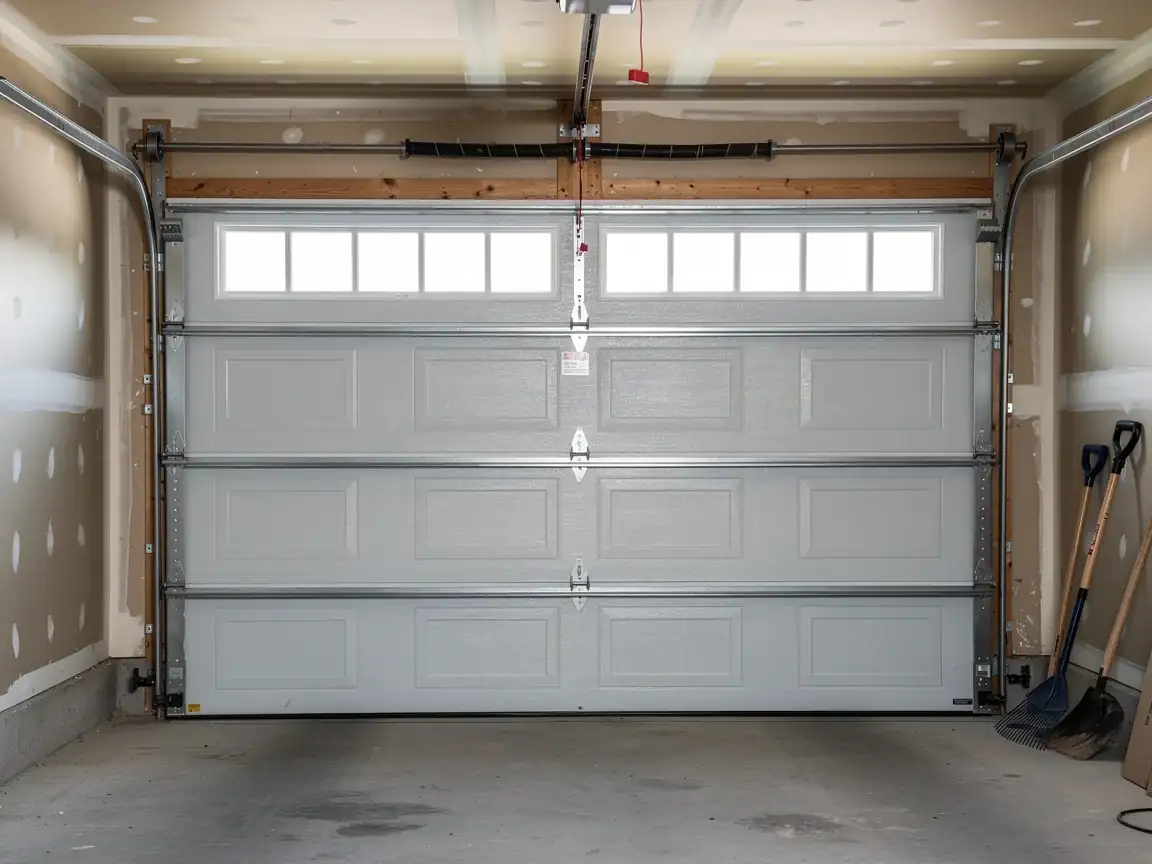
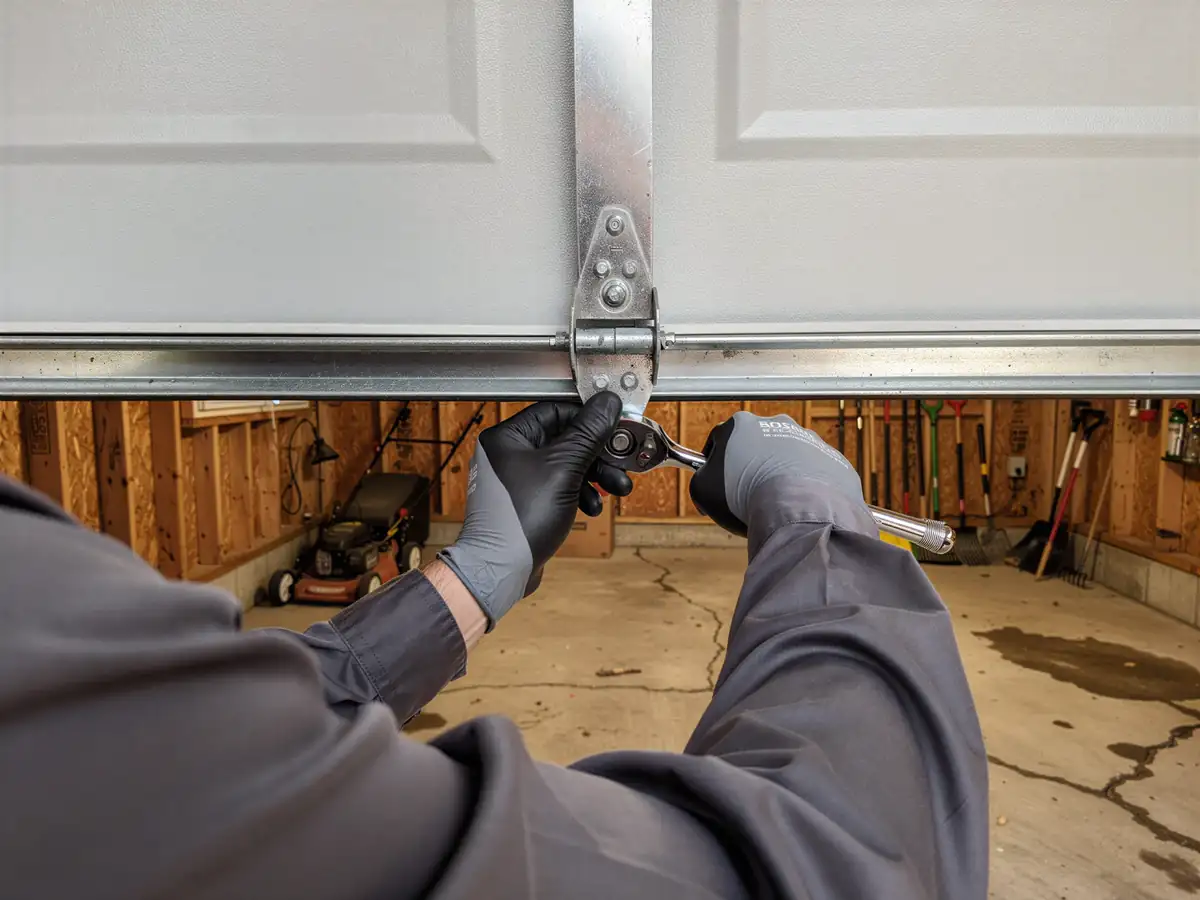
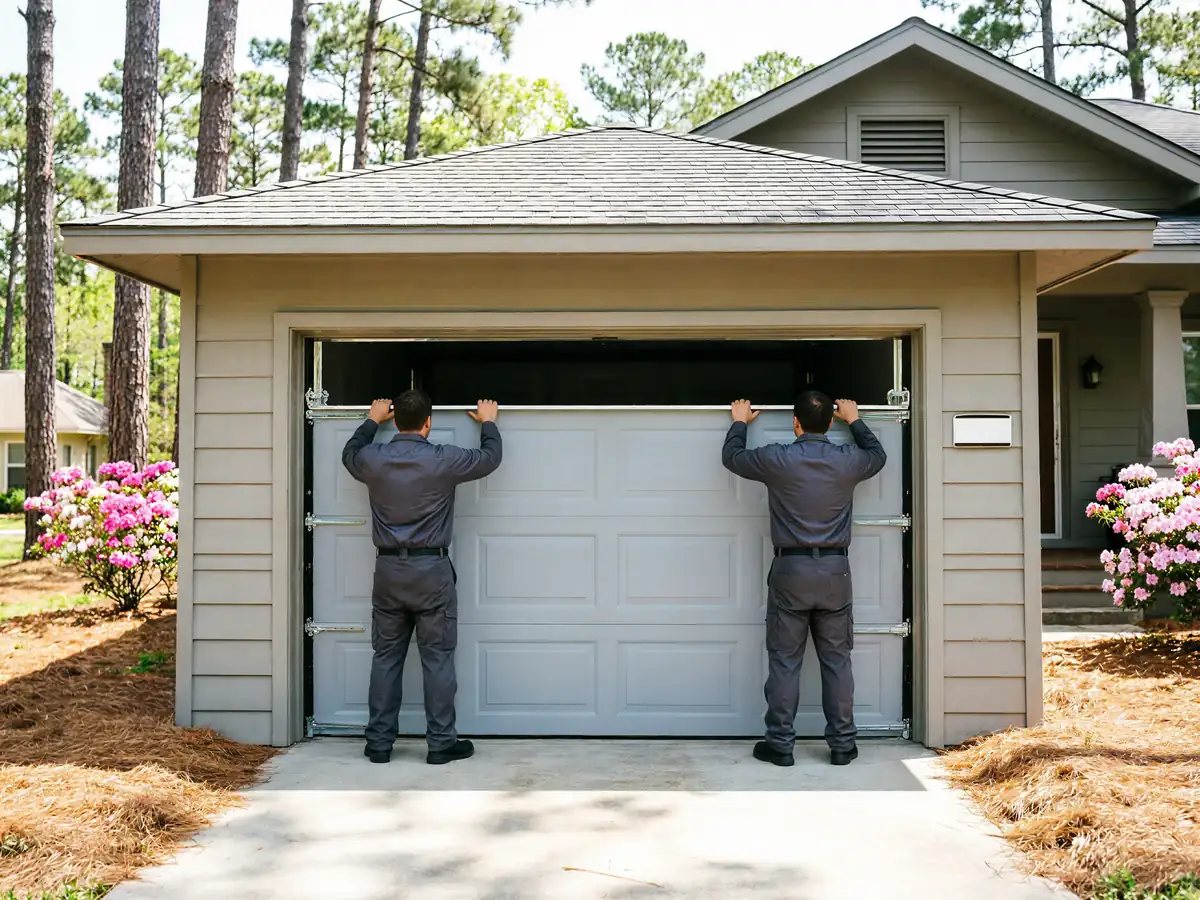
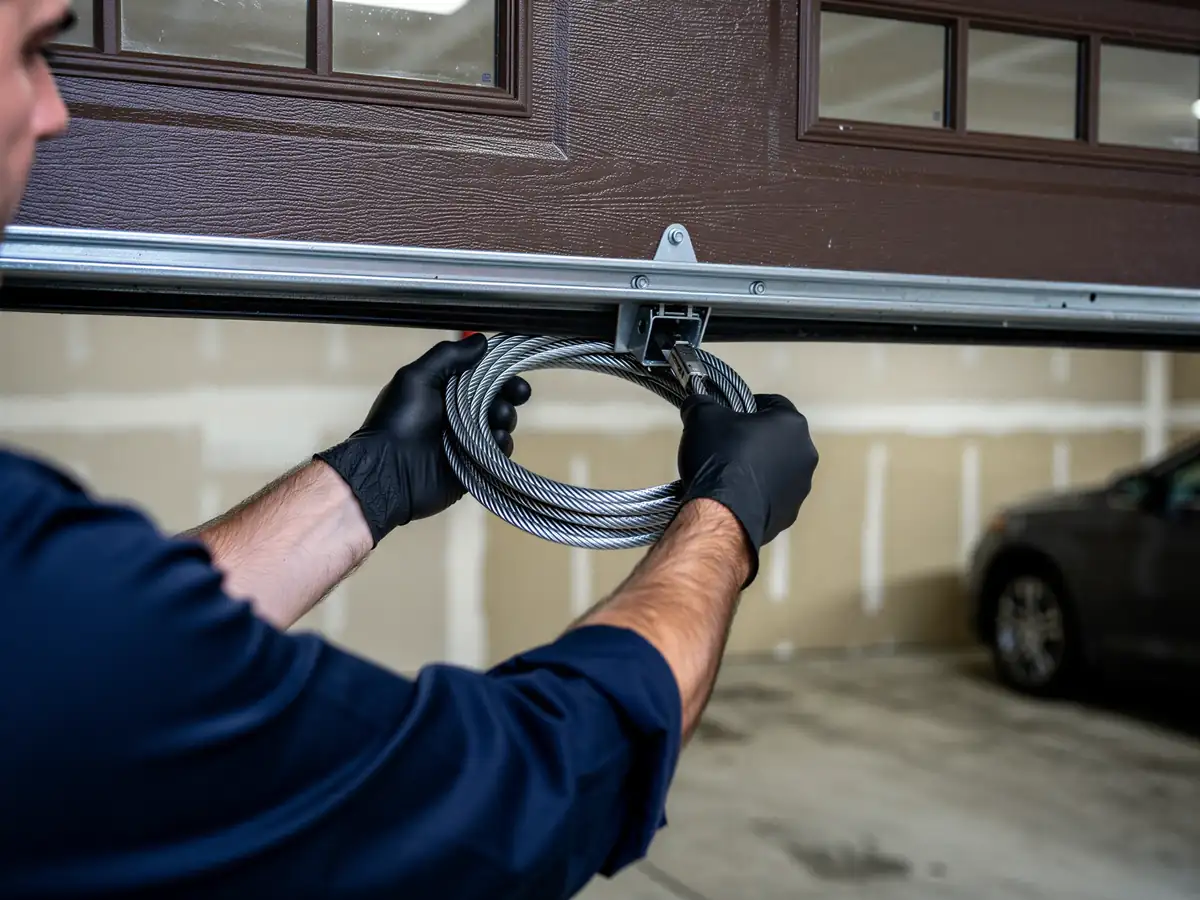
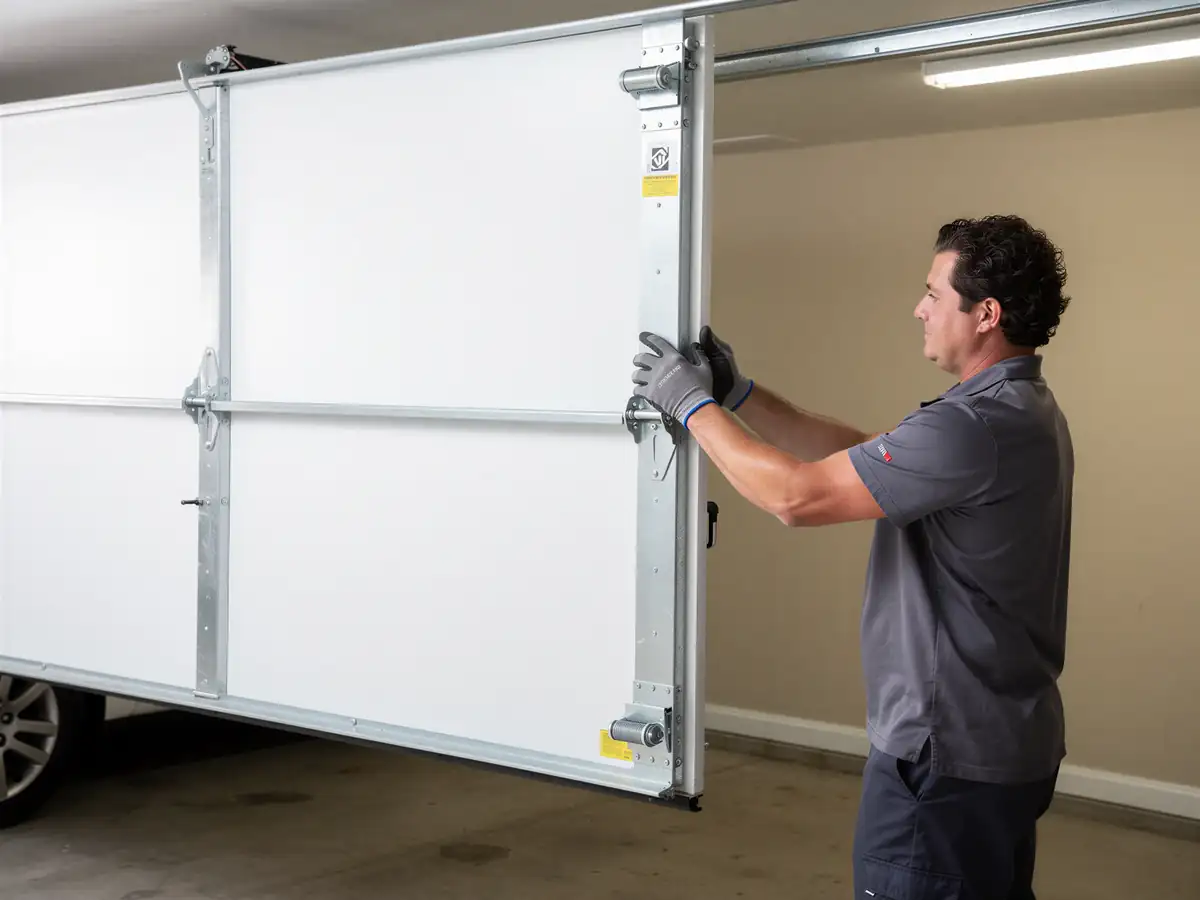
First step on any emergency call is getting the door into a safe position - unplugging the opener, clamping the track if a cable's off, and making sure nothing's under tension before anyone touches it. From there, a worn spring gets replaced in a matched pair even if only one broke, because the other one is usually close behind it on a door this old. If it's a cable off the drum, we rewind and reseat it, then check the drum itself for wear since 1960s-and-70s-era drums have sometimes been replaced with mismatched parts over the years. A door that's come off-track from an uneven spring failure gets checked panel by panel for bends before we re-hang it - bent track or a cracked panel sometimes means the repair isn't worth it compared to replacing that section outright, and we'll tell you that straight if we see it rather than patching something that'll fail again in six months.
The Complications
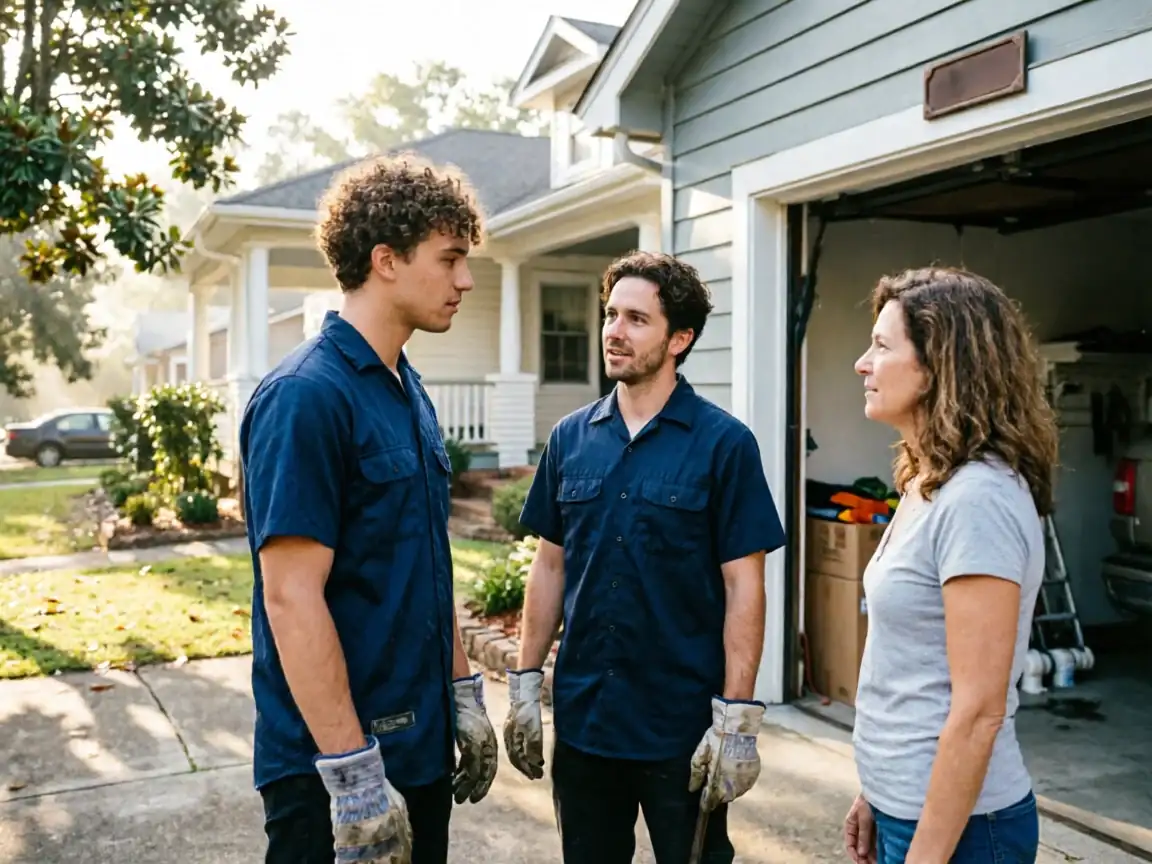
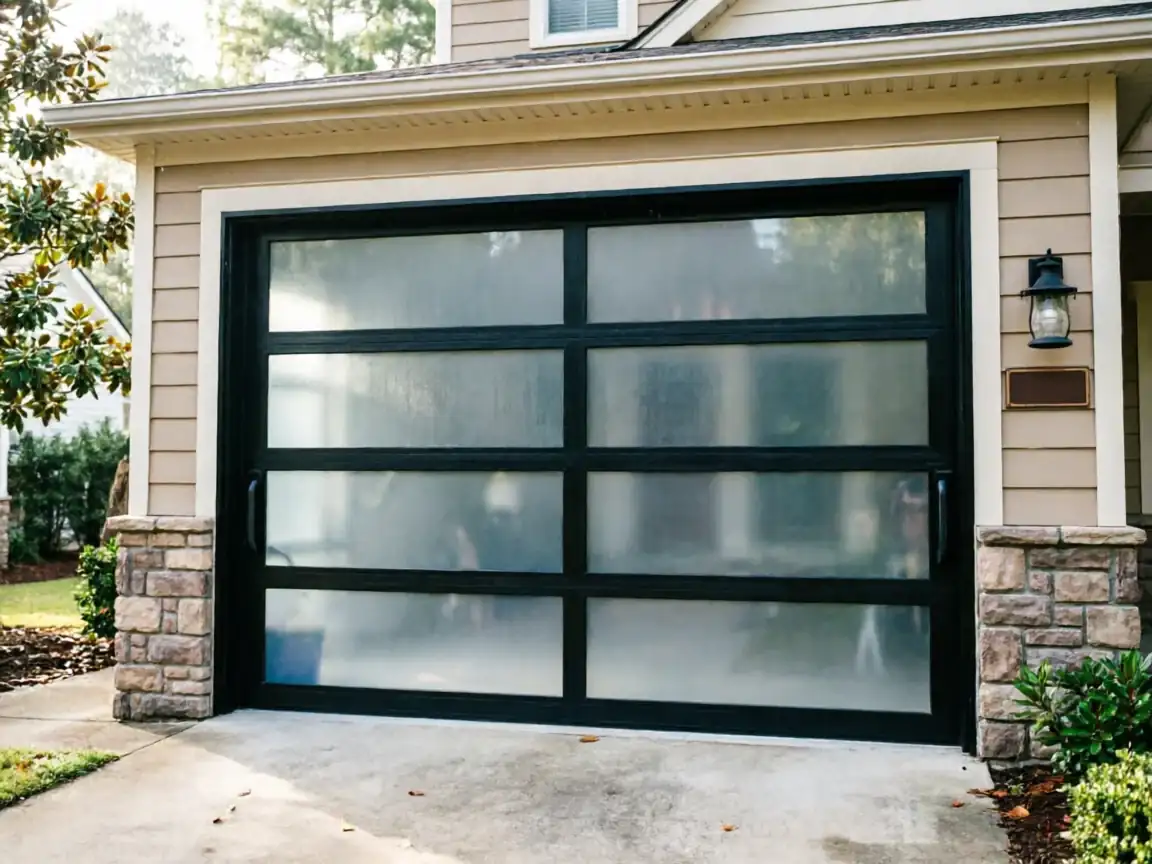
The main wrinkle in Selma is parts matching. A door installed new in the late 1960s or 1970s wasn't necessarily built to today's standard sizes, so a track bracket or a specific panel profile sometimes isn't something we're carrying on the truck - it has to be sourced, and that can mean a short wait rather than a same-visit fix. Median household income in this part of the service area runs lower than some of the newer-construction neighborhoods we also cover, and we've found that matters for the repair-versus-replace conversation: a lot of these doors are worth fixing properly rather than swapping out, since the frame and opening are usually sound even when the moving parts have worn through. We'll always give you the repair option first if the door structure itself is good, and only push toward replacement when the track or panel damage makes a patch a short-term fix.