What Is on the Truck
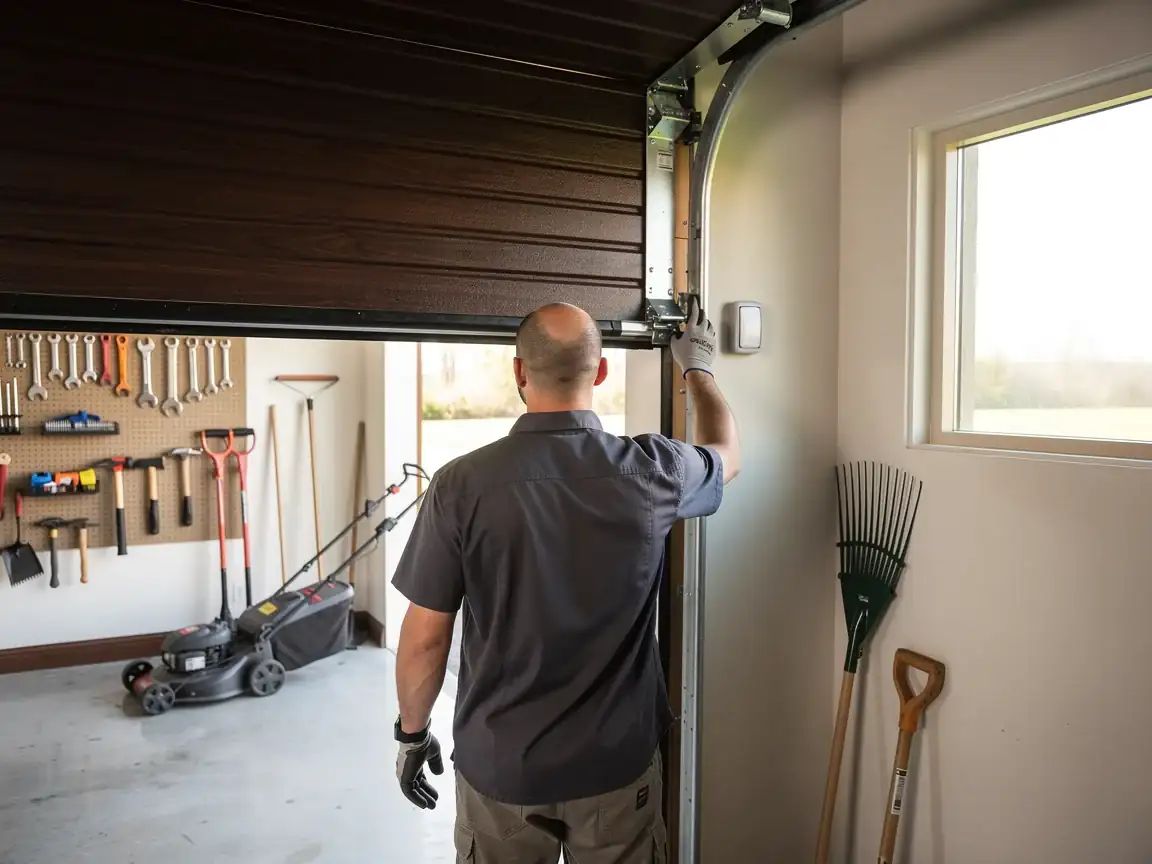
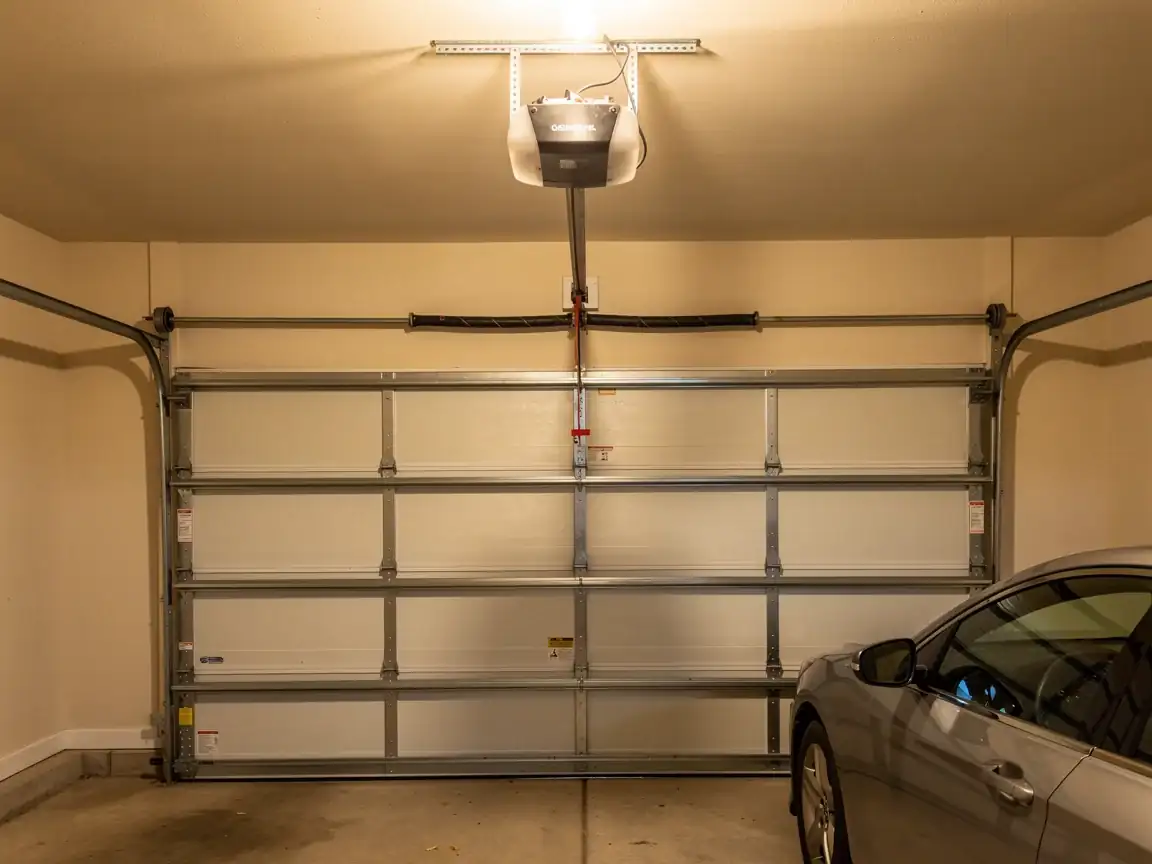
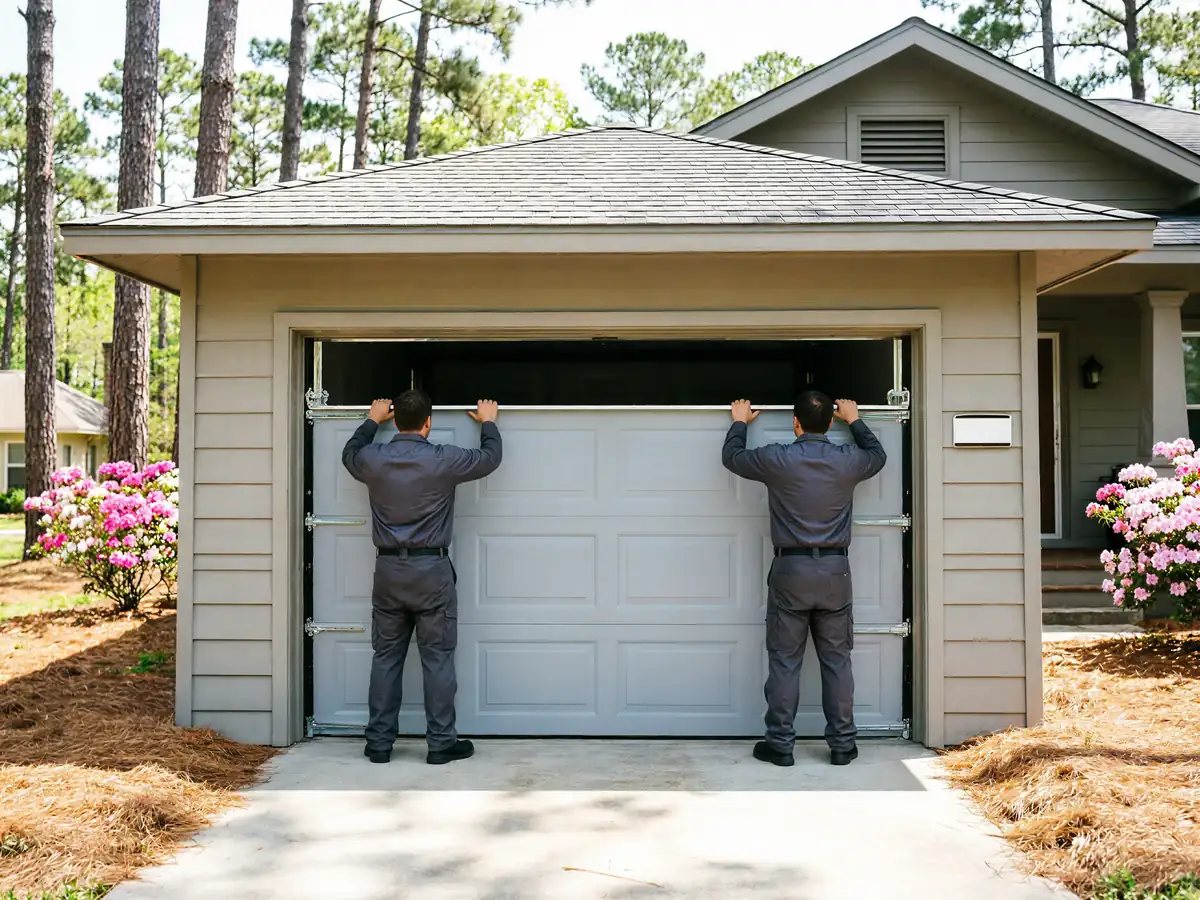
The truck that comes to Selma carries the same core stock as any call in the service area - torsion and extension springs in common sizes, rollers, cables, hinges, and openers - but a tech heading to a Selma address knows to check first for older-style hardware given the 1968 median build year here. That means bringing adapters and spring sizes that don't always get pulled for newer subdivisions closer to Clayton. What doesn't ride along is a full stock of obsolete panels for doors discontinued decades ago; those sometimes need to be special-ordered, and that's a lead time we're upfront about rather than pretend away. Selma sits about 12 miles from Clayton, which the dispatcher factors into scheduling but doesn't change what's loaded on the truck - the parts list is built around the house, not the drive.
What You Are Seeing
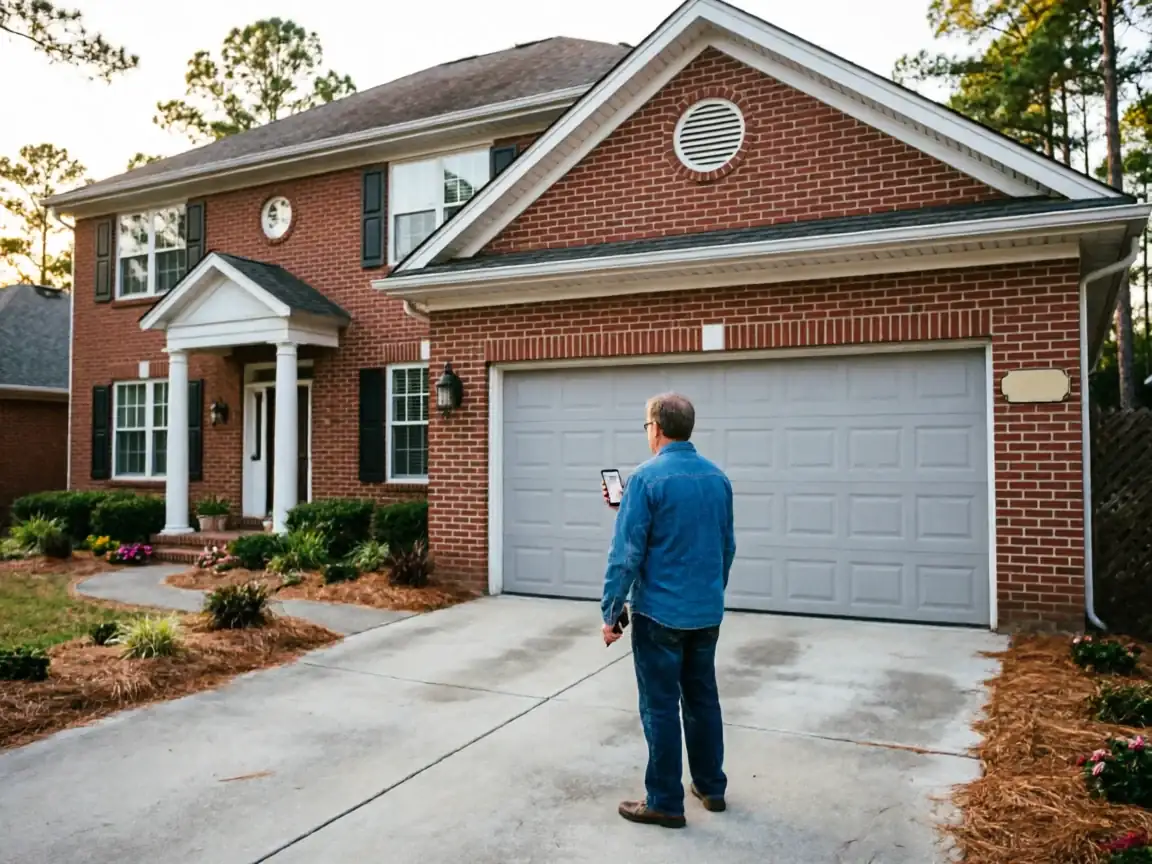
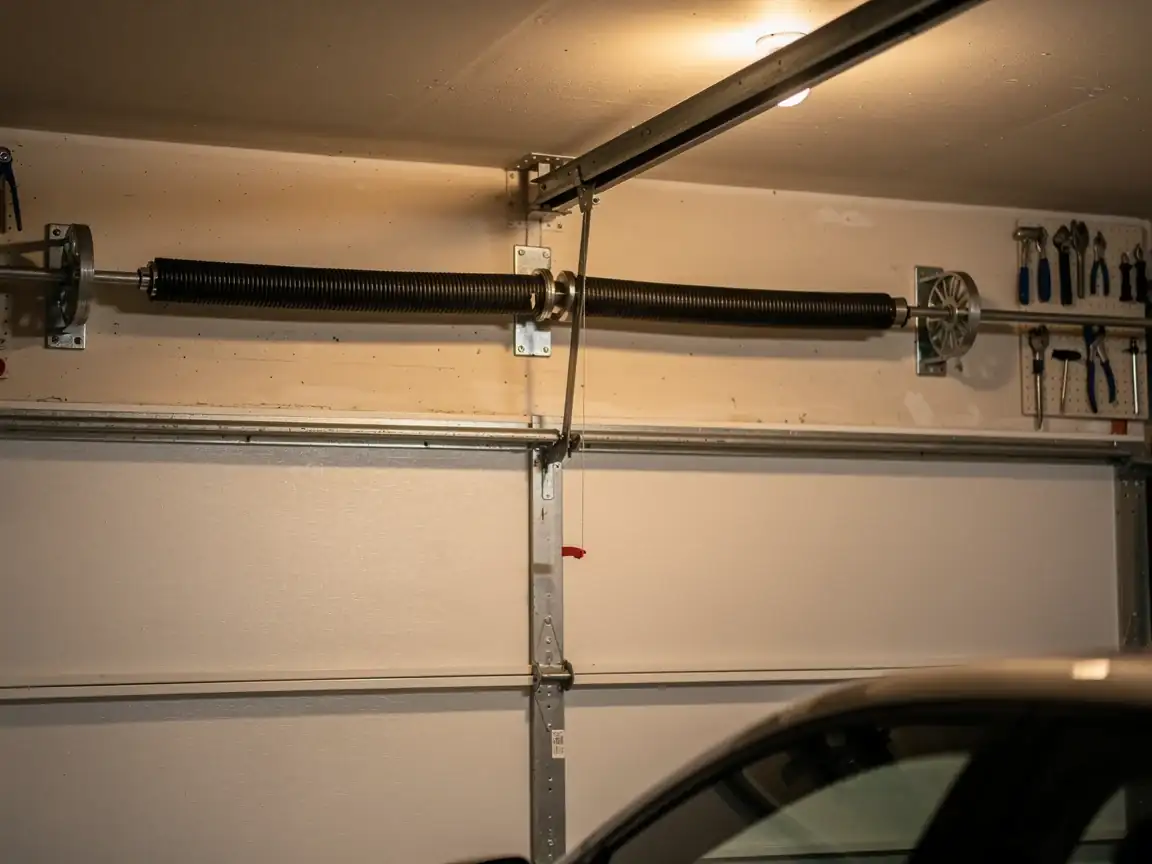
On a house built around 1968, the usual complaint is a door that's gotten heavy to lift by hand or an opener that strains and reverses on its own. That's often a spring that's lost tension over fifty-plus years of cycling, not a motor problem, even though the opener gets blamed first. Cold-weather call volume also ticks up here - the area sits in a moderate cold climate band, and old steel tracks and dried-out rollers bind up worse once temperatures drop. If your door came with the house and has never had the spring replaced, tension loss is the most likely cause of a door that slams down or won't stay open. Newer doors in the service area, going up as recently as 2013 elsewhere, tend to show different symptoms - sensor misalignment, circuit board failures - that don't apply the same way to a door this age.
How We Fix It
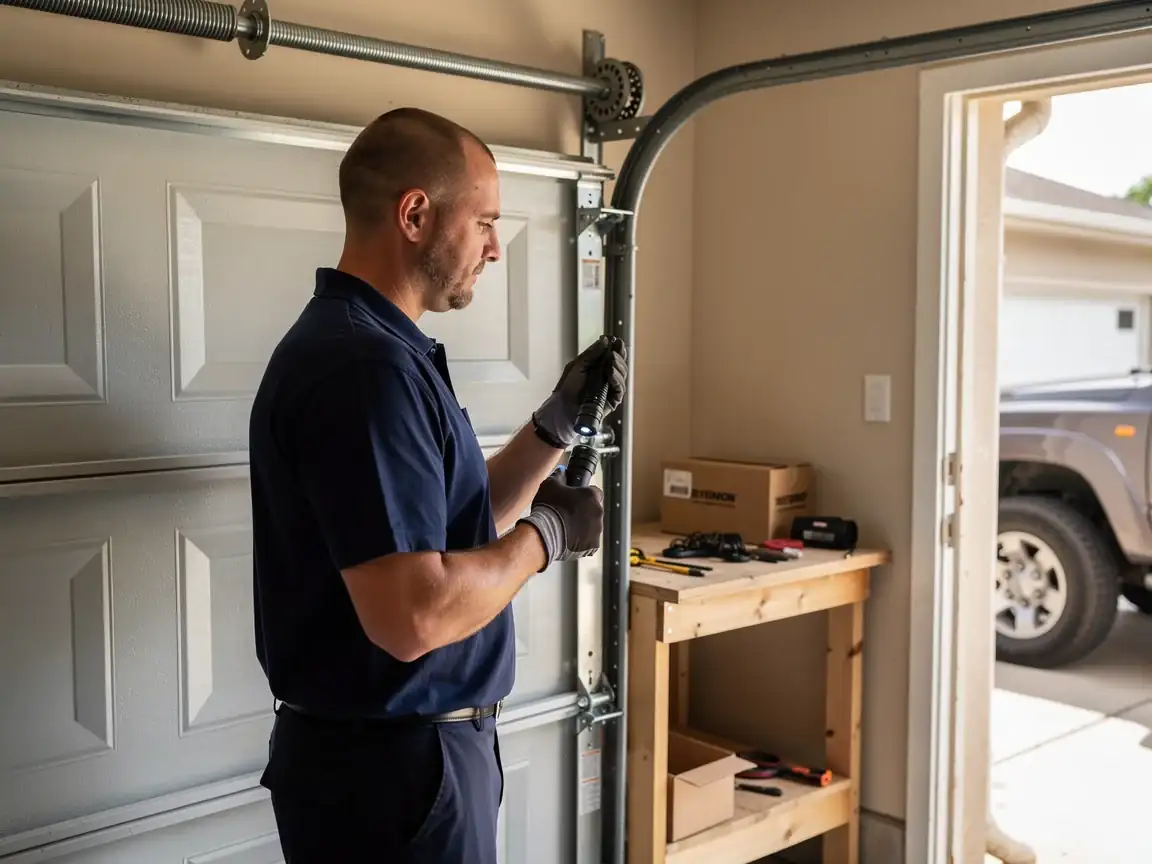
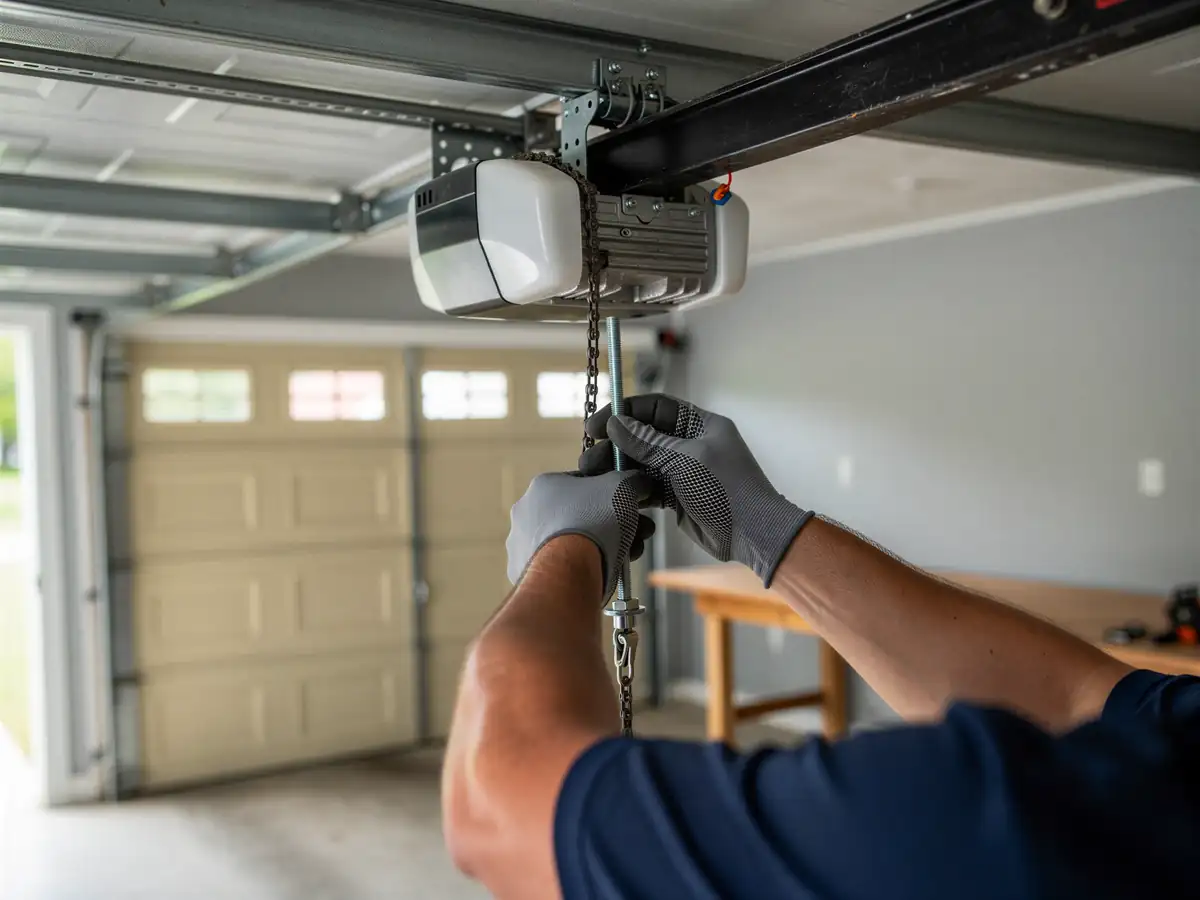
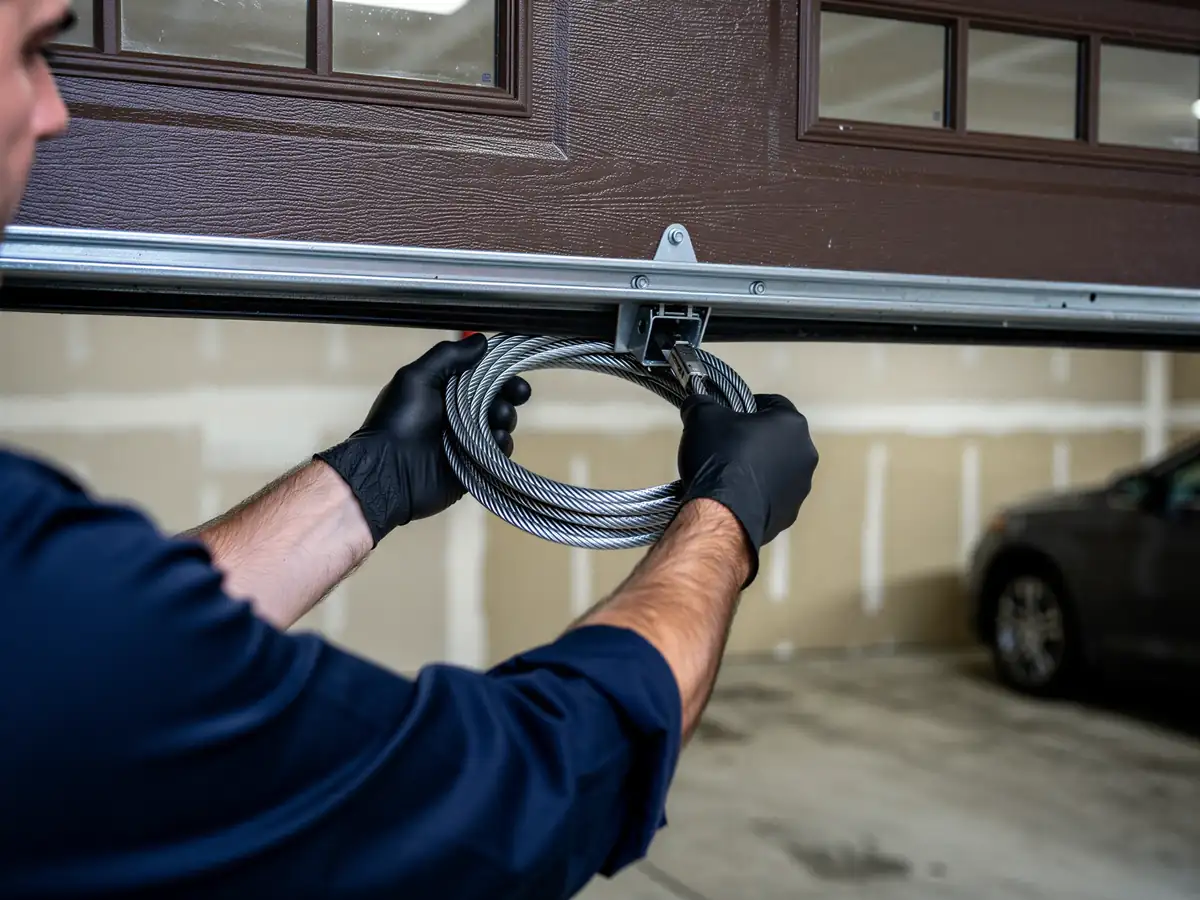
For a house with 1968-era hardware, the repair usually starts with measuring the existing spring and track rather than assuming a modern standard size fits. We replace torsion springs in pairs on two-car doors even if only one has failed, because the other is the same age and close to the same fatigue point. Cables, rollers, and hinges get inspected at the same visit since they're under similar wear. If the opener is original to the house, we'll tell you plainly when replacement makes more sense than repair - a fifty-year-old chain-drive unit with no safety reversal sensors is a liability we won't just patch and leave. That's the honest limit: we fix what's fixable, but we won't rewire around a safety feature that's legally required on anything we touch.
The Complications
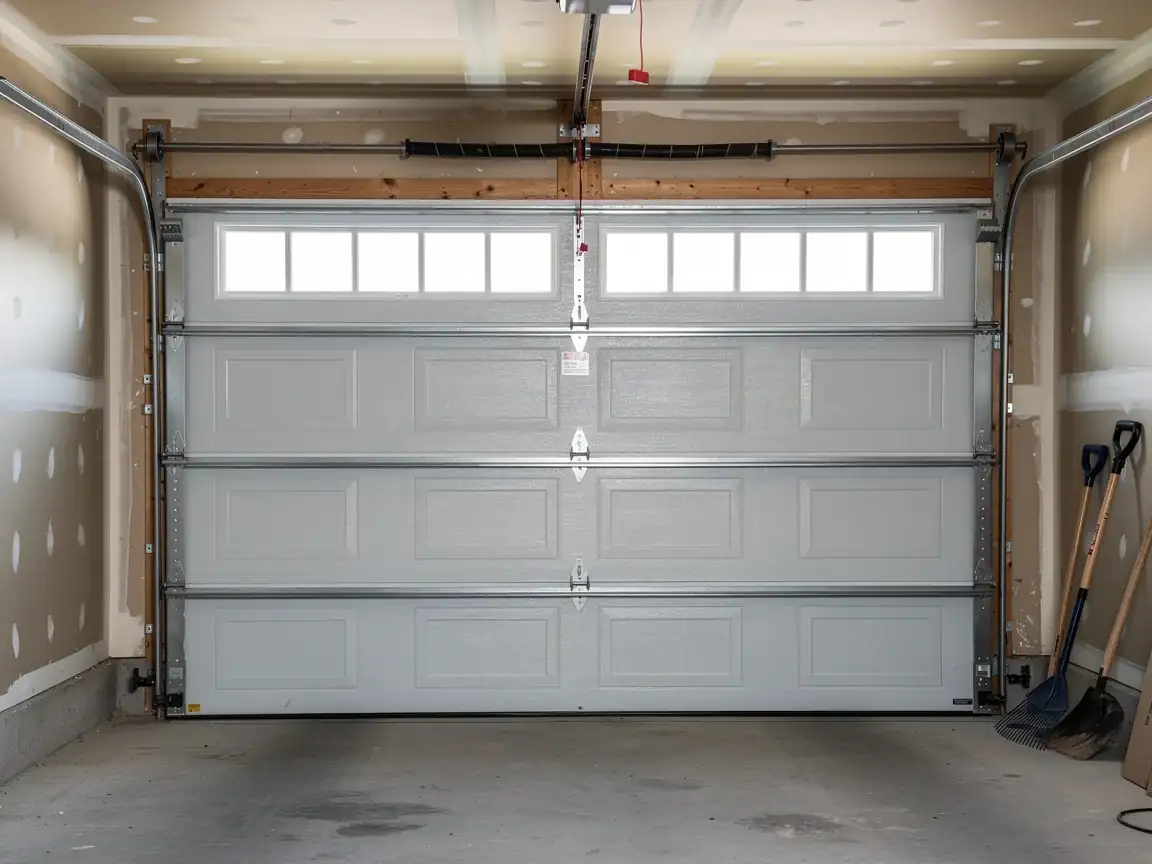
With roughly 2,693 households in Selma and a median income around $37,440 - well under the $55,051 median across the broader service area - cost is a real factor in every decision here, and we try to lead with the repair option before the replacement option when the door allows it. The complication is that older doors sometimes fail in ways that make repair a short-term patch: a track that's rusted at the base, a panel that's been dented and re-bent more than once. We'll say so rather than sell a spring job on a door that needs to come off the hinges in a year anyway. Parts for discontinued panel styles can also take longer to source than a same-week spring replacement, and that lead time is outside our control once the order's placed.