What Is on the Truck
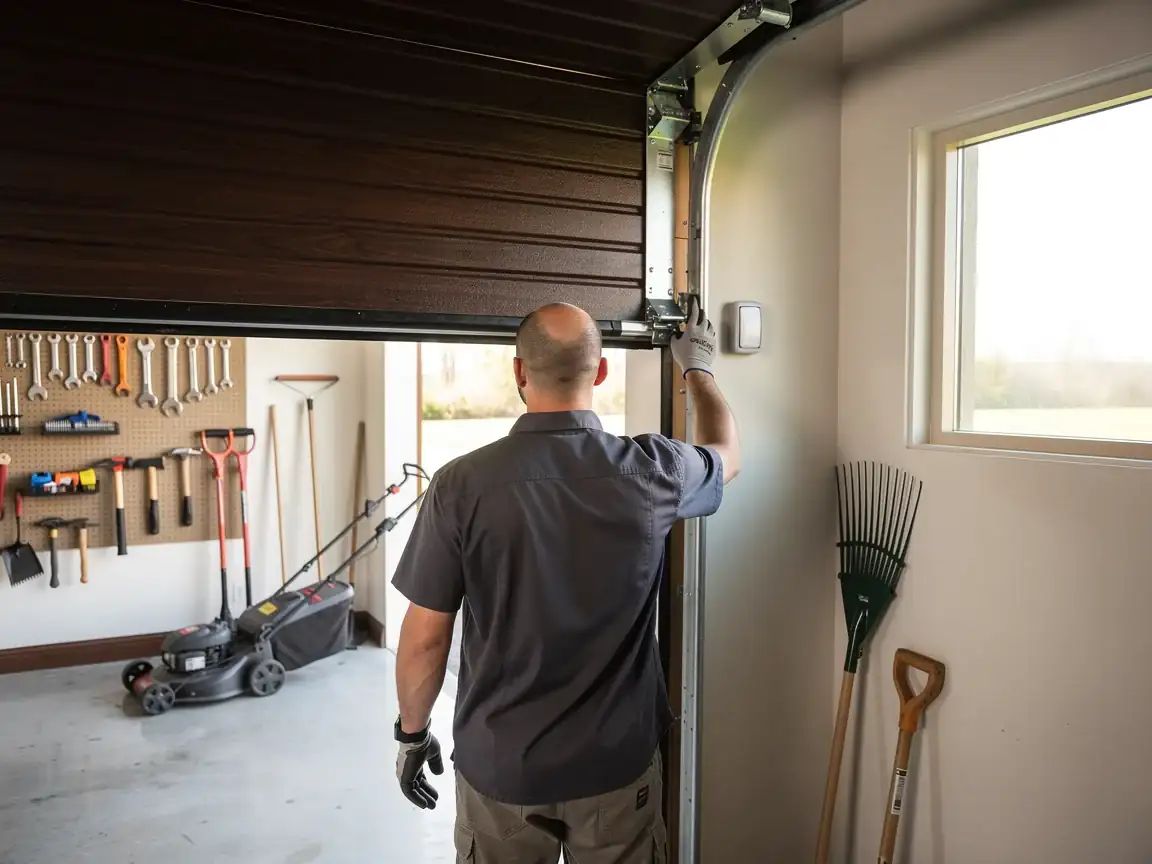
For a town where the median home went up in 1968 - thirteen years earlier than the 1985 median across the rest of our service area - we bring stock sized for older torsion and extension spring setups, not just the current standard sizes. That means a range of roller types, since a lot of these doors were converted from steel ball-bearing rollers to nylon at some point and the brackets don't always match current hardware without an adapter. We carry lubricant rated for the cold-moderate swings this area gets, cable of a few different gauges, and hinge sets in both the older heavy-gauge and current lightweight styles. What we don't carry on a maintenance call is full replacement springs matched to obsolete wind and wire-size combinations - if a 1960s torsion spring is seized or rusted through, that's usually a second trip once we've confirmed the exact spec, because guessing on spring tension is how doors get damaged or people get hurt.
What You Are Seeing
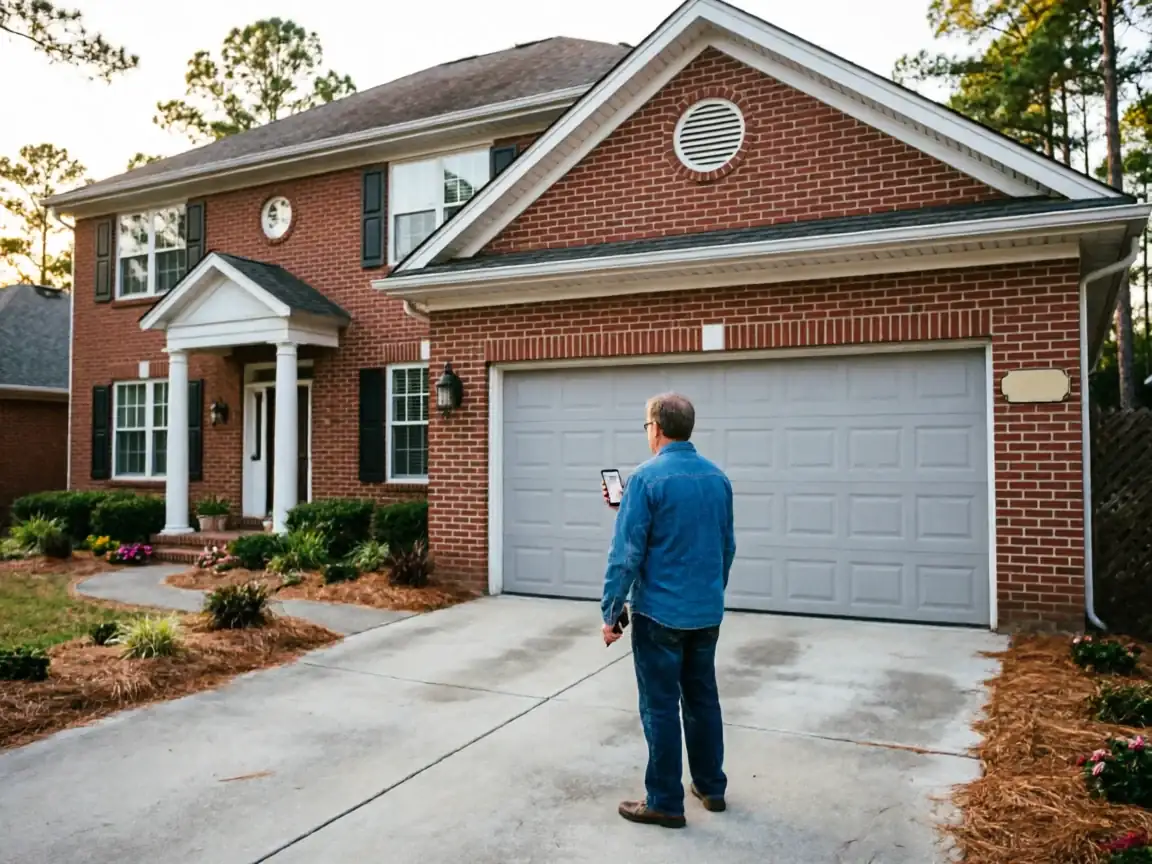
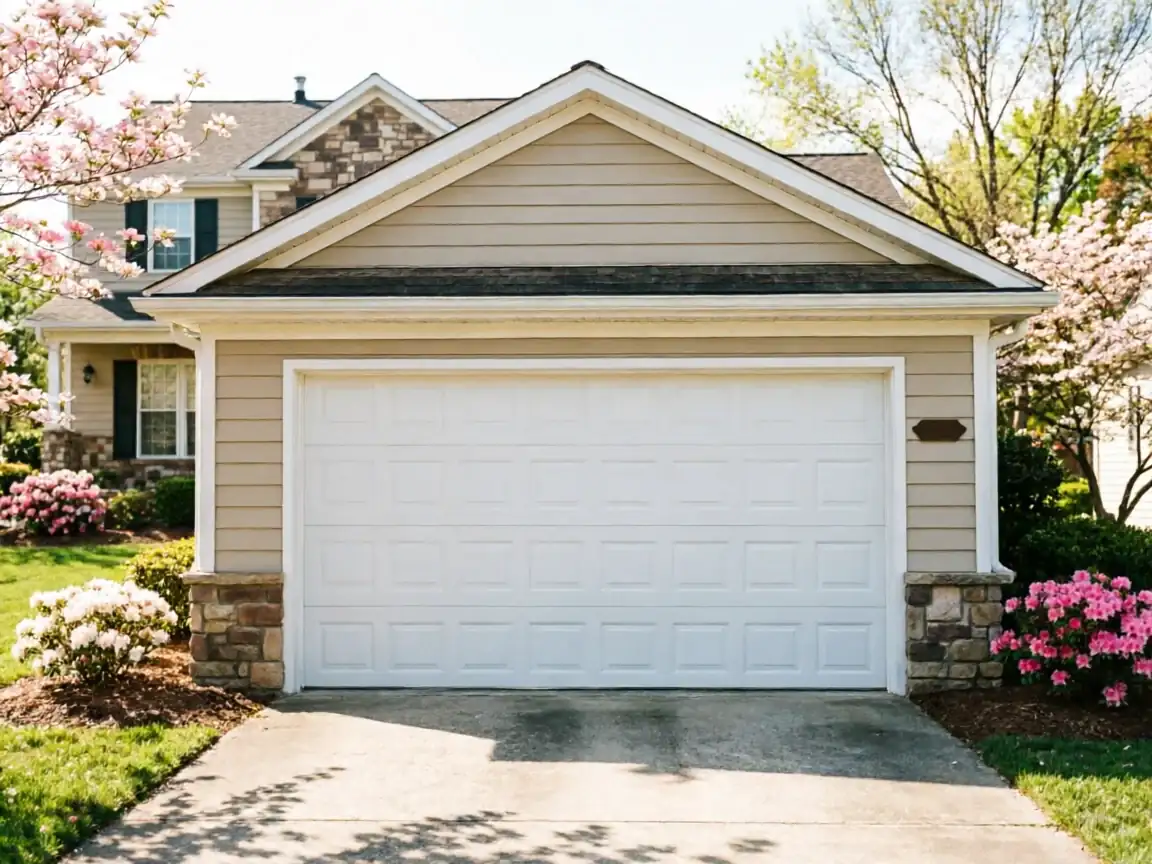
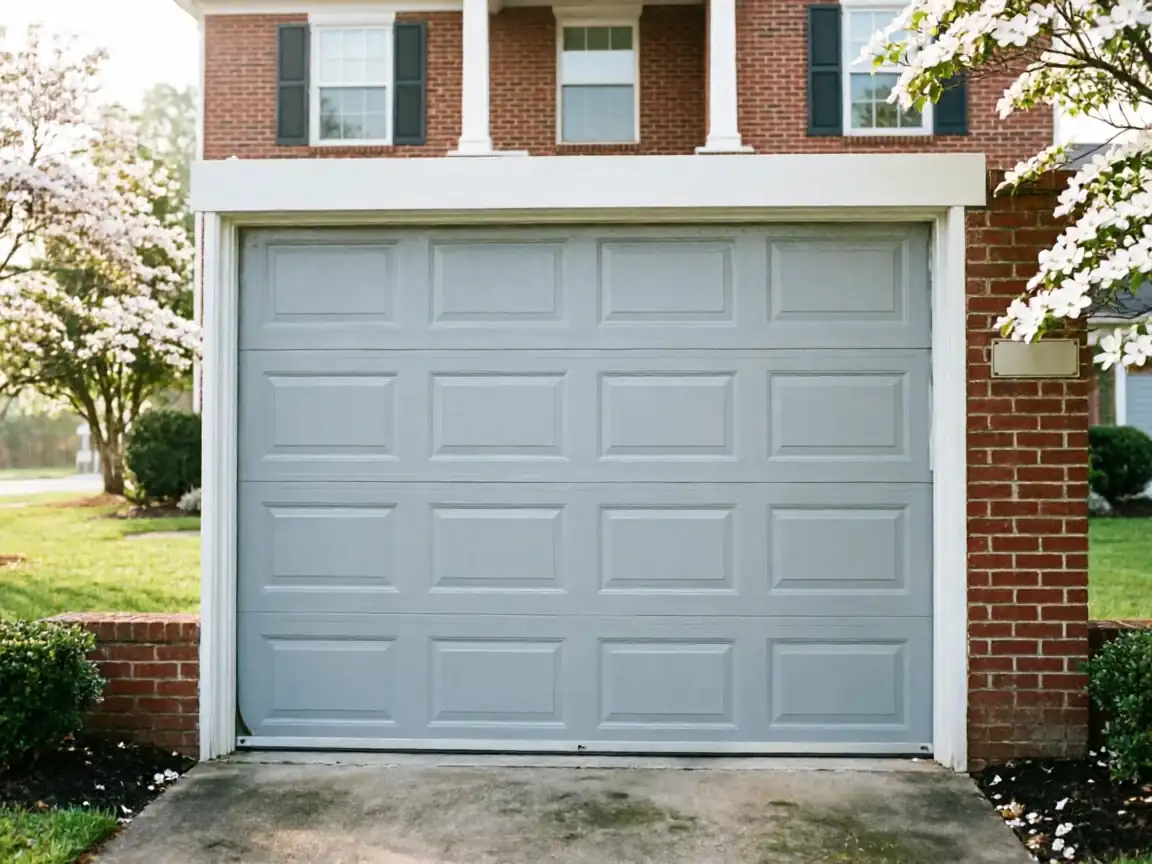
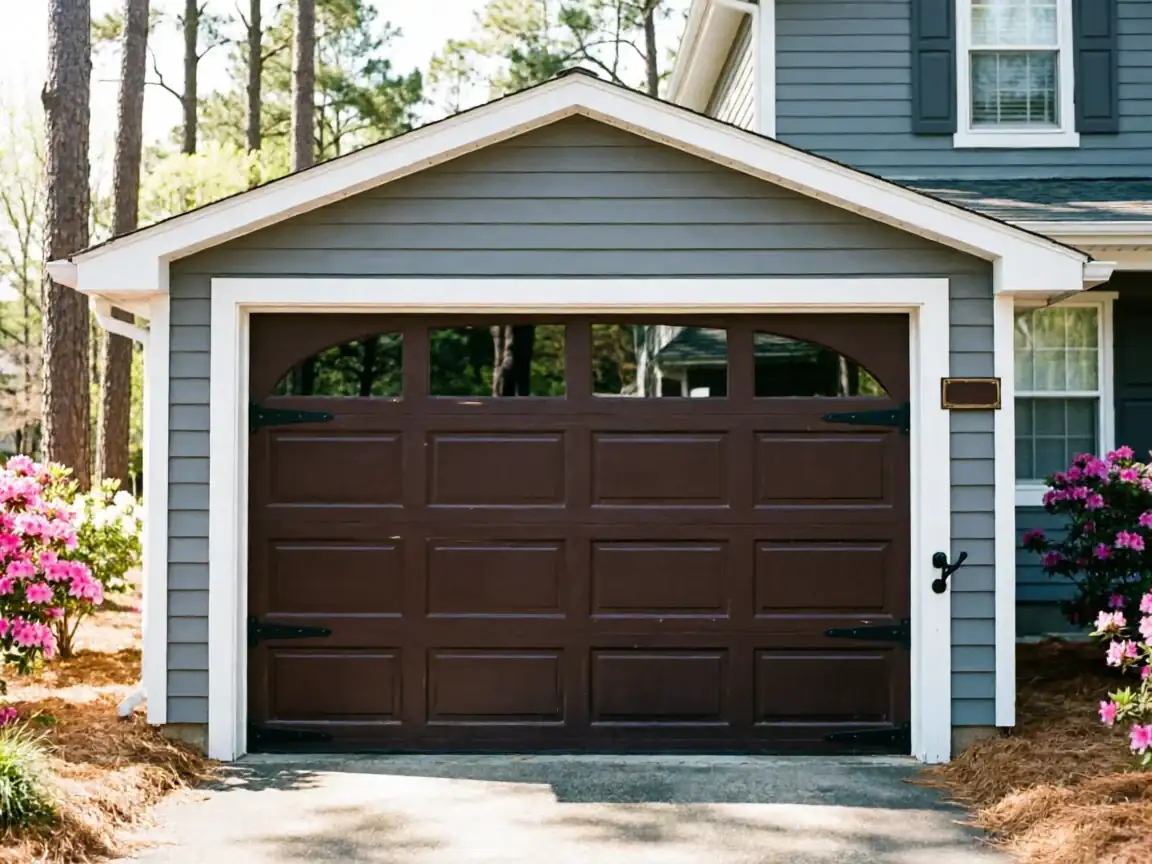
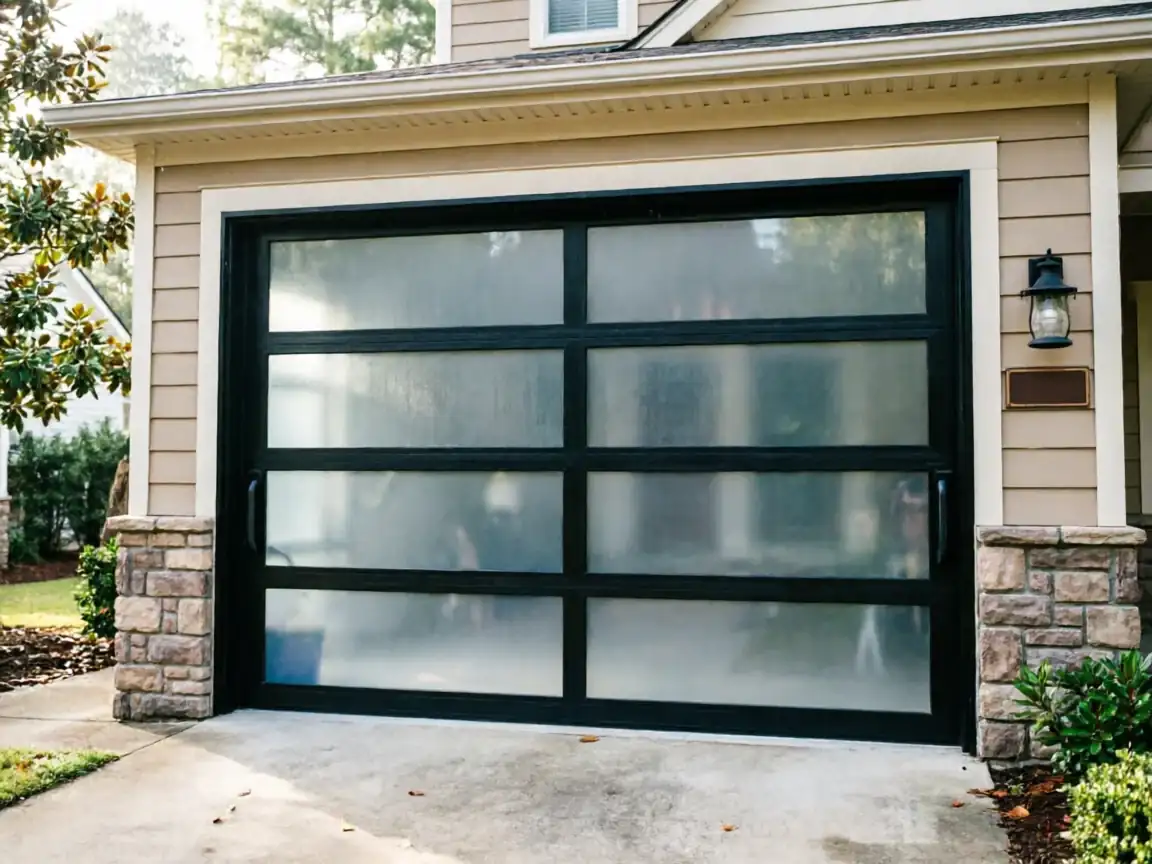
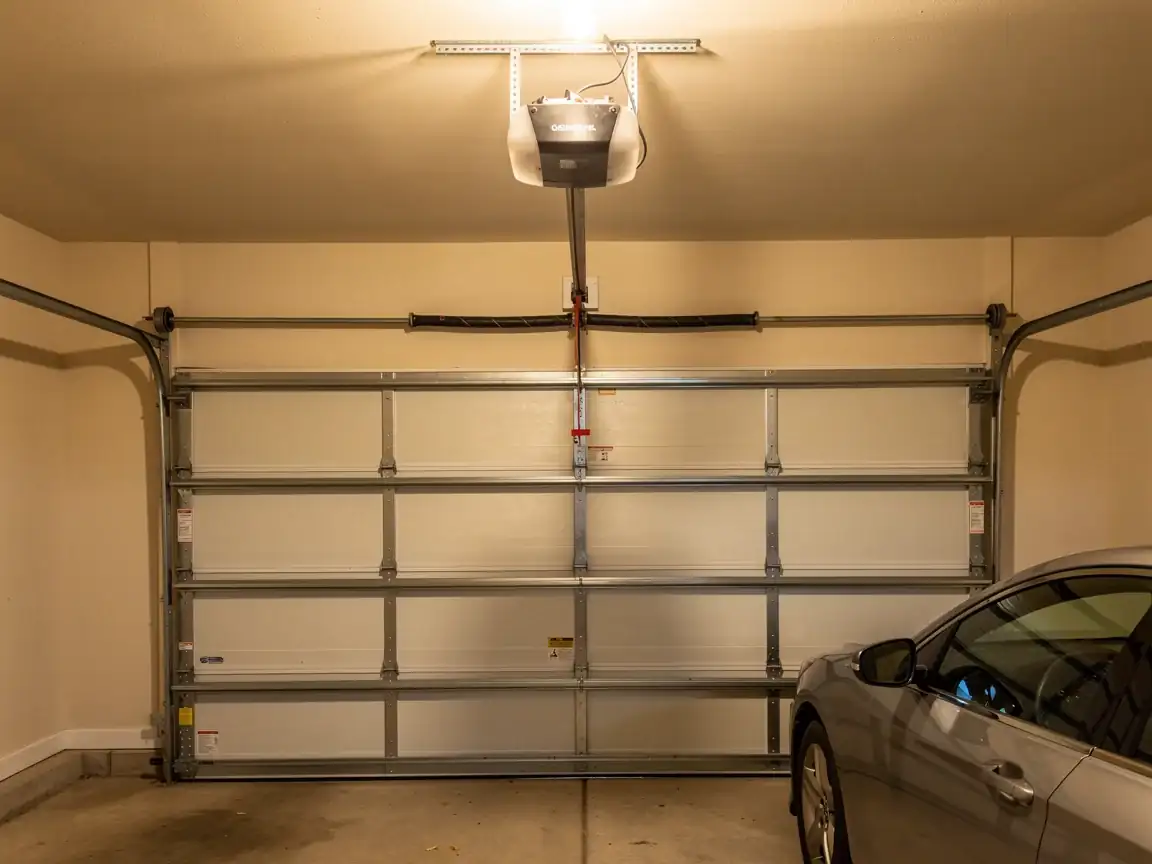
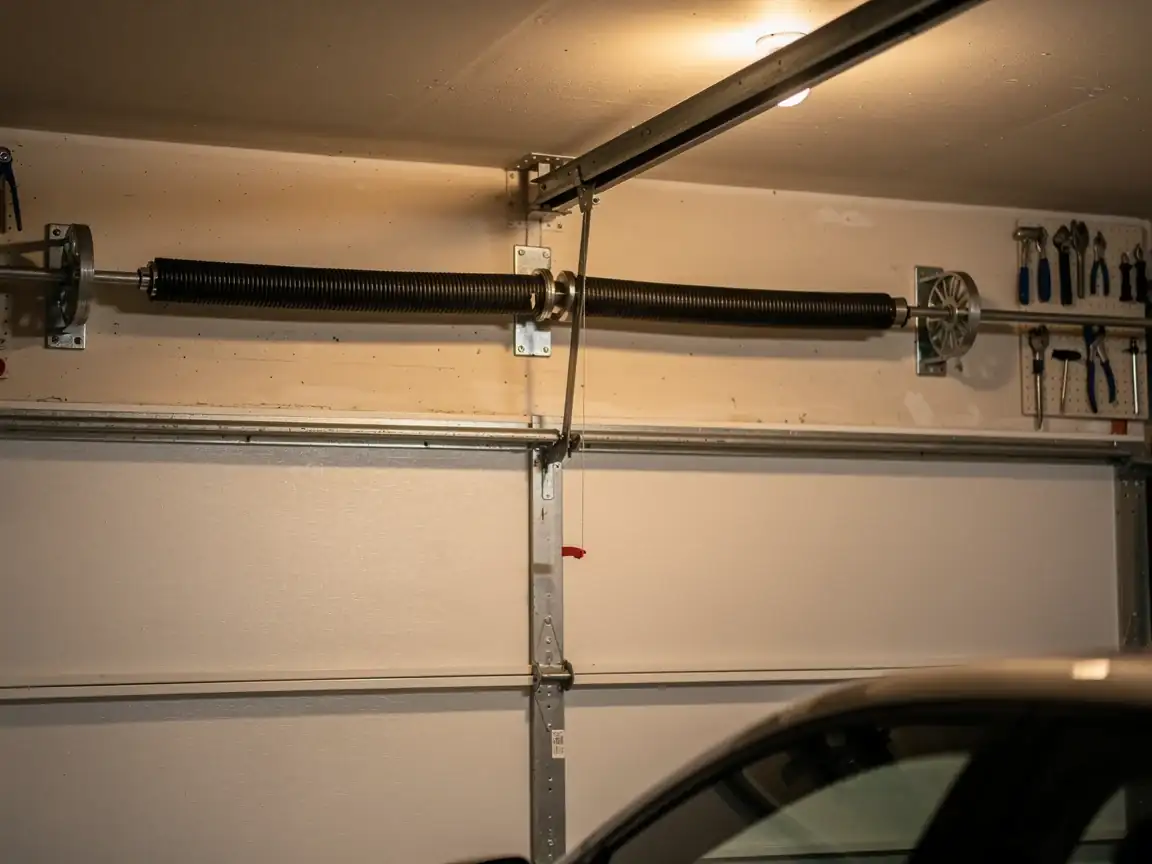
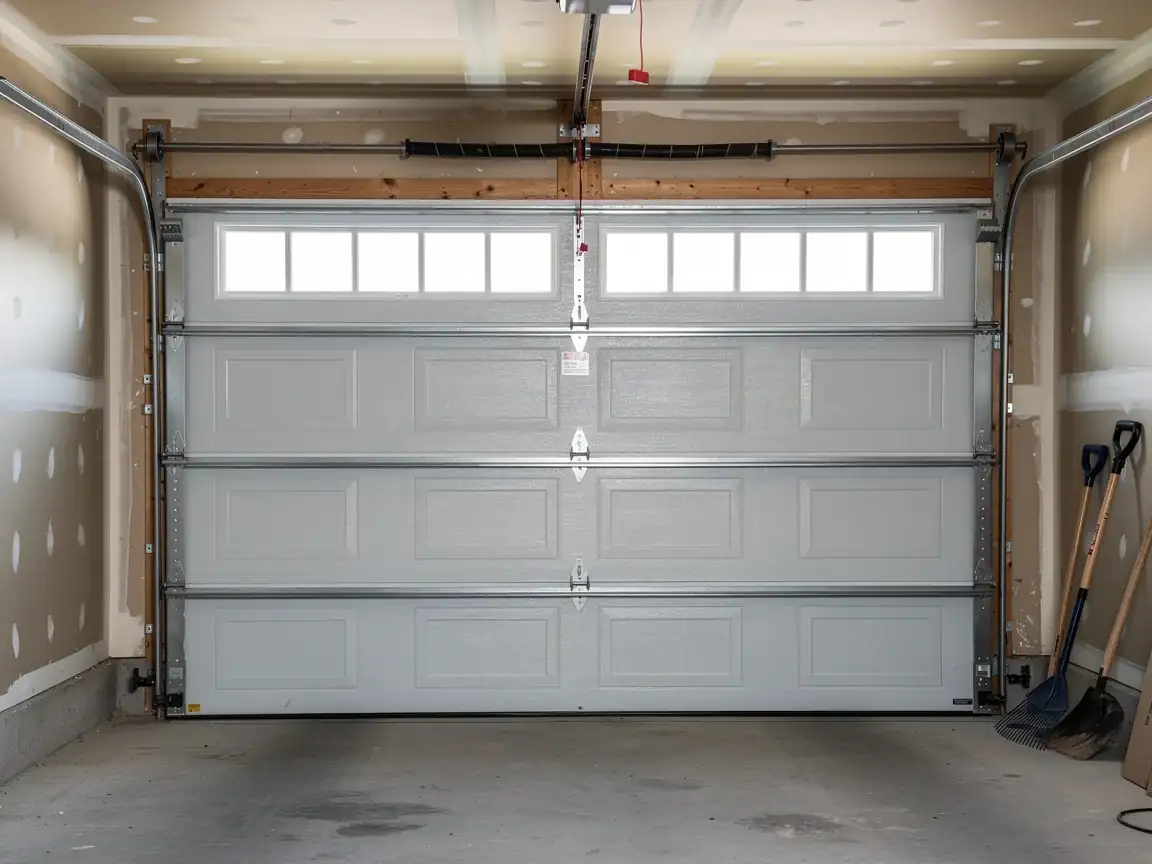
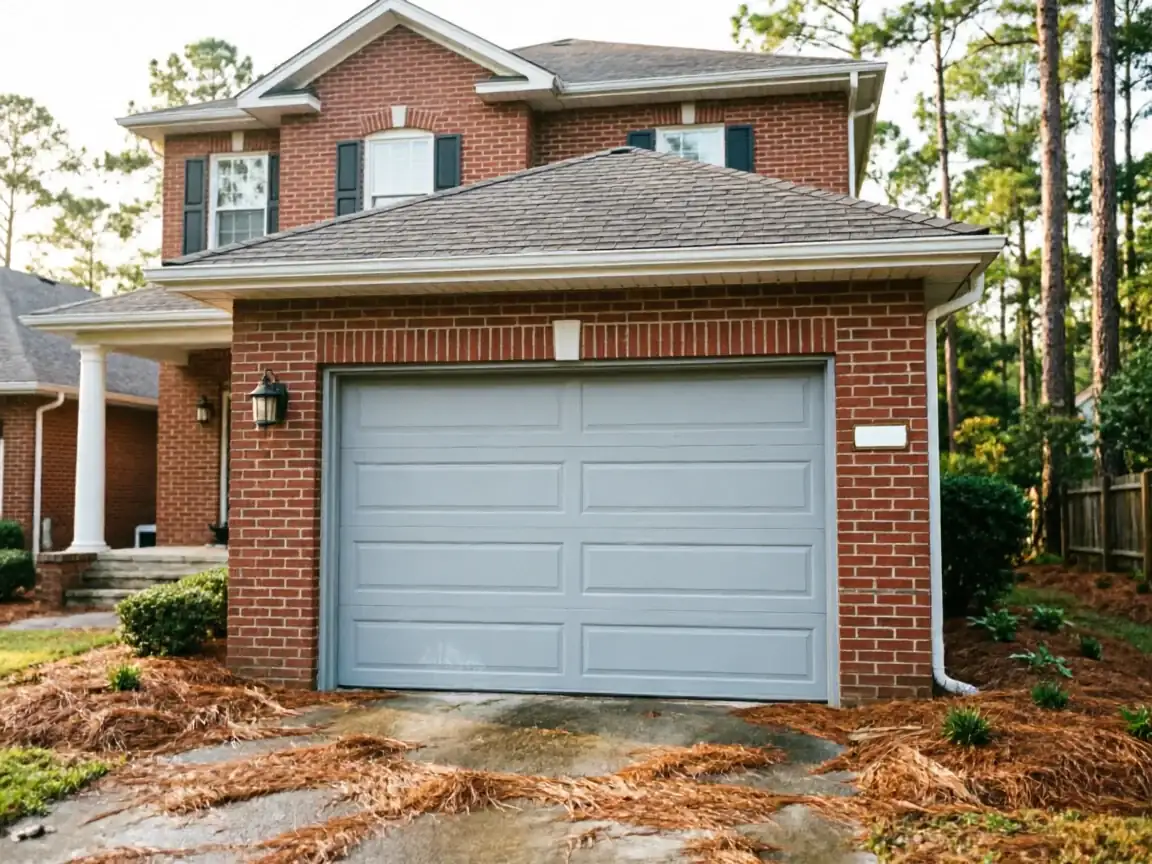
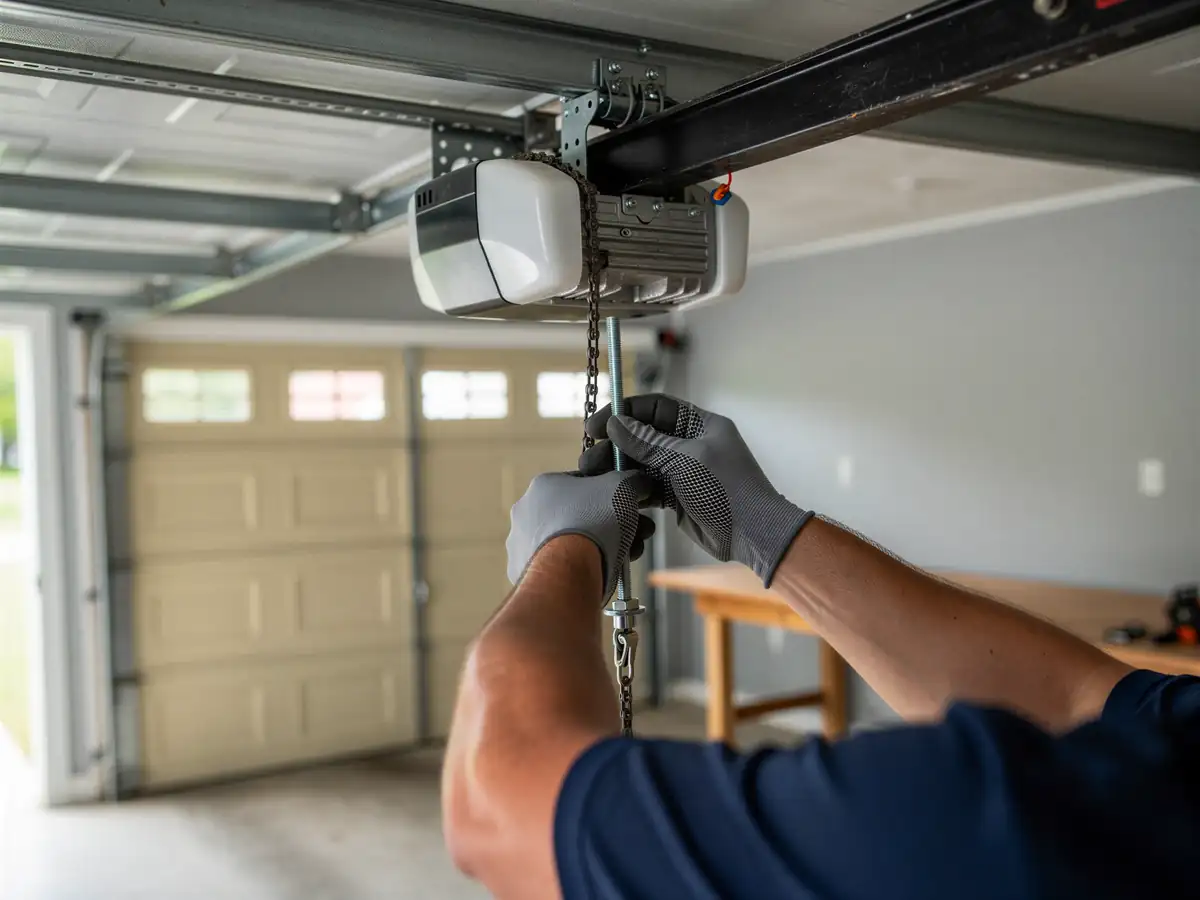
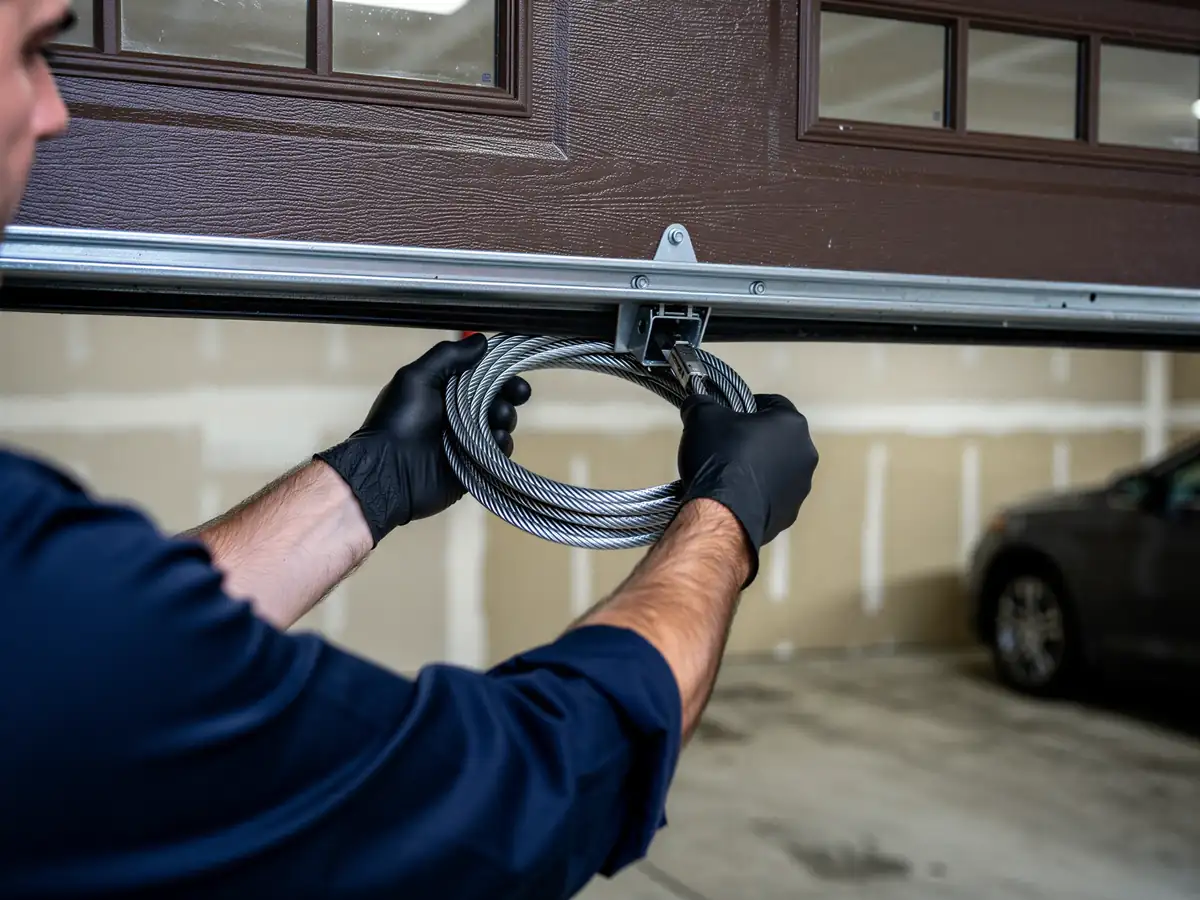
With a median build year of 1968, a lot of Selma's garage doors are carrying original or close-to-original hardware, and the wear shows up in predictable ways: rollers that clatter instead of roll smoothly, a cable with visible rust bloom near the drum, or a door that sags an inch or two at the bottom corners when it's down. You might also notice the opener struggling on the last few inches of travel - that's often a spring that's lost tension over fifty-plus years of cold snaps and humidity swings, not an opener problem at all. A door that reverses on its own partway down, or one where you can hear the motor working harder than it used to, is worth a look before it becomes a stuck door on a Monday morning. None of this is urgent in the sense of an emergency, but it's the kind of wear that gets expensive fast once a cable actually snaps under load.
How We Fix It
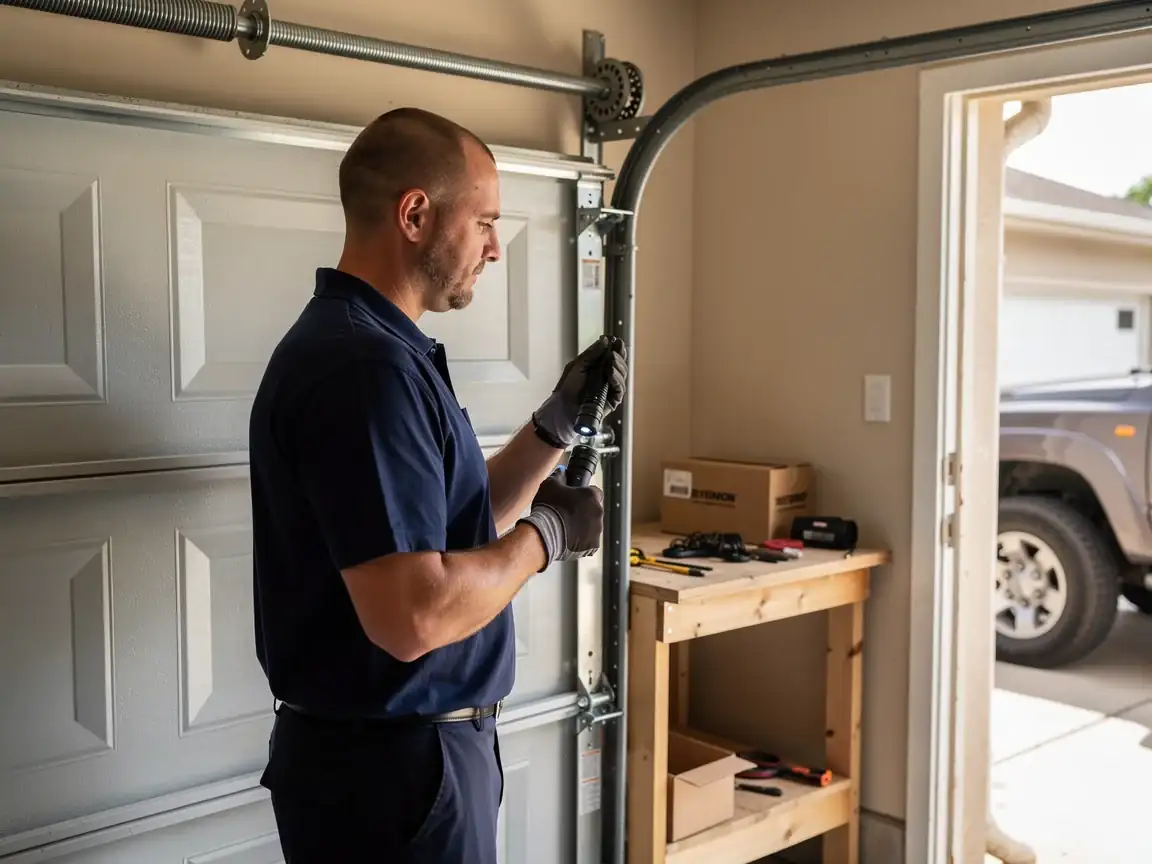
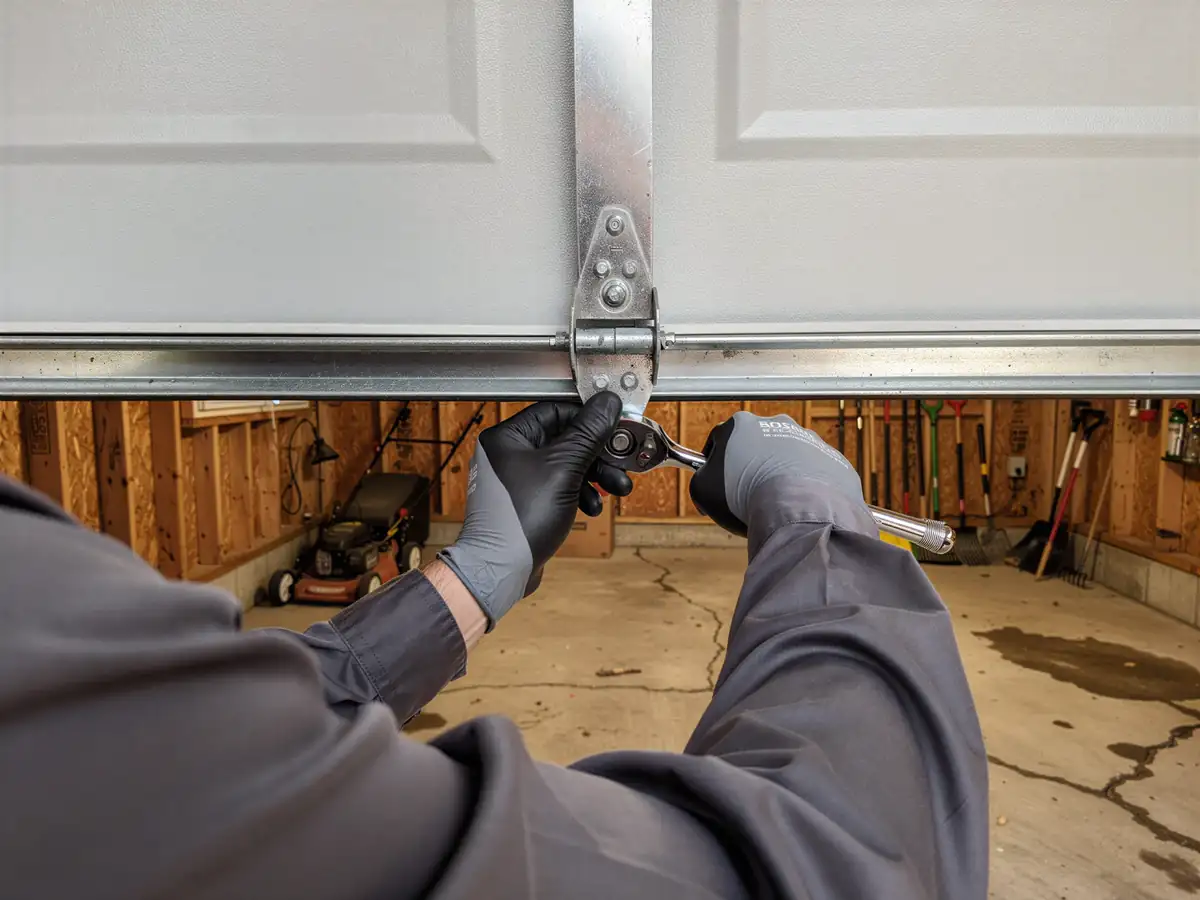
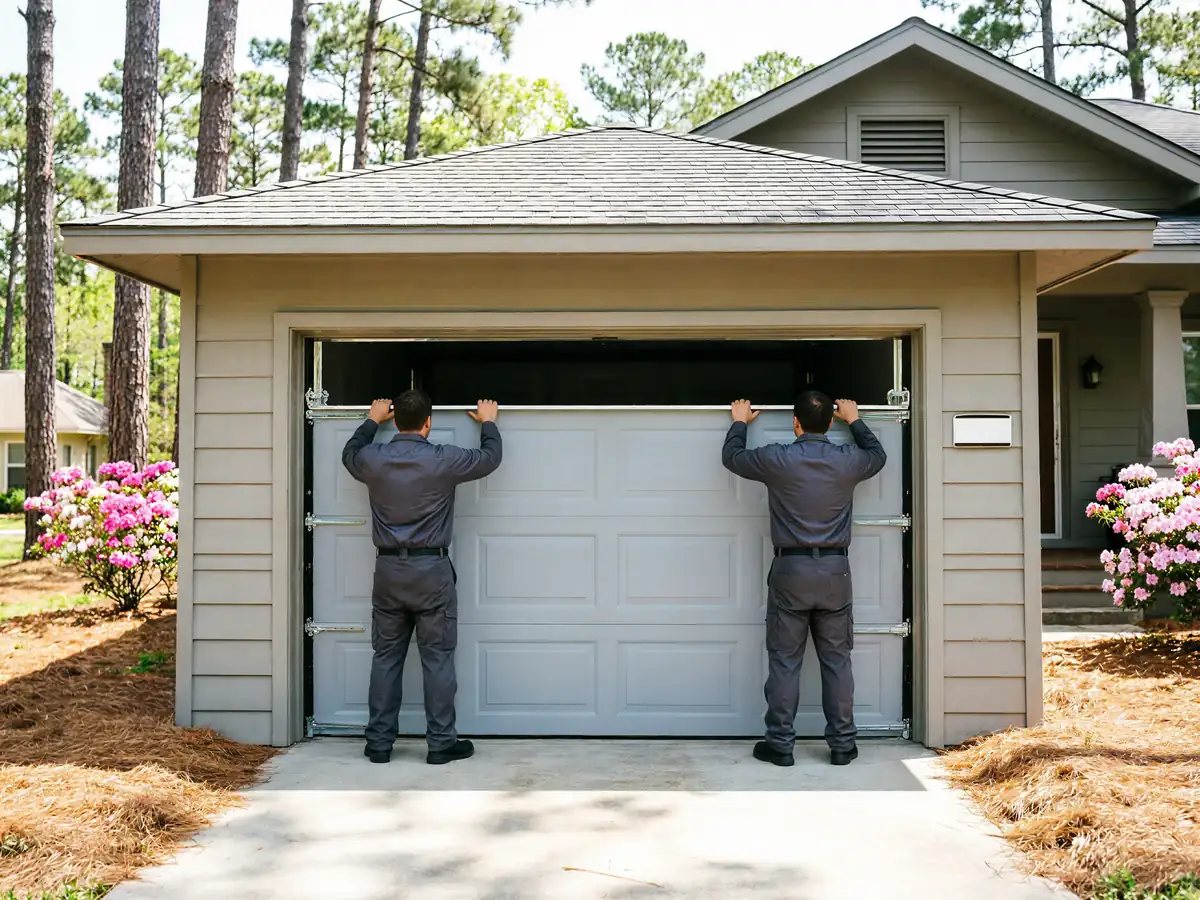
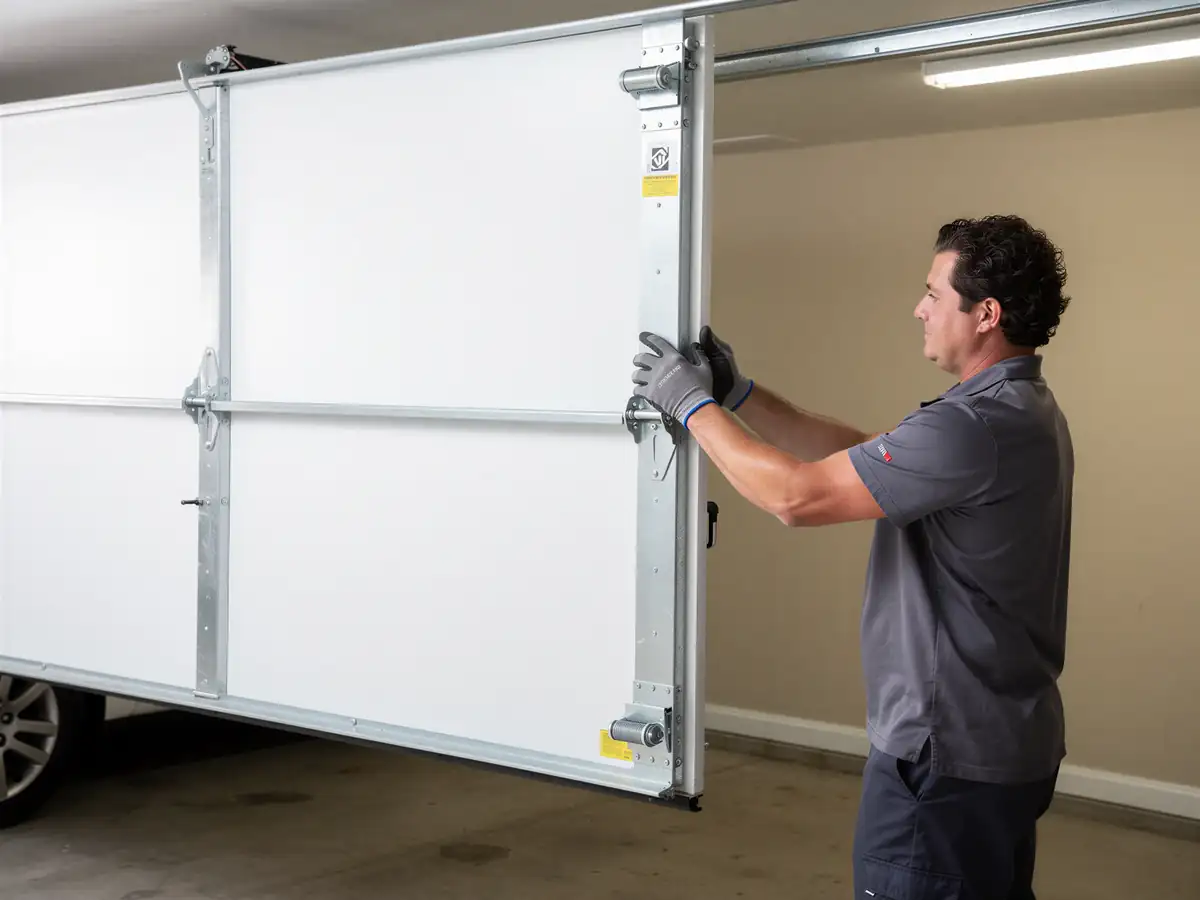
The visit starts with the balance test and a full visual pass - springs, cables, rollers, hinges, the track alignment top to bottom. On a door this age we pay particular attention to the spring winding cones and the cable where it wraps the drum, since that's where fifty years of expansion and contraction tends to show up first as rust or hairline cracks. We lubricate every moving part, tighten what's worked loose, and adjust opener travel limits if the door isn't seating evenly. If a roller or hinge is worn past safe use, we swap it on the spot from stock. If we find something bigger - a spring close to failing, a cable fraying at the drum - we'll tell you straight and quote the repair separately rather than trying to patch it into the maintenance visit, because that's not a fix, it's a delay.
The Complications
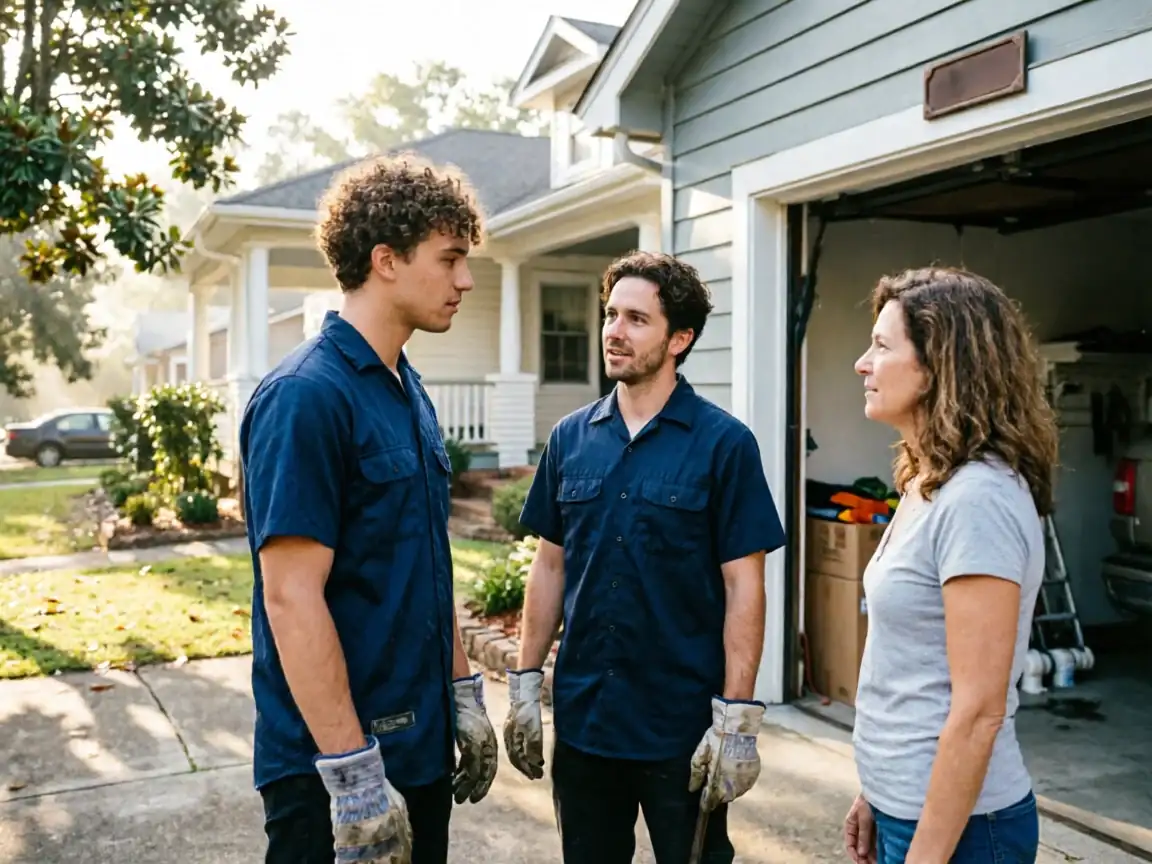
Here's the honest part: with roughly 2,693 households in Selma and a median income of $37,440, well under the $55,051 median across our wider service area, a lot of owners want to stretch a maintenance visit into a substitute for a repair they can't quite afford yet. We'll tell you when that's reasonable and when it isn't. A worn roller can wait. A cable with rust at the drum cannot - it's a matter of when, not if, and when it goes it can take the bottom panel with it. The other complication is parts: a door built around 1968 sometimes used spring wind and wire sizes that aren't stocked anywhere local anymore, which means a maintenance call can turn into an order-and-return trip if the original hardware is failing rather than just worn. We'd rather tell you that up front than pretend we can fix fifty-year-old steel with what's on the truck.