How Long You Are Without the Door
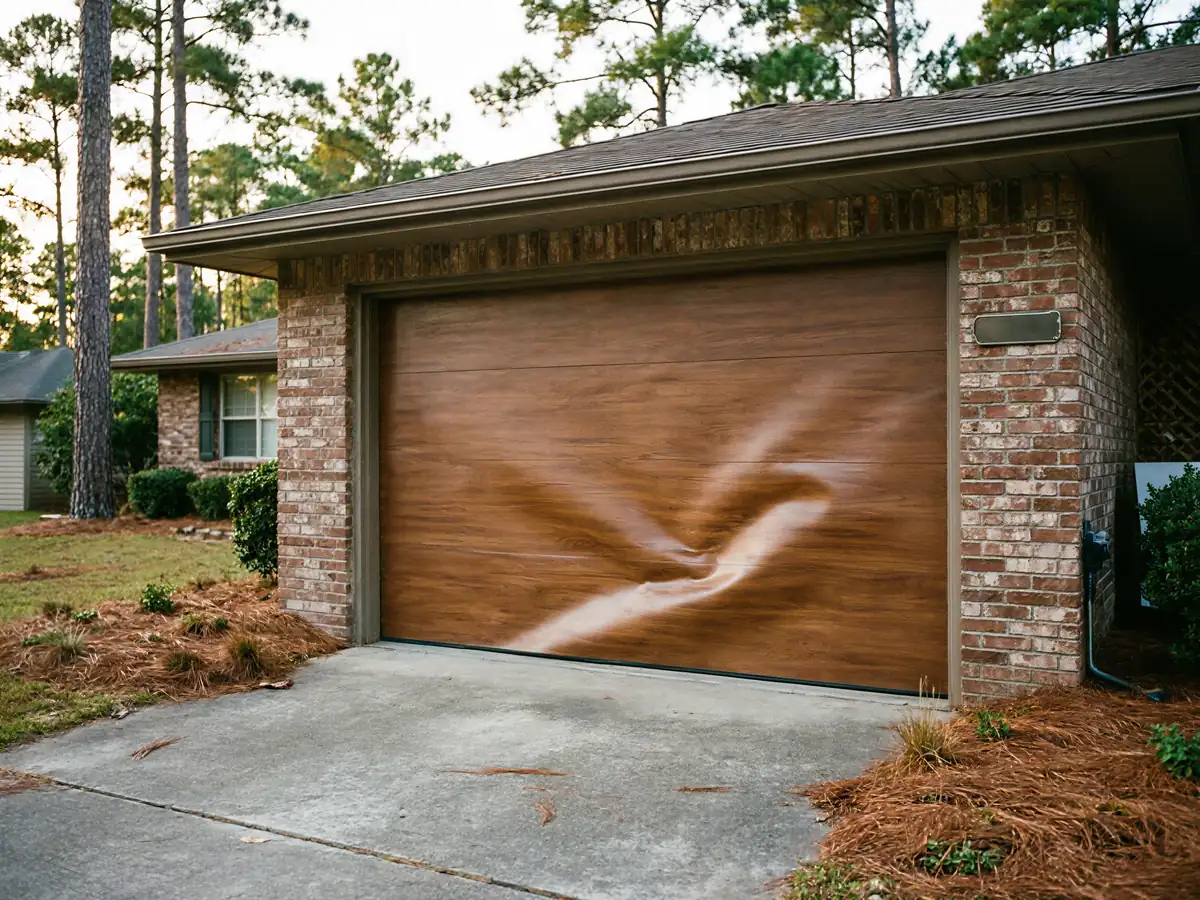
A snapped lift cable on a double door usually means the door won't move at all
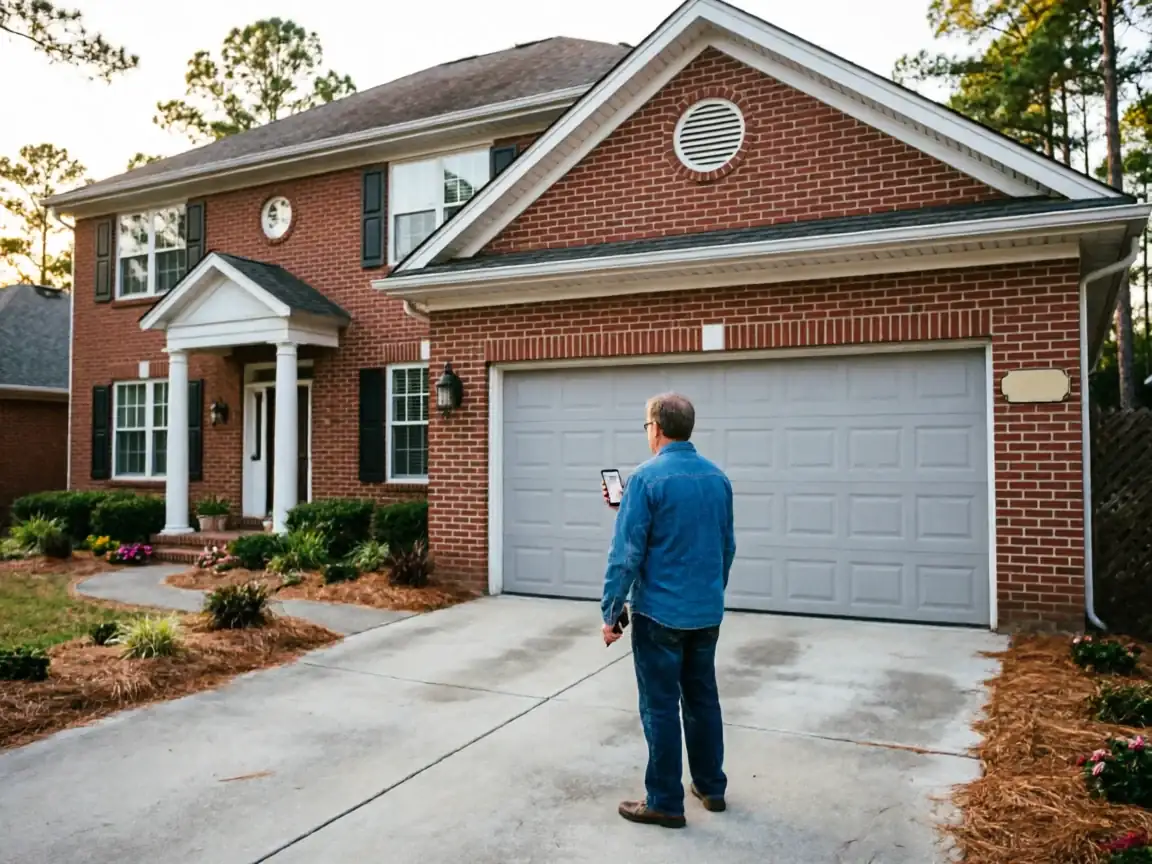
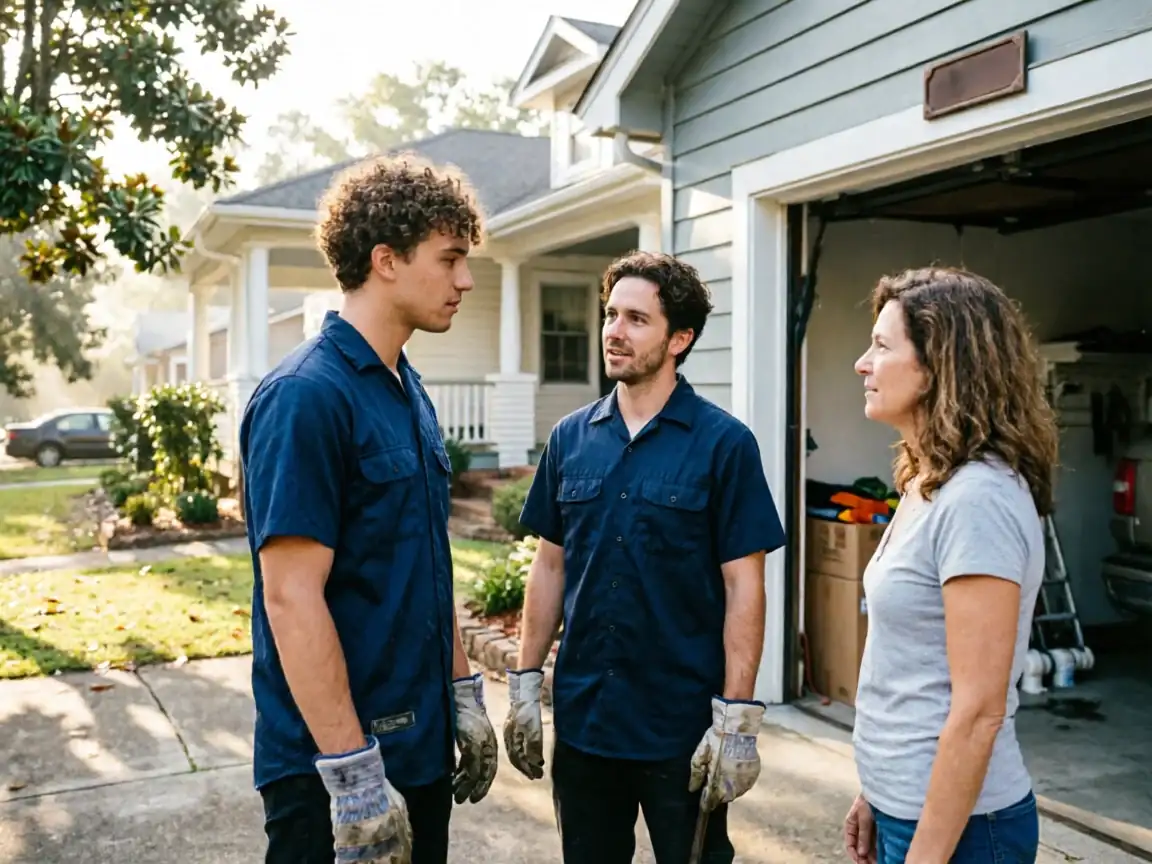
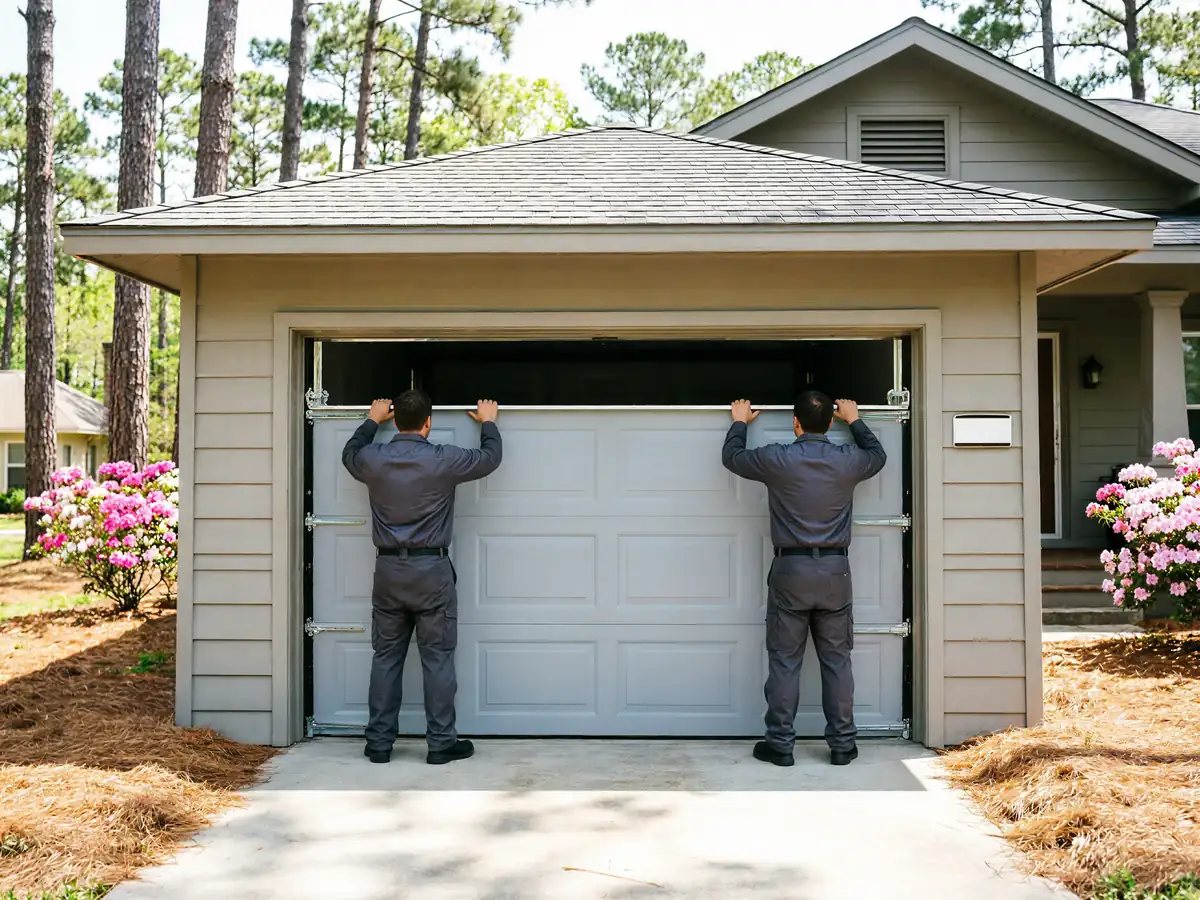
Or it drops crooked and jams in the track about a foot up. That's the most common call we get from Wendell, and it's worth saying up front: we're driving out from Clayton, about nine miles away, so we're not sitting around the corner. We don't quote a response time here because we haven't set one for this area specifically - we'll give you a window when you call, based on where the truck is that day.
What we can tell you is that a broken cable on its own isn't usually an emergency in the structural sense
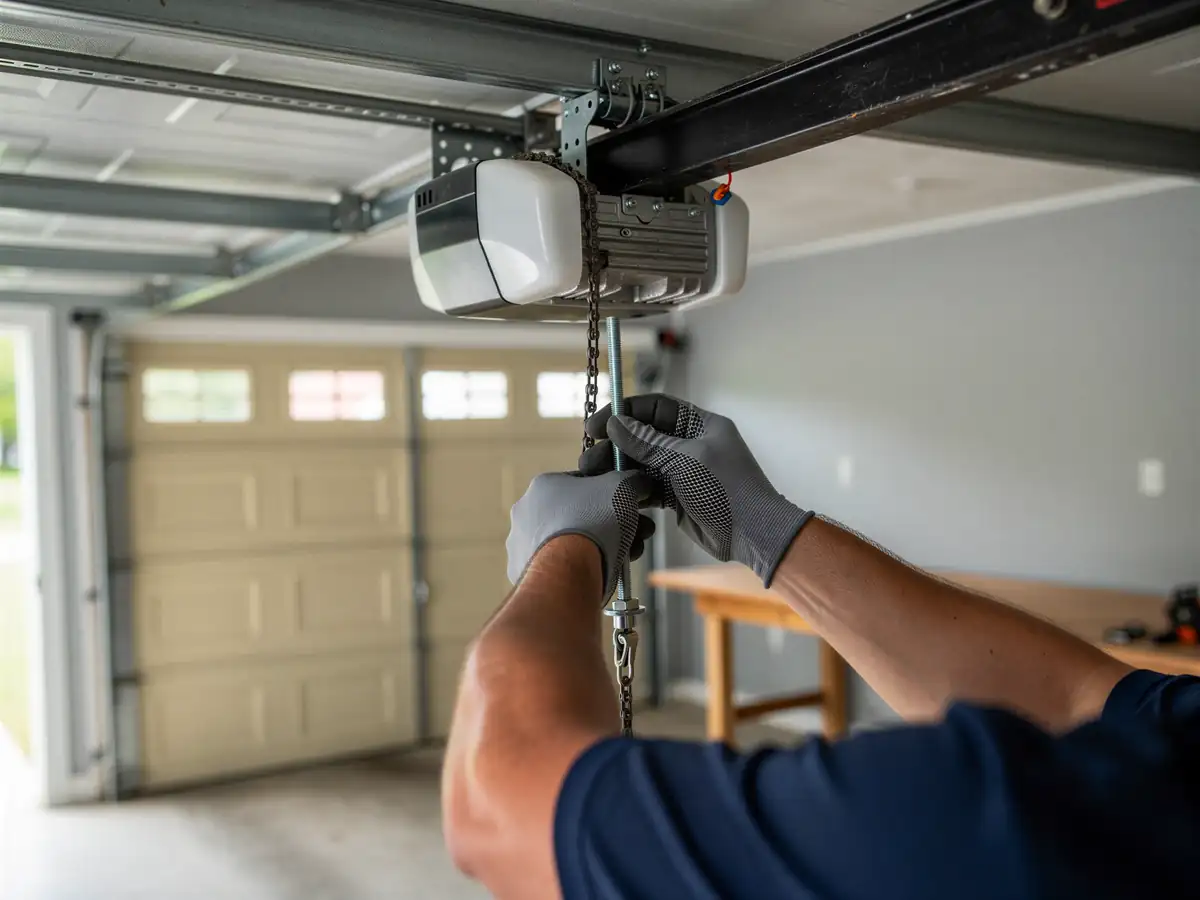
The door isn't going anywhere on its own, and in most cases you can safely leave the car in the driveway for a day without the garage becoming a security problem, as long as the door is down and the opener is unplugged. The bigger issue is a cable that's frayed but hasn't broken yet - that one can let go with no warning, often while the door is in motion, and that's the call that should jump the queue.
Can You Do This Yourself
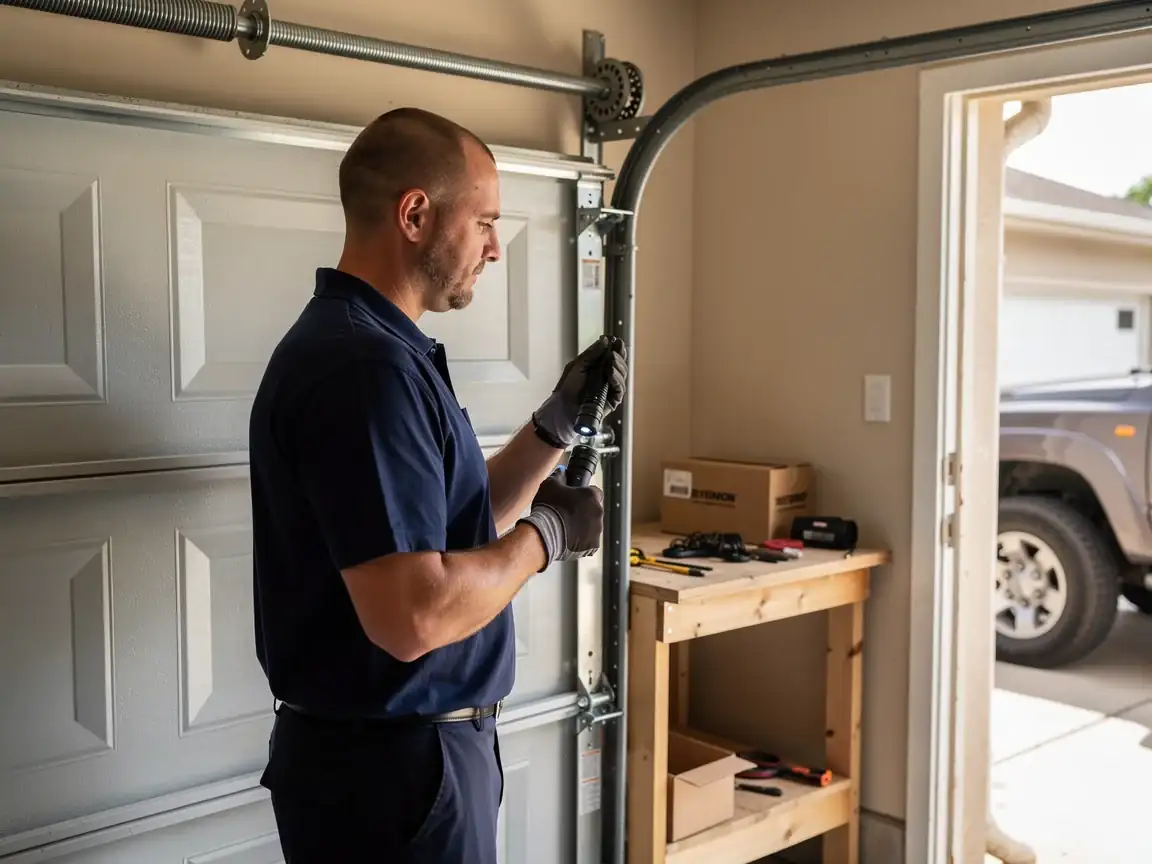
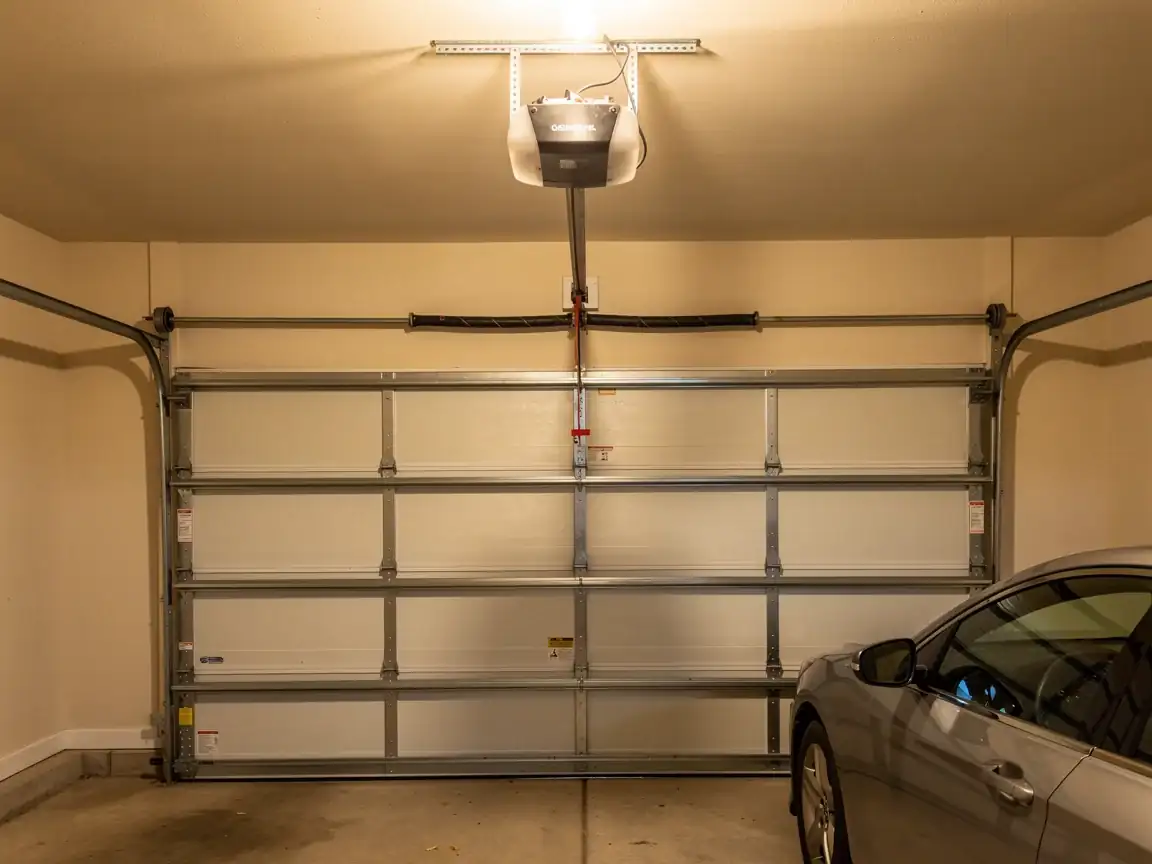
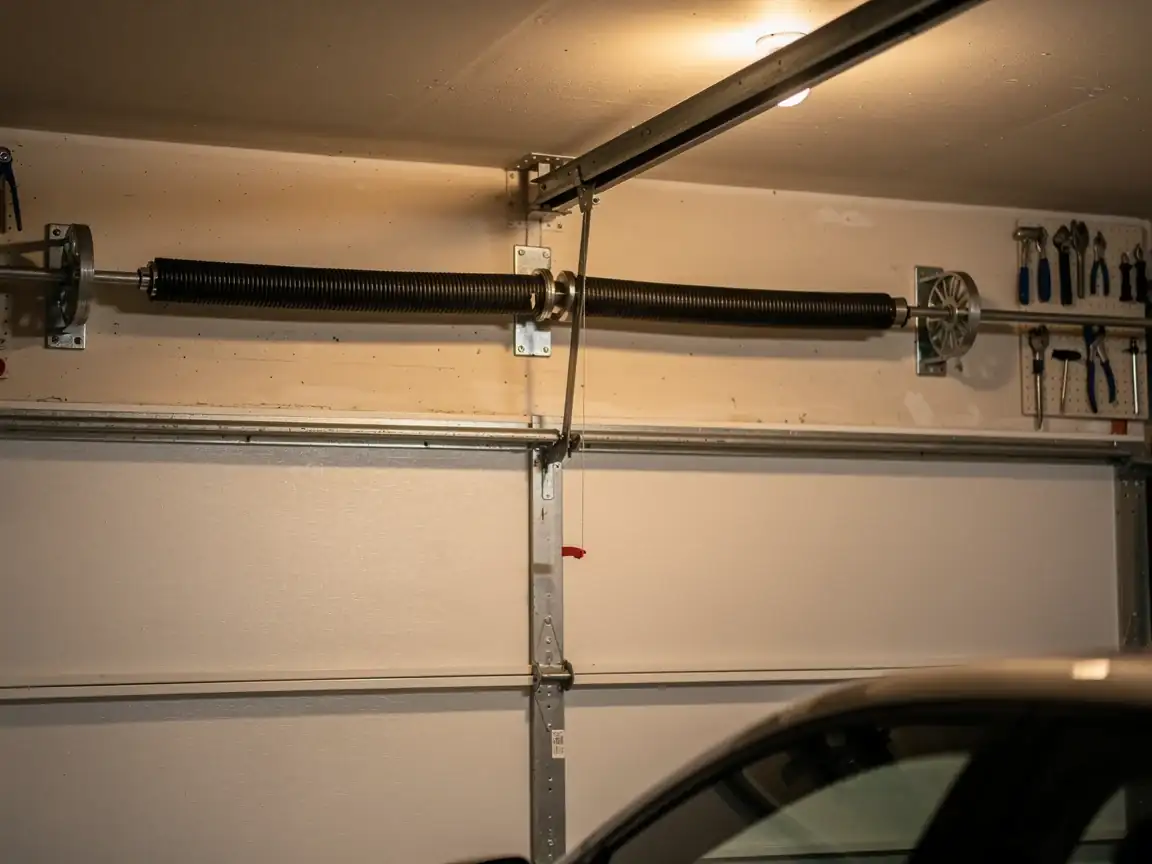
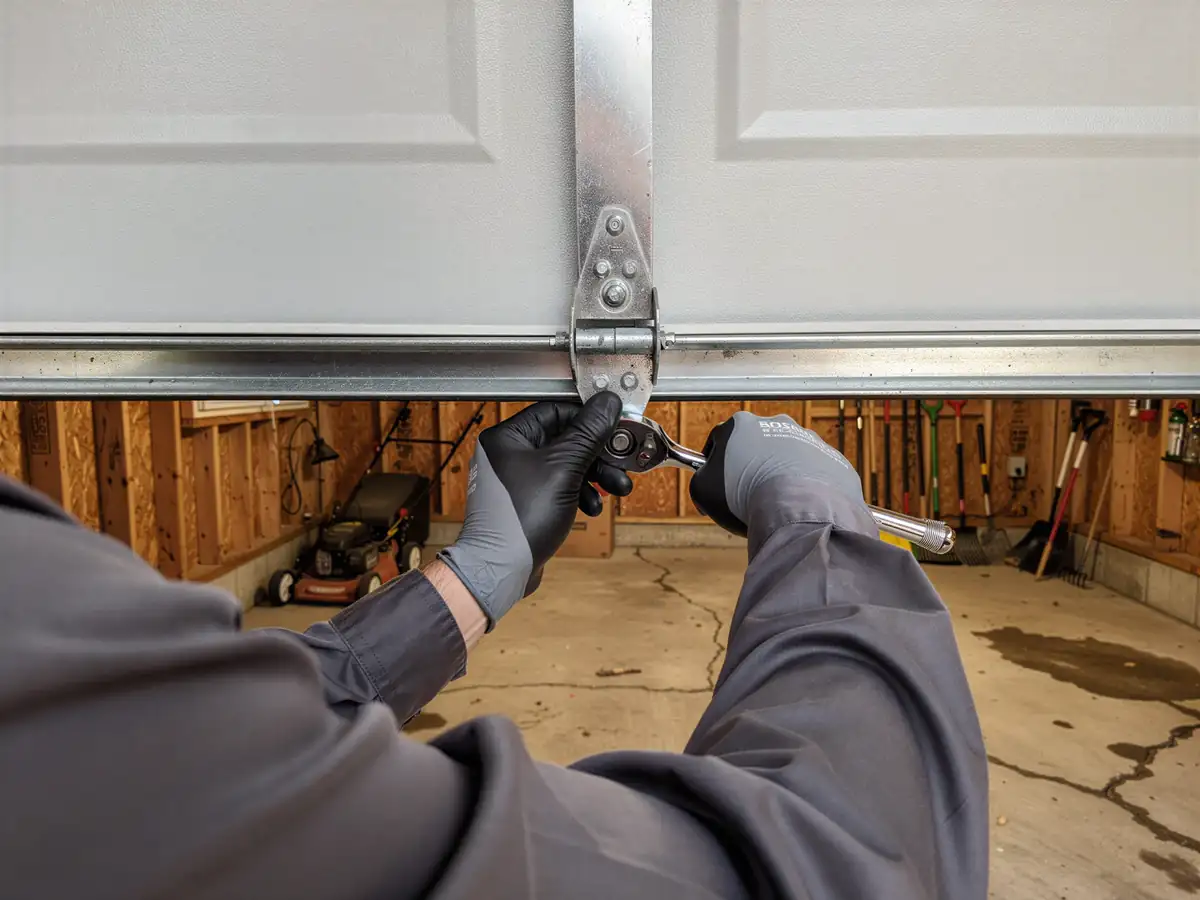
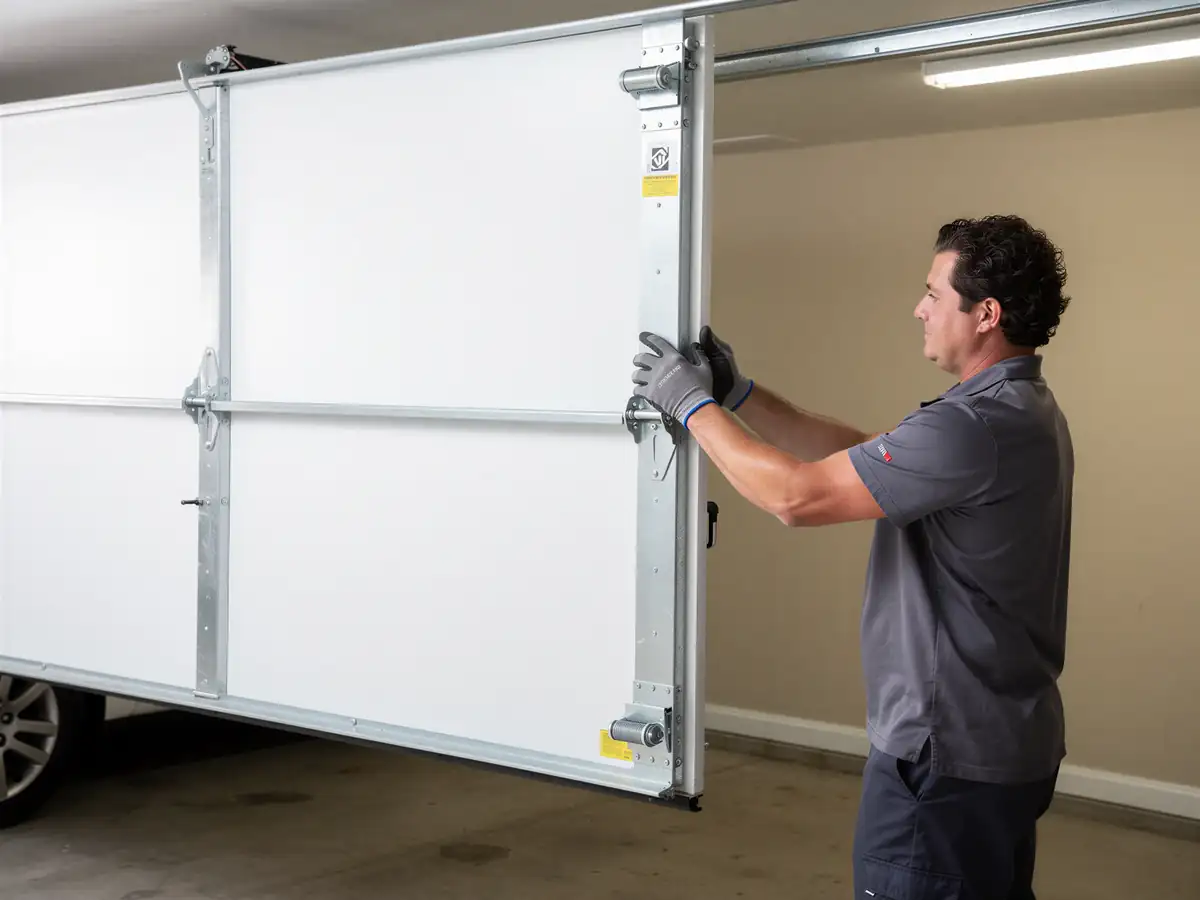
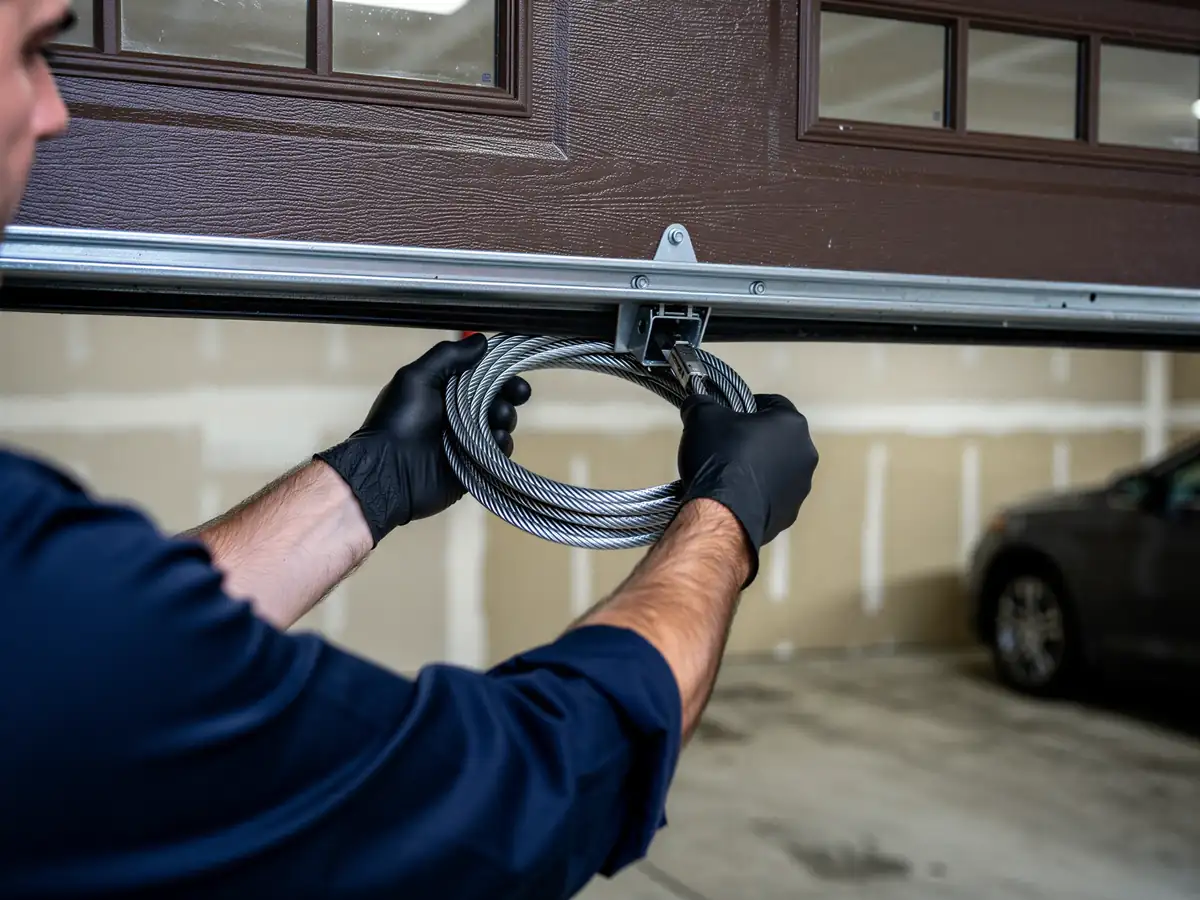
You can inspect a cable yourself - look for rust bloom, a kink where strands are separated like a broken wire whisk, or a frayed end near the bottom bracket. What you shouldn't do is touch it under tension. A garage door cable on a torsion system is holding back the stored energy of a wound spring, and on a standard residential double door that's enough force to break fingers or put a loop of cable through skin.
At Wendell's income level - median household income here runs $93,848, well above the $55,051 median across the rest of our service area - we see more owners who'd rather pay once to have it done right than spend a weekend learning on a system that can hurt them. That's a reasonable call. If you do want to do anything yourself before we arrive, the safe version is: unplug the opener, don't force the door, and don't cut or pull on the cable to free it. Everything past that point needs a winding bar and a second set of hands.
What Is on the Truck
For a cable job we're carrying galvanized lift cable in the common gauges, replacement bottom brackets (the fitting most cables shear against when they go), drums for both standard and high-cycle torsion setups, and the winding bars and vise grips to unload the spring safely before anyone touches the cable itself.
Because houses in Wendell run newer - median year built is around 2005, against a 1985 median for the wider service area - we're also carrying hardware sized for factory torsion systems rather than the older extension-spring setups common on much older stock. That matters because the drum and cable combination on a 2005-era door isn't interchangeable with what you'd find on a house from the 1970s or 80s; the diameter and the winding cone differ enough that showing up with the wrong size means a second trip. One limitation worth being honest about: if a drum is cracked or a shaft is bent along with the cable, that's not a same-visit cable swap anymore, and we'll tell you that before we start rather than after.
Why This Fails Locally
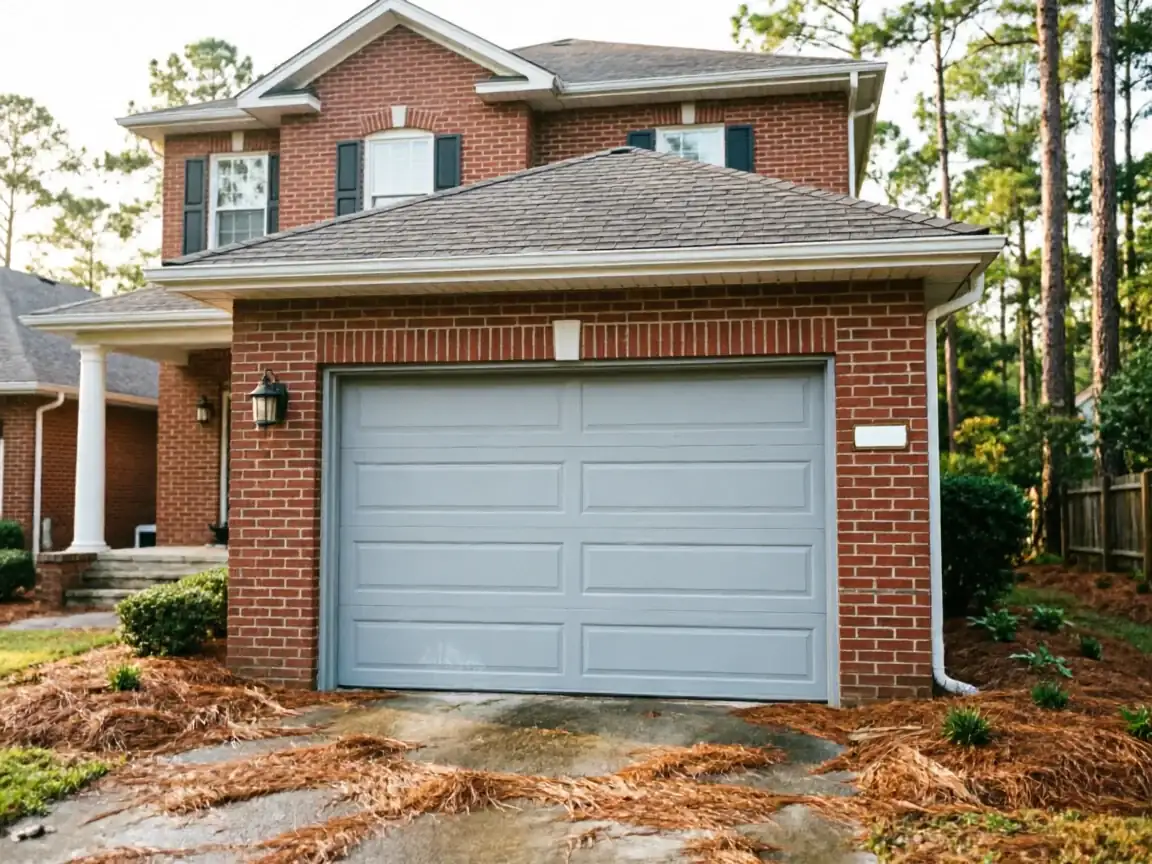
A house built around 2005 is old enough now that its original garage door hardware is reaching the point where cables give out from fatigue rather than from an obvious mistake
Cable doesn't usually snap because someone hit it with a car bumper - it snaps because twenty years of daily winding and unwinding has worked the galvanized coating off at the drum, and rust gets into the strands from there.
eight miles north, six miles east, are both part of that same newer growth wave
So the same aging pattern applies: factory-grade cable on a door that's seeing its first real hardware failure now, often alongside a spring that's also near the end of its rated cycle count. Climate plays a smaller role here than cold-weather towns further north, but this area still sits in a cold-moderate band, and the handful of freeze-thaw days each winter stiffen a worn cable right before it lets go - which is why a lot of these calls land in the colder months rather than summer.
How We Fix It
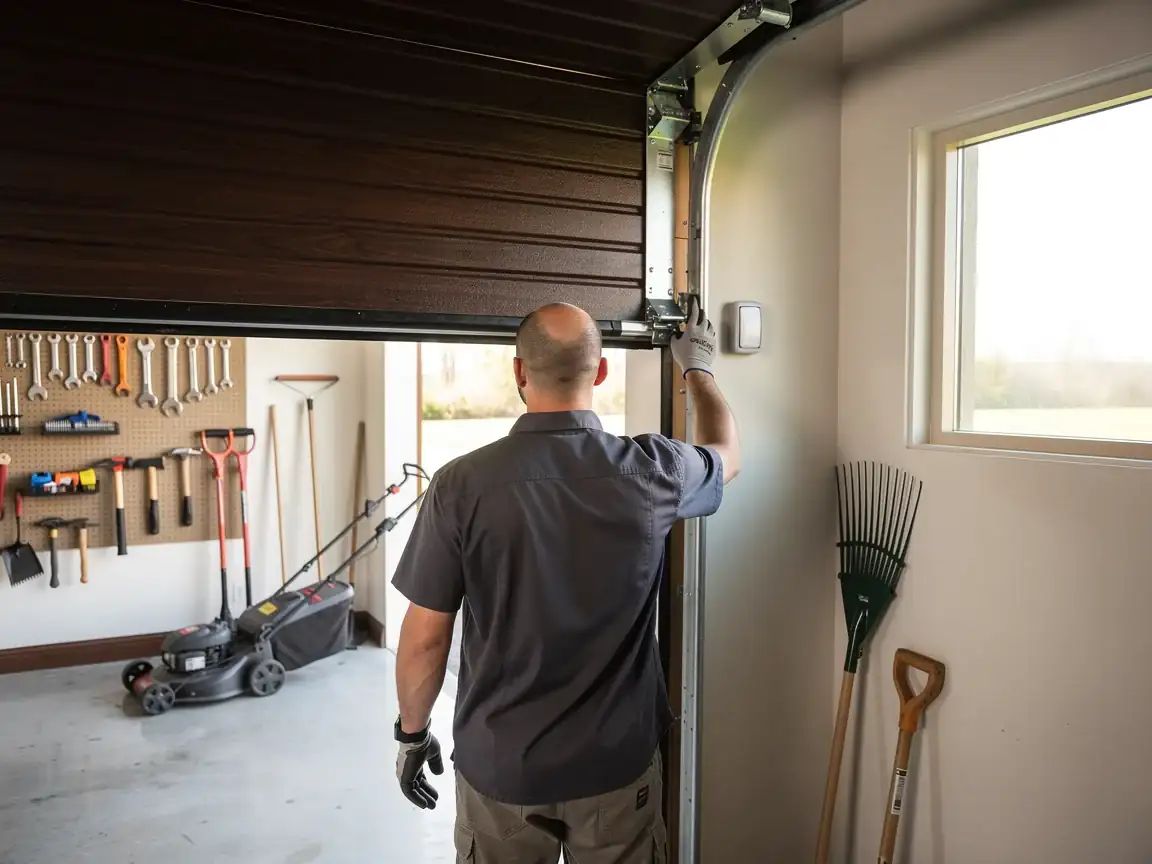
We unload the spring tension with winding bars first, every time, regardless of how simple the job looks. Then we pull both cables, not just the broken one - if one side gave out from age, the other side is on the same clock, and replacing just one means a second failure and a second bent track in a few months.
We check the drum and the bottom bracket while the cable's off, since that's the only time they're easy to inspect. If the drum shows a crack or the bracket is torn at the mounting hole, we'll say so and quote the extra part rather than bolt new cable to a bracket that's already failing. Once both cables are on, we rewind the spring to the door manufacturer's turn count, run the door through a full open-close cycle by hand before touching the opener, and check that it holds balance at the halfway point - a door that won't sit still halfway up has a spring problem, not a cable problem, and that's a different conversation.
What You Are Seeing
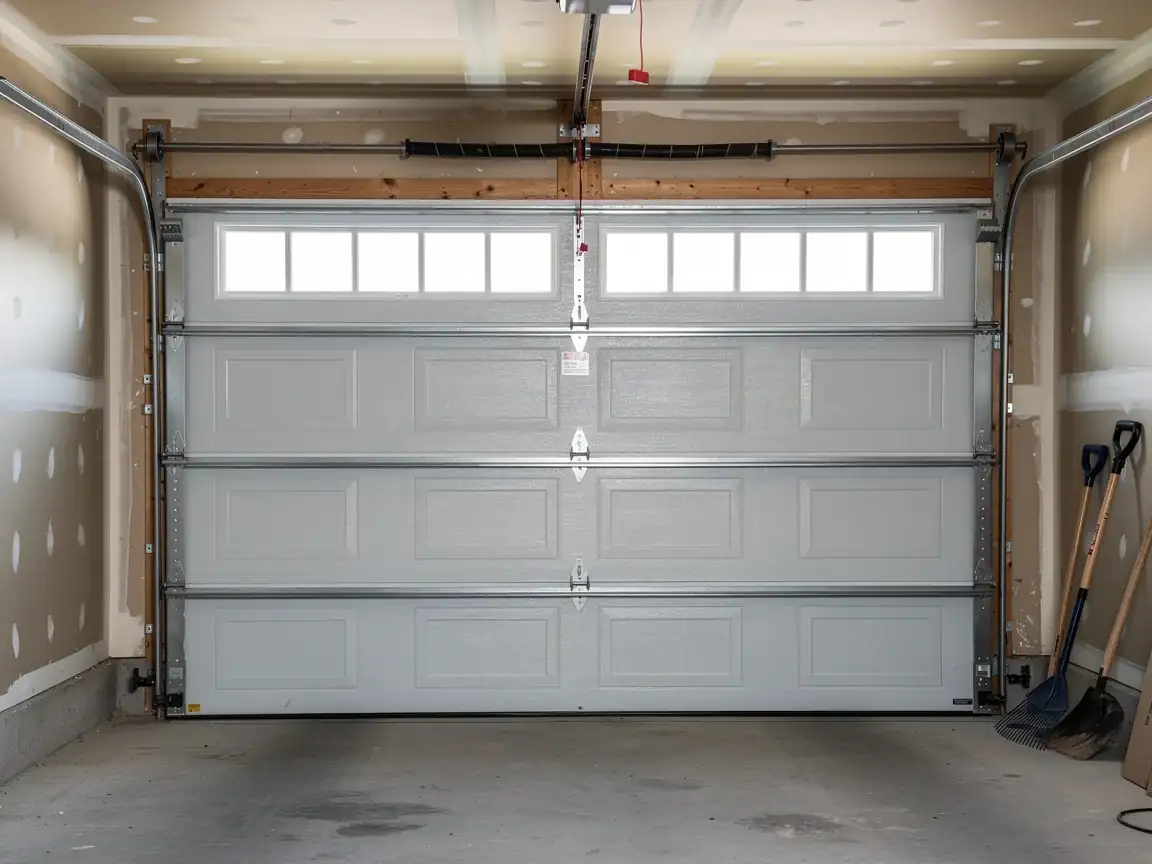
The usual signs: the door moves a few inches and stops, one side of the door hangs lower than the other, you hear a loud bang from the garage followed by the door refusing to open, or the cable itself is visibly unspooled off the drum and hanging loose. Sometimes it's quieter than that - the opener runs but the door doesn't move, because the cable has already let go and there's nothing left connecting the drum to the bottom bracket.
If you catch it early, you might just see fraying: a dull, fuzzed-out patch on the cable near the bottom bracket, where the strands have started separating but haven't gone yet. That's the version worth calling about before it strands you with the car inside. Either way, don't run the opener again once you notice something's wrong - forcing a partially failed cable through another cycle is usually what turns a repair into a bigger one.