Can You Do This Yourself
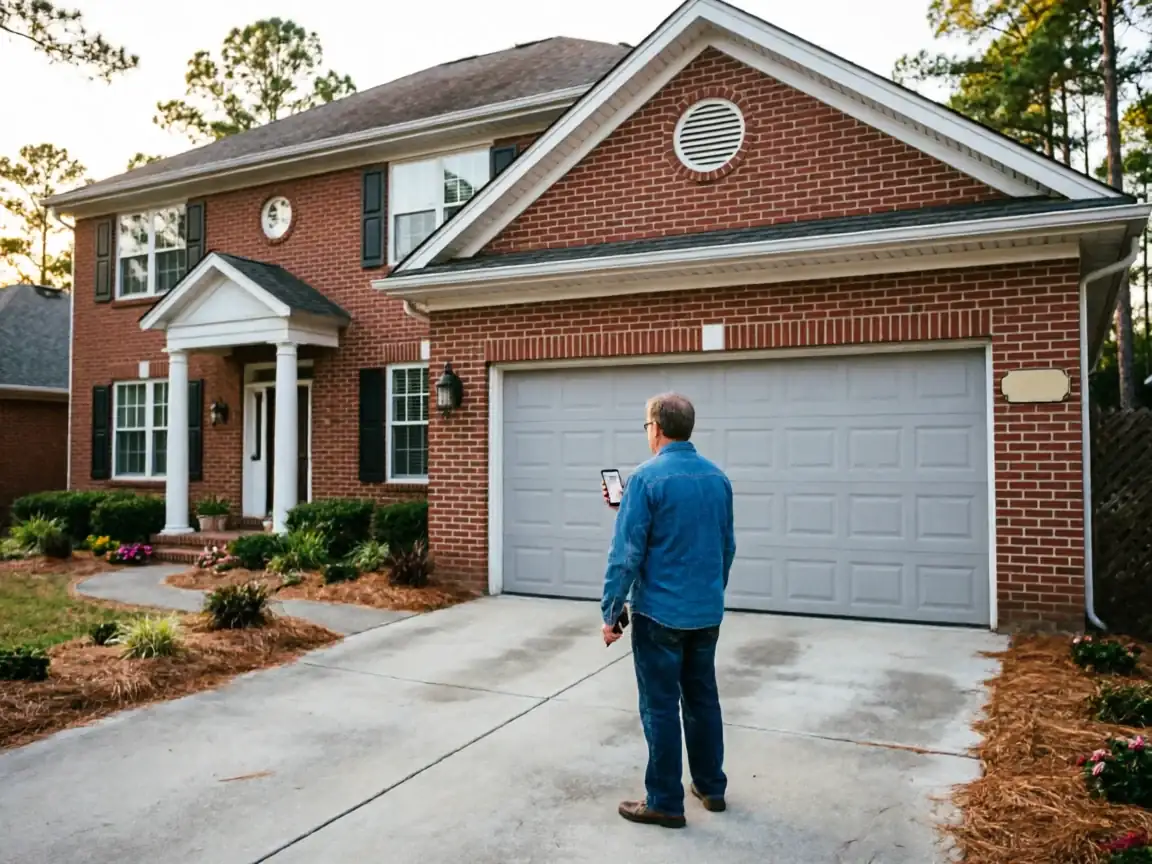
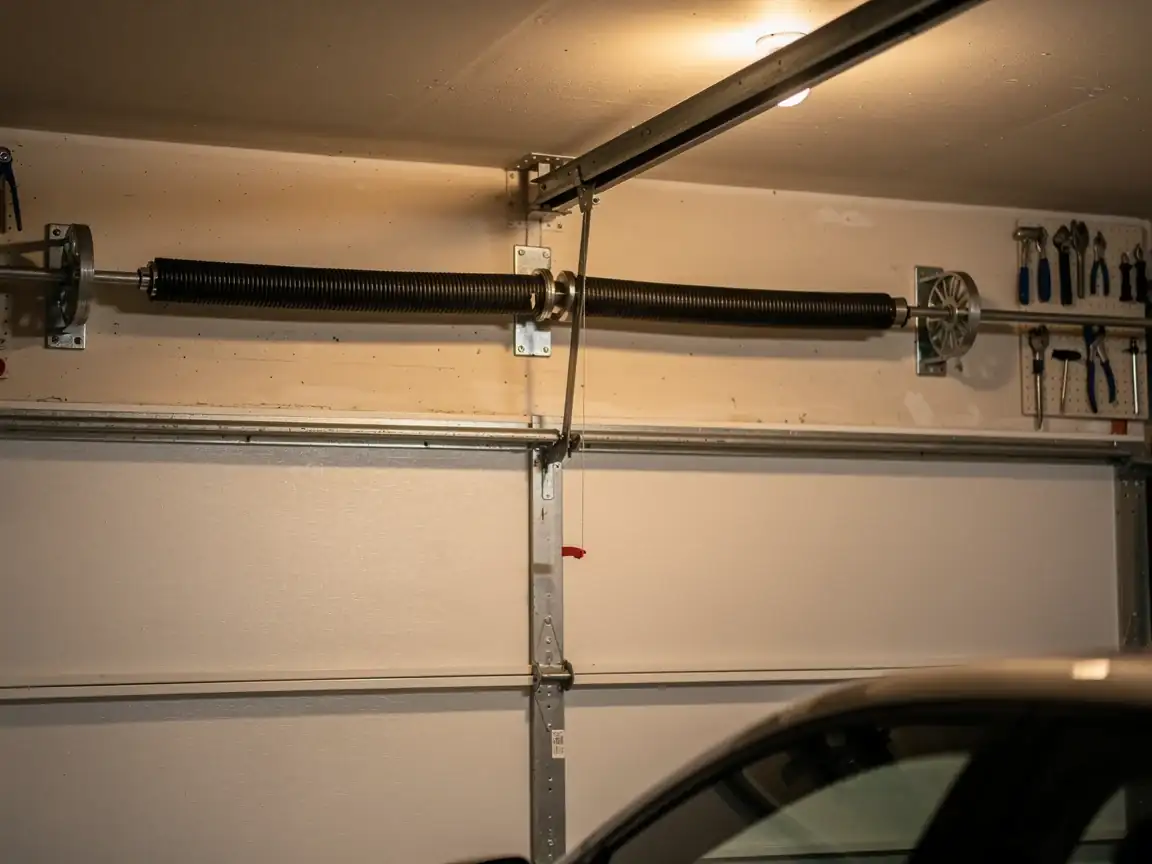
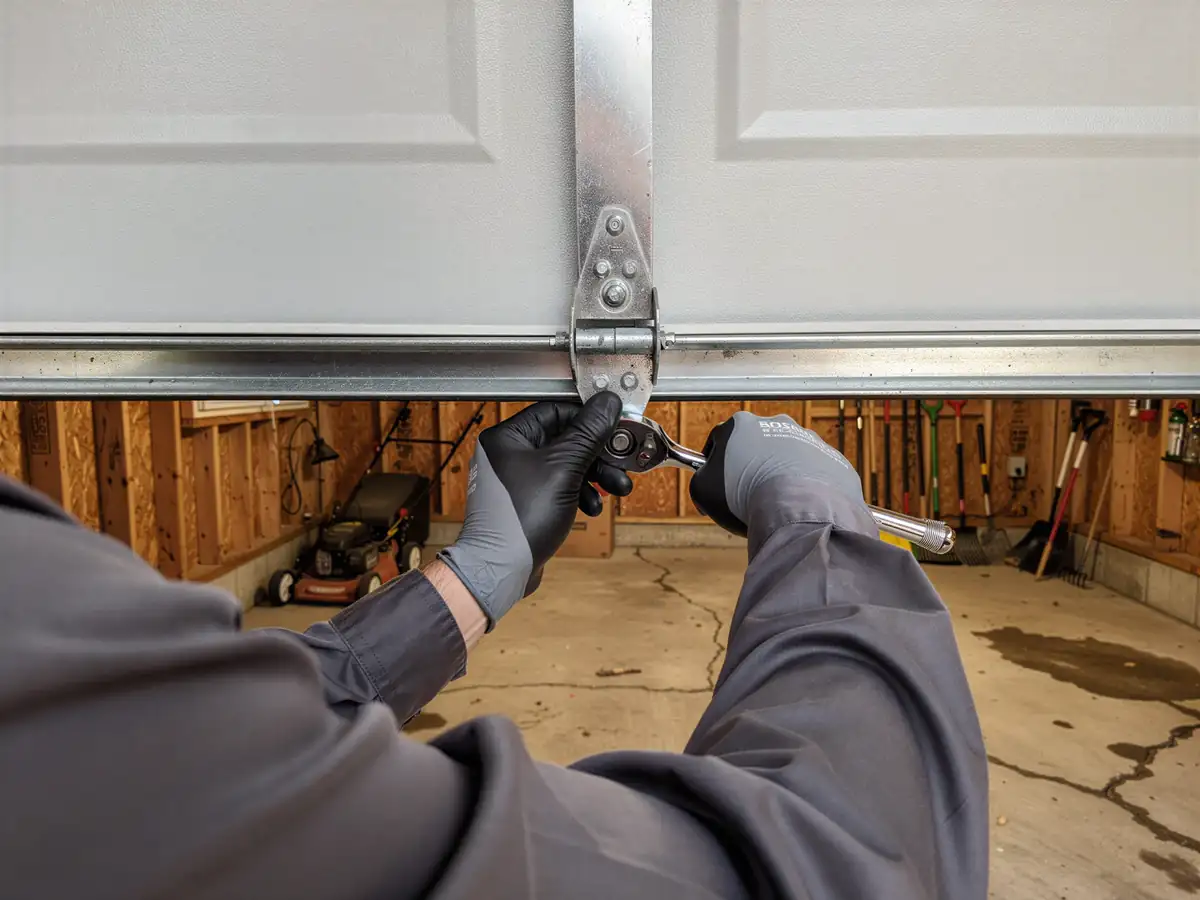
If the door won't move and you hear a loud bang before it happened, that's almost certainly a broken torsion spring, and that one is not a DIY job - the spring is wound under enough tension to do real damage if it lets go wrong. If the door is just not responding to the remote, check the wall switch first and make sure nothing's unplugged; that's a five-minute check that costs you nothing. Photocell sensors at the bottom of the track are another common one on newer builds like most of what's in Wendell - a toy, a bike, or just dust in front of the eye will stop the door cold and throw no other symptom. Wipe the lenses, make sure they're facing each other, and try again before you call anyone. Past that - bent track, a cable off the drum, an opener that runs but the door doesn't move - stop. Those jobs need the right tools and the right hands, and trying them yourself is how a minor repair turns into a header replacement.
What Is on the Truck
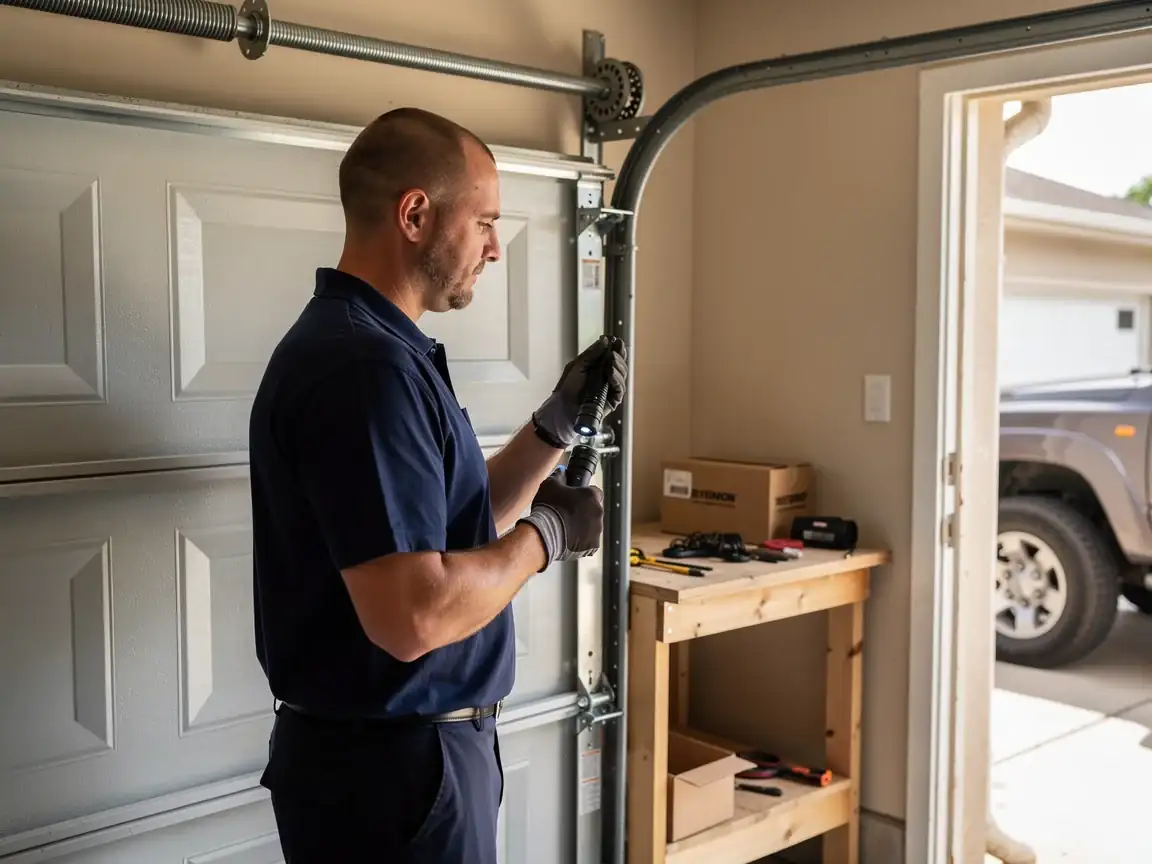
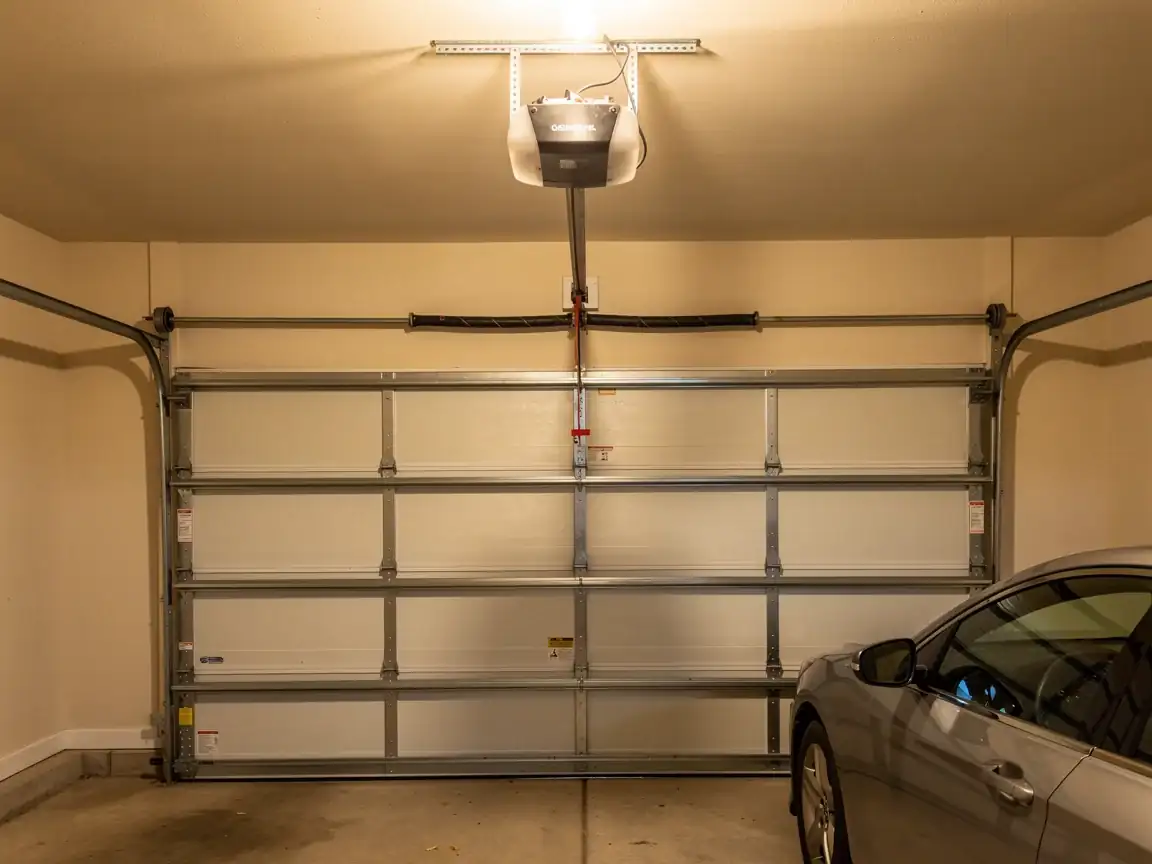
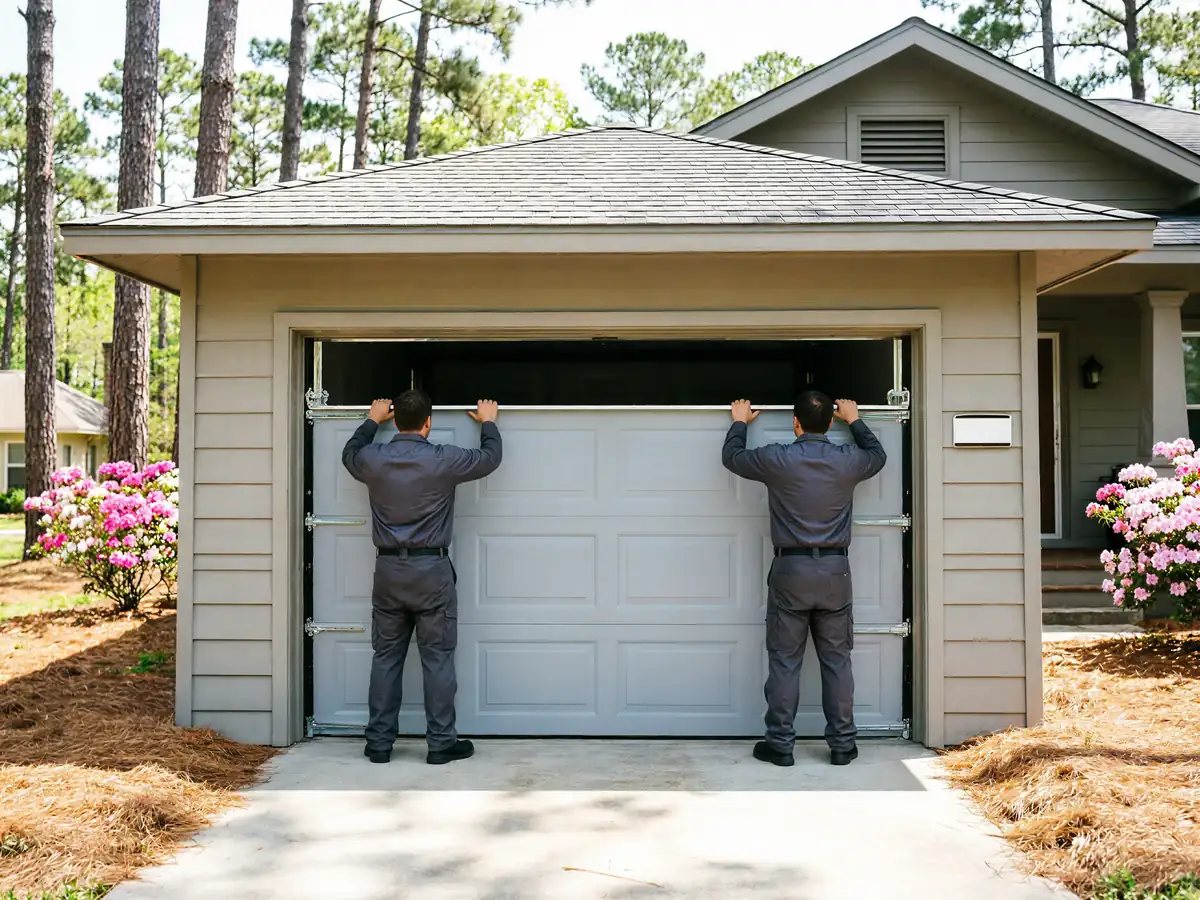
We stock torsion springs in the sizes that match openers and door weights built in the last fifteen to twenty years, which covers the bulk of what's going up and down in Wendell driveways. Rollers, cables, and photo-eye sensors are standard stock, since those wear out or get knocked out of alignment regardless of a house's age. What we don't always carry is a part for something built well before 2000 - a one-piece door or older torsion hardware on side mounts - because that's simply not common in a neighborhood where the median build year is 2005. If your house happens to be one of the older ones nearby, say so when you call, so we can check before the drive instead of after.
How We Fix It
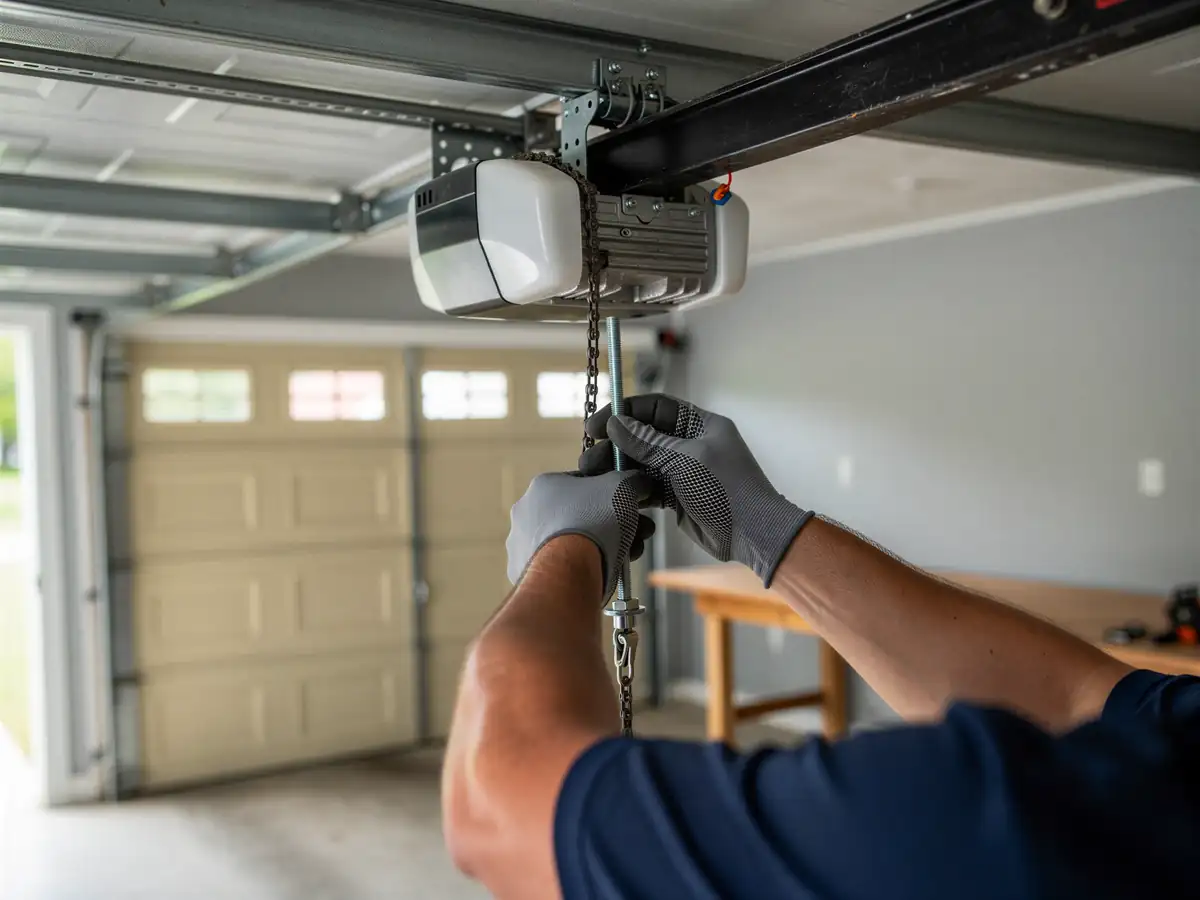
We diagnose on site before we touch anything - spring, cable, track, sensor, or opener board, each has a different fix and a different cost, and we're not going to swap a part that wasn't the problem. For a broken torsion spring, that means matching the replacement to your door's weight and drum size, not grabbing whatever's closest on the shelf. For sensor issues, it's usually a five-minute realignment, not a replacement. If the opener's circuit board has failed outright, parts for some older openers take longer to source than we'd like, and that's worth saying plainly - most newer units are stocked and quick, but it's not universal. We'll tell you up front if your fix is one of the slower ones instead of letting you assume it's a same-visit job.
What You Are Seeing
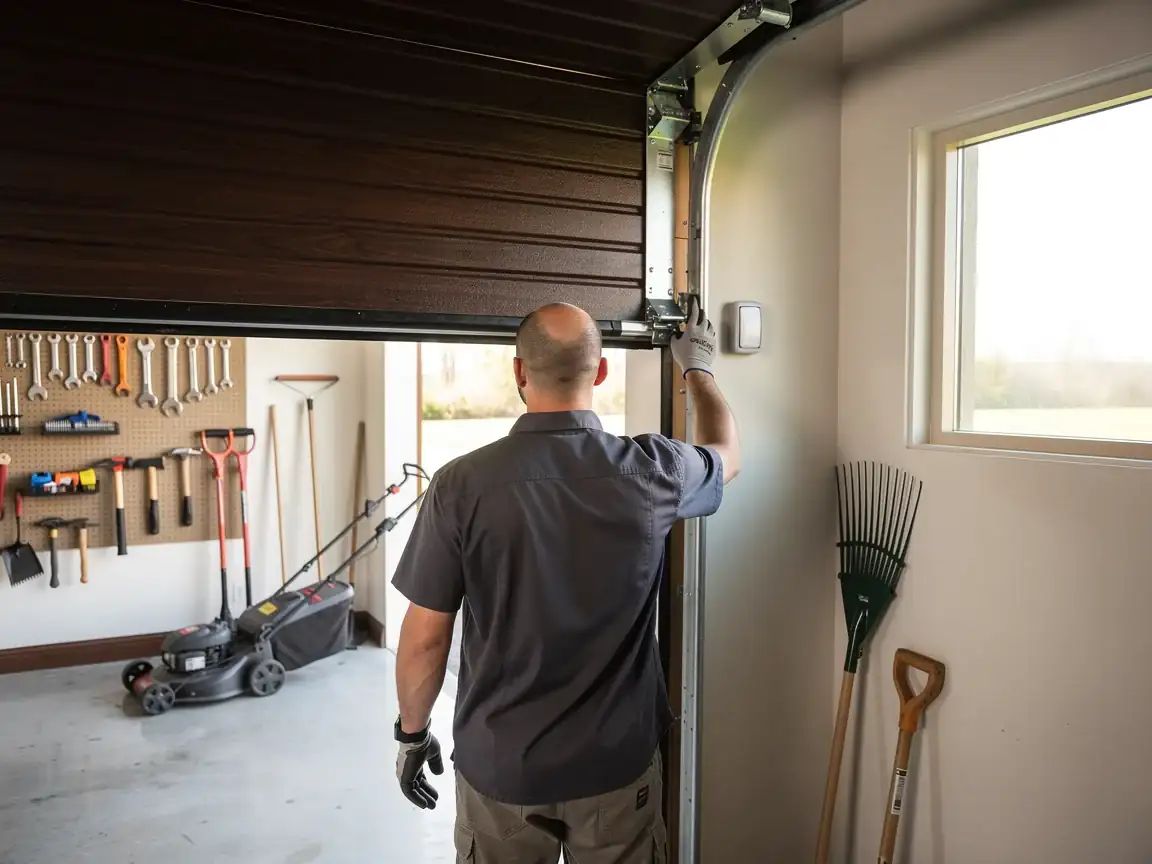
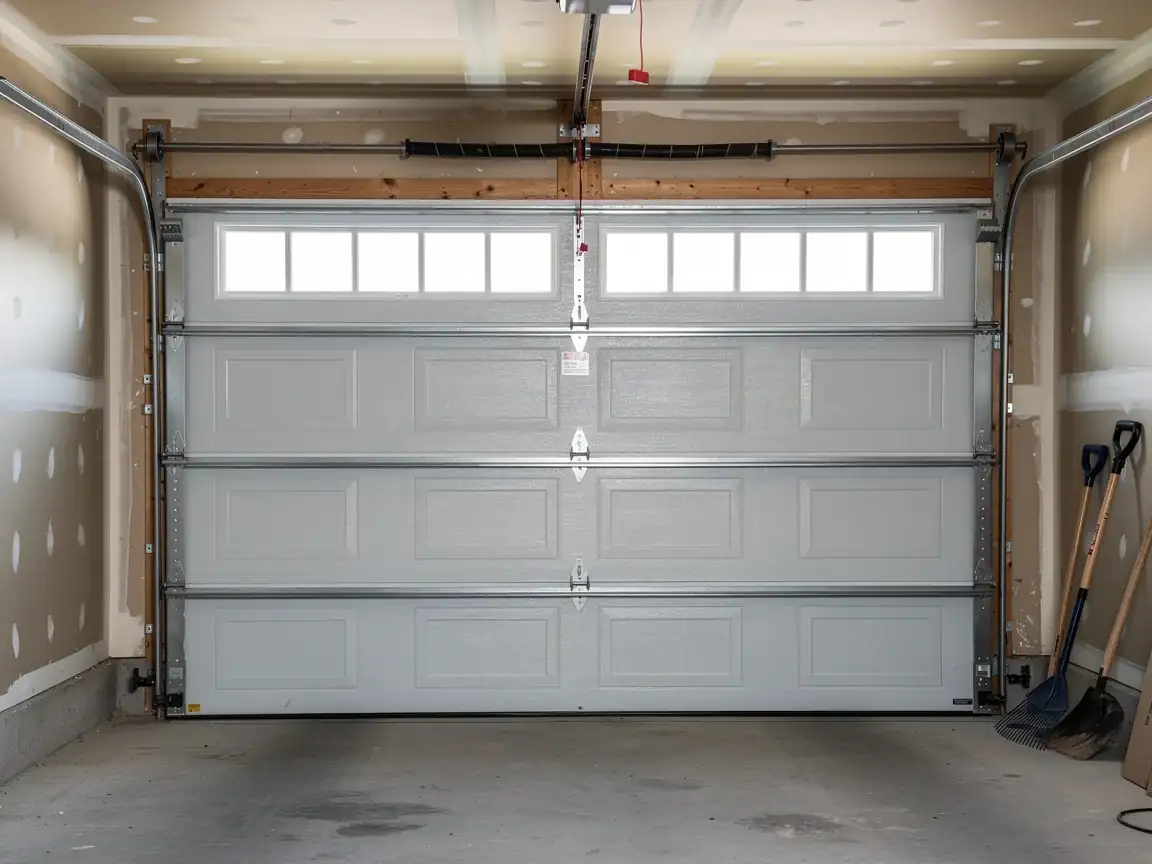
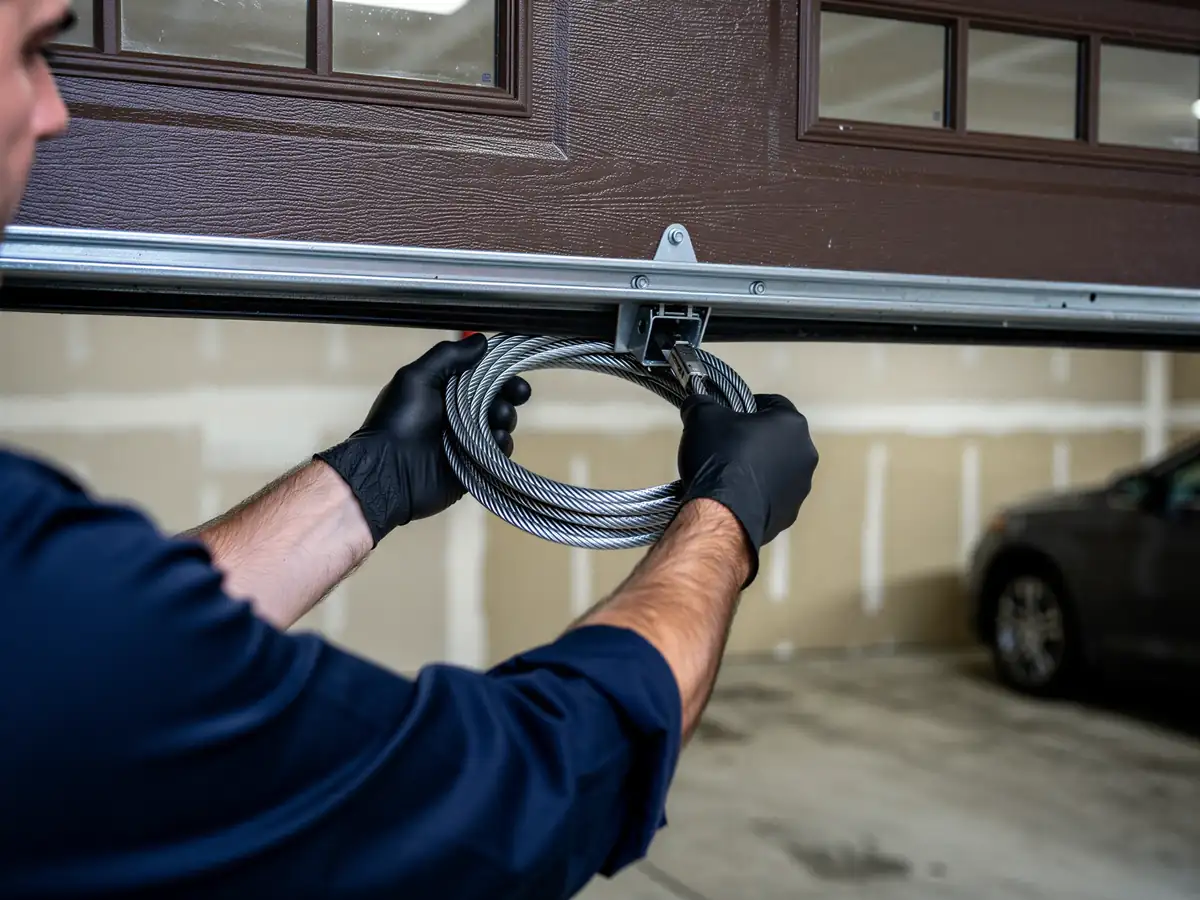
A door that won't budge and a loud pop or bang right before it stopped is a broken spring - don't force the opener against it. A door that reverses right after it starts closing, or won't close at all, points to the photo-eye sensors, especially common in homes with a cluttered garage floor near the track. Grinding or a door that visibly sags to one side as it moves usually means a cable has slipped off the drum or frayed through. An opener that runs but the door doesn't move is often a stripped gear inside the unit or a disconnected trolley arm. None of these are rare on housing stock from the 2000s - they're wear patterns, not design flaws, and most show up ten to twenty years into a door's life, which puts a good share of Wendell's garage doors right in that window now.