Can You Do This Yourself
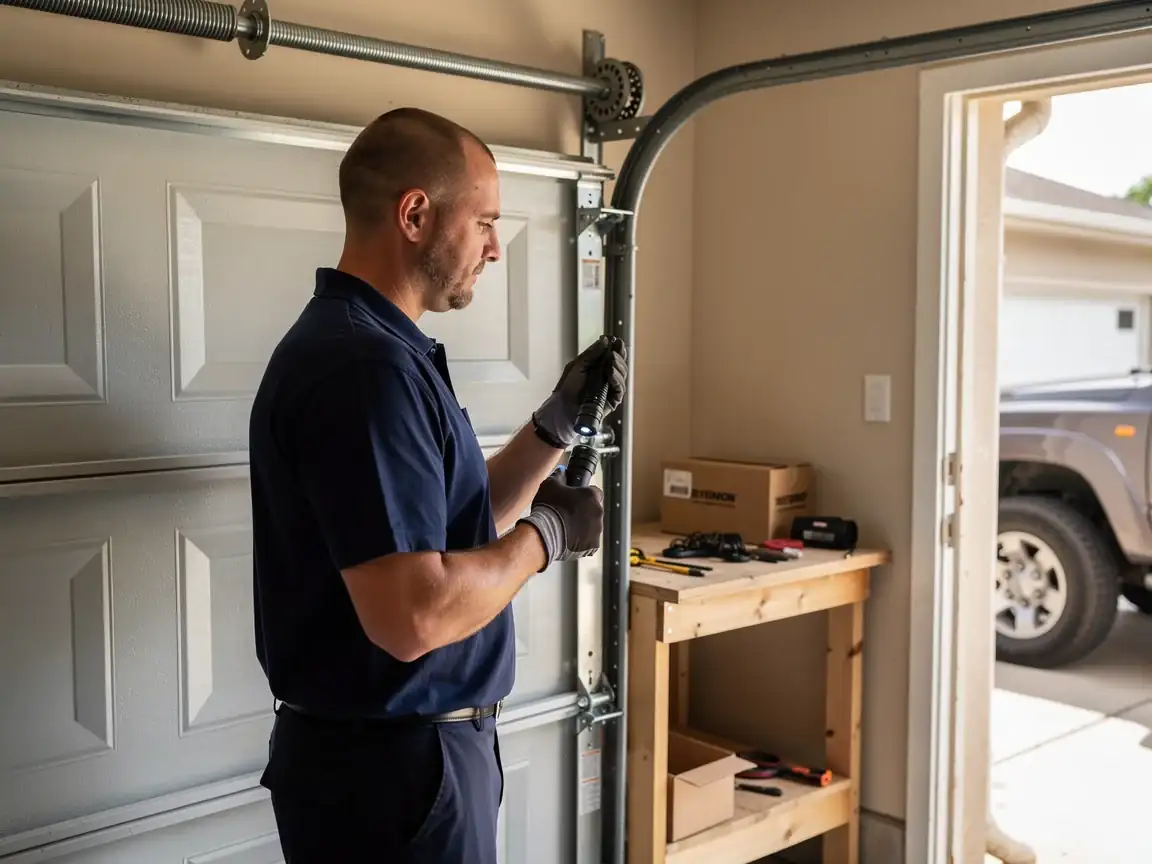
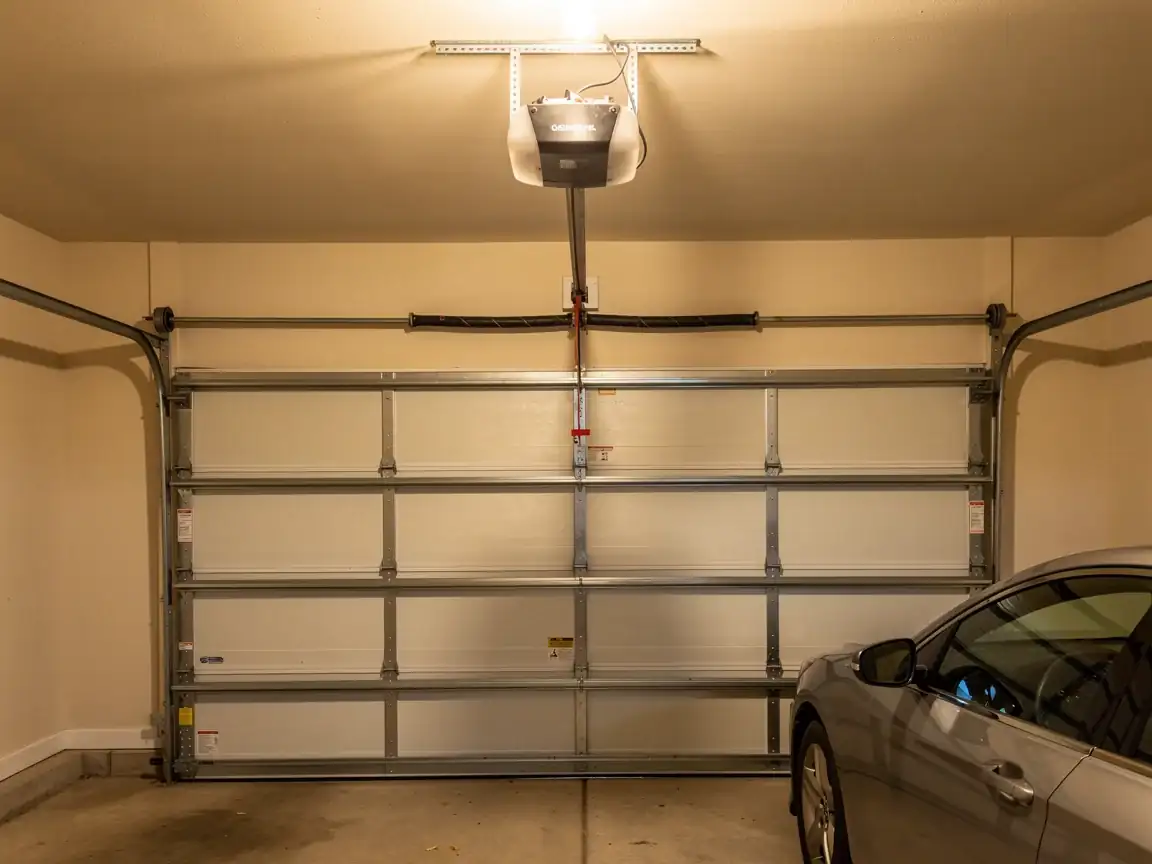
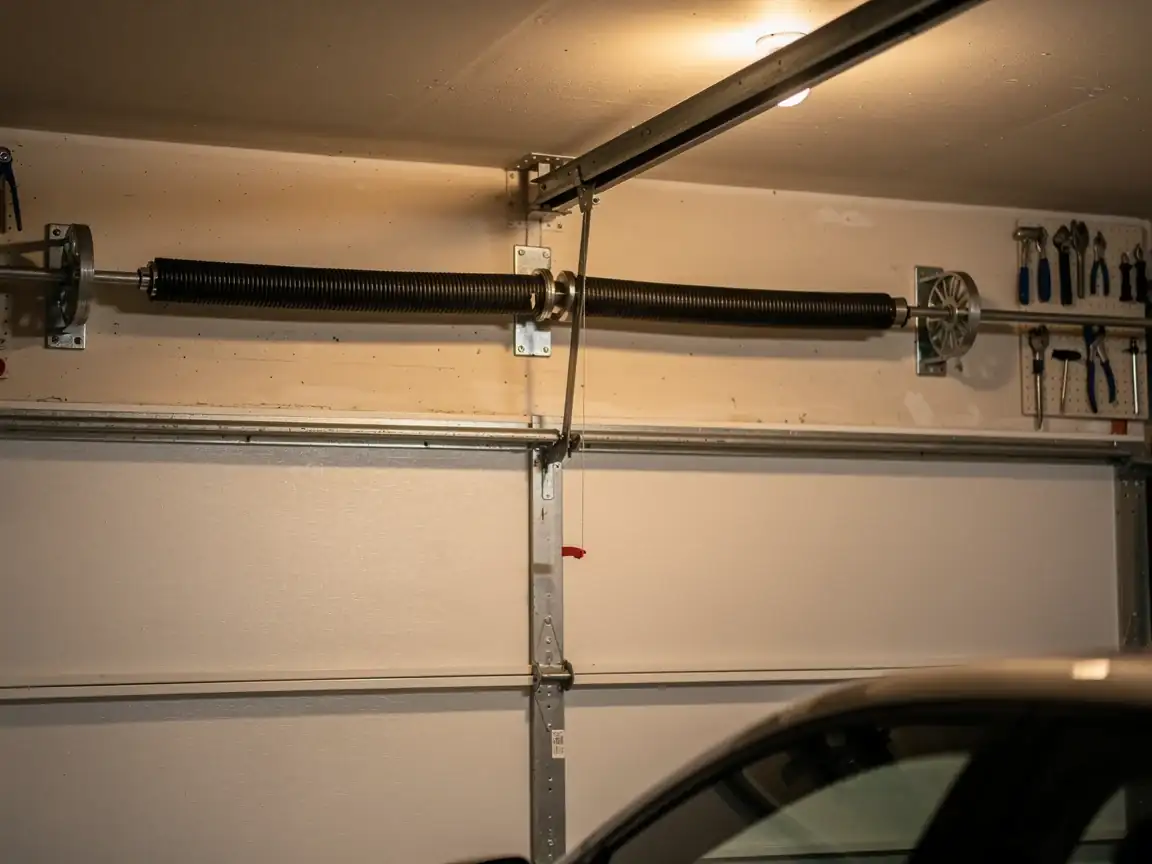
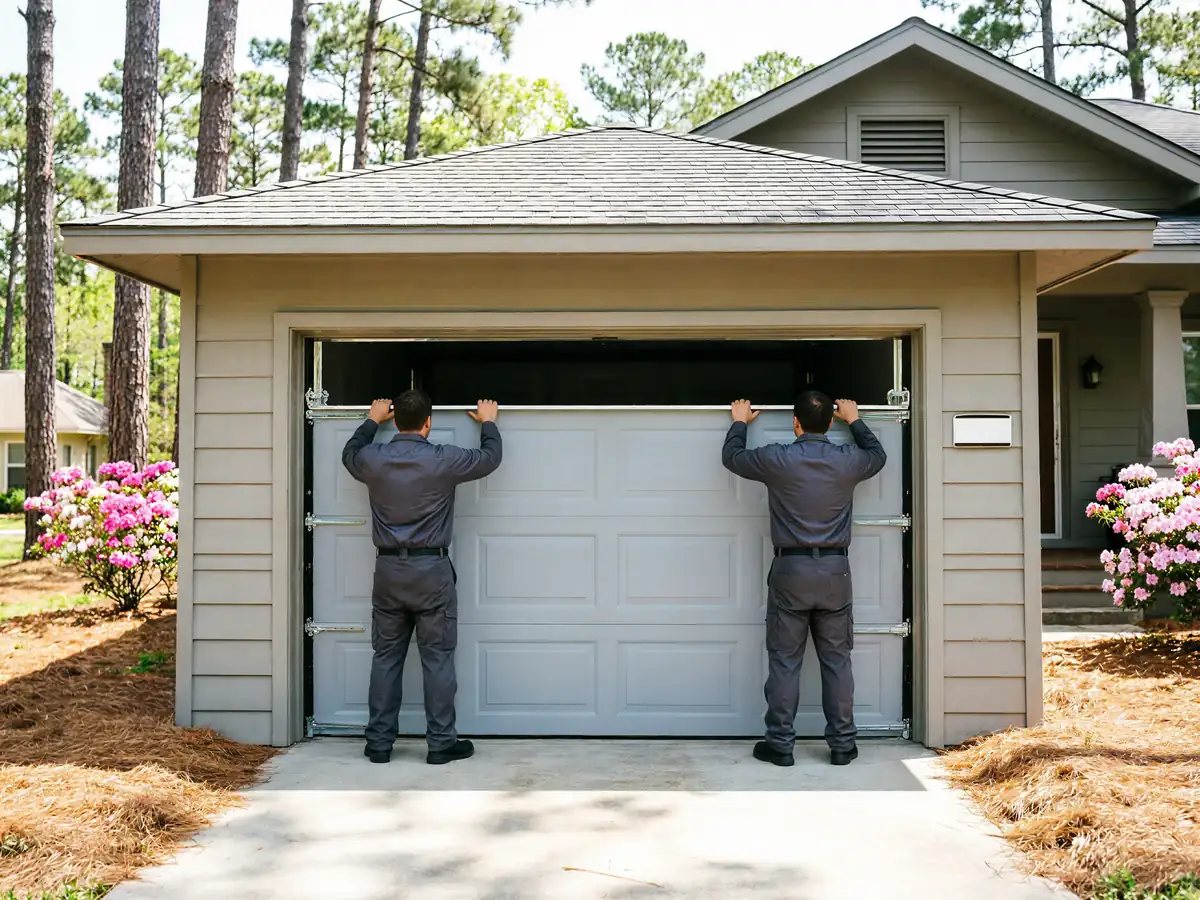
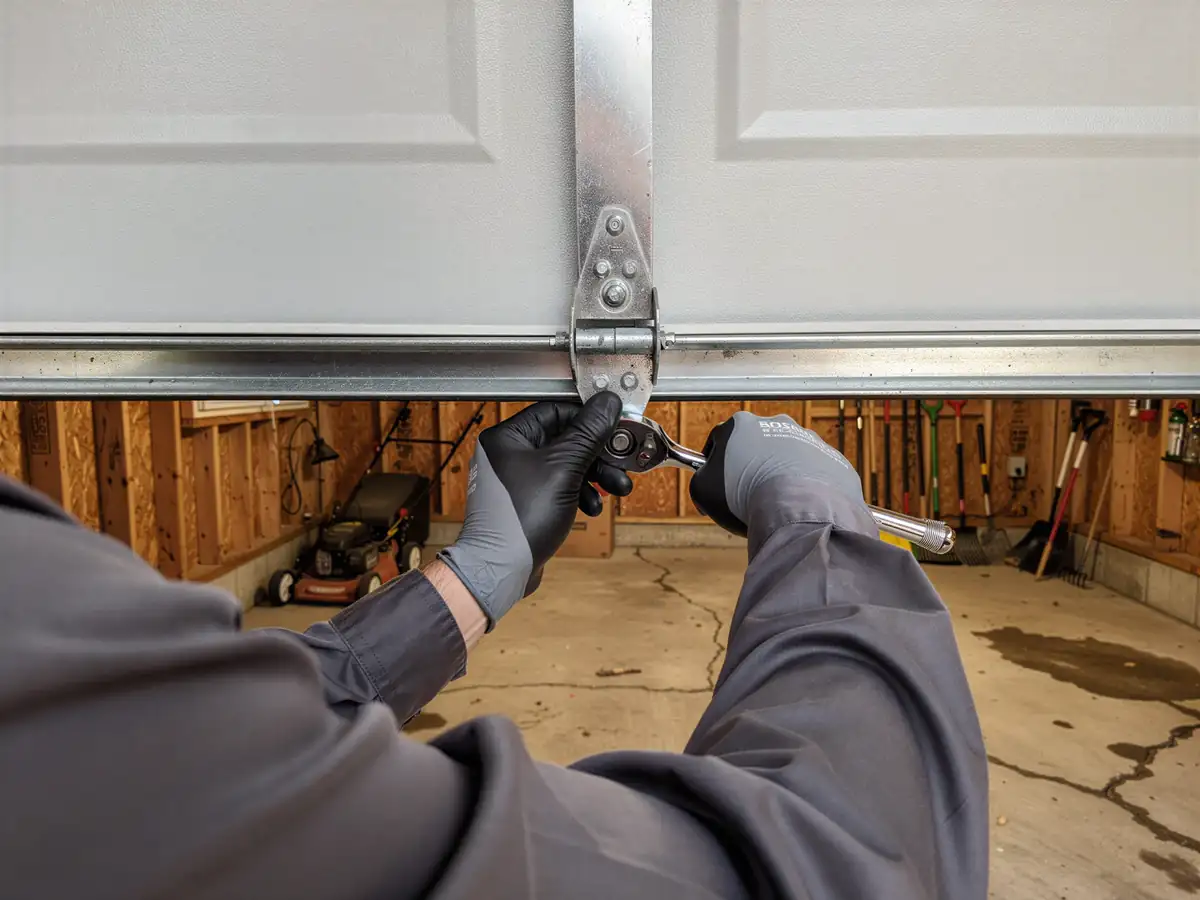
A torsion spring under tension is not a weekend project, full stop, regardless of how new or old the house is. If your door went up with the rest of Wendell's stock in the 2000s, the springs are sized for the heavier insulated steel doors that became common in that era, which means more stored energy than the lighter doors from decades earlier. Where a homeowner can safely do their own work: lubricating rollers and hinges, tightening loose hardware, swapping worn weatherstripping, replacing a dead remote battery. Where you shouldn't: springs, cables, or anything bolted into the torsion tube above the door. We'll walk you through which bucket your problem falls into over the phone before we quote a visit, and if it's a battery or a sensor alignment, we'll just tell you that instead of billing a truck roll for it.
What Is on the Truck
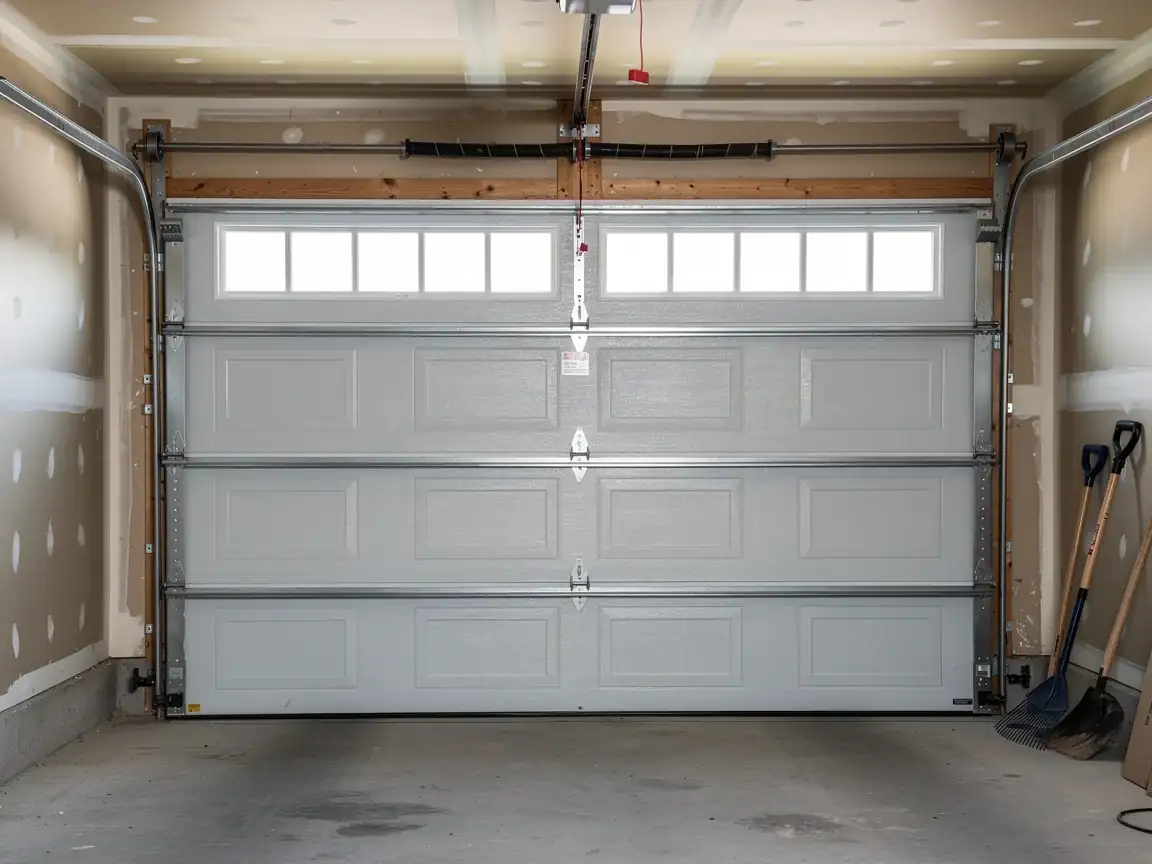
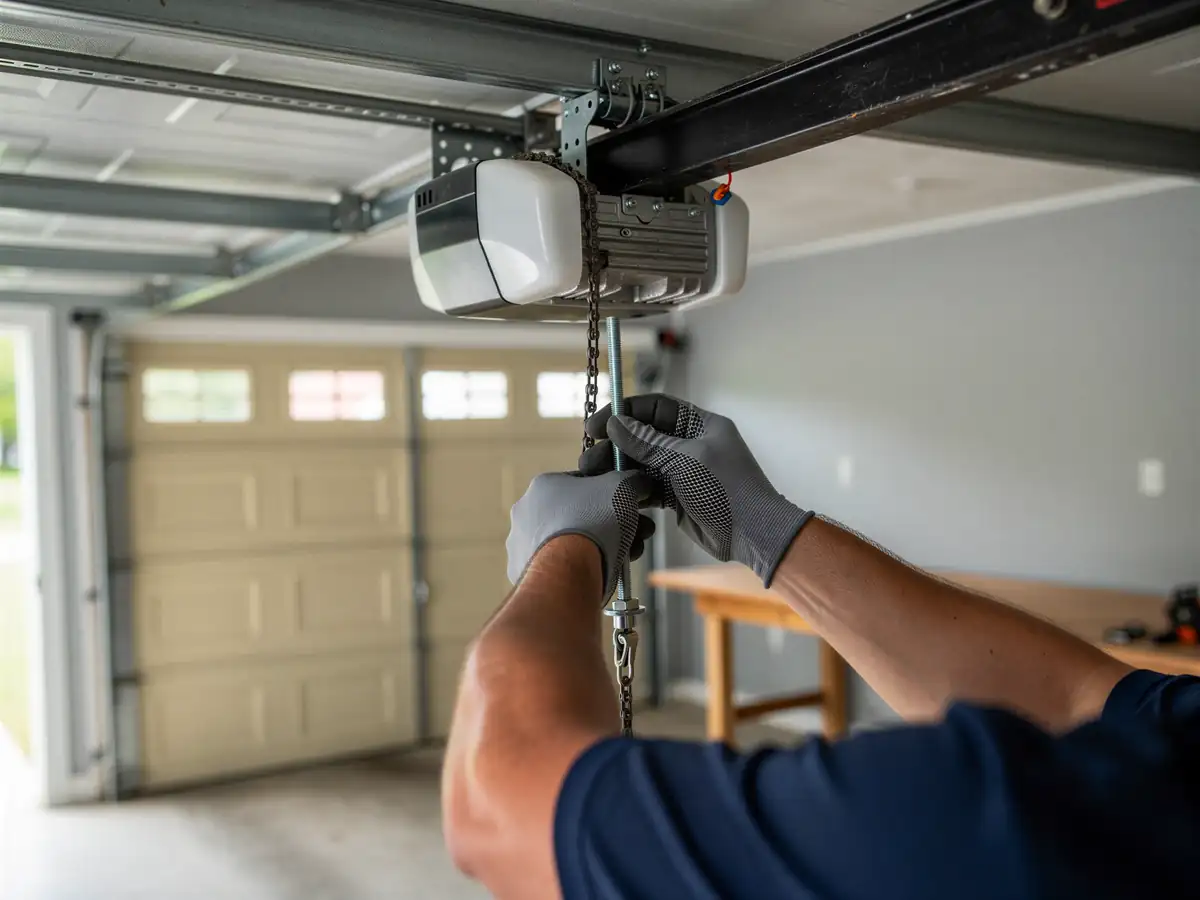
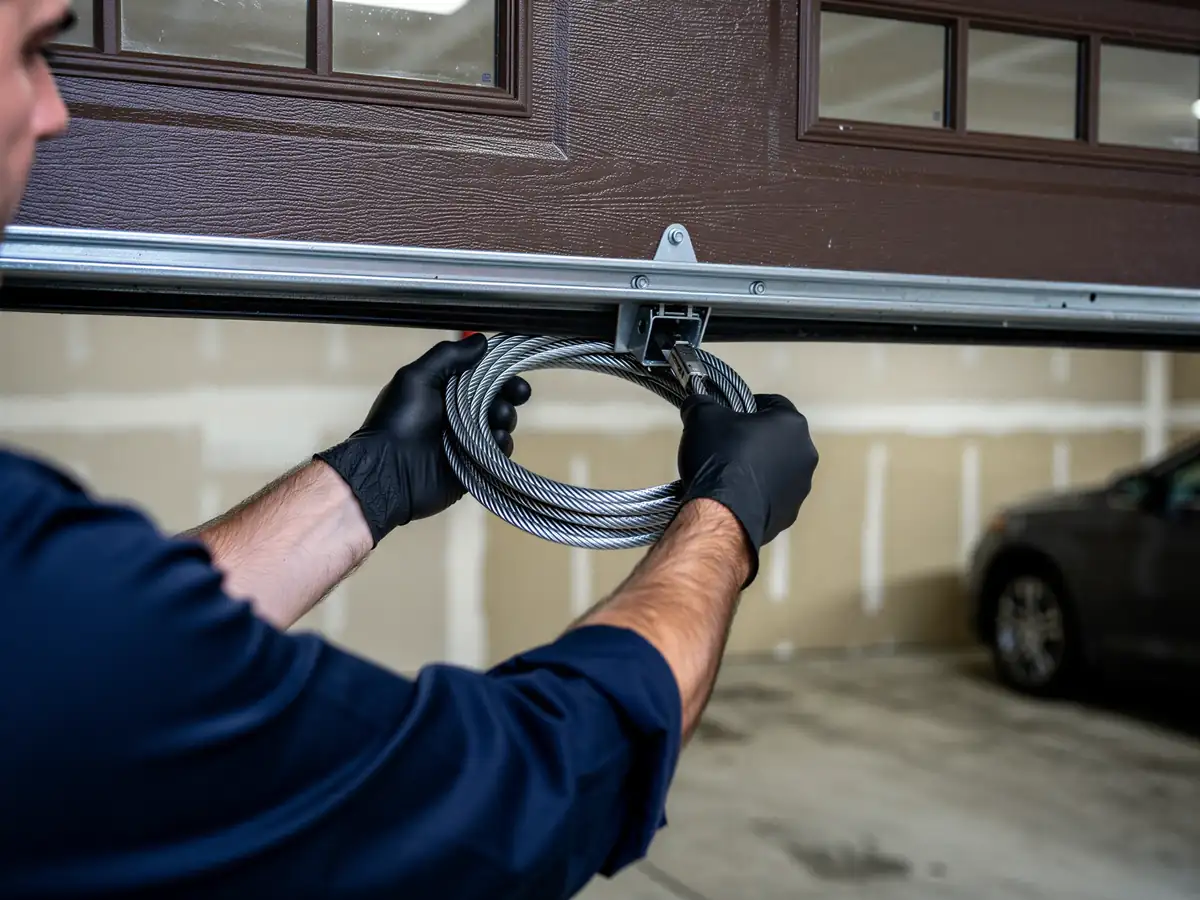
For Wendell calls we carry torsion springs sized for the heavier sectional doors that builders were installing through the 2000s, along with the nylon rollers, galvanized cable, and standard-lift track hardware that matches that era's construction. We also stock circuit boards and drive gears for the chain and belt openers that shipped with new builds in that period, since those units are now old enough that the original boards are starting to fail. What we don't carry as standard stock is anything for custom or high-end door lines - if your door was an upgrade option rather than the builder-grade unit, we may need to order a part, and we'll say so rather than force-fit something close.
How We Fix It
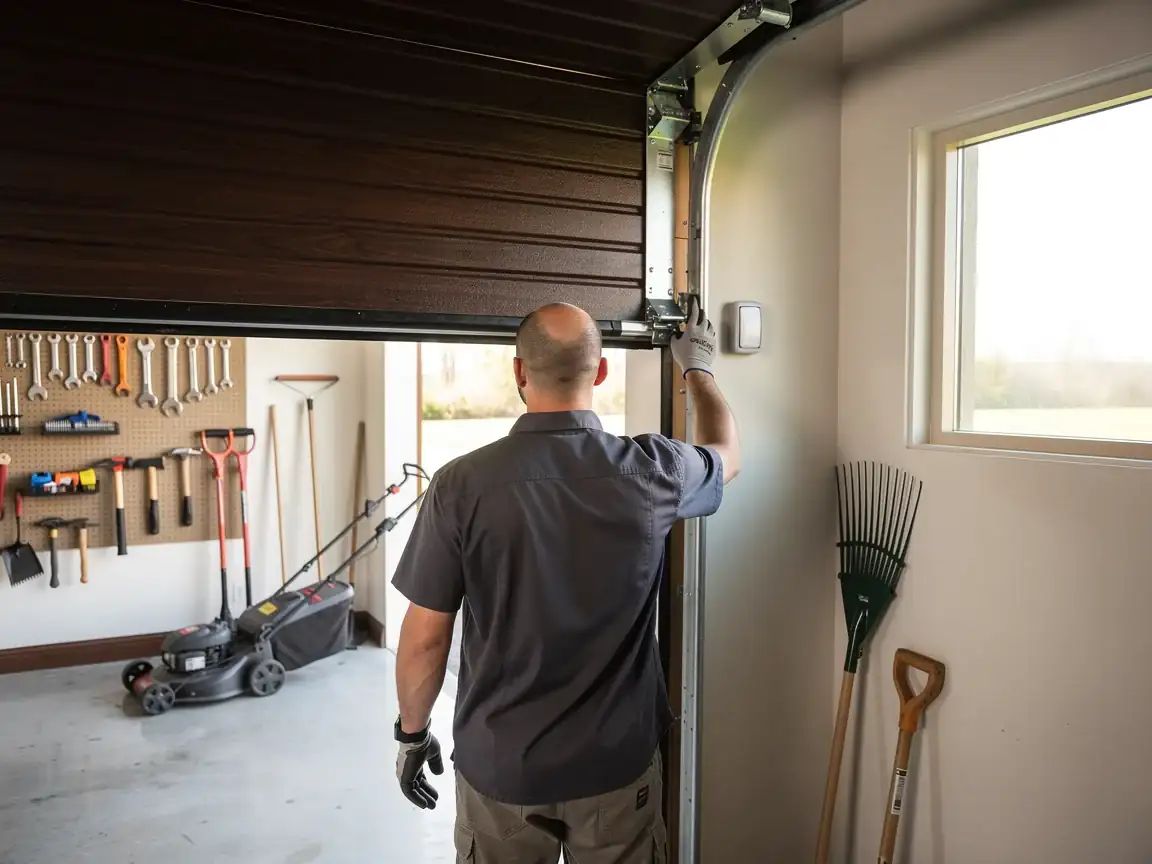
We start by identifying what year and configuration your door and opener actually are, since Wendell's housing spans enough of the 2000s that specs shifted year to year even within the same builder. If it's a spring at end of cycle life, we replace both springs on a double door as a pair, even if only one has broken, because the other is on the same clock. If it's an opener board failure, we check whether the motor and drive assembly are still sound before recommending a full unit swap - there's no reason to replace a working motor over a dead board if the part's available. We test the door through a full open-close cycle under load before we call the job done, not just a visual check.
What You Are Seeing
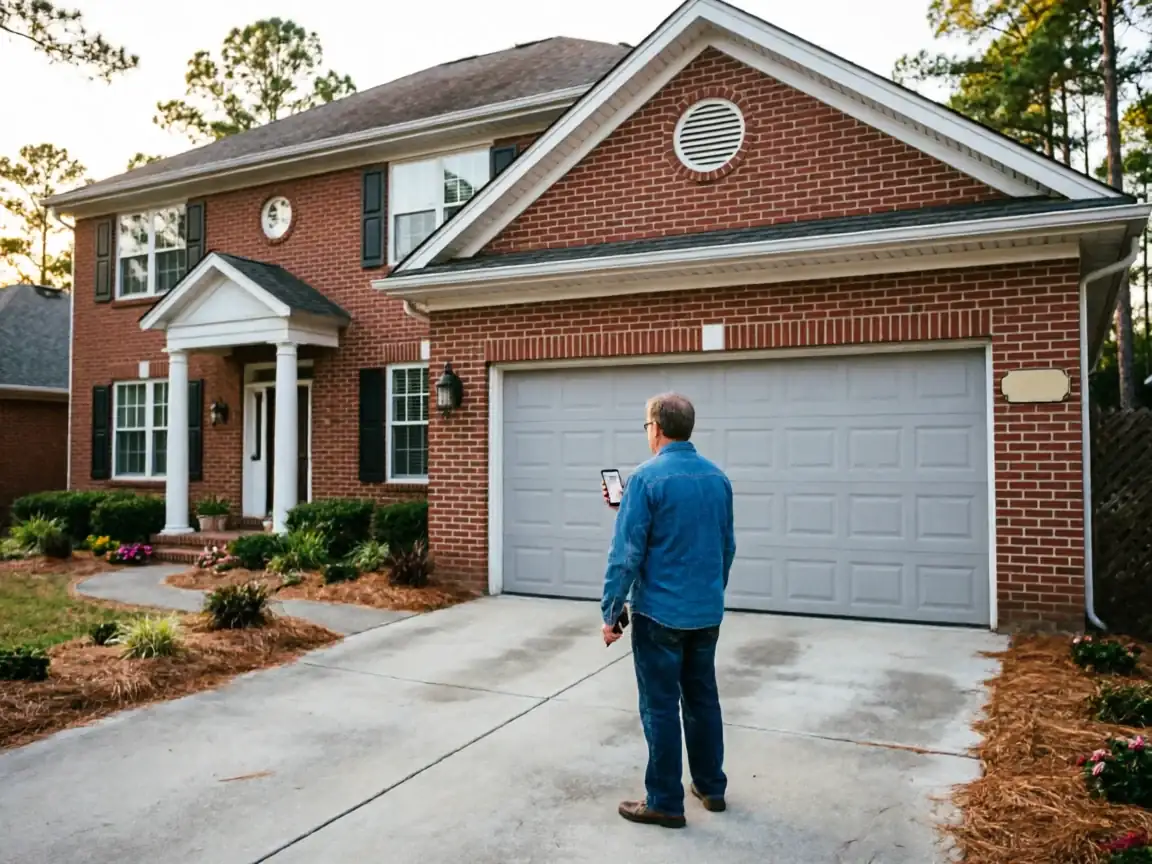
A door that shudders or stutters partway up usually points to a spring losing tension rather than a track problem. A door that opens fine on the remote but won't respond to the wall button, or vice versa, often means a failing opener board rather than the motor itself - common on 2000s-era chain drives now reaching that age. A door that reverses immediately after closing, or won't close at all, is frequently a sensor alignment issue, which is a five-minute fix, not a new door. If the door is loud but still moves correctly, that's usually rollers and hinges overdue for lubrication, not a structural problem.