Can You Do This Yourself
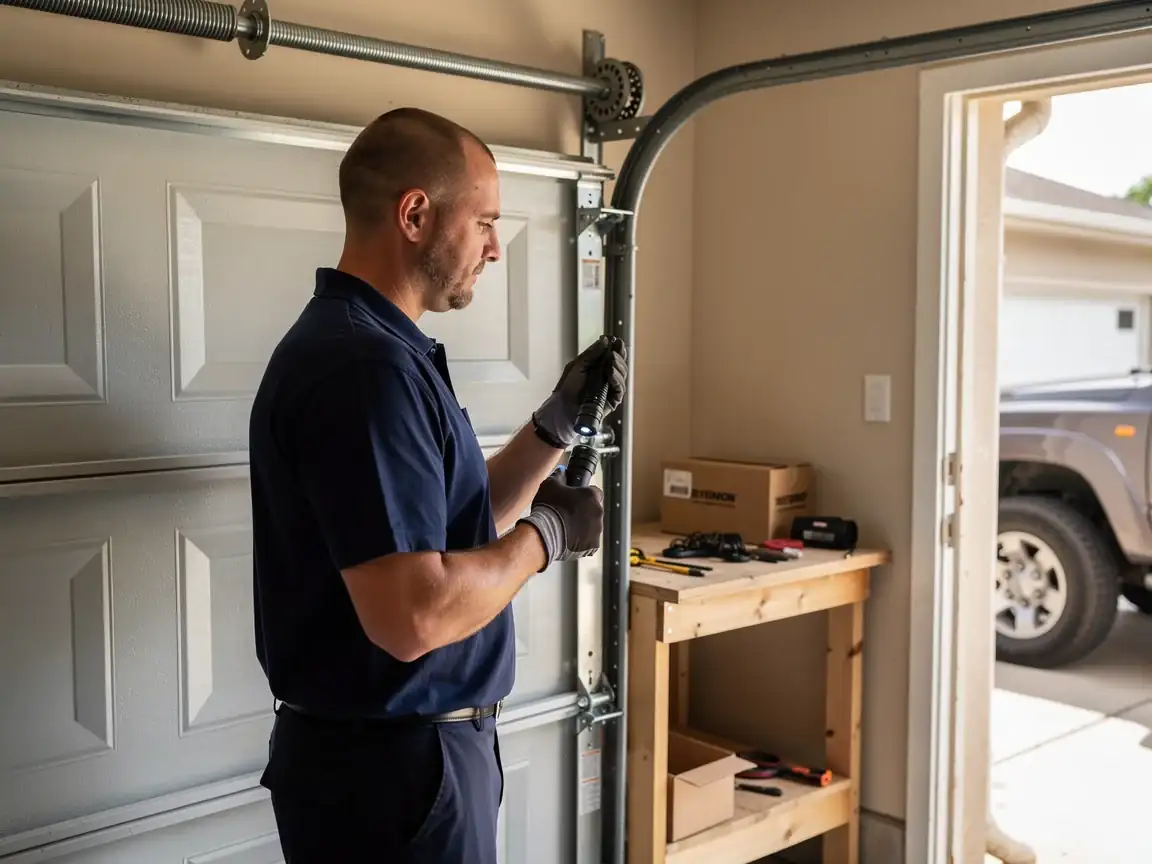
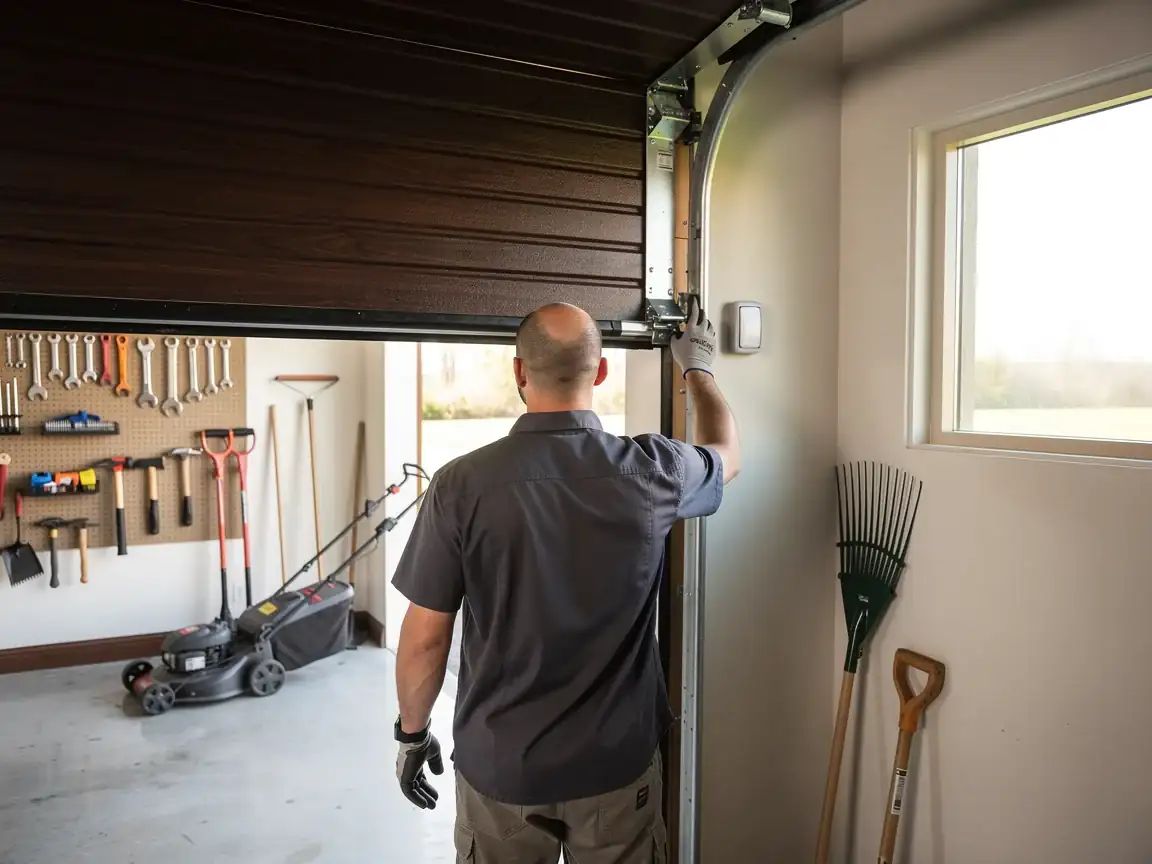
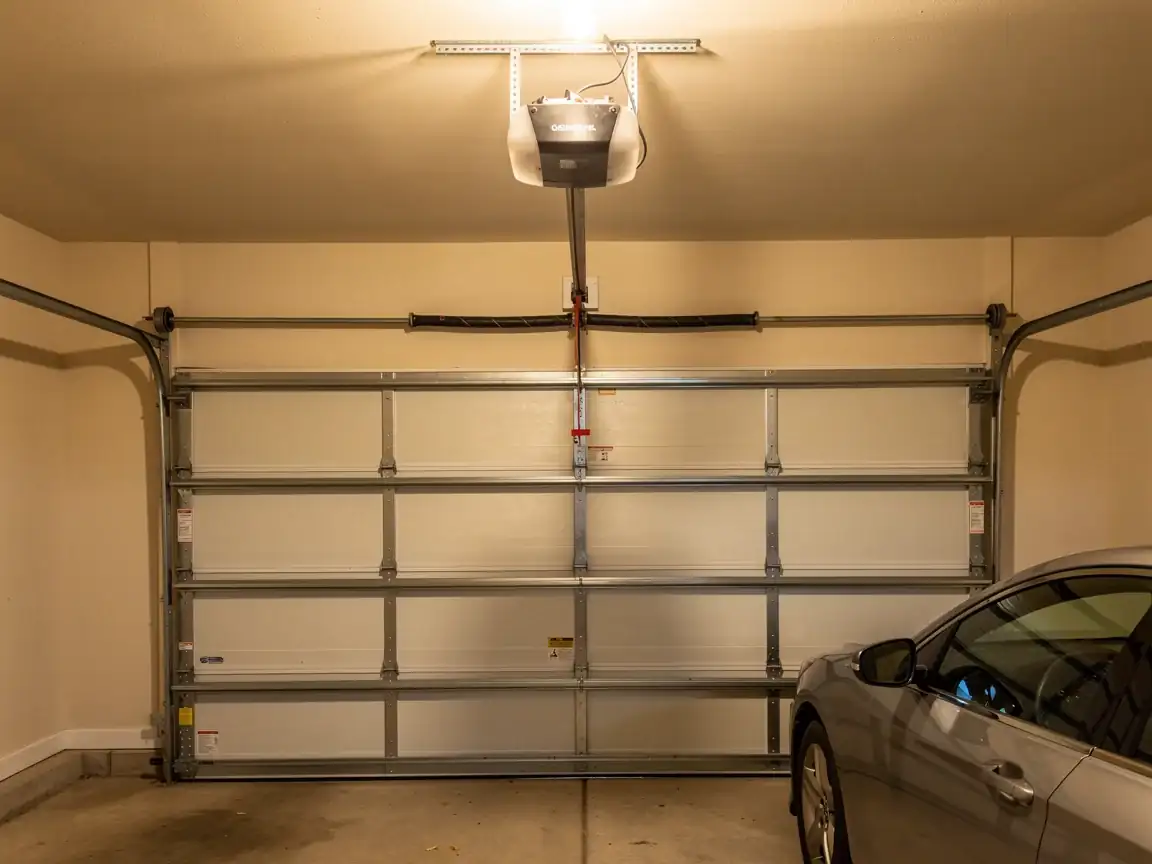
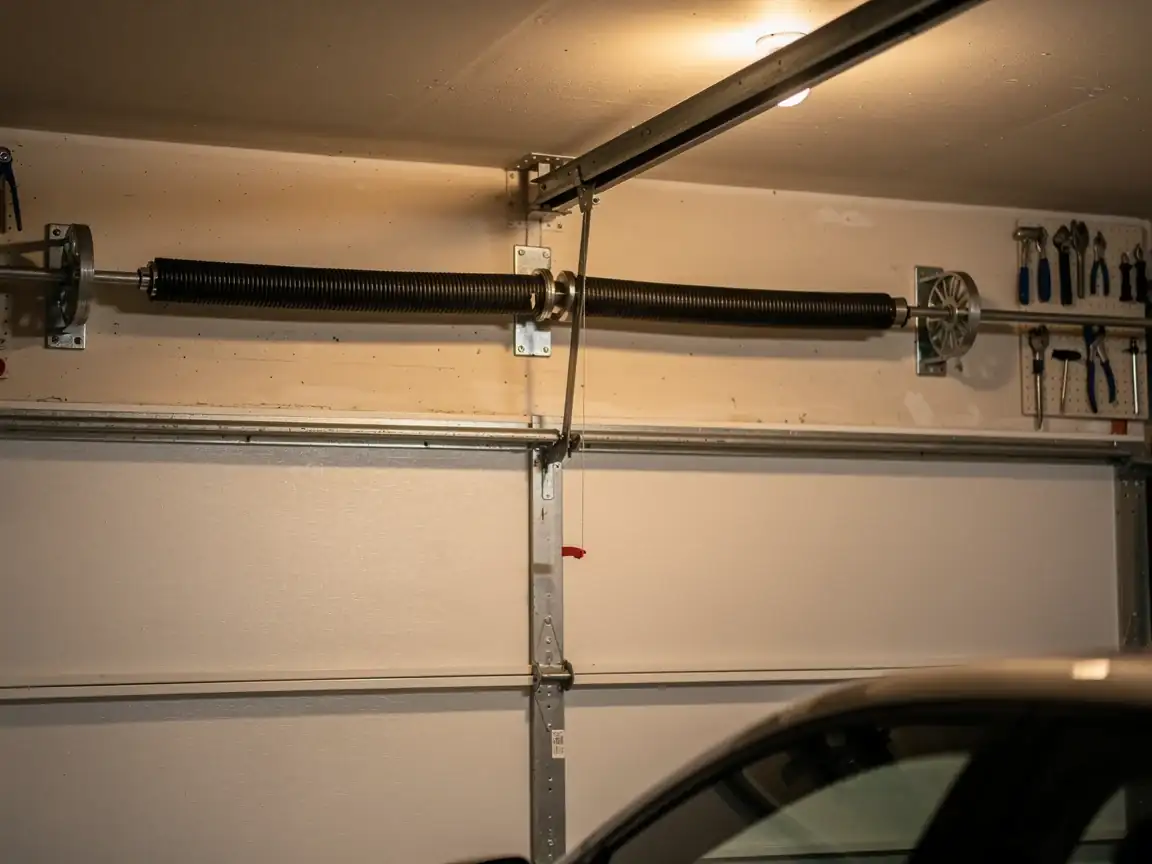
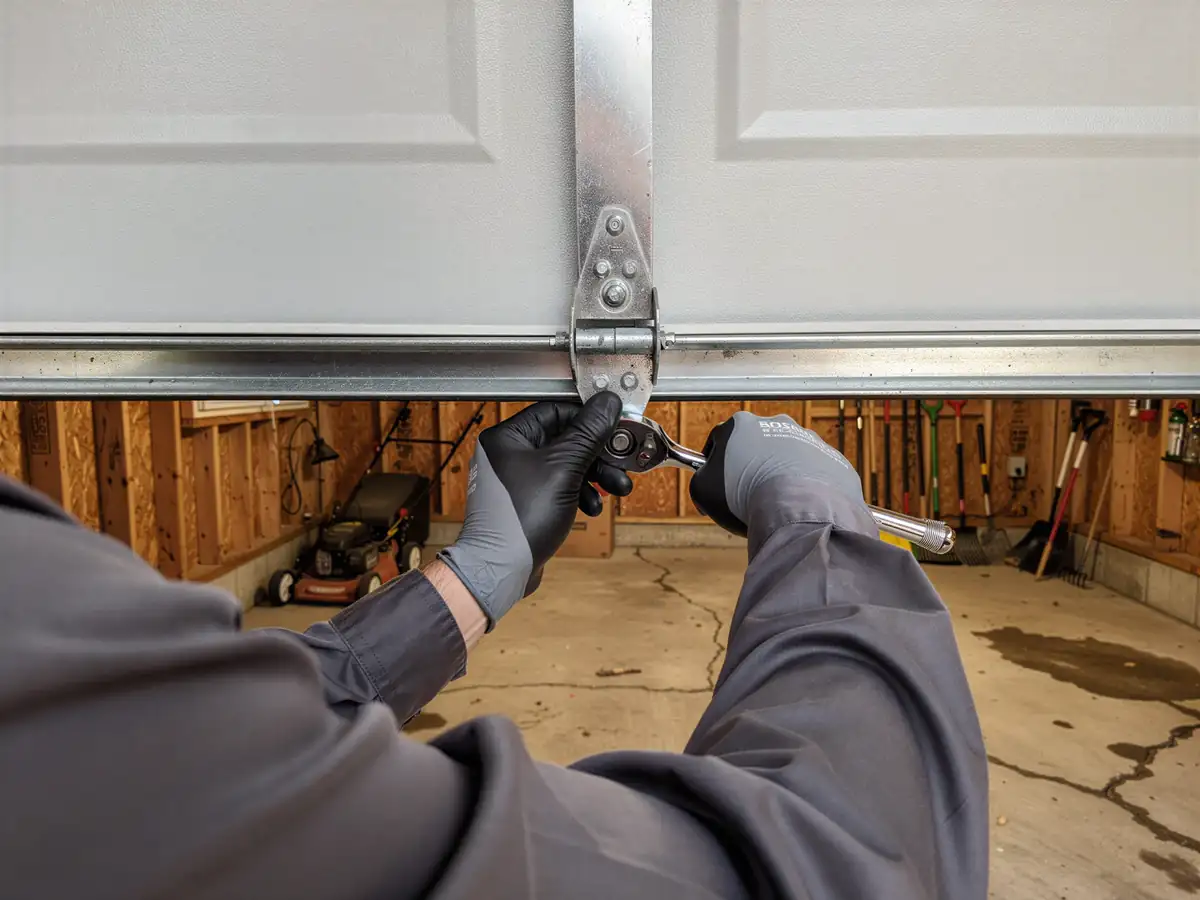
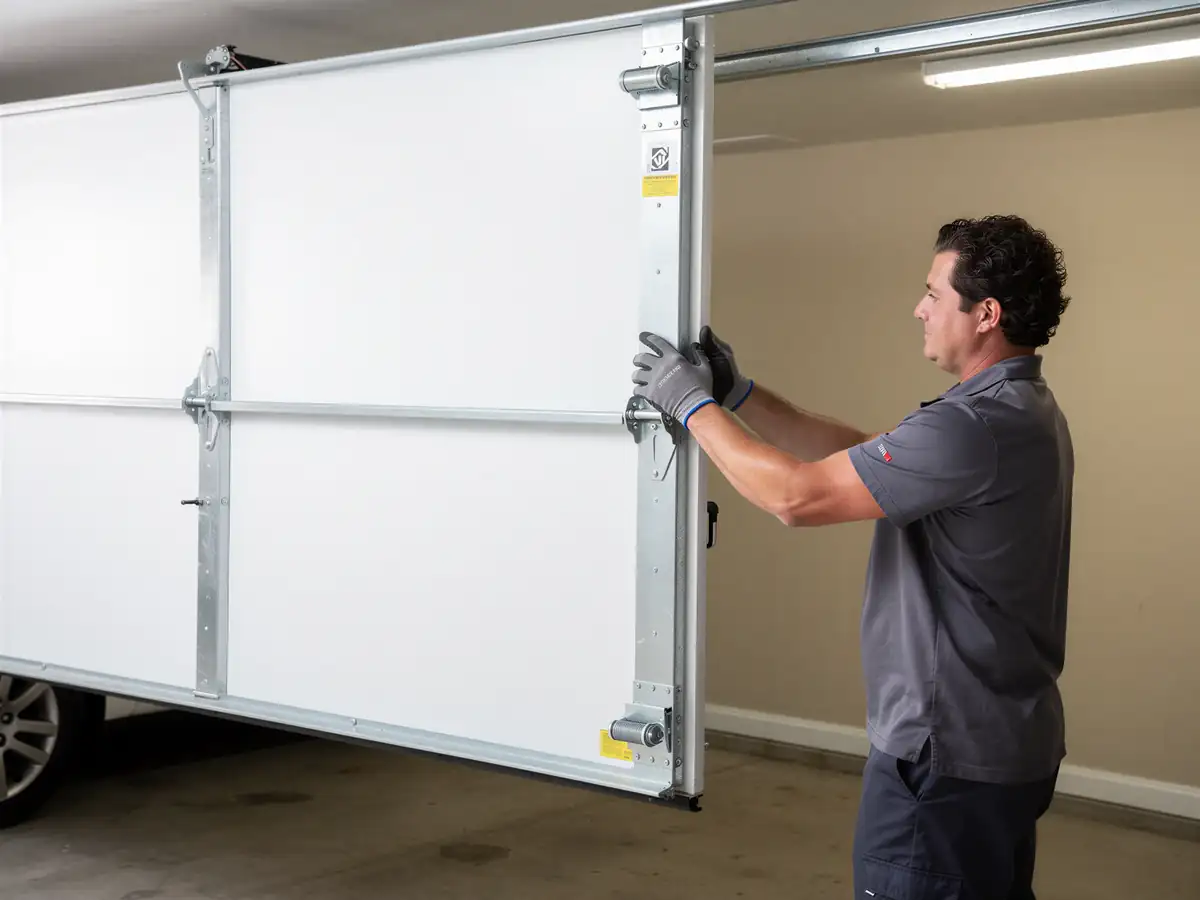
Some of it, yes. Clearing the track, tightening loose hinge bolts, lubricating rollers, or resetting the photo-eye sensors that aim across the floor near the bottom of the door - all of that is homeowner work and doesn't need us. What isn't: anything involving the torsion spring on top of the door. That spring holds the full weight of the door under tension, and the tool to wind or unwind it safely costs more than most people want to own for a once-a-decade job. If the door is sagging on one side, if a cable has jumped its drum, or if the opener runs but the door doesn't move, that's a call-us job, not a YouTube afternoon. We'd rather tell you that up front than have you find out the hard way.
What Is on the Truck
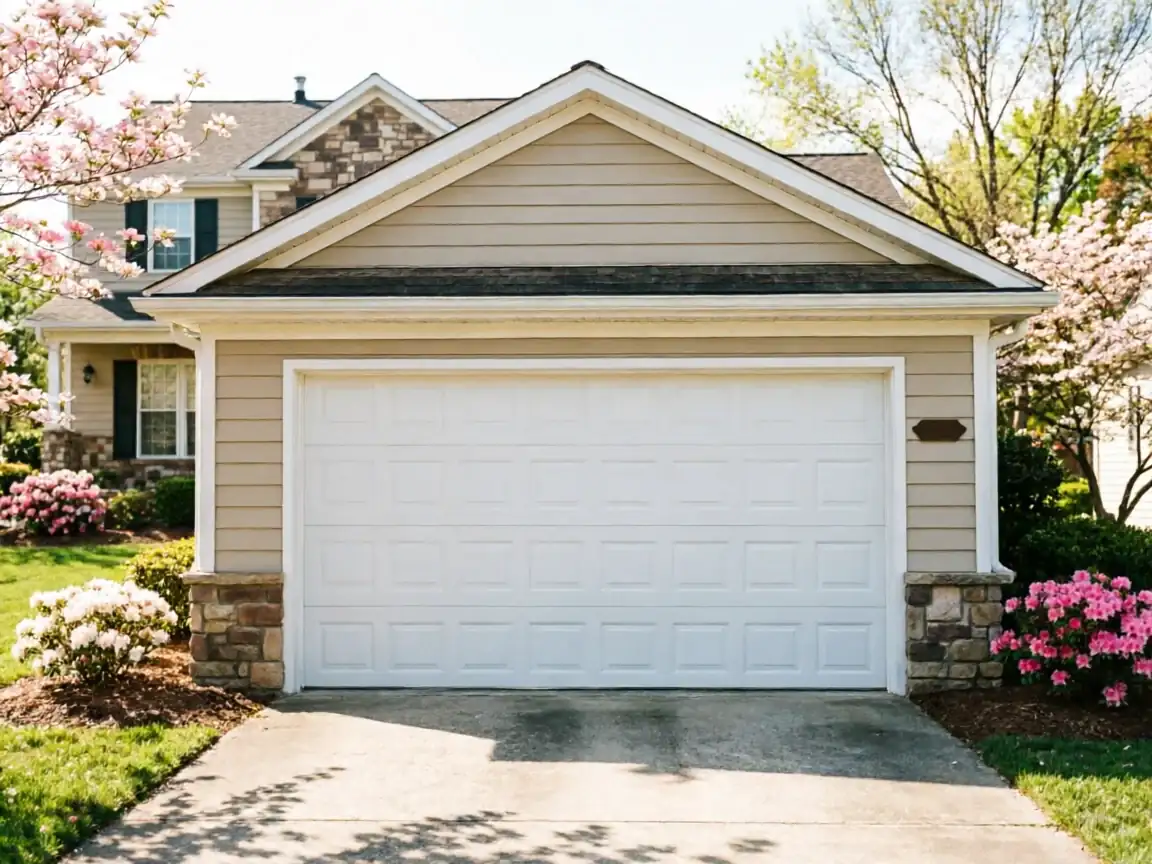
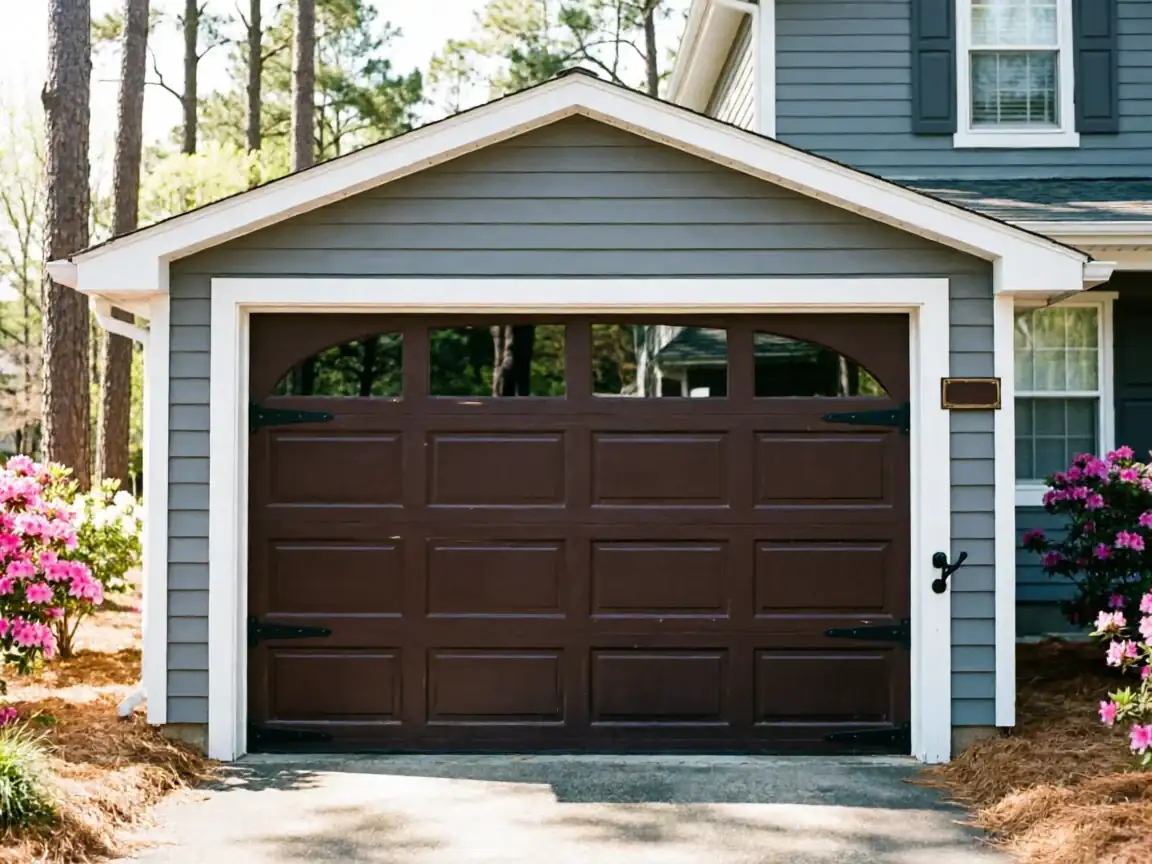
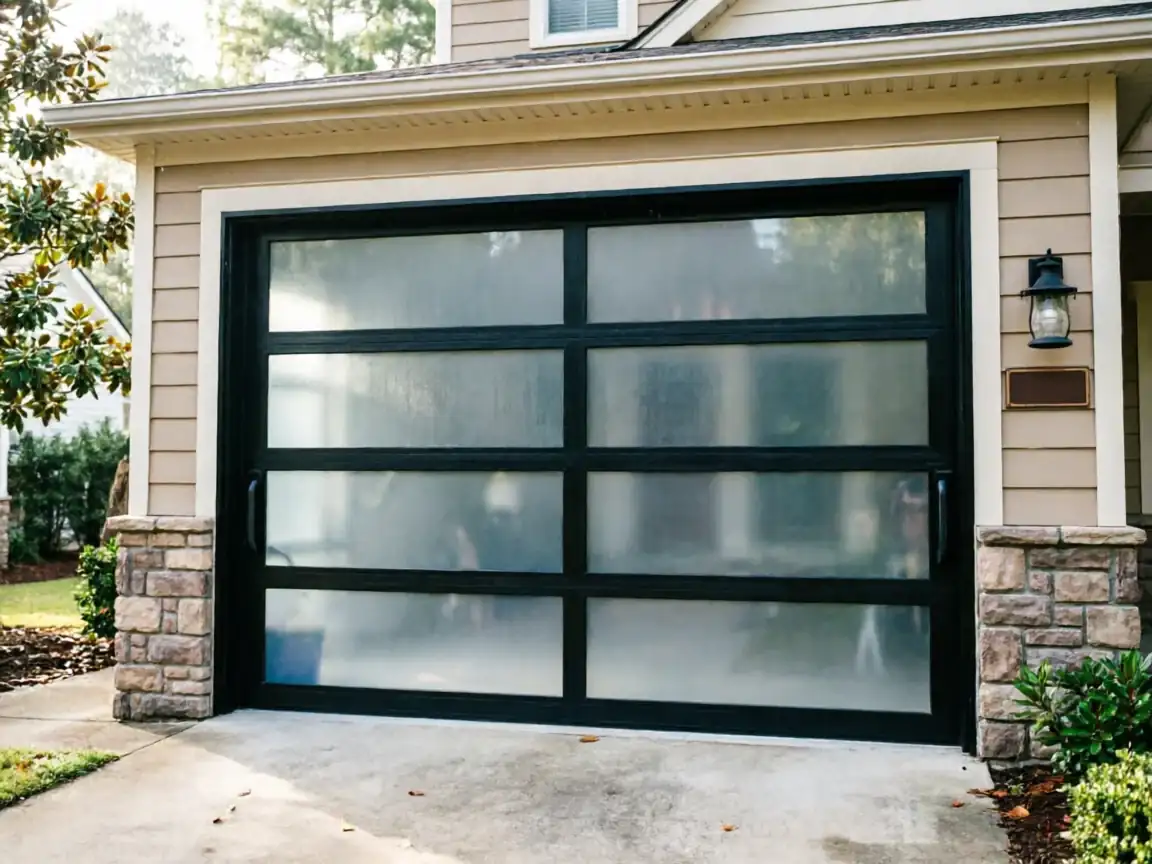
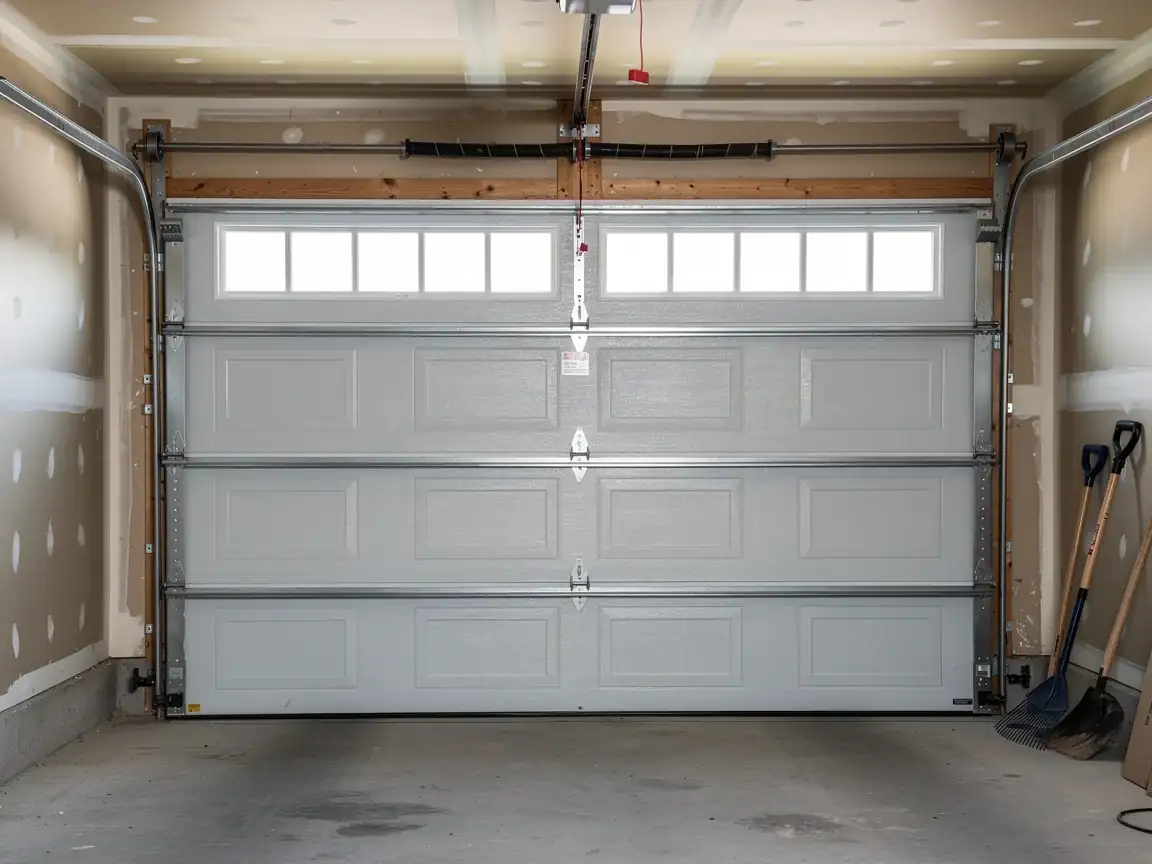
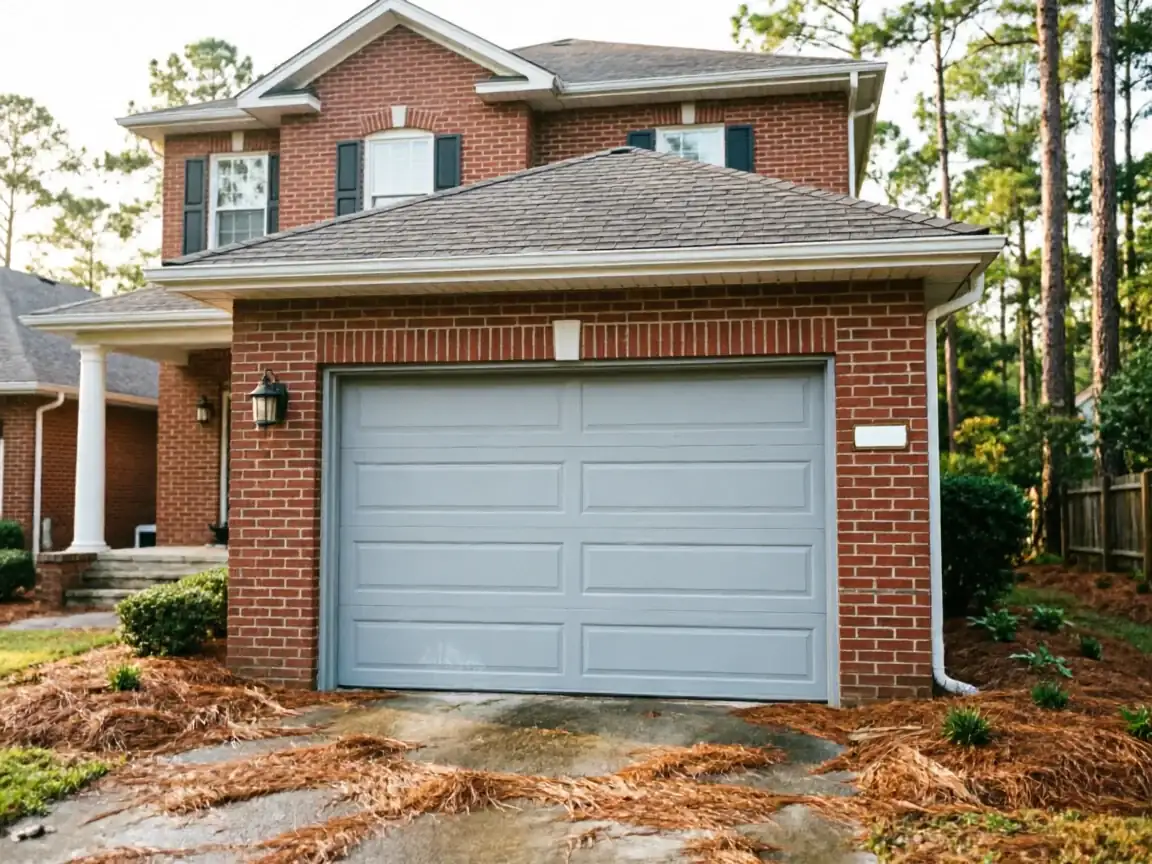
For Wendell calls we carry steel sectional door hardware and the torsion and extension spring sizes that match homes built from the late 1990s through the 2000s, since that's the bulk of what's out there. We stock the newer opener logic boards and safety-reversal sensors that code has required since the early '90s, because a door with no working photo-eye is a door we won't leave running. What we don't carry as standard stock is anything custom - a specific insulated panel color or a glass-window insert ordered to match an existing door usually has to come from a supplier, and that's a lead-time conversation we have with you before we quote the job, not after. Given that Wendell's median household income runs well above the wider service area's, we also bring a wider range of insulated and higher-tier opener options on the truck than we would for a call where a basic steel door is the expected fix.
How We Fix It
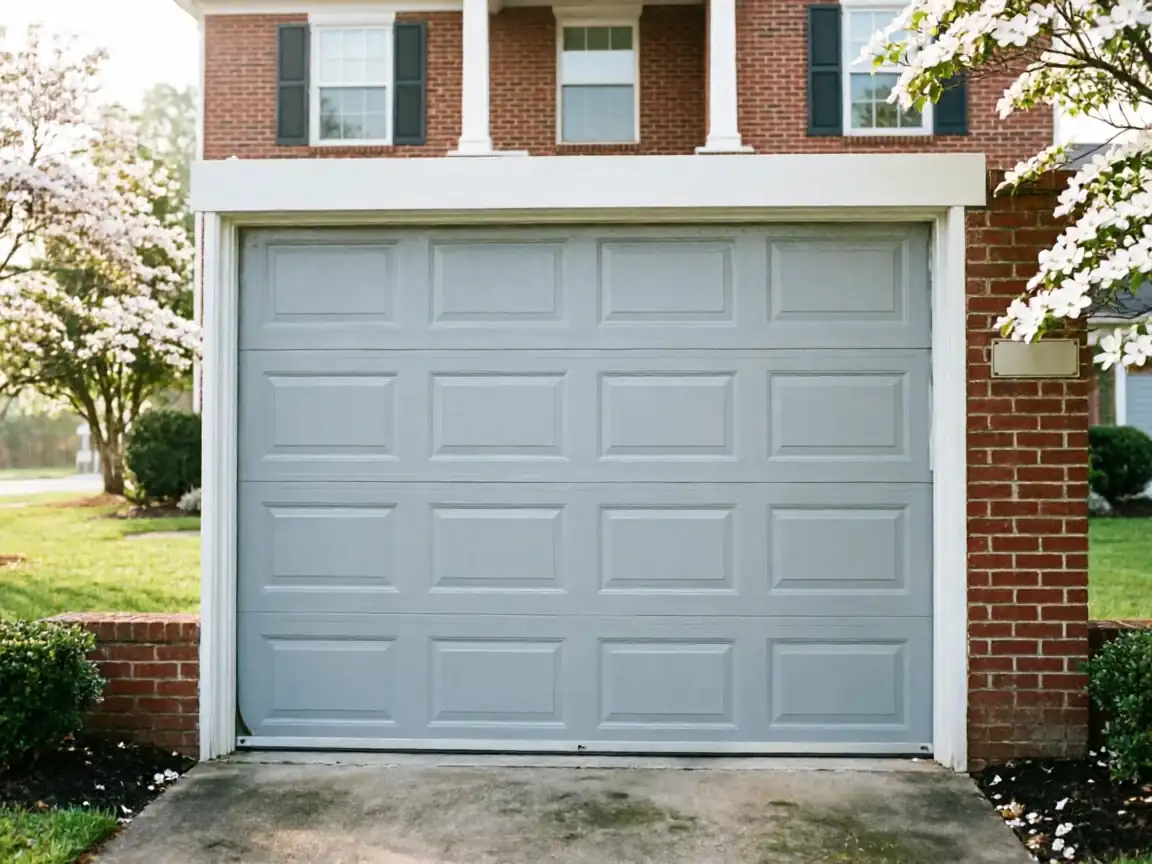
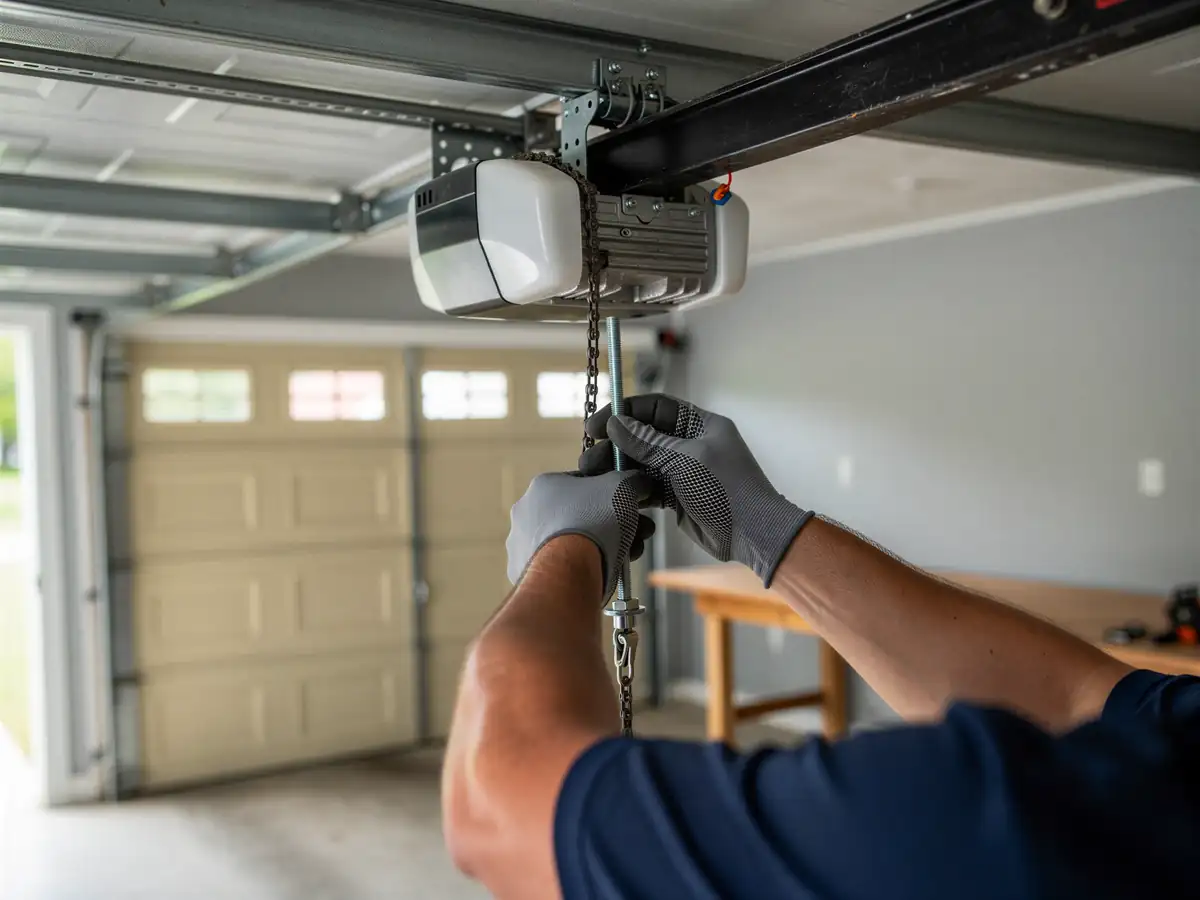
We start by checking which part actually failed rather than replacing the whole assembly - a torsion spring, a cable, a roller set, or the opener's logic board are each a different repair with a different cost, and bundling them into one blanket fix when only one part is bad isn't how we'd want to be billed either. If the spring is original to a 2000s build and has cycled out, we replace it with a size matched to the door's actual weight rather than a universal substitute. Opener issues usually come down to the safety-reversal sensor alignment or a worn belt, both quick fixes once we're on site. We'll tell you plainly if a repair isn't worth it - a door with a cracked panel and a dead spring on a twenty-year-old unit is sometimes a replacement conversation, not another patch.
What You Are Seeing
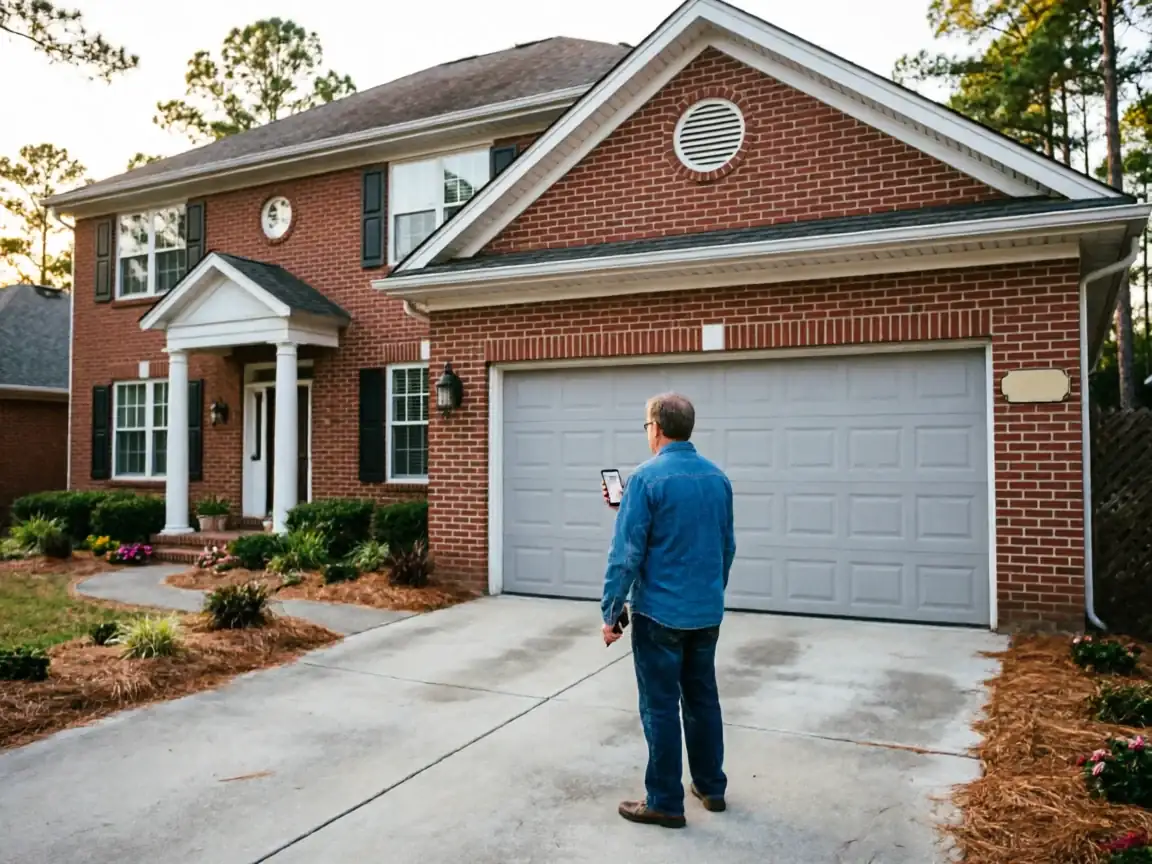
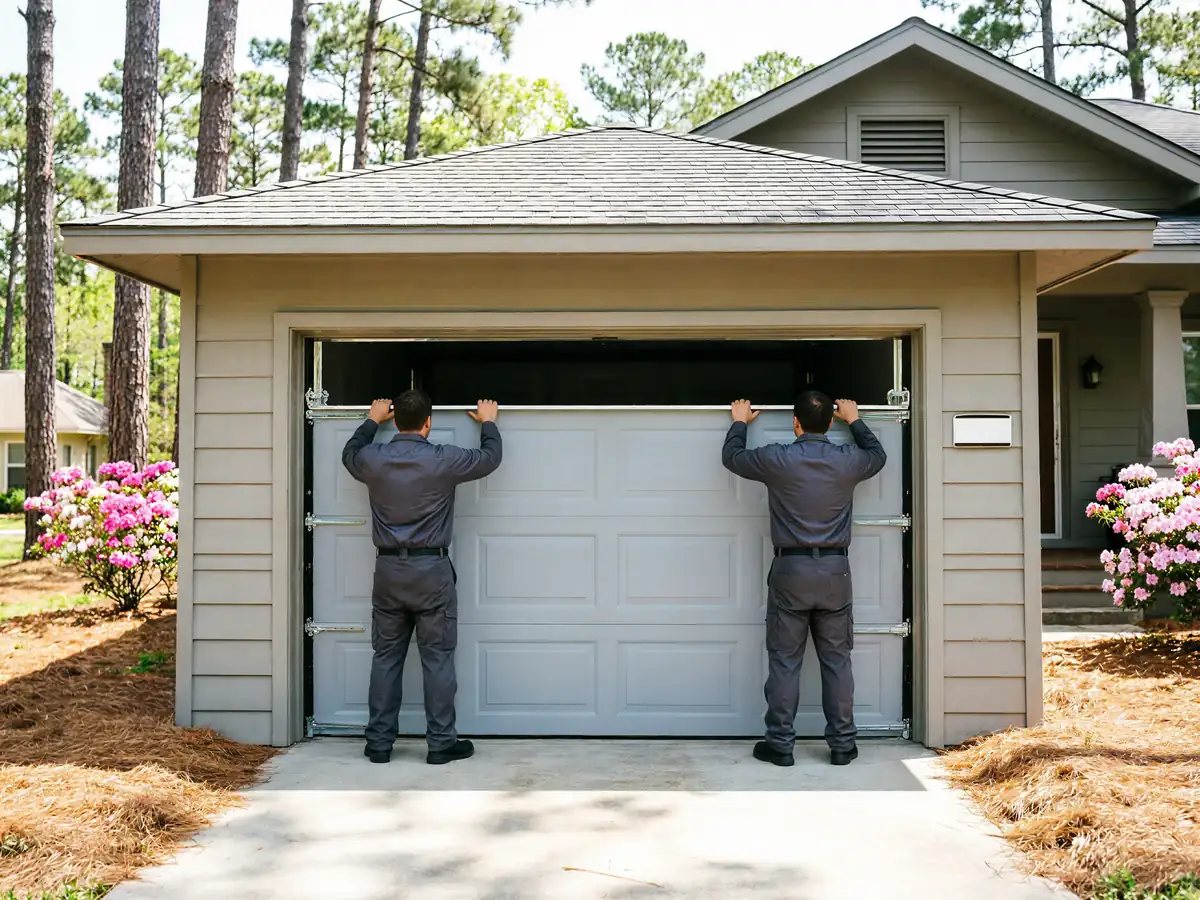
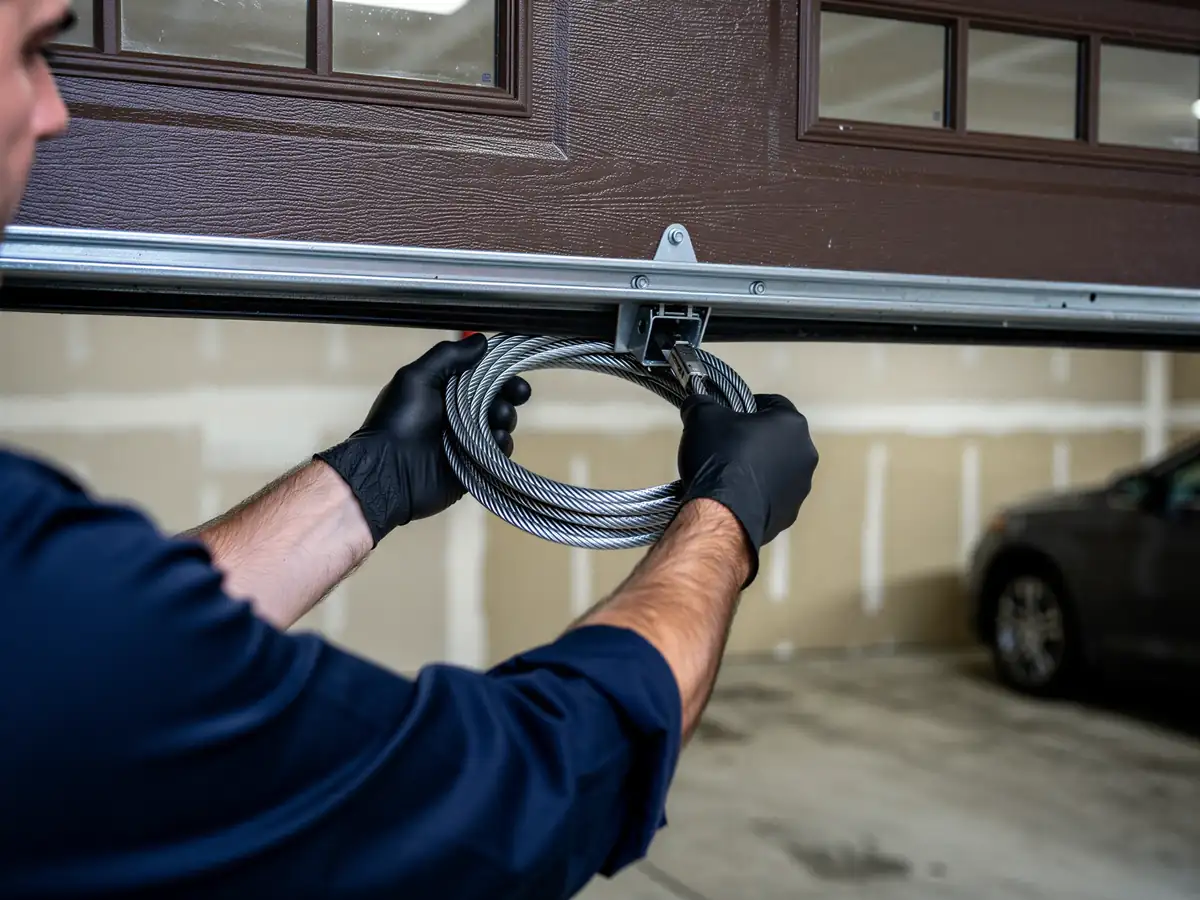
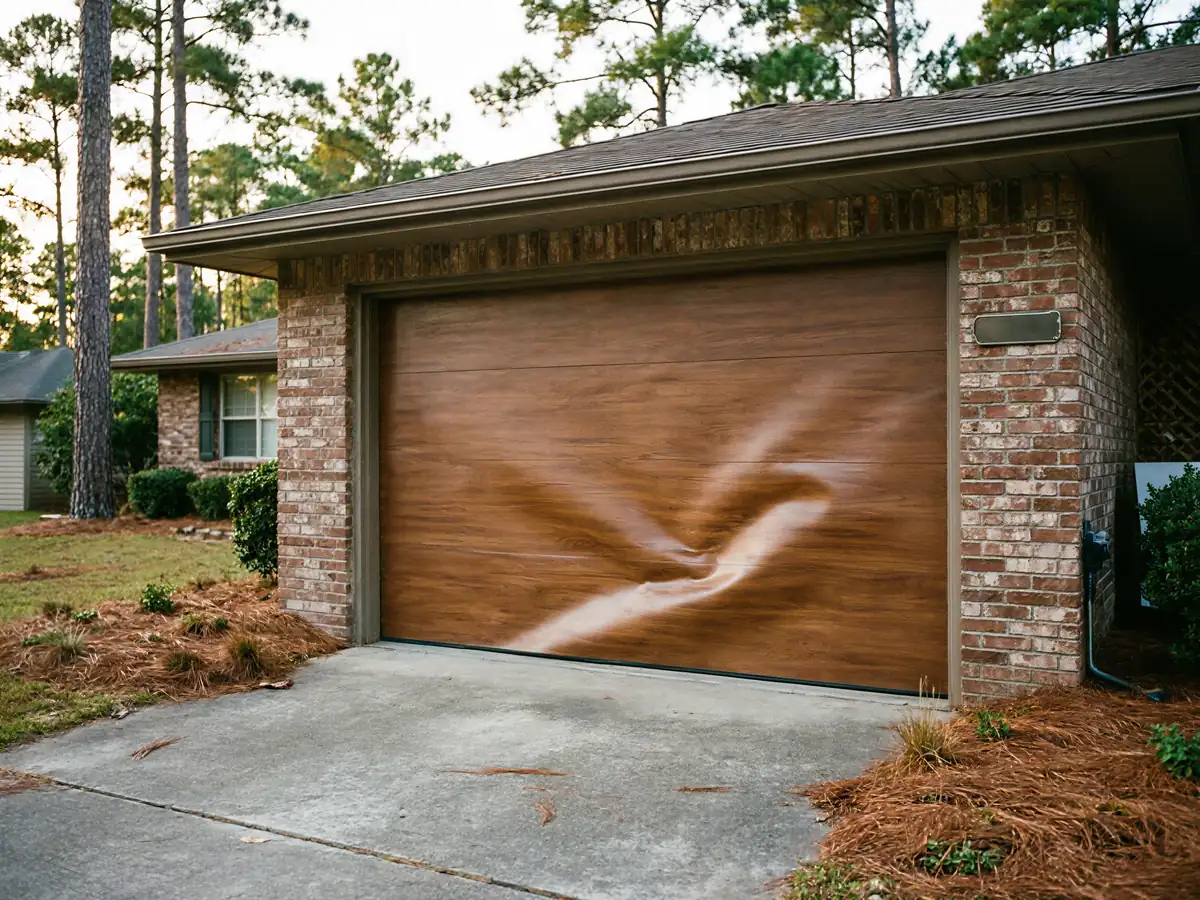
On a Wendell-era door, the most common calls are a door that reverses partway up or won't close at all - usually the photo-eye sensor knocked out of alignment or dirty, not a wiring fault. Next most common is a loud bang followed by the door refusing to lift, which is almost always the torsion spring letting go; the door will feel unusually heavy if you try to lift it by hand afterward, and you shouldn't. A belt-drive opener that strains or grinds on cold mornings points to a worn belt rather than the motor itself. Cables that look frayed near the bottom bracket are a stop-use signal - don't run the door on a visibly worn cable. None of this is specific to one house; it's the pattern for doors and openers installed in this build era, cycling out roughly on schedule.