How Long You Are Without the Door
Here's the fault that's showing up most in Wendell right now
Builder-grade steel rollers and factory-applied lubricant that were fine for the first fifteen years and are drying out now. Median year built in this area is 2005, which puts most of these doors right at the edge of their factory service life. Nobody notices until the door starts grinding on the way up.
That's different from what we see on older stock elsewhere in the service area
Where the problem is usually a tired torsion spring on a door installed decades ago. Here the doors are newer, the track alignment is usually still true, and the hardware is standard-lift rather than the odd legacy setups you find on 1980s builds. The failure mode is wear, not obsolescence - which is actually the easier one to catch early with a maintenance visit instead of an emergency call.
We travel out from Clayton, about 9 miles
So we're not posted up in Wendell with a depot or a same-day guarantee for this town. We schedule the trip and we're straightforward about that upfront.
- 9 miles
Can You Do This Yourself
Some of this you can do. Wipe down the tracks, check that the photo-eye sensors near the floor aren't knocked out of alignment, and listen for grinding versus squealing - grinding is metal on metal, squealing is usually just dry rollers. A can of the right lubricant (not WD-40, which strips grease rather than adding it) on hinges and rollers takes ten minutes.
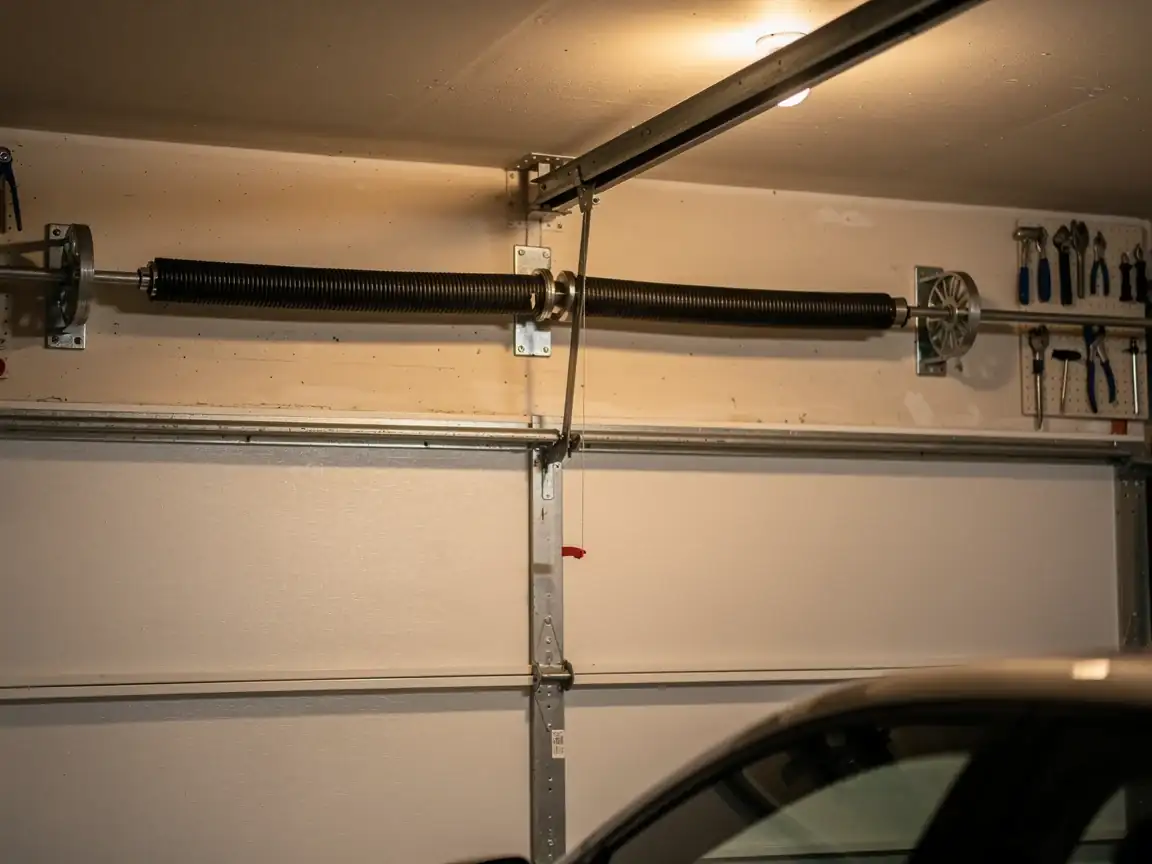
What you shouldn't touch: the torsion spring, even on a newer standard-lift setup, and anything involving the opener's force settings if the door is reversing or not sealing at the floor. On a 2005-built home that's twenty years in, a spring under tension that looks fine can still let go without warning, and that's not a DIY repair regardless of how new the house is.
If you're the kind of homeowner who checks these things twice a year, you'll catch most of what's coming before it becomes a stuck door. If you'd rather not keep track of it, that's what a maintenance visit is for.
What Is on the Truck
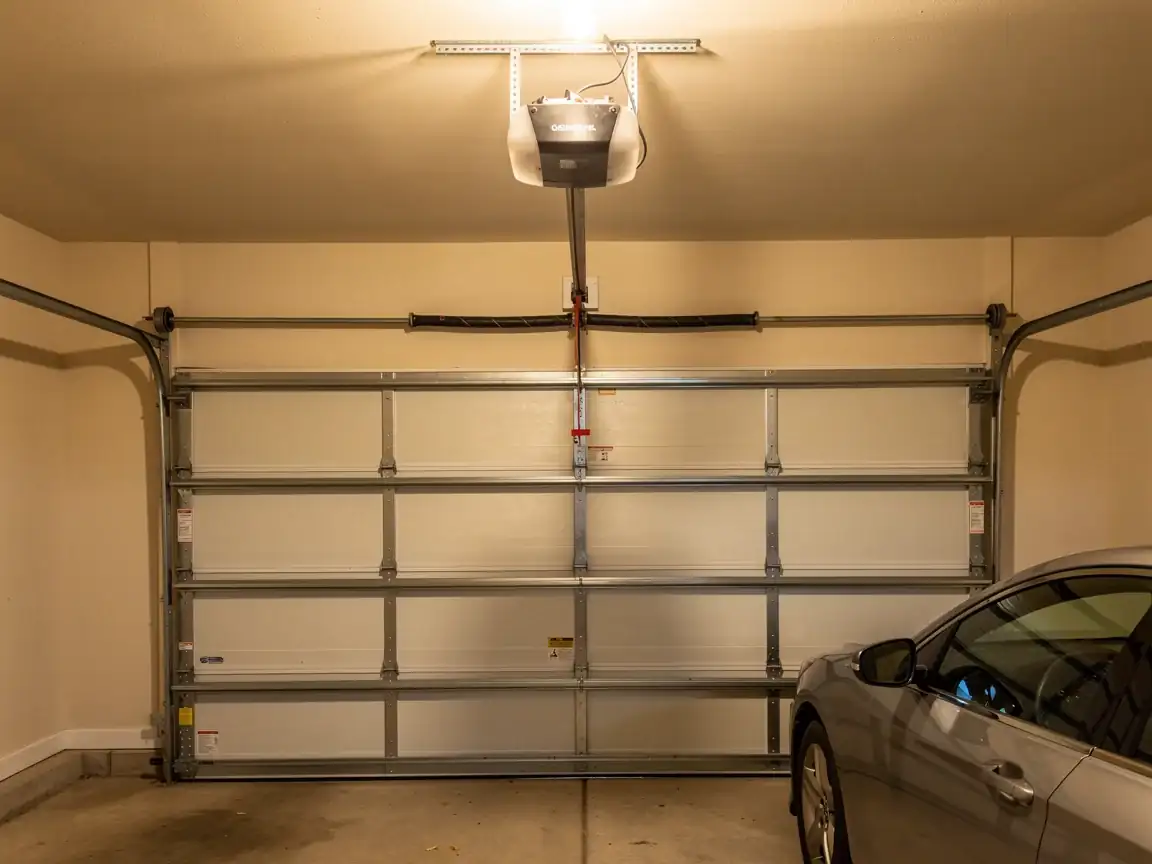
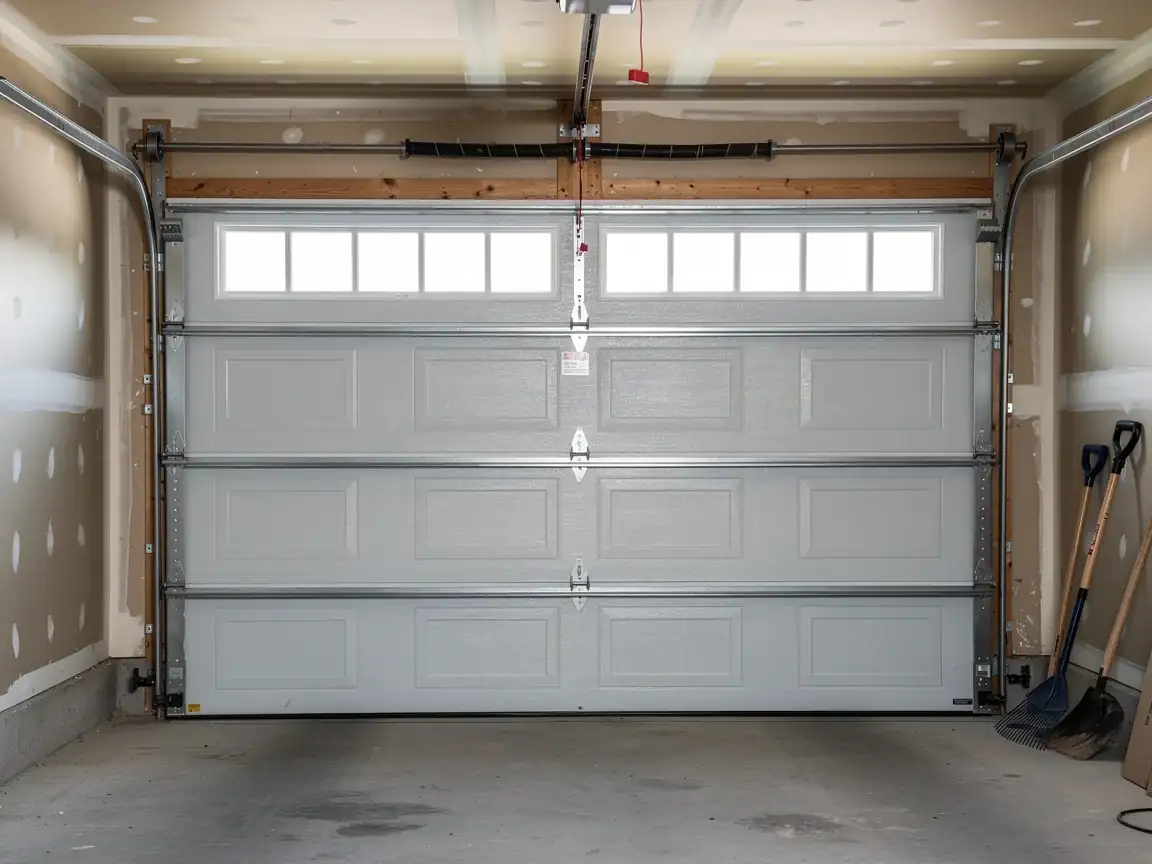
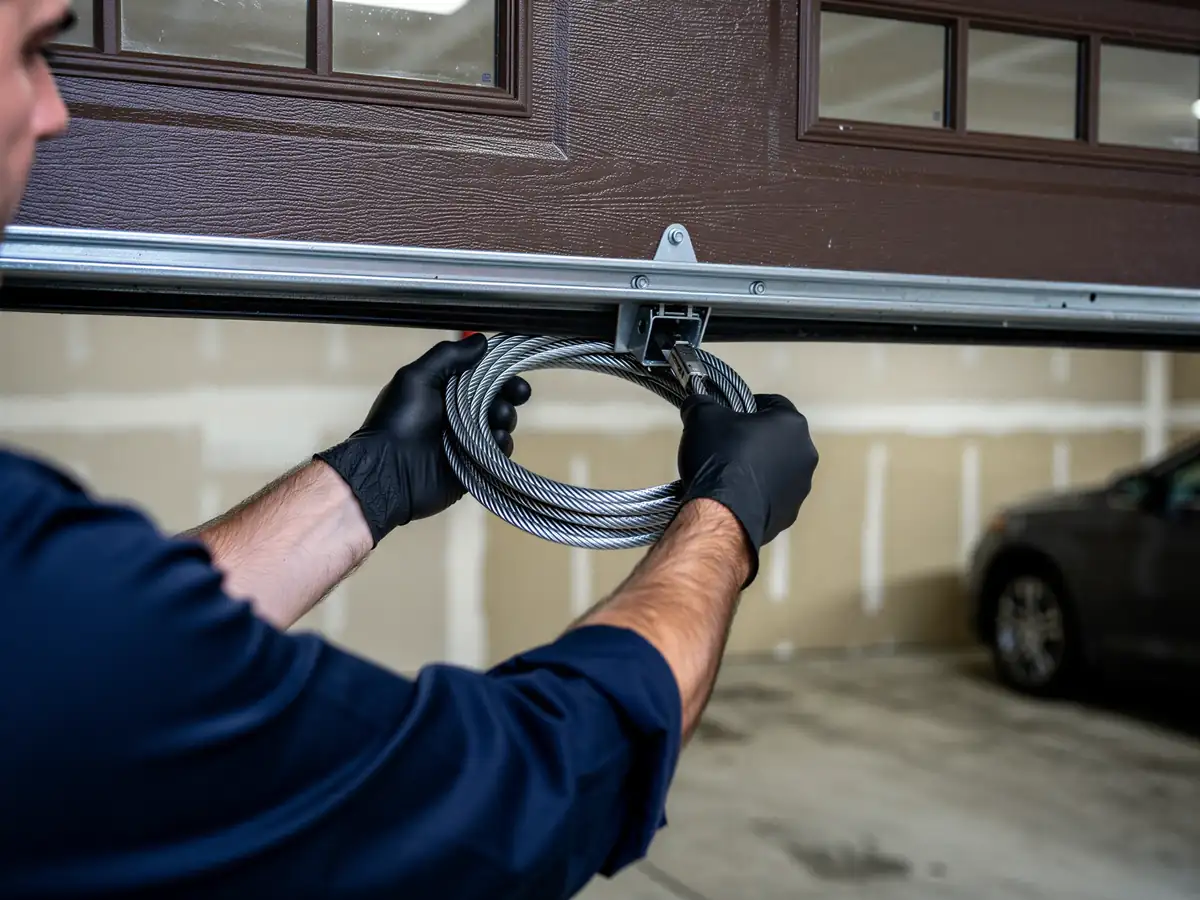
For a maintenance call out to Wendell we bring what covers a standard-lift steel door and opener setup - the hardware you'll find on most homes built in this stretch since the early 2000s. That means rollers (nylon and steel), hinges, cable, and the lubricant rated for the temperature swings this area sees, since the climate here runs cold-moderate and grease that's fine in July can stiffen up by January.
We don't carry every part for every door on the truck. If a door has an aftermarket opener or an unusual track configuration, we may need to order a part and come back, which means a second trip. We tell you that on the spot rather than letting you assume the first visit finishes it.
The truck is stocked for the hardware that's actually common in this part of the service area, not for everything that exists. That's a deliberate choice - it keeps most maintenance visits to one trip instead of guessing at a wider inventory.
Why This Fails Locally
The reason this cluster of homes is hitting roller and lubricant failure now, specifically now, is the math on the build year
Median year built here is 2005. Steel rollers with factory grease are generally good for seven to ten years of regular lubrication intervals before the grease breaks down enough to cause real friction - and most homeowners don't re-lubricate on that schedule because nobody told them to. Twenty years in, you're well past that window.
This area also carries a higher median household income than the broader service area
A little over ninety-three thousand dollars versus roughly fifty-five thousand across the wider territory - which tends to mean more homeowners catching this with a scheduled visit rather than running the door until it won't open. That's not a guess about anyone's finances, just what the gap in the numbers suggests about which calls we get ahead of a failure versus after one.
We're not claiming a weather event or a storm pattern specific to Wendell
The climate band here is cold-moderate like the rest of the territory, and that part of the fault is shared, not unique.
How We Fix It
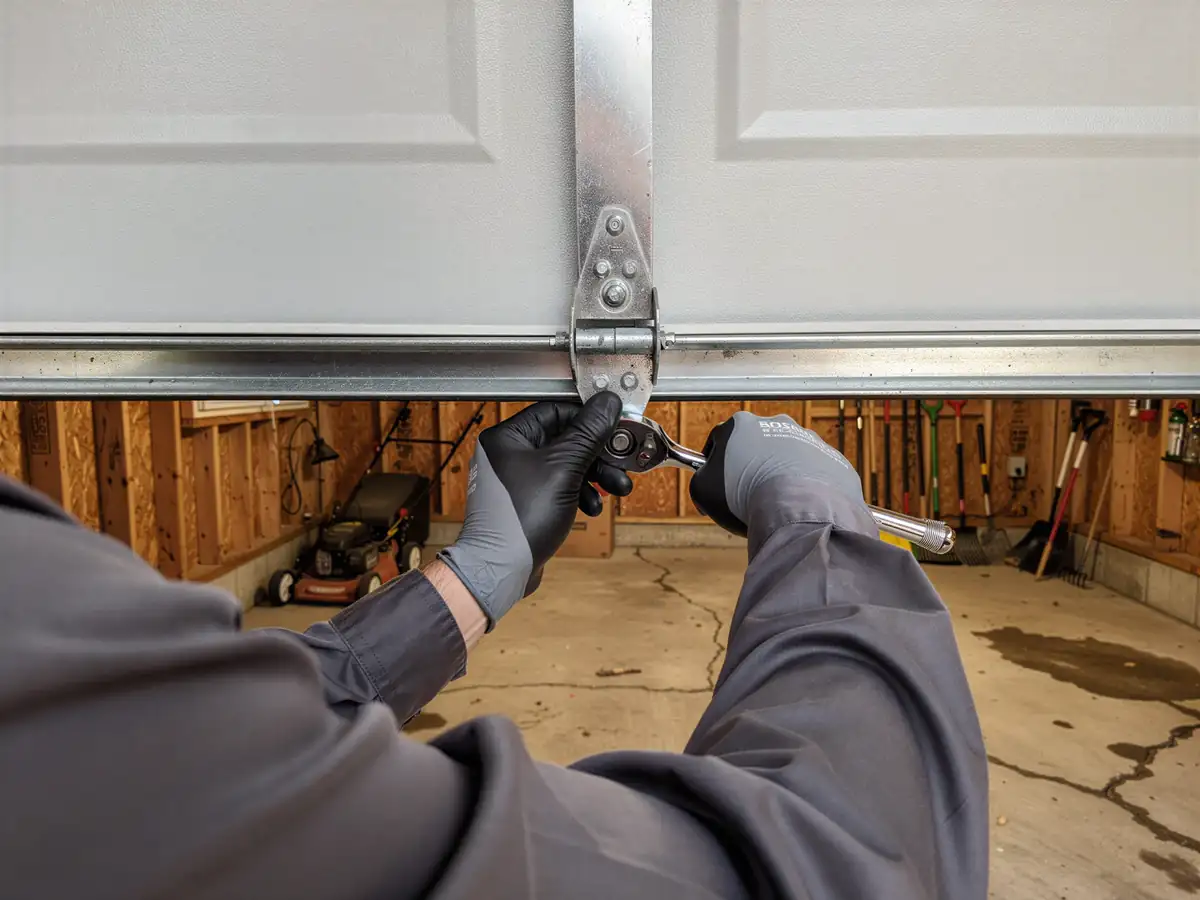
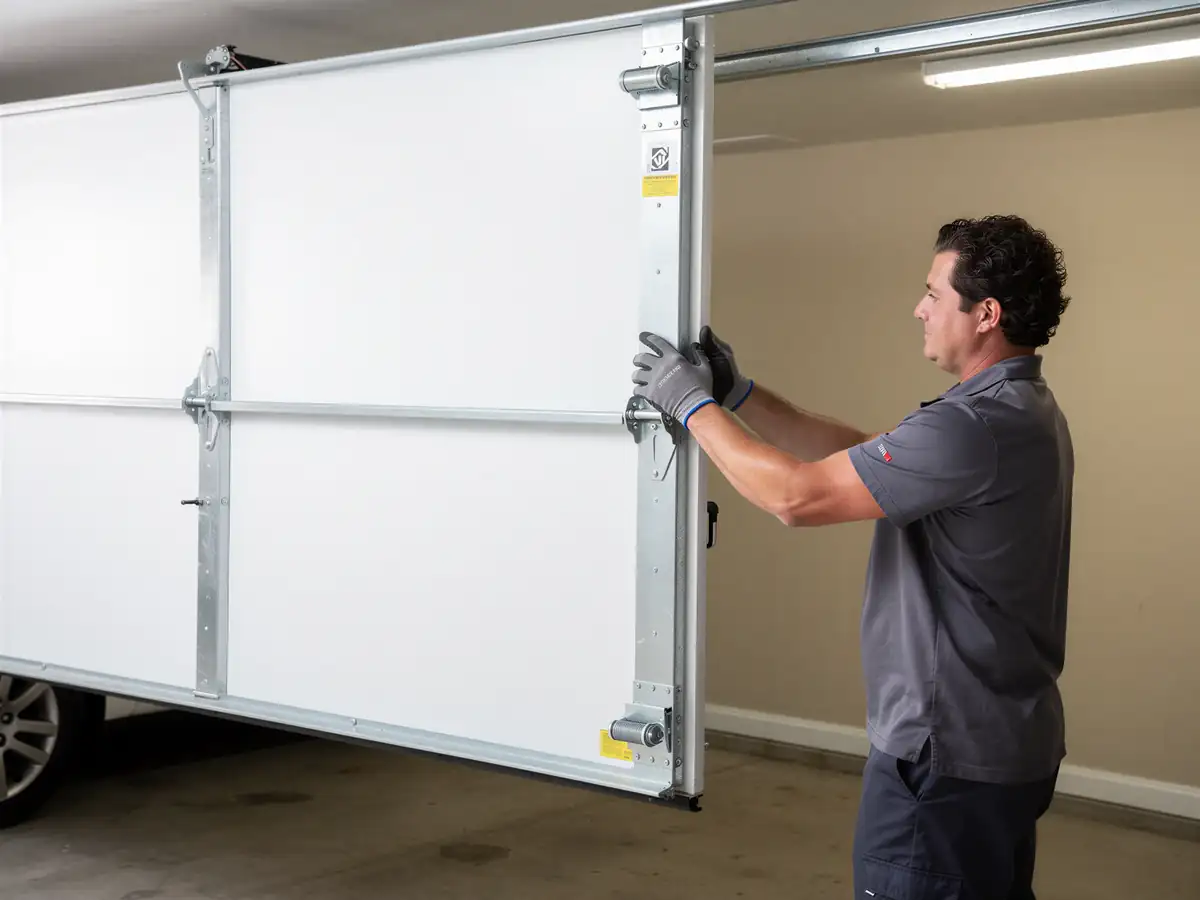
A standard maintenance visit on one of these doors: we pull the rollers and inspect for pitting or flat spots, re-lubricate hinges and the torsion spring's coils (never adjust the spring tension itself without cause), check cable wear, and test the opener's force and travel limits. On a door that's twenty years old we're also looking at the bottom seal, since the original rubber on a 2005 install is usually the first thing to crack.
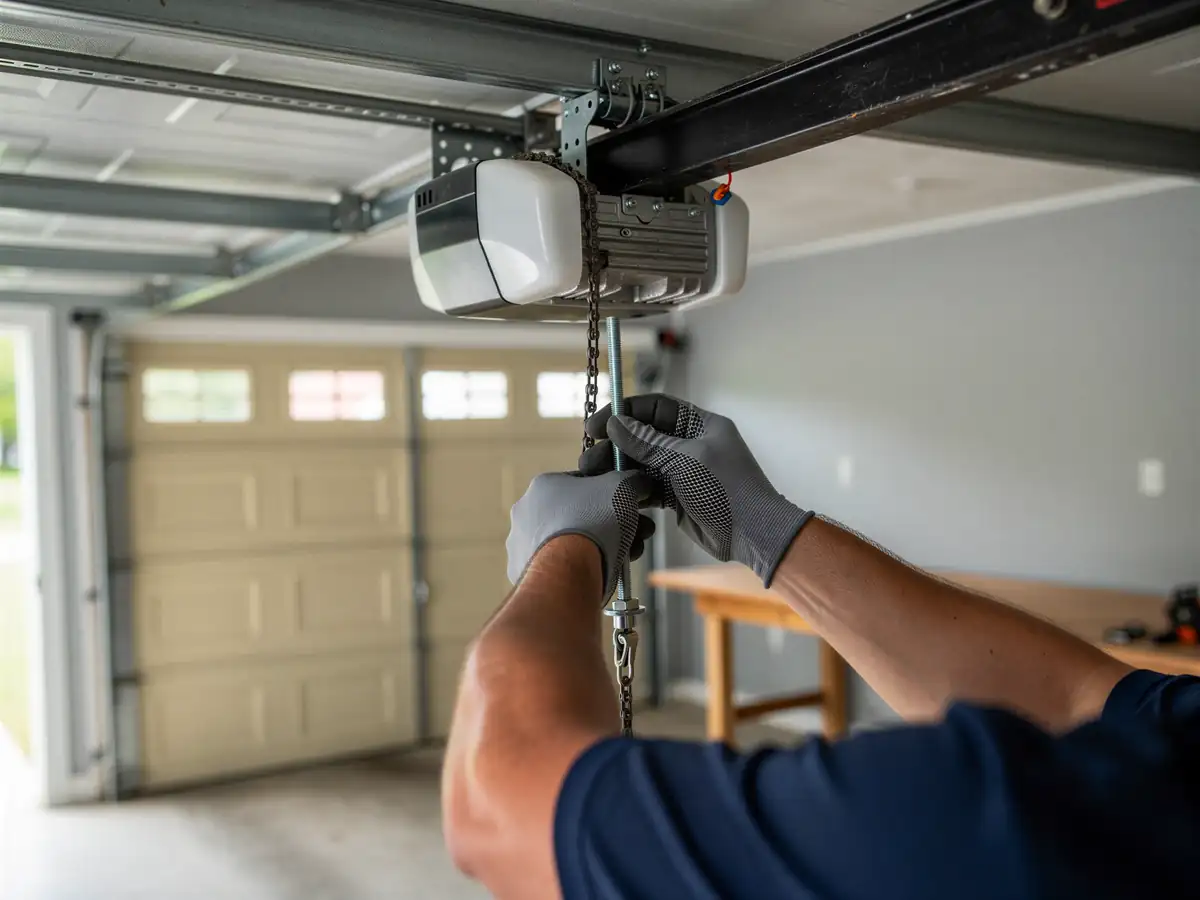
If we find a roller or cable past the point where lubrication helps, we replace that part on the spot if it's on the truck. If the opener's logic board is failing rather than the mechanical side, that's a different conversation - sometimes replacement makes more sense than repair once an opener is at this age, and we'll say so rather than patching it.
We don't do the visit and then push a full door replacement unless the door actually needs it. Most of what we see in Wendell right now is wear, not structural failure.
What You Are Seeing
If your door is making a grinding or scraping sound rather than a clean roll, if it hesitates partway up, or if the bottom seal looks cracked and lets daylight through at the corners, that's the pattern we're finding on homes built around the early 2000s in this area. None of that is an emergency yet, but it's the stage where a maintenance call is cheaper than waiting for the roller to seize or the cable to fray through.
What you're less likely to be seeing, compared to older homes elsewhere in the service area, is a snapped torsion spring out of nowhere with no warning signs - that tends to hit older original hardware, not the newer standard-lift setups common here. If your door does drop suddenly with no warning sound beforehand, that's a spring, and that's not a maintenance visit, that's a repair call.